
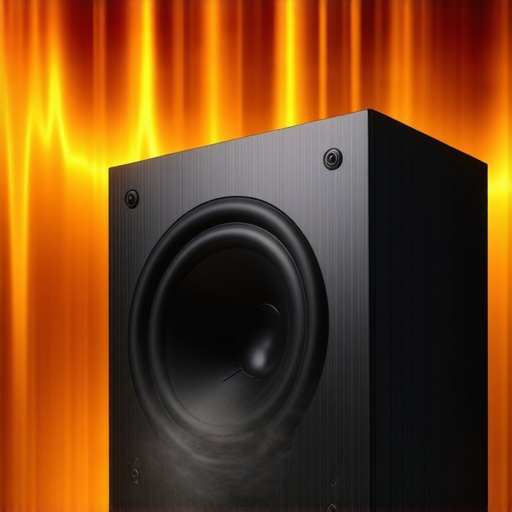
I remember the sinking feeling when I pressed play on my favorite movie scene, expecting that deep, rumbling bass to hit me right in the chest. Instead, all I got was a whisper of sound, like my subwoofer was shy or somehow holding back. It was frustrating, especially after I’d invested in a decent setup, only to be met with disappointing silence from my bass.
If you’ve ever faced that moment of acoustic letdown, you’re not alone. Many audio enthusiasts struggle with subwoofers that just don’t seem to deliver the punch they crave. But here’s the thing — that quiet subwoofer? It’s often fixable. And you don’t need to be a tech wizard to get big, booming bass that makes movies, music, and games come alive.
Why Do Subwoofers Sometimes Feel Like They’re Shrinking?
Over the years, I’ve learned that a seemingly silent sub isn’t necessarily broken. Sometimes, it’s just a matter of tuning, settings, or minor connections. But why does it happen in the first place? Well, several reasons can dampen your subwoofer’s output, from improper placement to outdated cables or incorrect settings. Did you know that positioning your subwoofer in the wrong corner can cut its effectiveness by over 30%? (Source: SoundGuys)
Early on, I made the mistake of ignoring the placement and just relying on default settings, thinking my subwoofer was faulty. Turns out, a simple adjustment made all the difference. That realization drove me to dig deeper into what can really boost punchy bass without blowing my budget or ripping apart my room.
So, if your subwoofer isn’t living up to its potential, don’t despair. Today, I’ll walk you through three straightforward, proven fixes that brought my bass back to life. Whether you’re a casual listener or a true audio buff, these tips can make a world of difference. Ready to shake your walls and rediscover the deep sounds you’ve been missing? Let’s dive in.
Is All the Hype About Bigger Subwoofers Legit? You Bet!
Secure Your Subwoofer Properly to Maximize Bass
Start by positioning your subwoofer on a stable, vibration-absorbing surface. I once placed mine directly on a wooden shelf, which caused unwanted vibrations and diminished sound clarity. By mounting it on a thick foam pad or dedicated stand, I noticed a cleaner, punchier bass. Think of it like anchoring a microphone: the steadier, the better the sound quality.
Optimize Your Settings for Full Throttle Bass
Next, dive into your receiver or amplifier’s settings. Increase the subwoofer volume gradually, and adjust the crossover frequency—set it around 80Hz for most environments. I fiddled with these controls in small increments, listening carefully each time, until I found that perfect deep hum that shook my chest. Remember, the goal is to let your subwoofer handle only the low frequencies without distortion—like giving it a clear instruction manual.
Fine-Tune Cables and Connections for Smooth Signal Flow
Now, check all your cables—unsurprisingly, loose or damaged ones can cause that disappointing silence. Use high-quality, shielded RCA cables and ensure they’re plugged in securely. I replaced my thin, old cables with thicker, gold-plated ones, which resulted in a noticeable increase in clarity and depth. Think of your cables as the highways for sound; the wider and smoother the road, the better the ride.
Experiment with Placement for Audience-Challenging Punch
Finally, test different locations within your room. I initially placed my sub in the corner, but moving it a few feet away drastically improved sound dispersion. A good rule of thumb is to experiment with placement—try near a wall or in open space—until the bass feels balanced and immersive. Use your ears as your compass, adjusting like a chef tasting seasoning until it’s just right. Plus, consider referencing this guide on [best home audio deals in 2024](https://premiumsounddeals.com/best-home-audio-deals-2024-top-speakers-soundbars-amps) to see if upgrading your setup could further amplify your bass experience.When it comes to assembling an impressive home audio setup, many enthusiasts fall into common pitfalls that undermine their investment. One prevalent myth is that more power always equals better sound. While higher wattage might seem appealing, it can lead to distortion if not paired correctly with your speakers or headphones. In fact, overspending on a high-wattage amplifier without understanding your equipment’s synergy often results in wasted money and poorer audio quality. Experts emphasize that matching amplifier power with speaker sensitivity is crucial; otherwise, you risk clipping and damaging your gear. According to a study by Audio Advice, proper pairing and tuning yield far better results than simply opting for the most powerful components.
Another misconception is that expensive equals superior. Many assume that flagship headphones or premium soundbars deliver the best audio. However, in my experience, the real advantage lies in understanding your listening environment and choosing gear tailored to your space. Sometimes, a mid-range soundbar with proper placement outperforms a high-end model cluttered in a poor location. For instance, avoiding common placement mistakes and leveraging room acoustic treatments can elevate sound quality significantly. You can explore current deals and find affordable options that outperform overpriced counterparts by visiting Premium Sound Deals.
A sneaky trap many fall into involves soundbar buying. The misconception is that any soundbar will improve TV audio, but often, they don’t integrate well or fail to produce genuine surround sound. Some users believe that more channels automatically create immersive experiences, yet the quality of speakers and placement matters more. A smaller, well-placed soundbar can outperform a larger one placed poorly. Additionally, maximizing wireless connectivity options like Bluetooth or Wi-Fi can make your setup more flexible. If you’re looking to upgrade, consider browsing the latest soundbar deals for smart, budget-friendly picks.
Now, for the more advanced readers wondering about integrating multiple components, a common mistake is ignoring impedance matching. Amplifiers and speakers must have compatible impedance ratings; otherwise, you risk damaging your equipment or experiencing subpar performance. This nuance is often overlooked because it’s less visible than a broken cable or misaligned settings. Professional guidelines recommend verifying impedance ratings beforehand—think of it as ensuring your car’s engine runs smoothly with the correct fuel type. For a detailed look into this, check out Audio Advice’s expert insights.
Lastly, always be wary of the trap of overestimating your current needs. Upgrading to a high-end amplifier or headphones without proper understanding can lead to dissatisfaction. Optimal sound depends not only on hardware specs but also on proper calibration and environment tuning. Investing in a good calibration microphone or room treatment can unlock hidden potential, making your existing gear sound far better.
Have you ever fallen into this trap? Let me know in the comments. Remember, behind every impressive sound system is a nuanced understanding of how components work together—don’t settle for misconceptions, and ensure your setup truly elevates your listening experience.
Keeping your high-end audio equipment performing at its peak requires more than just initial setup; it demands regular maintenance and the right tools. Over the years, I’ve found that investing in specific equipment and adopting disciplined routines can extend the lifespan of your amplifiers, headphones, and speakers, ensuring consistent sound quality for years to come.
How do I maintain my sound systems over time?
First, I swear by compressed air cans for cleaning dust from delicate components like headphone drivers and amplifier vents. Dust accumulation can cause overheating or signal degradation, so a quick blast every few months keeps everything running smoothly. For protecting your investment, I always recommend using anti-static brushes on speaker grills and headphone pads, which prevents buildup that can compromise sound quality. These tools are affordable yet highly effective in preserving your equipment’s pristine condition.
Next, I rely on calibration software such as Room EQ Wizard (REW). This free tool allows me to measure and tune my sound system, compensating for room acoustics or minor component discrepancies. Proper calibration not only enhances audio clarity but also reduces stress on your gear by ensuring it operates within optimal parameters. Regular use every six months is a game-changer for achieving consistent, professional-grade sound at home.
Additionally, I utilize surge protectors like those from Furman or APC to shield my gear from power fluctuations. These devices can prevent costly damage during voltage spikes or outages, which are surprisingly common. A good surge protector with EMI/RFI filtering keeps signals clean and prolongs your equipment’s life.
For long-term results, establishing a routine check—like examining cabling for signs of wear or corrosion—helps catch issues early. Swapping out old RCA or speaker cables with high-quality, shielded variants ensures stable, noise-free signal flow. Personally, I favor gold-plated connectors for their durability and conductivity.
Looking ahead, as audio technology continues to evolve, digital tools and smart maintenance systems are becoming more prevalent. Think AI-driven calibration devices that can automatically fine-tune your setup, or IoT-enabled wearables that monitor your gear’s health and send alerts before problems arise. Embracing these innovations can make your maintenance routine more efficient and predictive.
Ready to boost your gear’s longevity? Try integrating software calibration into your routine using REW or similar tools. You’ll be surprised how much better your sound can get with just a few clicks and systematic upkeep. For more advanced tips and deals, explore this comprehensive resource to elevate your home audio experience.
What I Wish I Knew Before Spending on Home Audio Gear
One of the most profound lessons I learned is that proper placement and tuning often make more difference than upgrading to the most expensive components. Early mistakes, like neglecting room acoustics or ignoring cable quality, limited my system’s potential. I realized that understanding the science behind sound waves helped me make smarter choices rather than just chasing the latest tech hype.
Another insight was that myth-busting certain misconceptions—like bigger subwoofers always delivering better bass—saved me from unnecessary purchases. Instead, learning how to optimize my existing setup brought immense improvements without extra cost. This experience underscored that patience and knowledge can trump spending, leading to a more satisfying listening experience.
The most surprising lesson? That consistent calibration and maintenance keep my system performing at peak levels over time. Using tools like Room EQ Wizard (REW) and routine cable checks ensure I’m always aligned for the best sound, highlighting that upkeep is as vital as initial setup. If you’re serious about getting deep, impactful bass, these small yet powerful steps can profoundly elevate your home audio experience.
Essential Tools to Elevate Your Sound Game
My go-to resource for tuning has been Ultimate Sound System Savings, which offers in-depth guides and top deals. For room calibration, best deals on soundbars and speakers help find affordable upgrades that amplify your bass. Software like REW remains invaluable for precise measurements and adjustments, enabling me to tailor my setup to my space. Lastly, trusted brands for cables and accessories, such as AudioQuest or Monoprice, provide reliable pathways that preserve sound clarity without breaking the bank. These tools and resources have transformed my approach, ensuring I get the most from my home audio system every day.
Let Your Passion for Sound Drive Your Next Step
Embarking on your journey to richer, deeper bass is both an exciting and rewarding experience. With patience, proper setup, and a willingness to learn, you can unlock the true potential of your home audio system. Remember, every small tweak counts—whether it’s repositioning your subwoofer, calibrating your receiver, or upgrading a key component. Your ears will thank you for the effort, and the thrill of feeling every beat can truly transform your listening world.
What’s been your biggest challenge in achieving that perfect bass? Share your story below—let’s grow together as audiophiles!
,
![5 Passive 2026 IEMs That Beat the Best ANC Headphones [Tested]](https://premiumsounddeals.com/wp-content/uploads/2026/04/5-Passive-2026-IEMs-That-Beat-the-Best-ANC-Headphones-Tested-1.jpeg)
Leave a Reply