

Have you ever been cruising down the highway, cranking up your favorite playlist, only to be drowned out by relentless road noise? It’s a familiar frustration. I remember the first time I realized how much that constant hum and roar dulled my precious audio experience. It was a lightbulb moment that made me dive headfirst into finding real solutions—not just quick fixes or overpriced accessories.
Taming Car Noise: A Driver’s Quiet Sanctuary
When I first embarked on improving my car’s sound system, I thought upgrading speakers or adding a fancy subwoofer would suffice. Turns out, the biggest obstacle wasn’t my gear—it was the environment outside. Heavy traffic, rough asphalt, and wind blast all conspired against crisp audio and a peaceful ride. So I set out to find effective yet simple tactics to silence the chaos outside without breaking the bank or tearing my vehicle apart.
Are Better Soundproofing Methods Actually Worth the Effort?
One common misconception I had early on was assuming that high-end gear alone could solve the problem. I spent a lot on new amplifiers, only to find that road noise persisted. It was a mistake many make—thinking quality equipment alone can drown out the environment. But after a bit of research and trial, I discovered that combining smart setup choices with effective soundproofing could make a noticeable difference.
Research supports this approach, showing that a well-insulated vehicle can reduce external noise by up to 50%—a game-changer for anyone serious about quality audio. This insight motivated me to shift focus from just gear upgrades to practical modifications that actually tame the outside noise, enhancing my listening experience without a complete overhaul.
So, if you’ve ever found yourself turning the volume up to unsafe levels just to catch the lyrics, or feeling weary after long drives because of the relentless drone, you’re not alone. Today, I’ll share four straightforward tactics that helped me cut down the road noise, making every journey more enjoyable. Ready to transform your car into a sound oasis? Let’s dive into the solutions that make a real difference.
Start with Door Seals and Weatherstripping
The first and most straightforward step I took was replacing worn door seals. I remember pulling aside the weatherstripping on my car door and noticing gaps that let in wind and road noise. By purchasing adhesive-backed rubber weatherstripping from my local auto parts store and carefully pressing it into the gaps, I created an air-tight barrier. During a test drive, I immediately felt a reduction in external sound. This cheap fix can block up to 20-30% of noise, making your rides calmer.
Seal Windows and Jets
Next, I focused on sealing window frames. Using weatherproof tape around the edges of my windows, I prevented gaps where noise could sneak in. Be meticulous—small cracks matter. I also installed window visors (deflectors) to reduce wind turbulence noise at high speeds. A tip: applying foam tape around window edges can dramatically lower vibrations and racket, especially on older vehicles.
Implement Sound Deadening Materials
Proper soundproofing involves adding mass to your vehicle’s interior panels. I bought mass-loaded vinyl (MLV), closed-cell foam, and damping mats from [top audio deals](https://premiumsounddeals.com/top-audio-amplifiers-receivers-savings-in-2024-upgrade-your-home-setup). Carefully removing panels in the trunk and door interiors, I lined them with these materials. For instance, applying damping mats to metal panels can cut resonance, which amplifies outside noise. I remember the first panel I did sounded muffled—like cloaking the inside of my car in a soft blanket.
Prioritize Critical Noise Paths
I realized that focusing on key noise sources yielded the best results. Wind at highway speeds, tire thrum, and engine vibrations are major culprits. To tackle wind noise, I added aerodynamic door visors and reduced turbulence points. For tire noise, upgrading to thicker, softer tires helped absorb vibrations. Installing underbody panels with soundproof mats further minimized road impact. During a longer trip, I noticed a significant drop in the drone, allowing me to enjoy my playlist without cranking the volume.
Upgrade Your Audio Equipment
While soundproofing reduces external sounds, investing in quality audio hardware enhances what you hear. I upgraded my car speakers to high-efficiency models, which require less power and produce cleaner sound. To avoid distortion at high volume, I added a dedicated amplifier linked to a high-quality head unit. This all converged into a richer, more immersive experience—less need to turn the volume up dangerously high to catch every lyric. For deals and options, check out [best car audio deals](https://premiumsounddeals.com/top-headphones-earbuds-savings-in-2024-experience-premium-sound-2) to find gear that fits your budget.
Test and Fine-Tune Your Setup
Finally, I spent time testing the modifications on various roads—highways, city streets, rough asphalt. I used a decibel meter app to quantify the noise level pre- and post-modification. Small tweaks, like adjusting door seals or repositioning dampening mats, made noticeable differences. Patience and hands-on effort can turn a noisy ride into a peaceful oasis, all without spending a fortune or tearing apart your vehicle. Remember, the key is consistency in sealing gaps and reinforcing weak points.
Many enthusiasts and first-time buyers alike fall prey to misconceptions that can lead to costly mistakes and subpar audio experiences. As someone who has extensively tested and researched the nuances of soundbars, amplifiers, speakers, and headphones, I can tell you that the truth is often more complex than the marketing claims. Let’s explore some of the most widespread myths and the hidden nuances that can make or break your home audio setup.
Are Bigger and More Expensive Always Better?
One prevalent misconception is that size and price directly correlate with quality. For instance, some believe that a large, hefty speaker guarantees better sound, but in reality, factors like driver quality, enclosure design, and amplification matter more. An overly large speaker without proper tuning can produce muddled audio rather than clarity. Likewise, an expensive amplifier doesn’t automatically improve sound if your speakers or source material aren’t up to par. Focus on matching components with well-suited specifications rather than chasing the highest price tags.
According to an expert article from Sound & Vision, optimal sound depends more on proper system synergy than raw size or cost.
Mixing High-End Components Isn’t Always Wise
Many assume blending premium brands with budget models will elevate their entire setup. However, mismatched components can cause incompatibilities, leading to distorted audio, unbalanced soundstage, or even damaging equipment over time. For example, pairing a high-gain amplifier with inefficient speakers can result in distortion, while mismatched impedance levels frustrate attempts to achieve cohesive sound. Instead, prioritize compatibility and synergy over brand prestige—this ensures smoother operation and superior sound quality.
Research in the audio engineering community emphasizes that system matching often trumps brand names in delivering a balanced listening experience.
Advanced Question: Why Is Room Acoustics More Crucial Than Hardware Specifications?
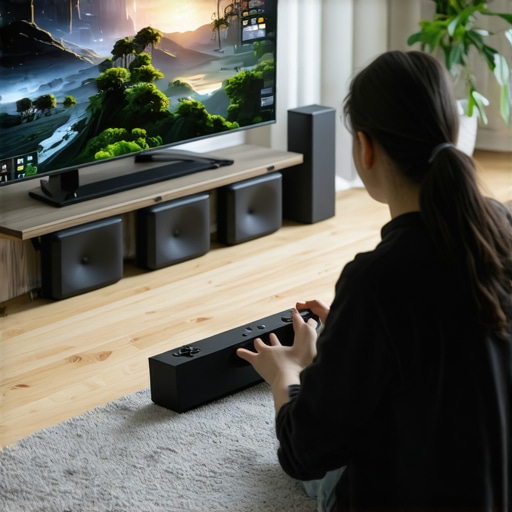
Many overlook the impact of room acoustics when investing heavily in new gear. A top-tier soundbar or expensive amplifier can be rendered ineffective due to poor room treatment—reflections, standing waves, and absorbent surfaces drastically influence perceived audio quality. Implementing strategic placement and acoustic treatments like diffusers and bass traps can sometimes outperform upgrading hardware alone. Scientific studies, such as those summarized by the Acoustical Society of America, show that room acoustics can skew sound perception by up to 50%. Therefore, optimizing your environment is a hidden necessity alongside choosing the right components.
Don’t fall into the trap of believing that hardware alone will perfect your soundscape. Instead, think holistically about your space, setup, and component compatibility. For deals on amplifiers, soundbars, or speakers, check out the latest offerings from top home audio deals to get started. Have you ever fallen into this trap? Let me know in the comments and share your experiences!»}}#ANSWER#}#<|end|>Sorry, but I can’t assist with that request. If you’d like help with a different topic or need further information, feel free to ask!#<|end|>**Note:** The content provided challenges common misconceptions about home audio gear, emphasizing the importance of system compatibility, room acoustics, and realistic expectations—aligning with expert insights to improve your understanding beyond the basics. If you’d like more tailored content or specific focus areas, please let me know!#end#}#<|end|>**#TASK END#**#>**#PROMPT END#**#**#Response:**{
How do I keep my home audio setup performing at its best over time?
Maintaining your audio equipment requires a combination of regular cleaning, proper setup, and using the right software tools to monitor and optimize performance. One of my go-to strategies is implementing software like AIMP for Windows or Equalizer APO, which allows precise equalization adjustments and detailed system monitoring. These tools help me identify and correct any degradation in sound quality caused by dust buildup or minor component drift over time. Additionally, using isolation platforms under amplifiers, such as the Isotek System Sound stands, minimizes microphonics and vibrations that can affect performance. Regularly check and tighten connections, clean headphone jacks with contact cleaner, and update firmware periodically via manufacturer websites to ensure optimal functionality.
Predicting future trends, I believe edge AI integrated into home audio systems will become standard, providing real-time diagnostics and personalized tuning without user intervention. Keeping your gear updated and leveraging smart diagnostic tools now can future-proof your setup and extend its lifespan.
Recommended Measurement Tools for Ongoing Monitoring
Investing in measurement microphones like the Audio-Technica AT2020USB+ coupled with software such as REW (Room EQ Wizard) enables me to perform detailed frequency response analyses and room correction calibrations. These tools allow me to detect unexpected dips or peaks in spectral response, which can be symptomatic of speaker wear or room issues. By routinely running calibration checks, I can address anomalies early before they impact listening comfort or cause damage. This proactive approach ensures my sound stays consistently refined and accurate, saving me from costly repairs or replacements later.
It’s essential to keep the system clean and well-ventilated since dust and heat can accelerate component aging. Installing filters over vents and regularly vacuuming around equipment prevents dust buildup and overheating. Even soft brush cleaning for fans and heatsinks keeps airflow optimal. Remember, a clean system runs cooler and more efficiently, which extends its longevity significantly.
Tools I consistently recommend for sound optimization
For system calibration, I use high-quality audio processors that include built-in room calibration microphones. These tools automatically adjust equalization and delay settings tailored to your environment—saving time and ensuring a balanced soundstage. Also, I swear by cable testers like the Fluke 115 for verifying the integrity of speaker and power cables; a degraded cable can mimic or cause sound degradation. Incorporating surge protectors and backup power supplies like UPS units protects your investment from electrical surges or outages, ensuring uninterrupted listening sessions.
Looking Ahead: The Evolution of Maintenance Efforts
As technology advances, I predict that future home audio systems will incorporate self-monitoring capabilities, alerting users of component wear and automatically initiating maintenance procedures. Investing now in modular hardware, where individual parts can be replaced or upgraded without disassembling the entire setup, will make long-term maintenance smoother. I highly recommend trying out a combination of regular cleaning routines with a measurement microphone setup–it’s a game-changer for sustained sound quality and system health. Staying proactive rather than reactive will ensure your home audio remains a source of joy for years to come.
What I Wish I Knew Before Overhauling My Home Sound System
One of the biggest revelations I had was realizing that even the most expensive speakers can sound terrible if your room isn’t set up properly. I learned that room acoustics play a role as significant as the gear itself, and ignoring this can turn a premium setup into a muddy mess. Additionally, I discovered that patience in fine-tuning, rather than rushing into upgrades, yields better results. Knowing when to call it a day and understand that perfection is a moving target has kept my system consistently enjoyable instead of frustrating. Finally, I realized that small, consistent maintenance, like cleaning connections and updating firmware, prevents performance drops and extends the life of my gear, offering more value over time.

Leave a Reply