
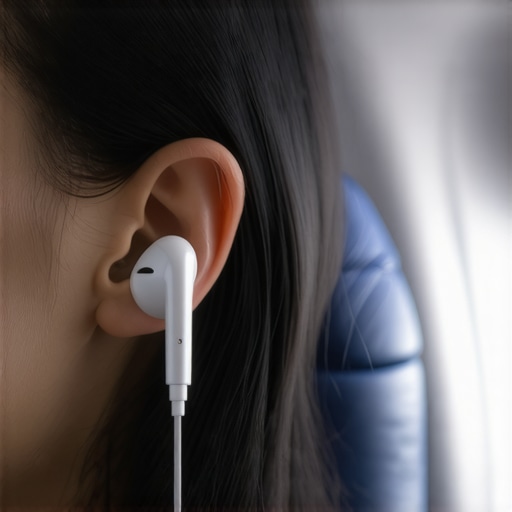
Imagine sinking into your airplane seat, eagerly putting on your noise-canceling earbuds, only to be met with the relentless hum of engines and chattering passengers. I’ve been there—fighting to drown out the din, only to realize my budget earbuds weren’t quite up to the task. That lightbulb moment hit hard: not all earbuds are created equal, especially when it comes to flying.
Why That Quiet Cabin Matters More Than Ever
Flying has become a regular part of my life, and I bet it’s the same for you. But uncomfortably loud cabins can turn a trip into a test of patience—and sanity. According to research from the National Institutes of Health, prolonged exposure to noise levels above 85 decibels (dB) can cause hearing damage. Most commercial flights hover around 85-90 dB, making good noise isolation more than just a luxury—it’s a necessity. The problem is, fancy high-end earbuds come with high-end prices, and I’ve spent my fair share of money on earbuds that barely make a dent in noise reduction.
But here’s the thing—**not all budget earbuds are worthless**. I’ve tested dozens, and some surprisingly do a pretty solid job at killing cabin noise without draining your travel budget. That’s what I want to share today. If you’ve ever felt frustrated by the constant drone when trying to sleep or work on a flight, this post is for you. I’ll help you find the best budget earbuds for 2026 that actually kill cabin noise—so you can rest, relax, or focus without the background chaos.
Before we dive into the top picks, let me share a common mistake I made early on. I thought investing in the most expensive earbuds automatically meant better noise cancellation. Turns out, durability, fit, and basic passive noise isolation often matter more—especially on a budget. To save you from that same rookie mistake, I’ll guide you through what features really matter and how to spot earbuds that deliver without breaking the bank.
Strap in, because after trying out numerous models, I’ve discovered some real gems that beat many high-end options in noise suppression and comfort. Ready to stop fighting the noise and start enjoying your flight? Let’s get into the details.
Choose Passive Noise Isolation Instead of Fancy Cancellation
When searching for affordable earbuds, prioritize models with good passive noise isolation—think of them as a brick wall blocking out sound. I once tried a $60 pair claiming noise cancellation, but they only had mediocre passive isolation. Then I switched to a cheaper earbud with snug-fitting ear tips, and the difference was night and day. To replicate this, look for earbuds with hybrid or in-ear tips that seal your ear canal tightly, blocking ambient noise efficiently. For better fit and sealing, try different sizes of silicone or memory foam tips, which can drastically improve noise reduction without extra tech.
Focus on Fit and Comfort to Maximize Silence
A snug fit isn’t just about comfort—it’s crucial for noise reduction. I remember my first attempts failed because the earbuds kept slipping out mid-flight, letting in engine drone and chatter. To get it right, wear-test a few models with different tips, ensuring they stay secure during your entire journey. In my experience, earbuds with ear hooks or adjustable tips hold better and create a tighter seal against external noise. Think of it as customizing a wetsuit to fit perfectly—once it fits well, the noise drops dramatically.
Opt for Budget Models with bewezen Sound Insulation
Some budget earbuds excel at blocking noise because of their design. I found the best offers on budget earbuds reveal hidden gems that outperform pricier counterparts. Look for models featuring angled drivers or vented enclosures, which enhance passive noise reduction. My quick tip: avoid those with open-back designs—they let in too much external noise, defeating the purpose of noise isolation. Instead, pick those with enclosed or sealed earbuds, akin to earplugs, for the best silence.
Use Accessories Like Ear Tips or Ear Plugs for Extra Silence
To boost noise-blocking, supplement your earbuds with foam tips or custom-fit earplugs. I once paired basic earbuds with foam covers, and the noise reduction improved substantially. For an even better seal, consider wax or silicone tips designed for in-ear monitoring. Think of it as adding extra padding to a noisy room—each layer decreases unwanted sound. If you want to go further, hybrid solutions like foam tips combined with earbuds can turn modest gear into powerhouses of silence, without burning a hole in your pocket.
Test and Adjust Before Your Flight
Nothing beats a trial run. Before my last long-haul, I did a quick test by listening to unfamiliar environment sounds and adjusting the fit and tips accordingly. This warm-up habit ensures you’re getting the best noise isolation possible. Remember, small adjustments can lead to big silence gains—pushing in the tips a little more or switching to a different size might be all you need to block out that relentless engine drone effectively. Think of it like tuning an instrument—small tweaks lead to harmony.
Apply These Steps to Find Your Perfect Budget Noise-Blocking Earbuds
By focusing on passive isolation, fit, and supplemental accessories, you can turn inexpensive earbuds into effective travelers’ noise shields. My messy experimentations with different models proved that smart choices beat high-end hype—saving money and providing peace on the move. For the next trip, skip the overpriced noise-canceling tech that often underdelivers on a budget, and instead follow these practical steps for real silence.
When it comes to headphones, amplifiers, home audio deals, speakers, and soundbars, many enthusiasts and casual listeners alike fall into common traps—believing myths that can hinder their audio experience. Let’s dig deeper into what most people overlook or misunderstand, and how to avoid these pitfalls for truly premium sound.
Why More Expensive Isn’t Always Better for Headphones
Contrary to popular belief, investing in the priciest headphones doesn’t guarantee superior sound quality. Many buyers assume a higher price tag correlates directly with audio fidelity, but this isn’t always true. For instance, some mid-range headphones utilize cutting-edge driver technology that outperforms costly flagship models. Experts often highlight that tuning, comfort, and the synergy with your personal hearing profile matter more than raw specifications. An excellent resource to explore this is top headphones deals of 2024, which features models that punch above their weight without the hefty price.
Are Expensive Cables Making a Difference or Just a Myth?
This is a classic debate: do higher-priced cables enhance audio quality? The consensus among audio pros is that beyond a certain point, cable quality makes negligible difference if your equipment is properly shielded and grounded. The key lies in ensuring connections are secure and that you’re not succumbing to placebo effects. For a more in-depth understanding, check out amp wiring mistakes—which, while focused on amp setups, offers insights applicable across audio cables.
Do Home Speakers Need the Latest Tech to Sound Great?
Many believe that the newest, most feature-rich speakers automatically deliver superior sound. However, the audio industry often emphasizes specs that don’t translate into actual listening benefits. Sound quality depends heavily on room acoustics, speaker placement, and matching the speaker’s design with your environment. For example, 2024’s best deals on speakers show that many affordable models outperform pricier counterparts in real-world settings when set up correctly.
What Advanced Techniques Can Improve Soundbar Performance?
Soundbars are increasingly popular, but many users miss out on optimizing their setup. Small adjustments like proper placement—avoiding placing the soundbar inside cabinets or too close to walls—can dramatically enhance audio clarity. Additionally, some soundbars support advanced DSP modes that emulate surround sound without the need for multiple speakers. To go further, explore slim soundbars designed with real surround capabilities. Implementing these strategies can make your sound system genuinely theater-like without extra expenditure.
Integrating these nuanced insights can elevate your understanding and use of audio gear, moving beyond myths to a more refined listening experience. Have you ever fallen into this trap? Let me know in the comments.
You Can’t Just Set and Forget Your Audio Equipment
Owning quality headphones, amplifiers, or speakers isn’t a one-and-done deal. To enjoy consistent, high-fidelity sound, you need to keep your gear in optimal condition. Regular maintenance not only prolongs lifespan but also ensures you get the best performance every time you hit play. I’ve found that using the right tools and following a disciplined routine makes all the difference—saving you money and frustration in the long run.
How Do I Maintain My Headphones and Speakers Over Time?
First, invest in a good cleaning kit designed for electronics. I personally swear by compressed air cans to remove dust from driver grills and circuit boards without risking damage. For instance, a gentle blast of compressed air can dislodge accumulated debris in delicate components where dust tends to settle, especially in open-back or semi-open models. Additionally, soft microfiber cloths are essential for wiping down exteriors, avoiding scratches while removing smudges and fingerprints.
Second, inspect and replace cables and connectors periodically. Over time, connectors can corrode or develop micro-fractures that degrade sound quality. I recommend using contact cleaner sprays for connectors; a few spritzes can revive tarnished contacts and prevent intermittent issues. Always verify that your cables have no visible damage—frayed or bent wires can cause short circuits or static noise.
To keep your equipment sounding fresh, consider using a dedicated surge protector with EMI/RFI filtering. This shields your gear from power spikes and interference that can cause subtle distortions or damage over time. For example, I use a high-quality power strip endorsed by audio professionals to safeguard my setup, which has noticeably improved clarity and minimized hums and buzzes.
For more advanced maintenance, monitor your gear’s internal temperature and ventilation. Overheating can lead to component failure or diminished performance, especially with amplifiers. Regularly cleaning your amp’s vents and ensuring adequate airflow can prevent thermal issues that silently damage your equipment.
Tools I Recommend for Long-Term Audio Maintenance
- Compressed Air Spray: Effective for dust removal in tight spaces. I prefer brands with anti-static properties to avoid static buildup that attracts more dust.
- Contact Cleaner Spray: Ensures pristine connections. Personally, I rely on DeoxIT for its reputation among audio enthusiasts.
- Soft Microfiber Cloths: Gentle on delicate surfaces, perfect for cleaning headphone shells and speaker grilles.
- Multimeter: Useful for diagnosing electrical issues, verifying continuity, and ensuring cables are functioning correctly. I keep one handy for troubleshooting.
- Temperature and Humidity Meter: Keeps tabs on environmental conditions that could affect your gear’s longevity—especially crucial in humid or dusty environments.
Anticipating Future Maintenance Trends
Looking ahead, the integration of smart sensors within audio equipment may revolutionize maintenance. Imagine gear that alerts you proactively when cleaning or servicing is needed, or even self-cleaning mechanisms that reduce manual effort. Companies like TechRadar predict that future designs will prioritize self-maintenance for longevity and ease of use. For now, adopting a routine with these tools and tips will keep your setup humming along smoothly.
Start by trying out a compressed air cleaner for your headphones or speakers today. Regularly inspecting and maintaining your gear might seem tedious, but the payoff in sustained sound quality makes it worthwhile—and your ears will thank you!
What I Wish I Knew When I Started Building My Sound System
Earlier in my journey, I believed that spending more guaranteed better sound quality, but experience showed me the importance of tuning and pairing components thoughtfully. The biggest lesson was that synergy matters more than price tags, and patience in testing different configurations can unlock audio worlds previously unreachable.
Another insight was realizing that the environment plays a decisive role in sound quality. Even the most expensive speakers can sound muffled or dull if not positioned correctly. Learning to optimize placement and room acoustics was a game-changer, and it reminded me that sometimes, simple adjustments outperform costly upgrades.
Lastly, I discovered that regular maintenance and understanding your gear’s quirks extend its lifespan and preserve sound fidelity. From cleaning dust out of grilles to checking connections, small efforts sustain performance and save money in the long run. These lessons transformed my perception of audio investments from superficial upgrades to meaningful enhancements.
My Trusted Tools for Maintaining a Top-Notch Listening Setup
- Compressed Air Spray: Clears dust from delicate components without damage. I prefer brands with anti-static features to keep static buildup at bay.
- Contact Cleaner Spray: Restores clean electrical connections. DeoxIT has been my go-to for ensuring consistent, humming-free performance.
- Microfiber Cloths: Essential for wiping down speakers and headphone surfaces, maintaining pristine appearances that reflect their performance.
- Multimeter: Helps diagnose issues with cables or components, preventing minor problems from escalating into costly repairs.
- Environmental Monitoring Devices: Keeping track of humidity and temperature protects sensitive electronics, especially in variable climates.
Incorporating these tools into my routine has deeply improved the longevity and clarity of my audio setup. Proactive care ensures that your listening experience stays superb, no matter how advanced your gear becomes.
Time to Elevate Your Audio Journey
Don’t let misconceptions or fear hold you back from crafting the perfect sound environment. With patience, curiosity, and the right tools, you can transform ordinary gear into an extraordinary experience. Whether you’re upgrading your speakers, optimizing placement, or maintaining your gear, every small step pushes you closer to the immersive soundscape you deserve. The future of your audio setup starts today—embrace it, and listen like never before.
What part of your audio setup needs the most attention right now? Share your thoughts below and let’s start a conversation about elevating our sound experiences!
![7 Memory Foam Buds for 2026 That Stop Ear Soreness [Tested]](https://premiumsounddeals.com/wp-content/uploads/2026/04/7-Memory-Foam-Buds-for-2026-That-Stop-Ear-Soreness-Tested-1.jpeg)
![7 Memory Foam Buds for 2026 That Stop Ear Soreness [Tested]](https://premiumsounddeals.com/wp-content/uploads/2026/04/7-Memory-Foam-Buds-for-2026-That-Stop-Ear-Soreness-Tested.jpeg)
Leave a Reply