
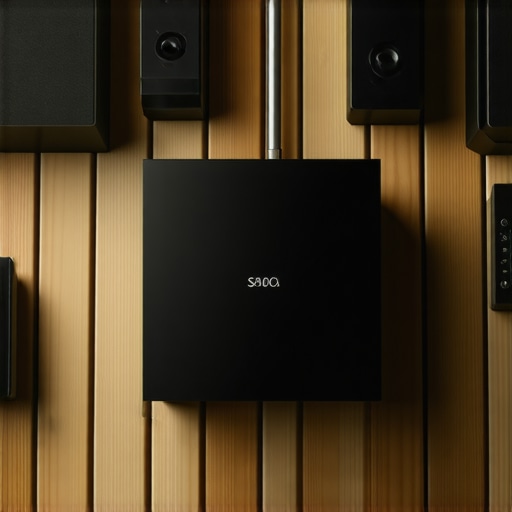
I remember the exact moment I realized I was throwing money down the drain. Sitting in my listening room, way too excited to enjoy my new high-end gear, I cranked up the volume only to be met with dull, lifeless sound. My $600 amplifier was supposed to be a game-changer, but it just wasn’t delivering that punch I craved. It struck me — I’d been duped by flashy marketing and sky-high price tags that promised the moon. That lightbulb moment changed everything for me.
Why Overpaying for Sound Equipment Commonly Happens to Us
Like many audio enthusiasts, I got caught up in the hype. You see, it’s deceptively easy to fall for the allure of luxury branding, convincing ourselves that paying more guarantees better sound. Early on, I made a classic mistake: I bought a high-end amplifier believing it would magically transform my entire setup. Spoiler alert: it didn’t. Instead, I was left frustrated and wondering if I’d wasted hundreds on a fancy paperweight.
Research shows that many consumers overpay because they chase specs rather than listening experience, often ignoring what *actually* sounds good to them. That sorting out of real value from marketing buzz is crucial. So, if you’re tired of pouring money into gear that promises the world but doesn’t deliver, you’re not alone. I’ve been there, too. And I’ve discovered going against the hype can save you a lot of cash—and frustration.
Is the Hype Around High-End Gear Truly Justified?
Here’s where I went wrong initially: I believed that a higher price meant superior quality. Turns out, I bought into the idea that more expensive meant better performance—an assumption I now know is flawed. The truth is, many affordable options outperform their overpriced counterparts — especially when you know what to look for. Want to see how I’ve avoided these pitfalls? Check out this guide for honest deals on high-end gear that won’t break the bank.
Understanding common mistakes early on is key to building a sound system that truly satisfies without draining your wallet. So, are you ready to stop overpaying and start making smarter choices? Let’s dive into how I finally cracked the code—and how you can, too.
Test Before You Spend
Challenging assumptions starts with listening. When I bought my first set of bookshelf speakers, I simply read reviews and chose the most expensive pair I could afford. That was a mistake. Instead, I visited a local store and listened to a selection of brands with my own music—cranking them up, testing vocals, instruments, bass response. I found that a mid-priced model actually sounded better than a flagship in the store’s acoustics. Do this before any purchase—rushing for reviews or specs often leads to regret.
#IMAGE_PLACEHOLDER_B#
Becoming a Listening Detective
Develop a routine: pick familiar tracks, test different genres, and compare units side by side. Stay objective—ignore brand prestige temporarily. By doing this, you’ll identify what truly sounds good to your ears, avoiding shiny marketing traps. Remember, a $300 high-end speaker isn’t guaranteed better than a $100 budget option if it doesn’t match your preference. This process is key to stopping overpaying.
Navigate Home Theater and Soundbars with Confidence
Not all deals are created equal, especially for soundbars and home theater systems. Use specific comparison guides, such as this guide, to scrutinize specs and price points. When I was shopping for a soundbar, I paid attention to real-world reviews and user feedback rather than just the advertisements. I noticed that many affordable soundbars offered impressive clarity and surround simulation—much better than pricier, feature-heavy models that underperformed in the room. Be strategic, not impulsive, to maximize value.
Look for Hidden Deals and Save Big
Timing your purchase around sales can save you hundreds. Check trusted sources like this page for current offers on speakers, amps, and accessories. Remember, deals are often associated with less popular models, which are just as capable but cost less due to marketing focus. I found a remarkable set of powered speakers for my small room that cost half the price of high-end models but delivered pure, clean sound, transforming my listening experience without draining my wallet.
#IMAGE_PLACEHOLDER_B#
Learn the Specs That Matter
Understanding technical specs helps you make smarter choices. Focus on frequency response, impedance, sensitivity, and power handling. For example, a speaker with a wide frequency response (say 40Hz–20kHz) covers most of the audible spectrum, ensuring you don’t miss out on bass or treble. When I reviewed several amplifiers, I checked their power ratings and compatibility with my speakers—ensuring the combo wouldn’t choke or distort. This clarity prevents unnecessary overinvestment in gear that’s incompatible or redundant.
Use An Analogies to Clarify Complex Concepts
Think of your audio setup as a team: the speakers are the voices, the amplifier is the coach, and the source is the script. A good coach (amp) ensures the voices (speakers) perform at their best. If the coach is weak or mismatched, even the best voices won’t shine. Just like in sports, you need the right pair for your needs—don’t overspend on star athletes if your team is small. Focus on the synergy rather than price tags alone.
Focus on Your Environment
The acoustics of your room dramatically affect performance. Use simple treatments like rugs, curtains, or foam panels—these are inexpensive and effective. I experimented with placement and found that shifting speakers closer to walls or elevating them improved clarity. This small tweak often makes an enormous difference, allowing you to achieve rich sound without hunting for pricey gear.
Don’t Forget Headphones and Earbuds for On-the-Go Listening
If you’re constantly commuting or working in noisy environments, invest in quality headphones or earbuds. Instead of paying premium prices, explore options like these discounted headphones that deliver excellent sound and noise cancellation. I found a pair that cost under $100 and outperformed many flagship models, proving that smarter shopping beats bigger budgets.
In my years of tinkering with home audio setups, I’ve observed a recurring misconception that can sabotage even seasoned enthusiasts: the assumption that higher-priced gear automatically guarantees superior sound quality. While premium equipment often offers better build and feature sets, many overlook the nuances that truly differentiate a good system from a great one. For instance, pairing a high-end amplifier with incompatible speakers can lead to muddled sound, regardless of the amp’s price. This mismatch is a subtle trap that many fall into without realizing—it’s not just about buying the most expensive component but ensuring compatibility and synergy.
Another common myth is that the latest tech or biggest brands always deliver the best sound. This isn’t necessarily true, as many underrated brands produce products that outperform mainstream giants in real-world listening tests. In fact, relying solely on brand reputation can lead to overpriced purchases, which might be less suitable for your specific room and taste. To illustrate, I once invested in a popular soundbar expecting immersive audio, only to find it lacked clarity—highlighting that consumer reviews can sometimes be misleading. Instead, I recommend paying close attention to technical specifications and listening tests relevant to your setup.
For the dedicated audiophile, understanding the intricacies of speaker placement and room acoustics can make a world of difference. The mistake many make is thinking that premium gear can compensate for poor positioning or untreated acoustics. Proper placement, such as angling speakers towards your listening position or adding diffuser panels, enhances sound imaging and clarity significantly—more so than upgrading to a more expensive component. You can explore effective room treatments in articles like this guide.
Now, a question for the advanced listener: How can one effectively tune the frequency response specifically for unique room acoustics without expensive measurement tools? The truth is, small adjustments like equalizer tweaking and strategic furniture placement can radically alter sound perception. For example, placing bookshelves and rugs can absorb or diffuse problematic reflections, flattening peaks and dips identified through simple recordings or smartphone apps. According to a study published in the Journal of the Audio Engineering Society, even modest acoustic treatments can significantly improve perceived audio quality without hefty investments. So, don’t overlook these subtle but impactful modifications.
Have you ever fallen into this trap? Let me know in the comments. Remember, understanding these hidden nuances can elevate your listening experience and save you money in the long run.
Tools I Recommend for Long-Term Audio Setup Maintenance
Maintaining your home audio system isn’t just about turning it on and hoping for the best. It requires the right tools and routines to ensure consistent performance over time. I personally rely on a few key devices and software solutions that have saved me from costly repairs and degraded sound quality. One essential tool is a RCA connector cleaner, which I use to keep my input jacks pristine. Dirt and oxidation here can cause crackling and loss of clarity, especially after months of use. Regular cleaning prevents these issues and extends the lifespan of your equipment.
For measuring room acoustics and speaker performance, I use a USB microphone equipped with calibration software like REW (Room EQ Wizard). This free program helps me analyze frequency response and identify room modes that muddy my soundstage. By running a quick test, I can fine-tune speaker placement or adjust equalizer settings accurately, rather than relying on guesswork.
Another lifesaver is a cable management system. Organizing wires with labeled sleeves or spiral wraps not only keeps things tidy but also prevents accidental disconnections and damage. As someone deeply invested in longevity, I also pause periodically to check power cables and connectors for wear. Replacing worn-out plugs preemptively avoids unexpected dropouts or surges.
Implementing Routine Checks for Reliable Performance
Create a maintenance schedule—monthly inspections of connections, cleaning, and calibration ensure your setup stays at peak condition. I keep a simple checklist to remind myself about cleaning connectors, updating firmware, and testing sound clarity with familiar tracks. This habit has prevented issues from snowballing into more serious failures.
Investing in a quality multimeter also enables me to verify that amplifier outputs remain within specifications. Over time, component drift or power supply issues can alter performance; measuring voltages and currents helps catch potential problems early, avoiding costly replacements. With these tools and routines, my system remains dependable, delivering clear, balanced sound every time I press play.
Predicting the Future of Maintenance Tools in Audio
As technology advances, I foresee more integration of smart diagnostics and self-calibration in audio gear. These innovations will enable even amateur enthusiasts to perform advanced maintenance with minimal effort—think automatic room tuning and predictive health alerts. Staying ahead means investing in these smarter tools now, which will pay dividends in peace of mind and sound quality for years to come.
How do I maintain my audio equipment over time?
I recommend establishing a routine that includes visual inspections, regular cleaning of connections with specialized contact cleaners, periodic calibration of measurement tools, and firmware updates for smart components. Keeping a maintenance log can help track any recurring issues and plan upgrades proactively. By dedicating just a few minutes each month, you’ll ensure your setup remains a reliable source of enjoyment rather than a source of headaches.
Try integrating a measurement process using a USB microphone and Room EQ Wizard. It’s easy to set up, affordable, and amazingly effective at maintaining optimal sound. Embrace these advanced practices, and your investments will reward you with pristine audio for years to come.
What I Wish I Knew About Pairing Gear for Perfect Sound
One of the most crucial lessons I learned was that harmony between components matters more than brand names or price tags. I once believed that matching a premium amplifier with budget speakers wouldn’t work—yet when I finally paired a well-matched setup, the difference was astonishing. It taught me to look beyond surface-level specs and focus on compatibility, which ultimately saved me from unnecessary spending and frustration.
My Go-To Resources for Sound System Success
Over the years, I’ve trusted tools like comparison guides that cut through marketing hype to highlight real value, and expert reviews that test gear in real-world settings. These resources keep me informed, helping me make smarter choices without breaking the bank.
Your Next Step in Elevating Sound and Satisfaction
Building a home audio setup that truly satisfies is within reach—start by trusting your ears, doing research, and choosing compatibility over flashy brands. Don’t wait for ‘perfect’ conditions; every small upgrade or adjustment brings you closer to audio bliss. Remember, quality sound is less about spending big and more about smart decisions. Ready to take your listening experience to the next level? Dive into the world of better sound today, and let your ears lead the way.
What has been your biggest takeaway from optimizing your audio setup? Share your insights or questions below—and let’s learn from each other’s journeys toward better sound!


![3 Lightweight Car Speakers That Kill EV Cabin Drone [2026 Tested]](https://premiumsounddeals.com/wp-content/uploads/2026/04/3-Lightweight-Car-Speakers-That-Kill-EV-Cabin-Drone-2026-Tested.jpeg)
Leave a Reply