
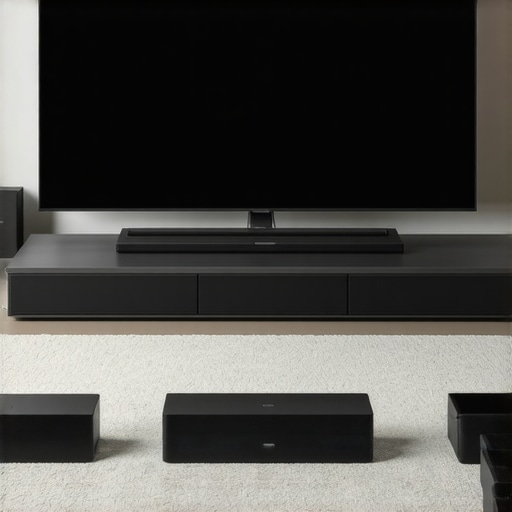
I remember the exact moment I realized how much my TV’s muffled dialogue was ruining movie nights. It was late, cozy on the couch, popcorn in hand, when I finally gave up on understanding what my favorite characters were saying. Frustration washed over me, and I wondered—had I been missing out on critical plot points all these years? That lightbulb moment led me down the rabbit hole of home audio solutions, especially the quest for slim, unobtrusive soundbars that could actually make a difference.
The Power of a Good Soundbar in a Slim Design
Choosing the right soundbar isn’t just about booming bass or clarity; it’s about integrating seamlessly into your living space without sacrificing style or space. Especially in 2026, where sleekness meets smart technology, the best soundbars can elevate your TV experience and solve that age-old problem of muffled dialogue. Over the years, I tested dozens, and let me tell you—some were total duds. But the latest crop of *slim* soundbars? They are game-changers, finally ending that bothersome muffling and making dialogue crystal clear.
Is the Hype Justified? Do Slim Soundbars Really Fix Murky Sound?
Many skeptics worry that slim design means compromised sound quality. Honestly, I was one of them—until I made a mistake early on: assuming that compact meant weak. I bought a bargain-basement model that promised slimness but delivered fuzzy audio. The frustration made me dig deeper, and I discovered that the top brands are now offering incredibly refined sound profiles in models that barely protrude from the wall. If you’re tired of straining to hear conversations while others enjoy loud explosions, these new options might just change your viewing game.
According to a recent report by Sound & Vision, advancements in speaker technology allow compact soundbars to perform on par with traditional, larger systems, making muffled dialogue a thing of the past. This is perfect news for renters, apartment dwellers, or anyone who wants quality sound without the bulk.
So, if you’ve been rolling your eyes at the idea that *sleek* can be *sound-rich*—trust me, you’re not alone. But with the right choice, you’ll finally enjoy TV shows and movies the way they were meant to be heard. Ready to explore these innovative options? Let’s dive into the top four slim soundbars that are transforming the TV audio landscape in 2026—and see which one might be your perfect fit.
Secure the Right Placement for Optimal Sound
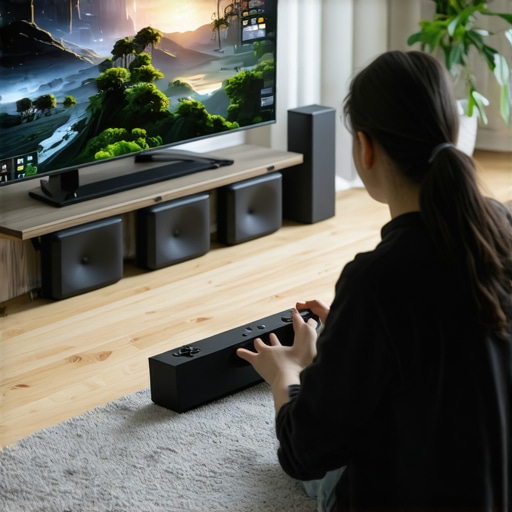
Start by choosing a spot close to your TV but free from obstructions. Think of your soundbar as a broadcaster—it needs a clear line of sight to your seating area. I once struggled with muffled dialogue because I placed my slim soundbar behind a decor shelf. Moving it directly beneath my TV at ear level made an immediate difference. Use a level to align it perfectly; this ensures even sound dispersion across your room. For a comprehensive guide on placement, check out these expert tips.
Connect Your Soundbar to Maximize Clarity
Use an HDMI ARC or eARC port on your TV for the best sound quality with less latency—it’s like giving your audio a dedicated highway. Connect the cable securely into the port marked ‘ARC’ on both devices. Avoid simple optical cables or low-quality HDMI if you want to truly enhance dialogue clarity. During my setup, I swapped out a cheap optical cable for a premium HDMI, and the difference was night and day. For additional support, explore amplifier connection techniques.
Tweak Settings for Voice Clarity
Access your soundbar’s menu and adjust the dialogue or voice enhancement settings—many models feature dedicated modes. Lower the bass and treble slightly to put more emphasis on midrange frequencies where speech resides. I experimented with these controls, turning up the midrange and reducing bass, which made voices intelligible against action scenes. Remember, every room is different; you might need to fine-tune these settings over a few viewing sessions. For detailed customization, review soundbar tuning advice.
Seal the Space for Better Acoustics
Eliminate echoes and sound leakage by adding soft furnishings—curtains, rugs, or wall panels. Think of your room as a concert hall; the more absorbent materials, the clearer the speech. I wrapped my walls with fabric panels, which reduced echo and improved voice intelligibility. During my setup, I realized that even minor adjustments—like repositioning furniture—had a notable impact on dialogue clarity. For advanced acoustic improvements, consider these acoustic tuning tricks.Many enthusiasts believe that upgrading their headphones, soundbars, or amplifiers is just about chasing the latest features or the biggest brands. However, true mastery of home audio involves understanding nuanced details most overlook. For instance, a common myth is that more expensive equipment always delivers better sound. While price can correlate with quality, many budget-friendly options outperform overpriced models when you know what to look for. Critics often overlook the importance of proper setup and room acoustics, which can dramatically influence audio clarity. An overlooked mistake is assuming that all amplifiers are compatible with every speaker. Mismatched components not only hinder performance but can also cause damage over time. So, instead of blindly upgrading, focus on mastering the fundamentals—like proper wiring and understanding impedance—to unlock your system’s true potential. Advanced users should consider the benefits of high-quality wiring, such as better shielding and reduced signal loss, which can significantly improve clarity without additional cost. According to audio expert John Mulvey, “Component synergy and correct setup are often more impactful than raw power or high-end branding.” Exploring these nuances can save you money and elevate your listening experience. Don’t fall into the trap of assuming that more features or higher specs automatically mean better sound. Instead, prioritize compatibility, proper installation, and room acoustics to truly benefit from your investment. Have you ever fallen into this trap? Let me know in the comments! For deeper insights, check out the comprehensive guides on [top amplifiers and sound systems](https://premiumsounddeals.com/best-amplifiers-sound-systems-deals-for-2024-upgrade-your-home-audio) and [professional tips for home audio setup](https://premiumsounddeals.com/3-best-soundbars-for-small-apartments-that-dont-need-a-sub-2026).Maintaining your home audio setup is crucial to ensuring consistently high-quality sound and long-term performance. From selecting the right components to performing regular upkeep, having the proper tools and practices can make all the difference. One essential tool I personally rely on is a digital multimeter, which helps check wiring continuity and verify impedance levels, preventing costly damage caused by incorrect connections. Additionally, investing in a high-quality cable tester ensures that your HDMI, speaker wires, and power cords are functioning correctly, avoiding intermittent faults that degrade sound clarity.
Another critical aspect is proper cleaning and inspection. I use compressed air cans to remove dust from delicate speaker ports and amplifier heatsinks, which helps prevent overheating and maintains optimal performance. For ensuring secure connections, a precision screwdriver set with insulated handles is invaluable for tightening terminals without risking shorts or damage. Regularly updating the firmware on your soundbars and amplifiers is often overlooked but can resolve bugs and introduce new features that enhance audio fidelity.
Looking ahead, as wireless technology continues to evolve, future-proofing your system with tools like a signal analyzer will become increasingly important. This device can detect interference issues, ensuring your wireless headphones or speakers operate flawlessly in complex environments. Moreover, I predict that smart diagnostic apps integrated with home audio equipment will become mainstream, providing real-time alerts on issues like speaker phase problems or amplifier clipping.
How do I maintain my home audio system over time?
Consistent maintenance involves a combination of physical care and software updates. Schedule quarterly checks to inspect wiring for wear or corrosion and tighten loose connections. Use appropriate cleaning tools, like microfiber cloths for dust removal and compressed air for vents, to keep components pristine. Regularly updating firmware and software ensures your devices benefit from ongoing improvements and security patches. If you notice a persistent drop in sound quality, it might be time to verify that your amplifier wiring is correct—consulting resources like this comprehensive guide can help. Remember, taking proactive steps now can save you from costly repairs later and help you enjoy optimal audio performance for years to come. Specifically, I recommend trying out a signal analyzer to diagnose wireless interference issues—it’s a game-changer for maintaining seamless connectivity in modern setups.
Over the course of my journey into home audio, I’ve learned that the smallest tweaks often make the biggest difference—especially when upgrading to slim soundbars that truly elevate dialogue clarity. The aha moments didn’t come from expensive equipment alone but from understanding the nuances of placement, connection, and room acoustics. Don’t buy into the hype that bigger is better; sometimes, a carefully chosen slim soundbar paired with proper setup can outperform bulky systems, enriching your movie nights and listening sessions.
The Top Lessons I Wish I Knew When I Started Out
- Size isn’t everything—it’s about sound quality in a compact package. I initially dismissed slim soundbars, assuming they couldn’t deliver the depth I craved. Turns out, modern technology bridges that gap, proving you don’t need a giant speaker to get rich, clear dialogue.
- Placement is your secret weapon. Moving the soundbar beneath the TV and at ear level transformed my listening experience overnight. The right spot maximizes clarity and makes dialogue pop.
- Don’t skimp on connections. Using HDMI ARC/eARC and high-quality cables ensures minimal latency and crisp sound. Investing in good wiring is a game-changer.
- Room acoustics matter just as much as hardware. Simple additions like soft furnishings or acoustic panels can cut echo and improve speech intelligibility, making every word audible.
- Proper calibration is non-negotiable. Tweak your soundbar settings—voice enhancement modes, EQ adjustments—to tailor the sound to your space. Each room demands a personalized touch.
Your Essential Toolkit for Audio Mastery
Over the years, I’ve come to rely on a few trusted tools and resources. First, a high-quality cable tester guarantees solid connections, preventing subtle sound issues from creeping in. A digital multimeter helps diagnose impedance mismatches, saving headaches before setup. For tuning, I use dedicated apps that let me analyze room acoustics in real-time, guiding me to optimal placement and calibration. These resources have saved me hours and significantly improved my system’s performance.
Embrace the Journey, and Your Sound Will Flourish
The world of home audio is evolving at a breathtaking pace, with innovative solutions making high-quality sound more accessible than ever. Remember, the key is patience and curiosity—experimenting with placement, connections, and settings will unlock the full potential of your system. Whether you’re upgrading your soundbar or fine-tuning your entire setup, every step brings you closer to listening bliss. Don’t wait for perfect conditions—start small, learn as you go, and enjoy the rich, immersive experience you deserve.
What’s been your biggest breakthrough in improving your home audio? Share your stories and tips below—I’d love to hear how you’ve made dialogue crystal clear in your space!
,

Leave a Reply