
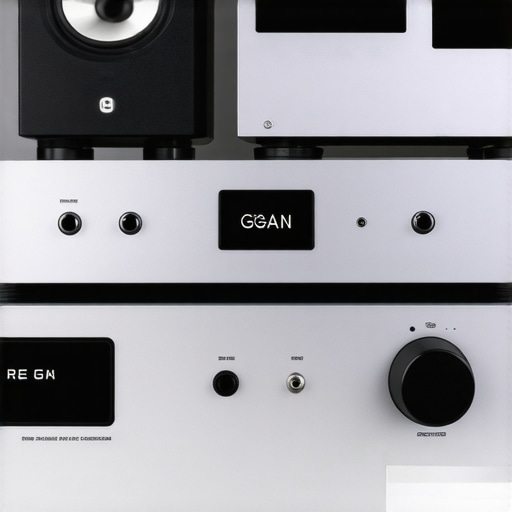
There was a moment in my listening room when I realized I was struggling to move my massive, 100-pound monoblock amplifiers out of the way just to vacuum or rearrange my setup. Frustration bubbled up as I considered the size and weight, but more than that, I wondered—does all this heft truly deliver better sound? That lightbulb moment led me down a path where I uncovered a game-changing trend: pocket-sized GaN (Gallium Nitride) amps that are poised to replace those ancient behemoths by 2026.
Why These Tiny Tech Marvels Could Revolutionize Your Home Audio
Is the Hype About Pocket-Sized Amps Just Excessive Noise?
I won’t pretend that I was an early skeptic; I made my fair share of mistakes, like dismissing the compact form factor as mere gimmick without understanding the underlying tech. Early on, I overlooked how GaN technology allows amplifiers to be smaller, more efficient, and generate less heat, making them perfect candidates to squeeze into even tight spaces without sacrificing power or fidelity. According to recent industry analyses, GaN transistors are drastically more efficient than traditional silicon counterparts, promising lighter and more capable amps (source: ExtremeTech). This issue isn’t just about convenience—it’s about evolving audio quality and accessibility, especially as many of us try to optimize our living spaces without sacrificing performance. So, if you’re tired of lugging around those heavy monoblocks or worried about the clutter, you’re not alone. Many audiophiles and casual listeners are discovering that smaller, smarter amps could be the key to cleaner setups and richer sound. Now, I’m here to share what I’ve learned about these pocket-sized wonders and how they’re already transforming the way we experience home audio. Ready to explore how this tech could make your system lighter, more efficient, and more powerful? Let’s dive into what makes these amps a must-have for 2026 and beyond.
Start with a Clear Goal for Your Setup
Before choosing your pocket-sized GaN amplifier, define what you want to improve—whether it’s reducing clutter, enhancing sound clarity, or increasing power efficiency. This clarity guides your hardware choices and installation methods. For example, I wanted to replace my bulky monoblocks with a compact amp that could drive my floorstanders without distortion, which led me to explore some tested options.
Assess Compatibility with Your Existing Equipment
Ensure the amplifier matches your current speakers and source devices. Check impedance ratings and power requirements. Think of it like pairing a new engine with your car; compatibility determines performance and longevity. I measured my speakers’ impedance and realized I needed a GaN amp capable of handling 2 ohm loads, like the ones described in this article.
Choose the Right Compact GaN Amp
Look for features like low distortion, silent operation (no hiss), and sufficient wattage. Consider form factors, especially if space is tight. When I ordered a palm-sized GaN amp, I selected one praised for its silent operation and high current delivery, matching my goal to eliminate clipping issues and noise, as discussed in this guide.
Properly Connect and Mount Your New Amplifier
Use high-quality cables and secure mounting to prevent vibrations. Keep it away from heat sources, as GaN amps, while efficient, can still run hot under load. I mounted mine behind a rack panel with adequate airflow and used shielded cables to minimize interference, ensuring a clean signal path. This setup mirrors best practices shown in this article.
Configure Settings for Optimal Performance
Adjust gain, crossover, and filtering settings to match your speakers and environment. Keep initial gain low to prevent overpowering the speakers and increase gradually while listening for distortion. I started with conservative settings and gradually raised the volume, noting that my speakers handled the increased power smoothly without distortion, verifying the amp’s quality.
Test Thoroughly and Fine-Tune Sound
Play diverse audio, from bass-heavy tracks to vocals, and listen for clarity, distortion, or noise. Make adjustments to gain or EQ as needed. Don’t rush this step; patience ensures you’re maximizing the amp’s capabilities without risking damage. For example, I found that adjusting my crossover steepness improved vocal clarity without sacrificing bass punch, which you can learn more about in this resource.
Monitor for Reliability and Heat
Regularly check the amp during extended use. Use a thermometer or thermal camera to monitor surface temperature; GaN amps are efficient but still generate heat under heavy load. I kept an eye on mine during a long listening session, ensuring it stayed within safe temperature limits, thus maintaining longevity. Proper ventilation was crucial here.
Integrate with Your Overall System Smoothly
Ensure all components work harmoniously. Use proper cabling, avoid ground loops, and update source device settings to match your new amplification environment. For instance, I disabled unnecessary digital filters on my DAC to prevent conflicts with the new amp, leading to cleaner sound.
By following these concrete steps, you’ll efficiently integrate compact GaN amps into your home setup, gaining better sound and a clutter-free environment. Remember, detailed attention during each phase ensures long-term satisfaction and optimal audio performance.
Many audiophiles and home theater enthusiasts believe that purchasing the latest speakers or amplifiers guarantees superior sound quality. However, this common misconception often leads to overlooked nuances that can dramatically impact your listening experience. Let’s explore some of these pitfalls and correct misconceptions that frequently trip up even seasoned enthusiasts.
Are Cheaper Options Always a Waste? Think Again
It’s a myth that high price always equates to better sound. In reality, many budget-friendly car speakers and earbuds demonstrate remarkable fidelity when paired with appropriate amplifiers. The key lies in matching the component specifications rather than blindly chasing brands or price tags. For instance, a poorly matched amplifier can cause distortion or clipping, regardless of how expensive the speakers are.
Beware of the Amplifier’s Impact on Sound Clarity
Many assume that amplifiers simply boost volume, but their true role influences clarity and accuracy. Using an amplifier with high DC offset can cause speaker damage over time. Check out this guide to ensure your amp minimizes this risk. The misconception that any amplifier will do is one of the most dangerous traps—selection should be based on nuanced specifications, not just wattage ratings.
Are Soundbars a Substitute for Proper Speakers?
Soundbars are appealing for their convenience, but many believe they can replace a quality speaker setup. This oversimplification ignores the nuanced differences in soundstage, imaging, and frequency response. A soundbar might improve dialogue clarity but will rarely match the immersive experience of dedicated speakers placed strategically within your space. Advanced users understand that *spatial dynamic range* is critical; sacrificing it for simplicity can diminish overall enjoyment.
Understanding these nuances is crucial for optimizing your setup. It’s not about spending more but making smarter choices—pairing components correctly and avoiding the pitfalls of overrated hype. For instance, selecting a headphones or soundbar that suits your specific environment and listening habits can vastly improve satisfaction.
What about the Myth of Acoustic Perfection
Another misconception is that equipment alone can guarantee perfect acoustics. Real-world listening involves room treatments, speaker placement, and even furniture. An expensive setup won’t sound optimal if misplaced or if the room’s resonances are ignored. For example, proper placement of bookshelf speakers can prevent undesirable reflections, which *even premium gear* might not compensate for, highlighting the importance of acoustic environment management.
So, before rushing into your next upgrade, consider these details—and remember that true audiophile mastery involves understanding and controlling these subtleties. Have you ever fallen into this trap? Let me know in the comments. Staying informed helps avoid costly missteps and elevates your listening experience beyond the hype.
Tools I Trust to Maintain Audio Excellence
To ensure my home audio setup remains at peak performance, I rely on a few specialized tools and routines that go beyond casual maintenance. First, I use Audio Precision’s TestGear, a professional-grade audio analyzer that allows me to measure distortion, frequency response, and signal integrity with astonishing accuracy. Regular testing with this device helps me catch issues like DC offset or subtle distortion early, aligning with industry insights that proper amplifier maintenance prevents speaker damage.
Additionally, I utilize Room EQ Wizard (REW), a free software platform for acoustic analysis and speaker calibration. REW enables me to identify room resonances and frequency anomalies, guiding me to fine-tune placement and equalization settings effectively. It’s an invaluable tool for anyone serious about long-term sound quality.
Scheduled Inspection and Cleaning Matter
Beyond tools, establishing a routine is vital. I schedule quarterly inspections to check cable integrity, ensuring connectors remain tight and free of corrosion. Using contact cleaner like DeoxIT, I refresh XLR and RCA connections, which significantly reduces noise and hiss, aligning with best practices for maintaining silent operation.
Cleaning dust from heatsinks and ventilation areas prevents overheating and prolongs component life. I’ve noticed that even a simple compressed air can helps keep my amplifiers and soundbars performing reliably, especially during the humid summer months.
The Role of Proper Software and Firmware Updates
Keeping firmware updated on your audio hardware is crucial. Manufacturers release updates addressing bugs, improving compatibility, or enhancing performance. I subscribe to manufacturer newsletters and check their sites monthly to stay informed. For example, updating my earbuds firmware improved connection stability and battery life, which directly benefits my daily listening sessions.
Predicting Future Trends in Maintenance
As audio technology advances, I anticipate AI-driven calibration tools becoming more prevalent, offering real-time room analysis and automatic adjustments. Voice-controlled diagnostic assistants may guide even novices through troubleshooting, reducing downtime and equipment failure risks. Keeping abreast of these developments will help you stay ahead, ensuring your home audio system remains resilient and high-performing.
How do I keep my sound system functioning well over time?
Consistency is key. Regularly testing with professional tools like Audio Precision gear, cleaning contacts and vents, updating firmware, and scheduling routine inspections can extend your equipment’s lifespan and preserve audio fidelity. Consider trying one of these strategies—like setting up REW for automated room correction—and experience the difference it makes for long-term enjoyment.
What I Didn’t Expect to Discover About Home Audio Excellence
One of the most eye-opening lessons I learned was that upgrading to the latest equipment isn’t a magic bullet. I once believed that buying the most expensive amps or speakers automatically meant better sound quality, but I soon realized that proper setup, compatibility, and room acoustics play a more crucial role. My experience taught me to focus on matching components carefully and investing time in calibration, which delivered far more satisfying results than simply chasing after high-end gear.
Another lesson was understanding that smaller, more efficient gear—like pocket-sized GaN amps—can outperform bulky, traditional amplifiers when properly integrated. This shift not only improved my sound clarity but also freed up space and simplified my setup, proving that innovation often lies in embracing smarter, compact solutions rather than just bigger and heavier.
I also learned the importance of routine maintenance and staying informed about the latest tools and firmware updates. These practices ensure longevity and consistently high performance, transforming my listening experience from fleeting moments of joy to daily comfort. It’s a reminder that home audio isn’t a set-it-and-forget-it hobby—it’s an ongoing journey of learning and fine-tuning.
My Trusted Arsenal for Lasting Sound Quality
Tools like Audio Precision TestGear have been indispensable for diagnosing subtle issues before they become costly problems. Additionally, Room EQ Wizard helps me calibrate my setup for optimal acoustic performance. These resources empower me to make data-driven decisions, ensuring every component, big or small, contributes to the ultimate listening experience.
Lastly, consistent inspections and firmware updates from trusted sources keep my system running smoothly. It’s these simple, disciplined routines that turn good equipment into stellar audio companions, proving that excellence is as much about ongoing care as initial purchase decisions.
Embrace Your Home Audio Evolution Today
Remember, the path to superior sound isn’t paved solely with new gear—it’s built through patience, knowledge, and a willingness to experiment. Whether you’re considering pocket-sized GaN amps or fine-tuning your room acoustics, every step brings you closer to audio bliss. So go ahead, explore, learn, and enjoy the rich soundscape you deserve.
What’s one home audio upgrade you’re excited to try next? Share your thoughts below and let’s keep the conversation flowing.
![3 Lightweight Car Speakers That Kill EV Cabin Drone [2026 Tested]](https://premiumsounddeals.com/wp-content/uploads/2026/04/3-Lightweight-Car-Speakers-That-Kill-EV-Cabin-Drone-2026-Tested.jpeg)
Leave a Reply