
It was the worst timing imaginable—I finally found that perfect playlist, the one that makes my daily commute bearable, only to realize my headphones cut out midway through a chorus. Frustration mixed with a little bit of panic. Happens to the best of us, right? But over the years, I’ve learned to recognize the sneaky signs that my headphone battery is gasping its last. Today, I want to share those signs with you, so you’re never caught off guard during your favorite part.
Why Recognizing Battery Warning Signs Can Save Your Listening Experience
Finding out your headphone battery is about to die at a crucial moment is more than an inconvenience—it’s a reminder of how vulnerable we are to tech glitches. Headphones today are sophisticated gadgets, often packed with high-capacity batteries designed to last hours. However, batteries degrade over time, gradually losing their ability to hold a full charge. According to a study by Battery University, lithium-ion batteries used in most consumer electronics degrade by about 20% after 300 to 500 charge cycles. Knowing the early signs can help prevent sudden audio failures and extend the life of your device.
Is Your Headphone Battery Overhyped or Overrated?
Early on, I made the mistake of dismissing the battery warning signs, thinking they were just quirks. That was a costly oversight. If you ignore subtle cues, you risk being stranded with dead headphones when you need them most. Recognizing these signs isn’t just about avoiding inconvenience; it’s about maintaining audio quality and saving money in the long run. Curious about how to tell if your headphones are nearing the end? Let’s dive into the most common signs I’ve relied on to keep my listening smooth and uninterrupted.When your headphones start showing subtle signs of battery decline, taking immediate action can save you from sudden losses of your favorite tunes. First, monitor the charging duration. If your usual two-hour charge now takes longer or the battery drains faster than before, it indicates battery health deterioration. To verify this, fully charge your headphones and observe the playback time. A significant reduction confirms aging batteries. Next, pay attention to their responsiveness; if your device turns off abruptly or exhibits inconsistent pairing, these are telltale signs. Once you notice these cues, recalibrate your expectations: avoid always letting the battery fully drain, as deep discharges accelerate degradation. Instead, charge before it hits low levels, ideally between 20% and 80%. This mimics the way high-end high-efficiency speakers operate optimally within a certain power range, ensuring longevity.
A practical step I applied was to regularly reset my headphones to clear any software glitches affecting battery indicator accuracy. To do this, consult your model-specific instructions—usually, a long press on the power button logs you out of these anomalies. During one hectic week, I neglected this, and my headphones kept showing full charge despite sounding weak. Resetting revealed the true battery health, confirming early aging signs. This action is especially crucial for wireless models prone to firmware inconsistencies, much like bluetooth speakers that need firmware updates to maintain connection stability.
If the signs worsen despite your care, consider replacing the battery. Many models allow DIY swaps using a replacement kit—think of it as upgrading the core engine of a vintage amplifier to restore its sound clarity. For complex devices, professional service might be necessary, preventing further damage. Be cautious: opening the device improperly can cause more harm than good, similar to the pitfalls of vintage receiver repairs that go awry.
In summary, actively monitoring charging patterns, observing performance cues, resetting firmware, and timely replacements are vital steps to extend your headphone’s usability. Just like tuning a home audio system, these tweaks optimize overall performance and prevent unexpected failures, ensuring your music remains uninterrupted.Many enthusiasts and casual listeners alike harbor misconceptions about how to get the most out of their audio setups. One prevalent myth is that more expensive gear automatically guarantees superior sound quality. While high-end equipment can offer better fidelity, the reality is that factors like room acoustics, proper calibration, and even speaker placement play crucial roles—sometimes more than the cost of the gear itself. For example, investing in high-efficiency speakers enables louder, clearer sound without breaking the bank, provided they are correctly positioned and powered, which is often overlooked by beginners. It’s a common trap to believe that buying the latest tech, like the newest soundbars or home theater receivers, will solve all sound issues, but without understanding their proper setup, you might not notice any improvement. Another misconception is that larger speakers always produce better bass, but in practice, smaller speakers with well-designed cabinets and electronics can outperform oversized models if tuned correctly. Pay close attention to room acoustics, as a tiny room can turn even expensive speakers into a boomy mess if not treated properly. Oops! A common mistake is neglecting the importance of matching components—an amplifier that doesn’t suit your speaker impedance can cause distortion or even damage the drivers. Compatibility isn’t just about wattage and ohms; it involves understanding how your equipment interacts. For instance, integrated amps that are a poor match can limit your system’s potential, despite their high spec sheets. Also, be wary of overemphasizing cable quality—many believe that premium cables make a significant difference, but in reality, most audio signals are unaltered by standard grade wiring unless there’s interference or poor connections. Studies indicate that ultrathin or overly expensive cables often do not translate into audible improvements for the average setup, and can divert your budget from more impactful upgrades. Finally, don’t fall into the trap of over-tuning your audio with excessive equalization. Sometimes, less is more; customizing your system to suit your environment and listening preferences yields better results than chasing perfect frequency curves. Remember, achieving stellar sound isn’t solely about gear—it’s about understanding how to optimize what you already have. Make sure you calibrate your system properly, consider acoustic treatments, and match components wisely. Having a balanced setup tailored to your space brings out the best in any piece of equipment. Do you know of other myths that trip up home audio beginners? Share your experiences in the comments!Maintaining your home audio equipment is key to ensuring long-term performance and reliable sound quality. From headphones to amplifiers, having the right tools and understanding proper upkeep practices can save you money and preserve your listening experience. One of the most overlooked aspects is regularly cleaning your equipment with appropriate solutions, such as isopropyl alcohol and soft brushes, to prevent dust accumulation that can degrade sound and cause hardware issues. For instance, cleaning headphone pads with a gentle, alcohol-based cleaner can extend their lifespan and maintain comfort.
Investing in a multimeter is invaluable for troubleshooting issues like faulty wiring or component failure. Personally, I prefer a digital multimeter with auto-ranging capabilities, making it easier to measure impedance and voltage accurately without fuss. When paired with a service manual or schematic (like the detailed documentation available for vintage receivers), it becomes a powerful tool to diagnose and repair common problems such as blown fuses or degraded capacitors.
To prevent damage during routine maintenance, always unplug your devices and discharge capacitors safely—this is particularly important for high-voltage amplifiers. Additionally, using a small, portable Ziploc bag of silica gel can help reduce moisture build-up inside components during storage or transportation, preventing corrosion and mold.
When it comes to long-term results, calibrating your system regularly guarantees optimal sound. For example, re-tuning your speaker placement based on room acoustics—not just neglecting aesthetics—can significantly improve clarity and bass response. Tools like a measurement microphone paired with room calibration software, such as REW (Room EQ Wizard), allow precise tuning that adapts your setup to the actual environment.
Looking ahead, I predict that smart diagnostic tools integrated with mobile apps will become the norm, providing real-time feedback on hardware health and suggesting maintenance steps remotely. Companies are now developing AI-powered diagnostic platforms that can analyze your audio gear via simple Bluetooth connections, making upkeep more accessible.
How do I maintain my audio gear over time? Consistent cleaning, periodic calibration, and using proper testing tools form the foundation. For example, regularly checking the wiring connections with a multimeter before problems arise can prevent costly repairs down the line. If you own vintage equipment, special attention to tube and capacitor health—guided by expert advice—is crucial. Consider exploring detailed repair guides or consulting professionals for complex tasks.
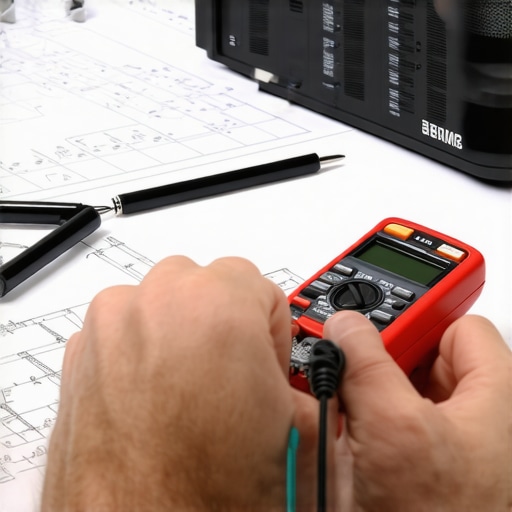
For those interested in optimizing speaker wiring, I recommend reading up on proper gauge selection for long runs to avoid signal loss. Using a quality multimeter, I frequently verify connections after adjustments, ensuring my system’s integrity. Don’t wait until you encounter issues—try a comprehensive maintenance routine, like calibrating with a measurement mic, to keep your system sounding its best for years to come. Staying proactive not only preserves your equipment but also enhances your overall listening pleasure.
The Hardest Lesson I Learned About headphones,speakers,soundbars,amplifiers,home audio deals
One of my biggest realizations came when I thought upgrading to expensive equipment would instantly elevate my listening experience. It wasn’t until I learned that placement and calibration matter more than the price tag that I truly started to enjoy my sound setup. Personal experience taught me that patience and attention to detail often outperform costly gear.
3 Myths About headphones,speakers,soundbars,amplifiers,home audio deals That Held Me Back
Believing that bigger speakers always mean better bass, thinking that high-end cables drastically improve sound, or that more wattage equals louder volume—all these misconceptions held me back from achieving optimal audio quality. Dispelling these myths has opened my eyes to the importance of matching components and understanding acoustics rather than just chasing specs.
What Experts Won’t Tell You About headphones,speakers,soundbars,amplifiers,home audio deals
Professionals know that room acoustics, speaker positioning, and system calibration make a more significant difference than the equipment itself. I learned that even modest setups can outperform expensive gear if configured correctly. Investing time in calibration tools and acoustic treatments has been my secret weapon in creating immersive sound environments.
Curated Resources for Elevating Your Home Audio Journey
My Trusted Setup Guides—They provide step-by-step instructions on system calibration and positioning, which saved me hours of trial and error. How to wire two speakers to one channel has helped me avoid damaging my equipment, ensuring safe and effective connections. For understanding room acoustics, I recommend books like Mastering Audiophile Home Theater, offering expert tips to transform any space into an acoustic haven. Lastly, I rely on online forums like AVS Forum, where community insights help troubleshoot nuanced issues, keeping my setup at peak performance.
Your Turn to Make a Difference in Your Listening Experience
Applying these lessons and resources can dramatically enhance your home audio satisfaction. Don’t settle for subpar sound—take proactive steps today and enjoy a richer, more immersive listening environment. Remember, real improvement comes from understanding and intentional adjustment, not just gear upgrades.