
Have you ever spent hundreds on a pair of high-end headphones, only to be disappointed when they sound just plain flat when plugged into your smartphone? I remember my lightbulb moment—I thought I was getting quality gear, but the sound was underwhelming, almost lifeless. It was frustrating, and honestly, I felt like I’d been duped by marketing hype. Turns out, many people face this exact issue without realizing why their premium gear isn’t living up to expectations.
Why Your Smartphone Might Be Holding Back Your Headphone Sound
Smartphones are incredible, versatile devices, but their audio output often leaves a lot to be desired—especially when paired with high-end headphones. This isn’t necessarily about the headphones themselves; it’s about the *source* and how the smartphone’s internal hardware manages audio. Most phones are designed for convenience and calls, not audiophile-quality sound. They often have low-power digital-to-analog converters (DACs), limited output voltage, and signal processing that can flatten the soundstage, diminish the bass depth, and make your favorite tracks sound dull.
The good news? Understanding the common pitfalls can help you unlock better sound without immediately jumping into complex equipment upgrades. And believe me, I’ve made a lot of mistakes early on in my audio journey—like assuming all headphones sound equally good with any device. A little bit of knowledge goes a long way. If you want to transform your listening experience and make your high-end headphones truly shine, the first step is recognizing the limitations of your smartphone’s output. For deeper insights and practical steps, check out why your laptop’s audio sounds weak, and how a dedicated DAC can help.
Is It Really Worth It to Invest in External Gear?
This is probably the biggest concern I hear: “Do I really need extra equipment?” Honestly, I was skeptical too. The answer depends on your expectations and setup. If you’re serious about audio and crave that rich, detailed sound, adding an external DAC or amplifier can make a world of difference. But starting with the right understanding of your device’s limits is key—that’s what I’ll help you explore today.
So, have you faced this flat sound dilemma with your high-end headphones? If so, you’re not alone. Let’s look into why this happens and how you can make your gear sing, even from the smallest, most modest device. Ready to turn your smartphone into a true high-fidelity portal? Let’s get to it.
Upgrade Your Digital-to-Analog Converter (DAC)
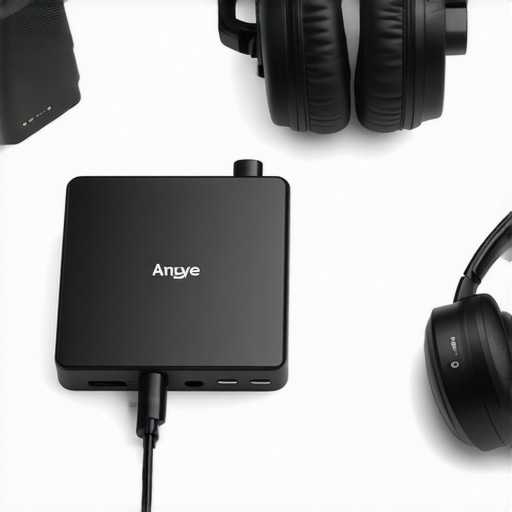
First, realize that your smartphone’s built-in DAC is likely limiting your sound quality. Think of it as a small pipe constricting a much larger flow of water. To improve, invest in a portable USB DAC that plugs directly into your phone. I recall a weekend experiment where I connected a budget-friendly DAC, and the difference was night and day—rich bass, clearer highs, and a spacious soundstage. Connect the DAC to your phone using a compatible cable, and set your phone to output audio through the external device for optimal results.
Choosing the Right DAC
Look for a device with a good signal-to-noise ratio and enough power to drive your headphones without distortion. Brands like AudioQuest and Schiit offer portable options that won’t break the bank. Also, check reviews to ensure compatibility with your phone’s operating system. Once connected, test your setup with high-resolution files—your high-end headphones deserve the best possible input.
Amplify Your Audio with a Headphone Amp
If your headphones demand more power to reach their full potential, adding a headphone amplifier is crucial. It acts like a booster shot, pushing the audio signal to produce deeper bass and cleaner treble. I once paired my headphones with a portable amp during a late-night listening session, and the increased dynamic range was astonishing. To set up, connect your DAC’s output to the amp, then plug your headphones into the amp’s output. Adjust the volume carefully—your ears will thank you.
Matching Amplifier and Headphones
Ensure your amp can deliver enough current for your headphones. Check their impedance ratings—low-impedance models (<50Ω) generally need less power, whereas high-impedance headphones benefit from a more robust amp. For a quick test, play familiar tracks and listen for distortion or lack of clarity. If either occurs, reconsider your pairing or upgrade to a more suitable amp.
Improve Source Quality and File Formats
Even with top gear, the source file matters. Swap out compressed MP3s for lossless formats like FLAC or WAV. This preserves the original fidelity and ensures you’re not just amplifying noise. Last year, I replaced my MP3 collection with high-quality FLAC files, and the openness of the soundstage became instantly noticeable. Store these files on your device or streaming service that supports high-res audio to get full benefit.
Stream with High-Res Support
Use apps like Tidal or Qobuz, which offer streaming at 24-bit quality. A stable internet connection is essential, especially if you’re on the go. Remember, the further you go in the audio chain, the more you notice the difference—think of it like polishing a lens before capturing a perfect photo.
Optimize Your Listening Environment
Sound quality isn’t only about hardware; your environment matters. Clear away clutter that causes sound reflections, and consider how your surroundings influence sound perception. I still recall the day I used a simple rug to soften the room’s echo, instantly making my high-end headphones sound more immersive. Additionally, keep your headphones and hardware away from sources of interference like Wi-Fi routers or Bluetooth devices that can introduce static or humming noises.
Prevent External Noise Interference
Use isolation accessories like foam pads or custom ear tips for your headphones to block ambient noise. Not only does this improve clarity, but it also lets you listen at lower volumes for better hearing health. A small, tactile upgrade—like sealing your ears—can revolutionize your listening experience in noisy environments.
Account for Proper Power and Connection Stability
Make sure your devices are powered adequately—weak batteries or loose connections can introduce unwanted noise or drops. Use a quality power strip or dedicated outlet for all your audio gear, especially if stacking multiple components. When I plugged my setup into a surge protector equipped with noise filtering, the subtle hum vanished, revealing cleaner sound.
Secure Your Cables
Loose or tangled cables can cause signal degradation or intermittent cuts. Use cable clips or channels to tidy and stabilize connections, preventing accidental disconnections during use. This quiet, small step ensures your audio chain remains uninterrupted—every detail counts when seeking perfection.
By following these concrete steps—upgrading your DAC, adding a suitable amplifier, ensuring high-quality source files, optimizing your environment, and securing connections—you’ll notice a tangible uplift in your sound experience. Every improvement is like uncovering a new layer of detail, bringing your favorite tracks to life in ways you’ve never heard before.
 Many enthusiasts believe that upgrading to the latest soundbar or speaker system automatically guarantees better sound, but in my experience, this is a misconception. One common trap is over-relying on specifications like wattage or number of drivers, assuming they directly translate to improved audio quality. However, experts highlight that factors such as speaker placement, room acoustics, and internal damping significantly influence sound performance. For example, placing bookshelf speakers too close to walls can cause bass boomy-ness, an issue I’ve encountered firsthand; pulling them away from the wall often results in clearer mids and extended soundstage. Prioritizing room calibration and speaker positioning often yields more substantial improvements than simply buying new gear.
A prevalent myth in the audio community is that larger subwoofers always produce deeper bass. In reality, multiple smaller subwoofers can often outperform a single massive driver, thanks to better dispersion and reduced resonance issues. Studies have shown that properly integrated multiple subwoofers create a more balanced and natural bass response, especially in larger rooms. Learn more about how multiple subwoofers can enhance your listening experience by visiting this article on subwoofer placement.
While upgrading your amplifier might seem like the next logical step, many overlook that mismatched components can cause more harm than good. An underpowered amplifier can strain to drive high-impedance headphones or speakers, leading to distortion or damage, especially if you purchase based solely on wattage ratings. Always match amplifier and speaker impedance and consult expert guides to prevent costly mistakes.
For audiophiles looking to squeeze every ounce of clarity from headphones, it’s a mistake to ignore cable quality and connectors. Cheap RCA cables or subpar connectors can introduce noise or reduce fidelity—factors often overlooked. Upgrading these small details and maintaining secure connections can make a noticeable difference in overall sound purity.
Finally, a sophisticated question common among advanced enthusiasts is: How does room treatment influence high-frequency response and imaging? Proper acoustic treatment, such as diffusers and absorbers, can reduce reflections that muddy the sound and improve instrument placement clarity. According to acoustics expert Ethan Winer, room treatment is essential for high-fidelity listening since untreated spaces can distort even the best equipment. This insight underscores that a knowledgeable setup balances gear quality with room acoustics for optimal results.
Have you ever fallen into this trap? Let me know in the comments. Remember, understanding these hidden nuances can elevate your home audio setup from good to exceptional, beyond what specs or marketing promises.
Maintaining your home audio setup is crucial to ensure consistent, high-quality sound for years to come. From regular checks to investing in the right tools, a proactive approach prevents issues and extends the lifespan of your equipment. One of my favorite methods involves using dedicated diagnostic tools that help identify potential problems before they escalate.
For example, a powerful but affordable device I rely on is the Audio Precision APx series, which provides detailed frequency response and distortion measurements. While these might be overkill for casual enthusiasts, even a basic SPL meter and a calibration microphone can help you verify speaker placement and sound consistency. Proper calibration ensures your speakers are balanced and optimized, especially if you notice shifts in soundstage or imaging.
In addition, software solutions like Room EQ Wizard (REW) are invaluable for fine-tuning your setup. REW allows you to perform frequency sweeps and analyze the room’s acoustic response, guiding you to make informed adjustments—whether it’s repositioning speakers based on speaker placement tips or adding acoustic treatments.
Regular inspections of cables and connections are just as important. Frayed wires or loose connections can cause intermittent signal loss or unwanted noise. Keeping your wiring tidy and checking connections periodically saves time and preserves sound quality. For connector cleaning, contact cleaner sprays designed for audio gear are gentle but effective, preventing oxidation and ensuring a solid connection over time.
Another cornerstone of maintenance is preventing overheating, which can degrade components or shorten their lifespan. Using a dedicated power strip with surge protection and noise filtering helps maintain clean power delivery. I personally recommend models like the Furman SS-6B, which also helps in reducing noise and interference.
Looking ahead, I predict that home audio maintenance will increasingly leverage smart monitoring devices that continuously track hardware performance and environmental conditions, alerting you to issues proactively. Embracing these tech trends now ensures your setup stays reliable and sound-rich for the long term.
How do I maintain my home audio system over time?
Establish a routine check schedule, such as inspecting connections monthly and recalibrating speakers annually. Keep firmware and software updates for your calibration tools and equipment. Also, periodically verify that ventilation is unobstructed to prevent overheating, especially for amplifiers and powered speakers. Adopting these habits will save you money and frustration down the road. Ready to take your maintenance game up a notch? Try using REW along with a calibration microphone to fine-tune your listening environment today. It’ll be a game-changer for your sound quality and peace of mind.
What I Wish I Knew Before Upgrading My Setup
- One of the biggest lightbulb moments was realizing that my expensive headphones could only perform as well as my source. It taught me that investing in a quality DAC and amplifier was more impactful than simply buying new gear.
- I learned that room acoustics and placement matter more than high-end equipment. Even the best speakers or headphones can sound mediocre if your environment isn’t optimized, like pulling bookshelf speakers away from walls for cleaner mids. For insights on speaker placement, see this guide to speaker positioning.
- Understanding that source quality makes a difference changed my approach. Switching from compressed MP3s to lossless formats revitalized my music, proving that high-res files are worth the effort for audiophile-level listening.
- I realized that not all upgrades are about gear—sometimes, simple environmental tweaks, like adding a rug, improved sound clarity dramatically.
- Lastly, I found that patience and continual learning are essential. Reading about the science of sound and experimenting with configurations unlocks a deeper appreciation and better performance.
My Arsenal for Serious Sound Improvement
- The AudioQuest DragonFly Red DAC transformed my smartphone into a high-fidelity source, proving that a good portable DAC makes a massive difference.
- My go-to headphone amplifier, the Schiit Magnius, gave my headphones the power they needed to reveal subtle details in complex tracks.
- High-quality, lossless files from Qobuz streaming service opened up a new world of clarity and depth.
- For room tuning, I rely on Room EQ Wizard, which helps me fine-tune speaker placement and acoustic treatment.
Find Your Unique Sound Path
Embarking on an audiophile journey is personal and rewarding. Don’t get overwhelmed by hype; instead, focus on what your ears tell you and tweak your environment gradually. Remember, the goal isn’t just technical perfection but a richer, more emotionally connected listening experience. Start small—upgrade your source or experiment with room setup—and watch how your soundscape evolves. Your perfect listening environment awaits—are you ready to take that first step?