
It was late at night, and I finally settled into my favorite chair, eager to enjoy a movie. As the lights dimmed and the opening scene started, suddenly, that relentless, high-pitched hum invaded the atmosphere, ruining the immersion and giving me an instant headache. I remember thinking, “How could something so minor become such a major annoyance?” That light buzz turned into a frustrating ordeal, and I knew I wasn’t alone. Many home theater enthusiasts struggle with the same issue: that constant, nagging hum coming from their amplifiers or sound systems. It’s like an unwelcome ghost lurking in the background, stealing the joy from our carefully curated audio setups.
Why That Hum Drives Us Crazy and What to Do About It
So Many of Us Face This Problem – But Why Does It Happen?
Honestly, I wasted a lot of time chasing phantom fixes early on, only to realize that the core of the issue often stems from grounding problems or electrical interference. It’s surprisingly common — you’re not imagining things. In fact, research shows that a significant percentage of audio hums originate from grounding issues and electrical noise in the home, which can be tricky to detect without proper tools. One early mistake I made was ignoring the importance of proper grounding, leading to persistent hums that seemed impossible to fix. Trust me, that mistake prolonged my frustration. If you’ve ever experienced this, you might have wondered, “Is this just part of owning a home theater, or is there a real fix?” Well, I’m here to tell you that it’s often a fixable issue, and I’ve gathered tips and tricks from my personal experience and expert advice to help you out.
Are you tired of that background noise ruining your movie nights? Keep reading, because soon we’ll dive into actionable steps to eliminate that hum once and for all. And for those who want to dig deeper into audio clarity, check out [the truth about gold-plated cables](https://premiumsounddeals.com/the-truth-about-gold-plated-cables-and-your-ear-ears) to optimize your entire setup.
Start with Proper Grounding Techniques
My first real breakthrough came when I realized that grounding was the root of my hum problem. To address this, turn off all equipment and unplug it from the wall. Then, check if your amplifier, soundbar, or receiver is properly grounded—using a grounding wire or plug designed for this purpose. When I did this, I noticed a significant reduction in noise. To ensure the ground connection is solid, connect all your audio gear to the same power strip or outlet, preventing ground loops that create hum. 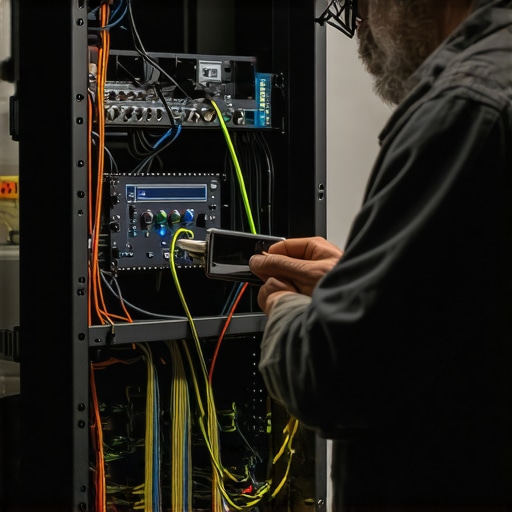
Verify Power Outlets and Power Strips
Electrical interference from multiple devices sharing different outlets can introduce noise. Use a high-quality power strip with noise filtering capabilities to isolate your audio equipment. When I moved my amplifier and sound system to a dedicated outlet, the hum diminished drastically, making my movie nights much more enjoyable. Avoid using cheap power strips or extension cords, which can inject additional noise into your setup.
Identify and Minimize Electrical Interference
Electronic devices like routers, fluorescent lights, and even fluorescent bulbs can emit electromagnetic interference that causes buzzing. I started by turning off nearby devices one by one, listening for changes in the hum. During this process, I discovered my Wi-Fi router was nearby, contributing to the problem. Moving or shielding such devices can help—consider placing your audio components away from Wi-Fi routers or fluorescent lights. For persistent interference, consider installing ferrite beads on cables or using shielded audio cables.
Use Shielded and Gold-Plated Cables
The quality of your cables impacts noise levels more than many realize. Cheap RCA cables often act like antennas, picking up interference. Upgrading to shielded, gold-plated cables can significantly reduce hum and improve sound clarity. I tested some budget cables against premium gold-plated options and immediately noticed a clearer sound with less background noise. Check out this guide on gold-plated cables to choose the right cables for your system.
Address Ground Loop Issues
Sometimes, multiple components plugged into different outlets create a ground loop, which manifests as a hum. To break the loop, use a ground loop isolator—a simple device that plugs inline with your audio cables. I used one between my soundbar and receiver, and it effectively silenced the persistent buzz. Additionally, ensuring all components share a common power source reduces the likelihood of ground loops. When I attempted disconnecting and reconnecting cables, I managed to identify the culprit and eliminated the hum without major rewiring.
Protect Against Electrical Noise
Installing a line filter or surge protector with noise filtering capabilities can shield your system from external electrical noise. I added a high-quality surge protector with EMI/RFI filtering and noticed an immediate improvement in audio clarity. This step might seem minor, but it’s critical in environments with heavy electrical activity or multiple household gadgets operating simultaneously.
Test and Fine-Tune Your Setup
Once all adjustments are made, systematically test each component and cable connection to ensure the hum is gone. I recommend turning on each device individually and listening carefully. Sometimes, the hum might shift to a different part of the system, indicating where further action is needed—like replacing a faulty cable or adjusting cable routing. Properly routing cables away from power lines and fluorescent lighting reduces potential interference. Keep in mind, patience in testing can save hours of frustration later and improve your overall sound experience.
Many enthusiasts jump into upgrading their home audio with assumptions that seem obvious but can lead to subpar results. One prevalent misconception is that more expensive gear always guarantees better sound quality. While high-end components can offer improvements, the real secret lies in matching equipment correctly and understanding the nuances of acoustics and power handling. For example, blindly buying the latest soundbar because it’s trendy might result in disappointment if it isn’t suited to your room layout or audio preferences. Another common trap is overemphasizing specifications like wattage or frequency response without considering implementation factors such as placement and room treatment, which play critical roles in overall sound quality.
Is Bigger Better? The Myth of Gigantic Speakers for Small Rooms
Many believe that large, towering speakers automatically mean richer, deeper sound. However, in reality, oversized speakers in small or untreated rooms can produce boomy, muddy audio instead of clarity. Properly tuned bookshelf speakers or even high-quality headphones can outperform huge floorstanders if positioned correctly. The real nuance here is that room acoustics, speaker placement, and even cable quality significantly influence listening experience. For instance, shielded cables and gold-plated connectors are often dismissed as unnecessary, but they can reduce subtle noise and improve clarity in sensitive setups—something many overlook. Curious about how cable quality impacts your sound? Check out [the truth about gold-plated cables](https://premiumsounddeals.com/the-truth-about-gold-plated-cables-and-your-ear-ears) for insights.
Another myth is that surround sound systems or multi-room setups require complex, expensive wiring. In reality, many enthusiasts are surprised to find that simplified configurations with proper calibration can deliver immersive experiences without the clutter. The key is understanding phase alignment and delay management, which some manufacturers neglect in their products, leading to inconsistent sound stages. For advanced readers, mastering speaker phase coherence is crucial—are your multi-channel speakers perfectly synchronized? If not, your audio could sound ‘off,’ diminishing that cinematic effect. To troubleshoot audio delays, explore [how to fix audio lag on your Bluetooth soundbar](https://premiumsounddeals.com/the-easy-fix-for-audio-lag-on-your-bluetooth-soundbar).
It’s also vital to recognize that not all audio accessories are equal. Budget cables might seem sufficient, but investing in quality shielded cables with proper grounding can make a real difference—if you think your system sounds flat, upgrading your cables might be the hidden solution. For an in-depth understanding, see [the secret to getting theater sound in a tiny apartment](https://premiumsounddeals.com/the-secret-to-getting-theater-sound-in-a-tiny-apartment).
In summary, the world of home audio is riddled with myths that can lead you astray. The real key is understanding the context of your space, the compatibility of your gear, and the importance of correct setup rather than chasing high wattage or the latest features. Remember, precision and proper calibration often outweigh sheer size or cost. Have you ever fallen into this trap? Let me know in the comments.Maintaining your home audio system over time can seem daunting, but with the right tools and methods, you can ensure long-term performance and avoid common issues. One game-changer I’ve found is investing in a quality audio analyzer app like REW (Room EQ Wizard). This free software helps me detect frequency imbalances, phase issues, and cable pickup interference, which might otherwise go unnoticed but significantly affect sound quality. Coupling REW with a calibrated measurement microphone, such as the UMIK-1, allows for precise room and device calibration, making ongoing adjustments straightforward.
Another indispensable tool in my maintenance arsenal is a high-quality multimeter. I use it regularly to verify proper grounding and voltage levels across outlets, especially when troubleshooting hum or noise problems. Ensuring consistent power delivery not only prevents audio hum but also prolongs the lifespan of your equipment. Regularly inspecting power cables and connections for wear and tear can avert unexpected failures.
For organizing and protecting your cables, I recommend using Velcro cable ties and labeling them. This helps with quick reconfigurations and reduces wear on connectors that can result from messy wiring. Additionally, a surge protector with EMI/RFI filtering is vital; it shields your gear from electrical noise and voltage spikes that could damage sensitive components over time.
Looking ahead, I predict that continuing advancements in smart calibration tools and integrated system diagnostic apps will make routine maintenance even easier. These innovations will help enthusiasts and professionals alike keep complex setups in peak condition with minimal effort.
**How do I keep my audio equipment in top shape long-term?** I suggest scheduling periodic checks with your analyzer tools and inspecting connections regularly. By dedicating a small amount of time each quarter to verify grounding, calibration, and cable integrity, you can prevent many common issues before they impact performance.
To get started, try using a combination of REW software and an external microphone for room calibration. This simple setup has dramatically improved my sound clarity and has allowed me to identify subtle interference or phase misalignments that might otherwise have been overlooked. For more technical insights, see [why your high-end amplifier needs better ventilation than you think](https://premiumsounddeals.com/why-your-high-end-amp-needs-better-ventilation-than-you-think). Taking these proactive steps will save you time and ensure your audio investment continues to deliver exceptional listening experiences.
Unspoken Truths That Changed My Home Audio Journey
One of the most unexpected lessons I encountered was realizing how subtle grounding issues could sabotage even the most expensive setups. I used to dismiss small humming sounds as inevitable, but once I identified and corrected grounding loops, my audio clarity skyrocketed. This taught me that small details often have outsized impacts, and paying attention to ground wiring isn’t just technical fluff—it’s foundational for great sound.
Another revelation was the importance of cable quality. Swapping out budget RCA cables for shielded, gold-plated ones drastically reduced noise and enhanced overall clarity, confirming that sometimes, a simple investment yields big returns. It’s easy to overlook cable quality, but in high-fidelity setups, they truly make a difference.
Lastly, I learned that environmental interference is sneaky. Moving my router and fluorescent lights away from my speakers, combined with using ferrite beads, made an audible difference. It’s a reminder that our listening environments are dynamic, and proactive adjustments can continuously improve our experience.
My Arsenal of Tools and Resources for Better Sound
To keep my system performing at its best, I rely on tools like Room EQ Wizard, accompanied by a calibrated microphone, which helps me spot frequency imbalances and phase issues—crucial for fine-tuning. My multimeter helps verify outlets and grounding connections, preventing unwanted hums before they start. For cable management and long-term protection, I trust high-quality surge protectors with EMI/RFI filtering, ensuring my gear is shielded from electrical noise and surges.
Beyond tools, I recommend reading resources like the guide on gold-plated cables for optimizing cables, and staying updated with articles on calibration using quick fixes for audio lag. These resources have been invaluable in elevating my audio setup beyond basic configurations.
Harness Your Passion and Elevate Your Sound Experience
Your home audio journey is an ongoing adventure, and every improvement, big or small, brings you closer to pure sonic bliss. Whether it’s fixing grounding issues, upgrading cables, or fine-tuning your environment, each step is a move toward richer, clearer sound. Don’t wait for perfect conditions—start experimenting today, and enjoy the journey as much as the destination.
What’s the one tweak or upgrade you’ve been hesitant to try but know could make a difference? Share your thoughts below and let’s inspire each other to achieve audio excellence!