
Imagine this: you’re cranking up your favorite song, the room is alive with sound, and suddenly—an annoying, high-pitched buzz erupts from your speakers or amp. You freeze. That horrible, grating noise ruins the mood faster than a power outage. I’ve been there—fingers dancing over knobs, desperate to silence that constant hum that just won’t quit. It’s maddening, right? And it’s a problem that can make even the most dedicated music lover want to toss their gear out the window.
Why That Persistent Buzz Can Drive You Mad—and How to Silence It
Today, I want to share my personal journey from frustration to solutions. That dreaded buzz is not just an annoyance—it’s a sign something’s off with your audio setup. Whether you’re a guitarist battling a humming amp or a home stereo enthusiast fed up with the constant hiss, this noise is more than just background sound. It’s an interference that can distort your music, strain your nerves, and even damage your equipment if left unaddressed. But here’s the good news: with a few simple checks and tweaks, you can banish that buzz completely.
Is Your Audio Setup Really Worth the Hype?
Early on, I made a crucial mistake—assuming that high-quality gear didn’t need regular maintenance. Turns out, even the priciest equipment isn’t immune to the subtle signals of interference or grounding issues. That oversight cost me weeks of unnecessary troubleshooting and more than a few swear words. The truth is, that buzzing often has a straightforward fix—if you know what to look for. And I’ll guide you through those common pitfalls so you can restore pristine sound without turning your house into a laboratory.
For more about common audio woes, check out this guide on rattling speakers. Now, let’s dive into the causes behind that biting buzz and the step-by-step process to eliminate it once and for all.
Check Your Grounding Connections
Begin by inspecting all your cables and wiring. Think of grounding as the foundation of a house; if it’s compromised, vibrations and noise can creep in. Unplug your equipment, then firmly reconnect each ground wire, ensuring they are securely attached to the proper grounding points. I once faced a persistent hum in my hi-fi setup, and a simple re-grounding resolved it instantly. Ensure no wires are loose or frayed, as these can introduce interference.
Isolate and Identify the Interference Source
Next, systematically disconnect devices one by one to find the culprit. Think of this like a detective narrowing down suspects; if disconnecting your Wi-Fi router reduces the buzz, it might be causing EMI interference. Move away or turn off all potential electronic sources until the noise diminishes. I recall unplugging my gaming console, which seemed unrelated, but that action surprisingly reduced the hum, revealing the interference source.
Use Quality Shielded Cables
Substitute cheap or damaged cables with well-shielded, high-quality ones. Picture cables as highways for sound signals; poorly shielded wires allow noise to travel along with your audio. During my own upgrade, switching to shielded interconnects eliminated a persistent high-frequency hiss. Make sure your cables are properly seated, avoiding loose connections that can create buzz.
Properly Configure Your Equipment Settings
Adjust your amplifier and source device settings. Often, grounding or volume mismatches cause hums. Set your volume levels moderate; too high can make the buzz more noticeable. Consult your device’s manual or online resources—like this guide on why bookshelf speakers sound thin—to optimize your settings. I once increased my gain too high, and the resulting distortion also emphasized the buzz; dialing it back cleaned the sound.
Implement Power Conditioning and Shielding
Use a power conditioner to filter out electrical noise from your outlets—think of it as a noise gatekeeper for your power supply. Also, avoid running audio cables parallel to power cords, which can induce electromagnetic interference. I wrapped my cables with foil shielding, a quick DIY fix that significantly reduced noise.
Consult a Professional if Necessary
If these steps don’t resolve the issue, consider consulting an audio technician. Sometimes, internal components like capacitors or transformers develop faults, contributing to buzz. Just as you wouldn’t ignore persistent problems in your car, unresolved audio buzz might require expert attention.
Remember, taking systematic action is key. By carefully checking grounding, isolating sources, upgrading cables, and optimizing settings, you can banish that annoying hum and restore your listening bliss.
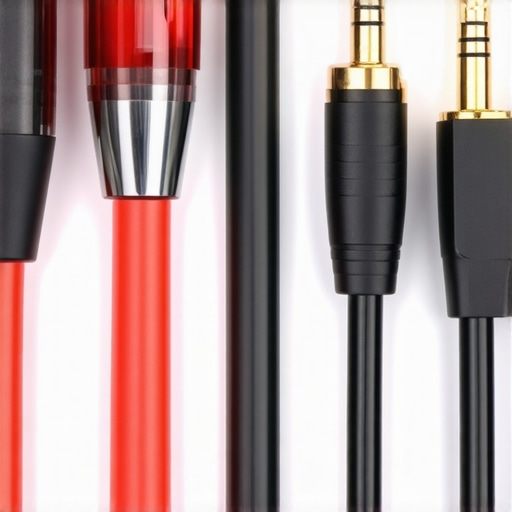
While many enthusiasts focus on acquiring the latest speakers or fancy amplifiers, a surprising number of misconceptions circulate about audio gear that can hinder your optimal setup. One prevailing myth is that more expensive gear naturally guarantees superior sound quality. However, in my experience, proper configuration and room treatment often outweigh costlier equipment. For instance, several high-end speakers underperform in untreated small rooms, where small room treatment can dramatically improve audio clarity more than an upgrade to a pricier model.
Moreover, many buyers underestimate the importance of compatibility and matching. Pairing a high-powered amplifier with low-efficiency speakers can lead to distortion and even damage. The key is understanding your gear’s specifications—matching the amplifier’s power output to your speakers’ impedance and sensitivity ratings. An often-overlooked nuance is that the amplifier-to-speaker match is crucial for optimal performance. Ignoring this can result in subpar sound or hardware failure.
Why Overemphasizing Cable Quality Sometimes Backfires
A common mistake is believing that upgrading to ultra-expensive cables will automatically boost audio fidelity. While poor wiring can introduce noise or reduce signal strength, the law of diminishing returns applies beyond a certain point. Experts such as those at audiophile consultants warn against overspending on cables that offer negligible gains—especially when your budget would be better allocated toward room acoustics or source quality. In fact, using improperly shielded or poorly terminated cables can introduce more interference than standard, good-quality ones.
Another advanced nuance is recognizing that sound quality isn’t solely about hardware but also about the content source. High-resolution files won’t sound any better if played through a compromised DAC or low-quality digital converter. Ensuring all components in your chain are transparent and faithful to the original recording is essential for a true high-fidelity experience. For instance, upgrading your headphones and DAC together can reveal details that mediocre setups obscure.
Finally, mastering your listening environment involves more than equipment—shaping your room with strategic placement and treatment can unlock hidden layers of sound that hardware alone can’t achieve. This is why many experts emphasize that investing in room treatment yields dividends far beyond spending on premium gear.
Have you ever fallen into this trap? Share your experiences below—I’d love to hear your stories about misconceptions or lessons learned in your home audio journey.
Time-Tested Tools for Reliable Audio Maintenance
Maintaining your home audio setup requires precision tools that deliver consistent results. I personally rely on a multimeter like the Fluke 87V to check grounding circuits and identify electrical faults quickly. Its accuracy helps prevent recurring hums or buzzes caused by grounding issues that can develop over time. Additionally, a can of contact cleaner, such as DeOxIT, is invaluable for cleaning dirty or oxidized connections, ensuring that signal flow remains clean and noise-free. I use it regularly on input jacks and potentiometers, which are prone to corrosion and can introduce static or hum if neglected.
For cable management and shielding, I swear by professional-grade shielded Ethernet and audio cables from Monoprice. Not only do they reduce electromagnetic interference, but their durable construction minimizes latency and signal degradation over long runs. When setting up or troubleshooting my system, I also keep a portable soldering kit handy—like the Weller WES51—to repair or replace faulty connectors that might be causing intermittent noise.
Why Regular Maintenance Pays Off
In the evolving landscape of sound equipment, staying proactive about maintenance prevents costly repairs and ensures your gear performs at its best. Software updates for your amplifiers or digital processors are just as critical as hardware checks. I recommend scheduling quarterly reviews of your system, including firmware updates for smart soundbars or integrated receivers, which often bring bug fixes and feature improvements. For example, updating your receiver firmware can eliminate quirky auto-switching issues and enhance overall stability.
Anticipate Future Trends in Equipment Upkeep
Looking ahead, advancements in smart diagnostics and remote monitoring are set to revolutionize how we maintain our audio gear. Imagine having a mobile app that not only alerts you to potential problems, like capacitor degradation but also guides you through self-service repairs. As manufacturers incorporate AI-driven diagnostics, expect to see gadgets that proactively suggest maintenance actions, reducing downtime. Embracing these innovations now will make managing your system much more seamless in the coming years.
How do I keep my sound equipment functioning over time?
The key is regular check-ups using precise tools like multimeters and contact cleaners, combined with software updates and proactive cable management. Establish a routine—every three to six months—to inspect physical connections, update firmware, and tidy cabling. These small steps prolong hardware lifespan and maintain sound fidelity, turning your setup into a trouble-free entertainment hub. For example, regularly cleaning and inspecting interconnects can prevent static and hum issues, saving you potential headaches down the line. Finally, stay informed on emerging maintenance technology, such as AI diagnostics, to stay ahead of issues and enjoy long-term audio satisfaction.
To get started, try employing a high-quality contact cleaner on your most-used connections this weekend—it’s a simple step that can make a big difference. Remember, consistent upkeep with the right tools and techniques is your best defense against unexpected failures and sound quality dips.
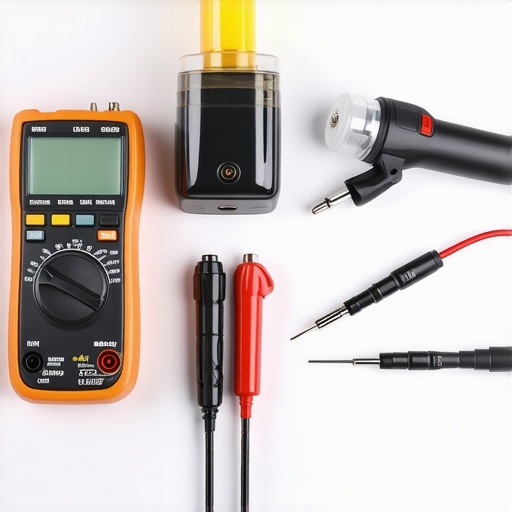
Proper cable management and routine checks ensure your home audio system stays tuned for optimal performance. Here’s an image illustrating professional-grade tools like a multimeter, contact cleaner, and shielded cables to help you set up your maintenance arsenal effectively.
Over the years of fine-tuning my home audio setup, I’ve stumbled upon insights that no manual or review can teach you. These behind-the-scenes lessons changed the way I approach sound quality and equipment maintenance, unlocking a richer, more immersive listening environment. If you’re serious about elevating your audio game, here are some personal revelations that might resonate with you.
My Biggest Wake-Up Call Was Ignoring Grounding—Don’t Make My Mistake
Initially, I dismissed grounding issues as trivial until persistent buzzing wrecked my favorite listening sessions. After dedicating time to properly re-wire and connect ground points, the hum disappeared, and clarity returned. This experience underscored how minor overlooked details can sabotage your entire setup. Remember, even high-end gear can be compromised by simple grounding mistakes—so double-check your connections.
Misconceptions About Cable Quality Can Lead You Astray
For a while, I believed only the most expensive cables could deliver pristine sound. Turns out, overly focusing on cable cost can divert funds from more impactful upgrades like room treatment or source quality. I found that shielded, well-terminated cables at a reasonable price often outperform those that are overpriced and hyped. My advice? Upgrade thoughtfully, prioritizing shielding and proper termination over flashy branding.
Room Acoustics Outperform Upgrades in Sound Quality Battles
One of my brightest realizations was that the listening room’s acoustics matter more than the latest hardware. Adding bass traps and diffuse panels transformed my space, making my existing speakers sound far better than before. Investing in room treatment is often the most cost-effective way to amplify your setup’s performance—don’t overlook this crucial element.
Leverage Tools and Tech for Smarter Maintenance
Regularly using a multimeter or contact cleaner saved me from inexplicable faults and kept my gear humming smoothly. Embracing diagnostic tools turned routine maintenance into a rewarding detective work, saving time and money. I encourage you to develop a maintenance habit—simple tools can reveal hidden flaws before they turn into costly repairs.
Trust Your Personal Experience Over Industry Hype
Alchemy is real—sometimes, what works for one audiophile may not suit another. I learned to trust my ears and preferences rather than chasing trends or the latest reviews. Your ears are the ultimate judge; develop a critical listening routine, and stay open to unconventional solutions that truly enhance your soundscape.
Curated Arsenal for a Hassle-Free Audio Journey
- Multimeter like the Fluke 87V: Precision in diagnosing ground issues saved me endless trouble and ensured stable connections.
- DeOxIT Contact Cleaner: Essential for keeping contacts corrosion-free, preserving signal integrity.
- Shielded cables from Monoprice: Cost-effective and reliable, these cables minimized interference and noise.
- Room treatment panels from AcousticSphere: Transform your space into an acoustic haven—trust me, it’s worth every penny.
Keep Pushing the Boundaries of Your Listening Space
The journey to exceptional sound isn’t a one-and-done achievement but an evolving process of experimentation and learning. Embrace the quirks and surprises along the way—sometimes the smallest tweak yields the most significant improvement. Whether you’re troubleshooting hums or refining your room, remember that persistence and curiosity are your best allies in mastering home audio. Don’t be afraid to take bold steps—your dream sound environment is within reach.
What unexpected lesson has dramatically improved your audio setup? Let’s share our stories and keep the conversation buzzing below.