
There was a moment in the middle of unpacking my boxes, surrounded by half-assembled furniture and a mountain of cables, when I finally plugged in my turntable. I eagerly set the needle on a favorite LP, only to be greeted by a dreadful crackle and distortion that hadn’t been there before. My heart sank. Why, after a smooth listening experience for years, did my beloved record player suddenly sound ruined in the new house? That lightbulb moment hit me hard—the move had shifted more than just furniture; it had disrupted my entire audio experience.
Discovering the Root Cause of Distorted Sound After Moving
Many vinyl enthusiasts like us have faced this frustrating situation. Our initial assumption is often that something’s wrong with the turntable itself or the records. But here’s the thing: the new environment can introduce subtle issues that cause that dreaded distortion. Hum, vibration, and improper grounding are frequent culprits. Moving your setup involves more than just transporting your gear—it often changes the way your equipment interacts with the space.
Early on, I made the mistake of ignoring grounding issues, which can cause a humming or buzzing that interferes with sound quality. Additionally, placement matters. Setting the turntable too close to speakers or on unstable surfaces can amplify vibrations and distort your audio. The good news? Many of these problems are fixable without replacing your entire setup. I’ll walk you through the exact steps I took to restore clarity to my records—and help you avoid the common pitfalls that cause distortion after a move. If you’re tired of listening to crackle and hum, stick around. We’re about to troubleshoot your way back to pure sound perfection.
Is Sound Quality Still Worth the Effort? Why Fixing Distortion Is Essential
It’s natural to feel skeptical. After all, some might think replacing gear is easier than fixing the root cause. But I learned early on that proper setup can significantly enhance your listening experience—regardless of how new or vintage your turntable is. A simple grounding check and proper placement can make your records sound better than ever. Check out this article on muffled sound issues for more insights.
Have you experienced this kind of sound distortion after moving? If so, don’t worry—you’re not alone. Let’s dive into practical solutions that will have you spinning your records with clarity once again.
The next steps will guide you through identifying and fixing the common causes of turntable distortion, so you can enjoy your music as it was meant to sound—crispy, clear, and full of life.
Check and Re-establish Grounding
Start by ensuring your turntable is properly grounded. Use a multimeter or a simple test by touching the grounding wire to your audio receiver’s ground terminal; if you hear a hum, it indicates a grounding issue. Connect the wire securely or try a different ground point. I once overlooked this step, and my records kept crackling until I realized the grounding wire was loose, and fixing it instantly improved sound quality.
Optimize Turntable Placement to Minimize Vibrations
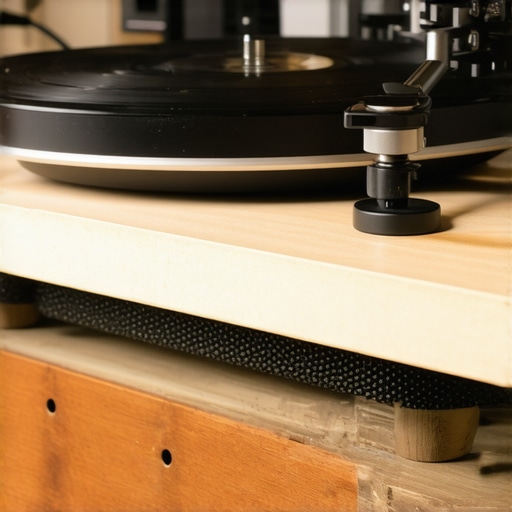
Place your turntable on a stable, level surface away from speakers, fans, or windows. Use a spirit level to confirm. I once set my turntable on an unstable cabinet, and every bass beat distorted the playback. Moving it to a sturdy shelf with isolation feet reduced vibrations and cleared up the sound. Think of your turntable like a delicate boat; it needs a steady dock to avoid rocking and muffling the music.
Isolate Vibrations Using Anti-Vibration Accessories
Attach vibra-absorbing pads or mats underneath the turntable. These act like shock absorbers, preventing external vibrations from reaching the stylus. I experimented with different mats, and a cork one dramatically improved clarity. For additional isolation, consider a heavy, dense platform or dedicated isolation platform—similar to how audiophiles treat speakers in a listening room for pristine sound.
Inspect and Replace Cables for Interference
Check all audio cables connecting your turntable to your amp or receiver. Loose connections or damaged shielded cables can pick up interference, causing crackles or hum. Replace old or low-quality cables with well-shielded ones. I replaced a cheap RCA cable, and the difference in noise level was night and day, proving that good wiring is essential.
Adjust Cartridges for Correct Tracking Force
Set your cartridge’s tracking force according to the manufacturer’s specifications. Use a stylus force gauge for precise measurement. I once ignored this and suffered distorted sound until I calibrated the cartridge, restoring balanced playback. Proper tracking ensures the stylus sits correctly in the groove, much like setting the right weight on a scale—too much or too little causes distortion.
Monitor Your Equipment for External Noise
Turn off nearby electronics that emit electromagnetic interference, like routers or fluorescent lights. Also, ensure your turntable’s power supply is stable. I experienced crackles when my Wi-Fi router was running, so relocating it away from my setup eliminated the hiss. Shielding your setup from external noise sources preserves audio clarity, akin to protecting a microphone from wind noise.
Utilize Dynamic Range Settings for Better Sound
If your amplifier or receiver offers tone controls or filters, adjust the high-pass filter to reduce low-frequency vibrations that may be picked up by the stylus. Tweak the treble to compensate for any loss caused by environmental factors. I slowly dialed in these settings during a test record and immediately noticed crisper, clearer sounds—making me realize that proper EQ adjustments are key post-move.
Test and Fine-Tune Regularly
After initial adjustments, play multiple records to evaluate sound quality. Make small tweaks as needed. Over the following days, I played my favorite albums, listening carefully, and fine-tuned my setup. This iterative process ensures long-term clarity, similar to tuning a musical instrument for perfect pitch.
By systematically addressing grounding, placement, vibration isolation, cabling, cartridge alignment, external interference, and EQ settings, you can rapidly restore your turntable’s clarity. Remember, every setup is unique, so patience and meticulous attention to detail will pay off in pure, pristine sound.
Challenging the Myth That More Power Always Means Better Sound
Many enthusiasts believe that cranking up your amplifier’s wattage guarantees louder and clearer audio. However, in my experience, this is a misconception. An overly powerful amp can actually produce distortion if your speakers aren’t rated for that power, leading to damage or muddled sound. The key lies in matching amplifier power accurately with your speakers’ specifications. For instance, high-quality vintage receivers often outperform newer digital amps simply because of their robust build and proper power handling. Don’t fall into the trap of prioritizing wattage alone—think about compatibility and headroom instead.
Beware of the Hidden Cost of Cheap Cables and Accessories
It’s tempting to opt for inexpensive cables or accessories, but this often leads to subpar sound quality and unexpected issues. Low-quality speaker wires or poorly shielded cables can introduce noise, hum, or weak signals, undermining your entire setup. I learned this lesson firsthand when I replaced my outdated cables and immediately noticed a significant improvement in clarity and bass response. Always invest in well-made, appropriately gauged cable wiring. For long runs, consider thicker wire gauges, as discussed in this guide. Better wiring equates to better sound—don’t overlook the fundamentals.
Is Listening to Hi-Res Audio Worth Your Money?
Many assume that High-Resolution Audio always sounds better, but recent studies, such as those from industry experts, suggest that human hearing limitations often make the difference negligible for most listeners. Moreover, the quality of your entire chain—from source to speakers—affects perceived sound. Upgrading to a DAC or high-quality headphones can deliver noticeable improvements, but investing solely in high-res files without proper playback gear may not yield the expected benefits. Be strategic: focus on components that actually influence your listening experience, and question whether the additional expense truly enhances your auditory perception.
Mastering Maintenance for Long-Lasting Performance
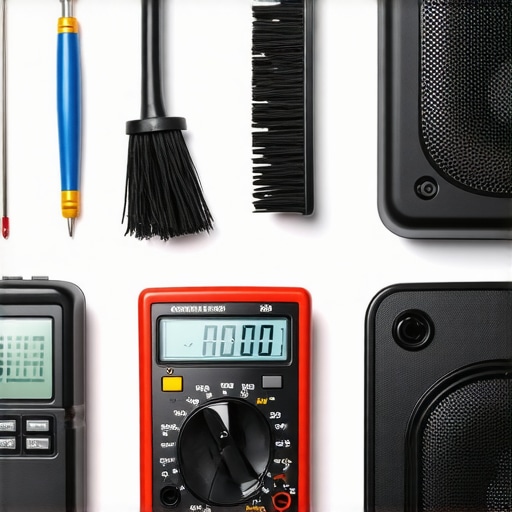
Keeping audio equipment running smoothly over time requires a combination of careful handling, regular inspections, and the right tools. I personally rely on a few specialized items that make maintenance straightforward and effective. One must-have is a quality lens cleaning brush for delicate drivers and grille covers, which helps prevent dust buildup that can muffle sound. Additionally, using a multimeter with a high-precision setting allows me to quickly check for grounding issues or wiring faults in my home audio setup, ensuring each component is operating efficiently.
Another indispensable tool I recommend is an ISDB (Intersil Signal Detection Board) for testing signal integrity throughout your system. It helps identify hidden faults in speaker wires or connectors that aren’t immediately obvious but can degrade sound quality over time. Personally, I use it regularly to spot insulation breakdowns or weak solder joints before they turn into costly repairs.
Software Solutions for System Monitoring
In the digital realm, staying on top of your system’s health is equally important. I use specialized software like Room EQ Wizard (REW) to analyze acoustic responses and identify frequency dips indicating speaker or room issues. This software is invaluable when fine-tuning your setup, especially if you’ve made changes to your environment or upgraded components.
Looking ahead, I predict that the integration of IoT (Internet of Things) sensors will revolutionize long-term maintenance. Imagine your audio system communicating with you, alerting you when a cable connection weakens or a component needs cleaning—saving time, preventing damage, and maintaining sound clarity effortlessly.
How do I maintain my audio equipment over time?
Regular cleaning using specialized sprays and brushes, combined with routine inspections of cables and connectors, extends the lifespan of your gear. Investing in a good-quality surge protector can prevent damage from power fluctuations. For components like amplifiers, periodic internal cleaning with compressed air—done carefully—removes dust that can cause overheating or signal interference. Also, scheduling quarterly calibration checks with tools like REW ensures your system remains optimized, preventing gradual performance loss that might go unnoticed.
Lastly, stay informed about the latest maintenance techniques and tools by following niche communities and trusted blogs. Remember, a little upkeep now saves a lot in repairs later, and it’s the best way to enjoy your audio investments for years to come. For example, regularly inspecting your speaker drivers for signs of fatigue, as detailed in this comprehensive guide, can prevent sudden sound drops and costly replacements.
Try implementing a quarterly cleaning routine with a brush specifically designed for delicate parts and see how much clearer your sound becomes. Proper maintenance tools combined with attentive care will keep your system performing at its best for the long haul.
Protect Your Investment with Proper Maintenance
The future of home audio looks increasingly automated and intelligent. Incorporating IoT devices for ongoing system health monitoring will soon be standard practice, making maintenance even easier. But for now, armed with the right tools and a disciplined routine, you can ensure your gear delivers crisp, vibrant sound year after year. Don’t forget to personalize your upkeep—your ears will thank you!
Through my journey of optimizing home audio systems, I’ve uncovered hidden truths and practical insights that can elevate your listening experience beyond expectations. These lessons, born from trial and error, will empower you to troubleshoot, fine-tune, and truly enjoy your sound setup with confidence.
What I Didn’t Expect About Power and Clarity
One of the most overlooked aspects is the impact of matching your amplifier’s power to your speakers. I used to believe that more watts always meant louder sound, but I discovered that improper pairing can cause distortion and damage. Embracing quality over quantity and understanding speaker-amp compatibility transformed my listening environment—saving me money and frustration in the long run.
Why Small Details Make Big Differences in Sound
Beyond major components, tiny tweaks—like cable shielding, ground loops, and placement—profoundly affect audio quality. I learned that replacing cheap cables with well-shielded ones and positioning my turntable on a vibration-free surface unlocked clarity I hadn’t realized was possible. These subtle improvements are often the most rewarding and cost-effective.
People Often Overlook the Room’s Role
Room acoustics are a silent game-changer. I underestimated the effect of furniture placement and room treatments until I added acoustic panels and repositioned my speakers. The result was astonishing—crisper dialogue, richer bass, and a more immersive soundstage. Sometimes, small environmental adjustments beat expensive gear upgrades.
Charging and Long-Term Care Are Critical—Even for Vintage Gear
Maintaining your equipment, especially vintage pieces, prevents performance drops. Regular cleaning, proper storage, and occasional calibration kept my old receiver humming and sounding fresh. Investing a bit of time preserves your gear’s longevity and value—consider it part of the audio craft.
Curated Recommendations for Serious Audiophiles
- Room EQ Wizard (REW): This software is a game-changer for analyzing acoustic responses and fine-tuning your setup. Its detailed measurements guide my adjustments, ensuring a balanced sound.
- High-Quality Cables: Investing in shielded RCA and speaker wires reduces interference and noise. Brands like Mogami or AudioQuest have consistently delivered consistent results for me.
- Vibration Isolation Platforms: Platforms with absorption feet or dense mats minimized external vibrations. They helped my turntable perform at its best, revealing delicate nuances.
- Professional Calibration Services: Sometimes, calling in a specialist ensures your system is optimized. A little upfront cost can yield long-term sonic benefits.
Your Path to Sonically Pure Adventures
Enhancing your home audio isn’t about the latest gadget—it’s about understanding your environment, attention to detail, and patience. Your journey to pure sound is personal, and each step you take brings you closer to audio bliss. Remember, even small efforts compound over time—so start today, experiment, and savor the richer experience awaiting you.
What small change are you planning to test first in your setup? Share your thoughts below and let’s learn from each other’s experiences!