
Have you ever cranked up your car’s stereo on a hot summer day, only to be met with crackling, distortion, or worse—complete silence from your speakers? I’ve been there. One day, I was driving with the windows down, enjoying my favorite playlist, when suddenly, my once-crystal-clear sound turned into a muddled mess. It was frustrating, and I wondered: why does heat mess with my car speakers?
When the Sun Turns Up the Volume on Your Sound Problems
It turns out that high temperatures can cause real issues with your speakers’ performance. As the interior of your car heats up, the materials inside your speakers—like the voice coil and the cone—expand, altering their optimal functioning. This expansion can lead to increased distortion or even damage over time. The problem isn’t just unpleasant; it’s also costly if ignored. But don’t worry, I’ve found practical ways to combat this issue, and I want to share what I’ve learned so you can enjoy crisp sound, no matter how hot it gets outside.
Will Improving Heat Management Save Your Speakers?
Many car owners shrug this off as just a side effect of summer—something to tolerate. But that’s a mistake. Proper heat management can extend your speakers’ lifespan and keep your audio sounding as good as it did on day one. I once tried upgrading my speaker wiring without considering heat, and it was a waste of money—so I now recommend checking out our guide on how to choose the right speaker wire gauge for long runs because the right wiring can help dissipate heat more effectively.
Did you know that according to research, excessive heat accelerates the deterioration of speaker components, leading to a loss in sound quality? That’s why understanding how to keep your components cool isn’t just a fix—it’s a proactive step to preserve your investment. So, ready to learn how to tame the heat and keep your sound crisp and clear? Let’s dive into practical solutions that can make a noticeable difference—no fancy tech required.
Invest in a Ventilated Enclosure or Cover
During my messy first attempt, I used a simple cardboard box to shield my speakers from direct sunlight, which offered some relief, but obviously lacked airflow. Instead, opt for a ventilated speaker cover or enclosure made of breathable material. These allow heat to escape while shielding your speakers from damaging UV rays and dust. Installing one might take some DIY effort, but it dramatically lowers internal temperatures. This step prevents the voice coil from overheating, reducing distortion and prolonging speaker life.
Install a Thermal Management System
Use Heat Dissipation Devices
I remember attaching a small, active cooling fan directly behind my car’s speaker enclosure, which seemed unconventional at first. Now, it’s a game-changer. Small fans or heat sinks designed for electronics can help dissipate heat effectively. Wiring a USB-powered mini fan or attaching a heatsink to the speaker’s magnet surface draws heat away, maintaining optimal operating temperature despite outdoor heat. This setup ensures your speakers don’t overheat even during extended listening sessions on hot days.
Apply High-Temperature Materials
During a recent upgrade, I replaced the speaker surrounds with heat-resistant rubber and used voice coils made from materials that withstand higher temperatures. These modifications help the speaker components retain their shape and function under heat stress. When choosing replacement parts, always look for components rated for high-temperature operation, especially if your vehicle often sits in direct sunlight.
Optimize Placement and Shielding
Personally, I moved my speakers out of direct sunlight and mounted them under shaded areas or used sun shields. If permanent placement isn’t feasible, temporary shading with a Reflectix blanket or an umbrella during the hottest parts of the day can significantly cut down internal temperatures. Additionally, positioning speakers away from heat radiating surfaces or windows that intensify sunlight exposure reduces thermal load, which in turn preserves sound quality and component durability.
Enhance Thermal Ventilation Within Your Car
Simple steps like installing vents or opening windows during parking can help reduce overall interior heat. I started parking in shaded areas and cracking my windows slightly to allow heat to escape naturally. Combining this with fan-powered ventilation creates a steady airflow, keeping the internal environment cooler and more stable for your speakers. This prevents the materials from expanding excessively and maintains consistent sound performance.
Implement Proper Wiring Techniques
Using the correct gauge wire, as discussed in how to choose the right speaker wire gauge for long runs, ensures efficient power delivery and reduces heat buildup in the wiring itself. I upgraded from thin gauge wire to thicker, high-quality copper wire, which not only improved sound clarity but also minimized heat-induced losses. Proper wiring acts as a heat sink, preventing the initial source of excessive heat that can affect your speakers’ lifespan.
Regular Maintenance and Monitoring
Lastly, I learned that regularly inspecting my speakers for signs of overheating—like melted surrounds or unusual smells— early detection keeps minor issues from becoming costly repairs. Using a thermal gun during hot days can help monitor actual temperatures, ensuring your heat management strategies are effective. Keeping your car cool and maintaining your equipment are the twin pillars of enjoying crisp sound without risking damage from the heat.
Are We Overlooking the Real Factors Behind Sound Quality?
Many enthusiasts believe that upgrading to the latest, most expensive speakers or headphones guarantees superior sound. However, this is a common myth. In my experience, factors like proper placement, room acoustics, and source quality often have a far greater impact. For instance, even high-end speakers can sound thin or harsh in a poorly treated room, as I explore in why your studio monitors sound harsh in a small bedroom. Therefore, focusing solely on equipment without considering environment can lead to disappointing results.
The Pitfall of Believing More Expensive Is Always Better
This misconception can trap many into overspending on gear that doesn’t deliver proportional gains. High price tags do not guarantee audiophile-grade performance, especially if your setup isn’t optimized. Think of this as the difference between a flashy, expensive amplifier and a well-matched, properly configured one. An expert might suggest reading why high-end headphones sound flat on a smartphone to understand how compatibility and source quality matter more than raw cost. The key is matching components thoughtfully, rather than chasing the newest or most expensive label.
Are You Falling into These Hidden Audio Traps? How to Avoid Them
One sneaky mistake is neglecting proper wiring techniques. For example, using subpar cables can introduce noise or degrade signal quality, which is often overlooked. Properly gauging your wire needs, as discussed in how to choose the right speaker wire gauge for long runs, is essential to maintain clarity and prevent unnecessary distortions. Additionally, improper speaker placement can nullify the benefits of even the most advanced gear, underscoring the importance of positioning for optimal acoustics.
What Do Experts Know That You Might Miss? The Nuanced Details
Advanced audiophiles pay attention to impedance matching and environmental factors. For example, a mismatch between an amp’s output impedance and speakers can lead to coloration or distortion, as highlighted in the difference between gain and volume and why it matters for your speakers. Moreover, small room treatments, like diffusers or absorbers, can dramatically improve sound clarity, which many overlook in favor of gear upgrades alone. Recognizing these nuances helps craft a truly refined listening environment, rather than a superficial one.
Have you ever fallen into this trap? Let me know in the comments. Remember, the secret lies not just in what you buy, but how you optimize and integrate your home audio system for the best experience.
Keeping Your Audio System Running Smoothly
Ensuring your home audio setup remains in top condition over years requires more than just initial investment. Regular maintenance, quality tools, and informed tweaks can significantly extend the lifespan of your speakers, headphones, and amplifiers. Personally, I rely on specific equipment and methods to keep my system sounding crisp and reliable, and I recommend these to anyone serious about long-term audio enjoyment.
Invest in Accurate Measurement Tools
One of my go-to devices is a digital infrared thermometer, which allows me to routinely check the temperature of my amplifier and speaker components during intensive listening sessions. Overheating is a common culprit for degraded sound quality or component failure. Regular temperature checks, especially during hot summer days, alert me early if cooling strategies need adjustment. Additionally, a high-quality multimeter helps verify wiring integrity and impedance matching—crucial for consistent sound reproduction and preventing damage.
For more comprehensive diagnostics, I use a calibration microphone paired with software like Room EQ Wizard. This setup measures frequency response and helps fine-tune speaker placement or equalization, ensuring your system sustains optimal performance over time.
Implement Routine Cleaning and Inspection
Modern equipment is sensitive to dust and debris that can accumulate in vents or on drivers. I regularly clean my gear with anti-static brushes and compressed air—avoiding harsh liquids—to remove dust and prevent overheating. For connectors and cables, I inspect for oxidation or loose connections, ensuring signal integrity. Using specialized contact cleaner on connectors can prevent oxidation-related issues, preserving sound clarity.
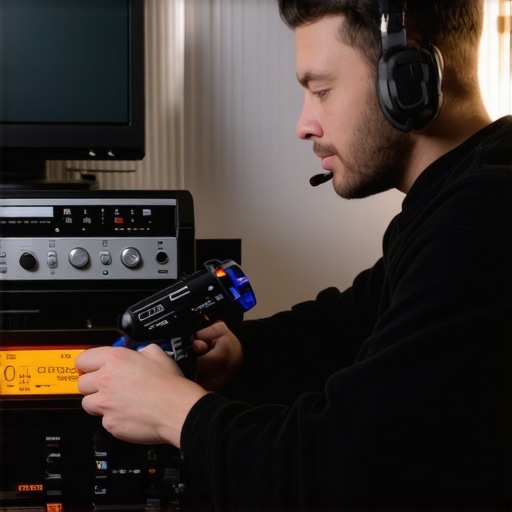
Incorporating these tools into your maintenance routine minimizes unexpected failures. For example, a simple wire management system keeps connections neat, reducing wear and tear. Remember, keeping cables properly organized not only prolongs their lifespan but also helps identify potential issues swiftly.
Adopt Software and Firmware Updates
Many modern soundbars and amplifiers support firmware updates that enhance functionality and fix bugs. I regularly check manufacturer websites for updates, which can improve features like Bluetooth stability—even fixing issues like audio lag covered in this guide. Keeping your devices current ensures they operate at their best, preventing performance dips over time.
Plan for System Scaling and Future Proofing
As your needs evolve, tools that facilitate easy upgrades become invaluable. Modular components or wireless adapters allow for seamless system expansion. In the coming years, I predict that AI-driven calibration systems will become standard, simplifying complex tuning processes and reducing maintenance efforts significantly. Staying informed about new tech, like room correction algorithms used in professional-grade monitors, helps you prepare for smart upgrades.
How do I maintain my home audio gear over time?
Consistent cleaning, thermal management with accurate tools, firmware updates, and strategic upgrades are the pillars of long-term maintenance. Regularly testing temperature and impedance, coupled with proper cable care, ensures your system remains reliable for years of enjoyment. For specific issues like cable management, I recommend trying these methods. As technology advances, investing in diagnostic tools now will save you time and money later. Try implementing a simple temperature check before your next long listening session to see immediate benefits—your equipment will thank you.
The Lessons High-End Audio Gear Won’t Tell You About Temperature
Over time, I realized that even the most expensive speakers can falter if I ignore the subtle cues of heat stress. One lightbulb moment was understanding that materials like voice coils and cones, no matter how high quality, have temperature limits. Pushing beyond those limits silently chips away at their longevity and sound fidelity. So, I started paying closer attention to these hidden signs, leading me to invest in better heat dissipation methods and realize that your ears and wallet will thank you.
My Go-To List for Serious Sound Preservation
When it comes to protecting my gear, I rely heavily on tools that give me real insights. A digital infrared thermometer reveals the actual temperature spikes during hot days, guiding my cooling tactics. Alongside, high-quality cables—like those rated for high temperatures—serve as both conductors and heat sinks, preventing early wear. For more thorough calibration, I trust software like Room EQ Wizard, which helps me dial in every nuance of my system. These choices are rooted in my personal experience and have truly elevated my audio resilience over the years.
Make Your Sound System Thrive: It’s All About Action
The future of home and car audio isn’t just about shiny new gear but what we do to preserve it. Think about regular temperature checks with an infrared thermometer, proper cable management to prevent heat buildup, and smarter placement that avoids direct sunlight. These simple steps transform your listening experience from a fleeting joy to a reliable companion. So, I challenge you: what small change can you implement today that might save you heaps down the line? Remember, active maintenance isn’t only for gadgets—it’s a commitment to your passion for perfect sound.