
Ever had that frustrating moment at a backyard cookout or during a solo walk where your trusted portable speaker suddenly sounds quieter, muddier, and just not as lively as it used to be? I distinctly remember the first time I turned on mine after months of neglect and was shocked—my favorite playlist lost its punch, and I felt like I was listening through a tin can. It was a lightbulb moment that many of us stumble upon but rarely recognize as a common problem with a simple fix.
Why Does My Portable Speaker Sound Weaker Over Time?
Honestly, the decline in sound quality and volume isn’t just about age; it’s often about overlooked maintenance, usage habits, or hidden technical issues. I used to think that regular charging and occasional cleaning were enough. Turns out, I was missing some crucial steps, and that’s why my portable speaker’s volume and clarity dipped more than I expected. Studies show that environmental factors like dust, moisture, and even storage conditions can degrade speaker performance over time—imagine leaving your device in a humid garage or exposing it to sand and dirt during beach trips. These elements can clog or damage internal components, leading to diminished sound output and lower volume levels.
But don’t worry. Today, I’ll walk you through the common reasons behind this decline and share practical solutions to breathe new life into your device. Whether you’re dealing with a sudden drop in volume or just wanted to prevent future issues, understanding what’s happening inside your speaker is the first step toward better sound. Curious if these fixes will work for your specific model? Keep reading—I’ve been there, and I’ve got your back.
Is Your Portable Speaker Actually Worth the Hype?
When I first encountered this issue, I admitted to myself I’d neglected some basic upkeep—like checking for dust or ensuring the speaker wasn’t obstructed. Early on, I mistakenly thought that buying the latest model would automatically solve my sound problems or that the decline was inevitable. Trust me, I’ve made that mistake—it’s easy to fall into the trap of believing that costly gear will last forever without care. According to audio engineers, small adjustments and routine cleaning can restore a significant portion of your speaker’s original volume and clarity. Want some insider tips? Check out this article on 3 fixes for wireless headphones—many principles apply across portable speakers too. Now, with this awareness, we’re ready to troubleshoot the root causes of your volume woes and bring your music back to life.
Clean Internals to Clear the Path for Sound
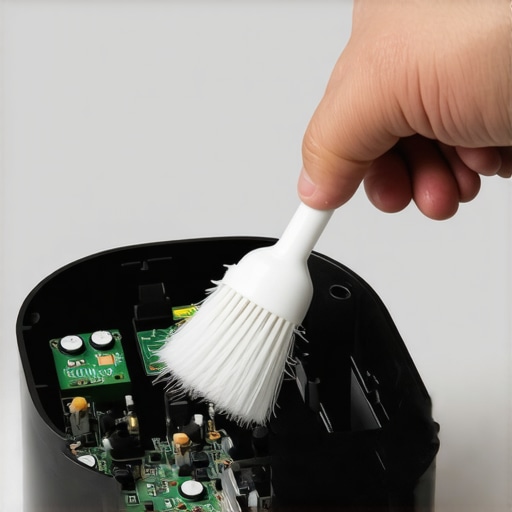
Start by gently removing the speaker grille, if possible, to access internal components. Use compressed air to blow out dust and debris from the drivers and ports. In my experience, a small, soft brush can dislodge stubborn dirt without damaging delicate parts, much like cleaning dust from a computer keyboard. Doing this at least once a year prevents accumulation that muffles sound and reduces volume.
Check and Reseat Loose Components
Look for loose or disconnected wires inside your speaker. A loose driver connection can significantly impair sound quality. Carefully reseat any floating connectors or wires, similar to plugging in loose headphone jacks, which can cause static or reduced volume. If you’re unsure, consult the speaker’s manual or consider professional help to avoid damaging delicate parts.
Address Obstructions and Environmental Factors
Ensure nothing is blocking the speaker’s ports or grills. Obstruction by furniture or dust buildup can dampen sound, much like a foggy window dulls a view. For outdoor speakers, consider the placement—overgrown foliage or debris can muffle bass and treble. Regularly cleaning and repositioning your device can dramatically improve sound clarity, akin to tuning a musical instrument for optimal performance.
Check for Moisture and Corrosion
Moisture can corrode internal circuits and degrade drivers. If your speaker has been exposed to humidity or rain, dry it thoroughly with a towel and leave it in a dry place for 24 hours. Using silica gel packets inside the enclosure can absorb residual moisture. This step can recover lost volume, similar to how dehumidifiers improve air quality in a room.
Test and Calibrate for Optimal Performance
Play familiar audio and listen for distortion, muffling, or volume drops. Use a smartphone app to measure output levels—many free tools are available. Adjust the EQ settings to compensate for any remaining deficiencies. Think of this like fine-tuning a guitar string for perfect sound; small adjustments can restore your speaker’s clarity. Also, ensure the firmware or software controlling the speaker is up to date, as updates can fix bugs affecting sound quality.
Update Firmware and Reset Settings
If your speaker supports updates, visit the manufacturer’s website for the latest firmware. Resetting to factory settings can clear glitches causing weak performance. Afterward, reconfigure your preferences. This process is comparable to rebooting a computer to resolve internal errors, often bringing back the original, vibrant sound quality you enjoyed when new.
 Many enthusiasts believe that purchasing high-end speakers or soundbars automatically guarantees superior audio quality. However, this is a misconception that can lead to costly mistakes. The truth is, many buyers overlook the importance of matching components, room acoustics, and setup expertise. For example, a premium speaker paired with poor room positioning can sound worse than a budget model used correctly. In my experience, understanding the nuanced relationship between speakers, amplifiers, and room environment is crucial for optimal sound.
One common myth is that bigger or more expensive equipment always delivers better results. While high-quality gear has its place, improperly configured or mismatched components can result in muddy sound, phase issues, or even damage to the equipment. For instance, using a powerful amplifier with incompatible impedance levels can cause distortion or internal wear. Don’t fall into the trap of believing that price equates to performance; instead, focus on proper integration and setup.
Is investing in the latest technology always the right move for audiophiles? More often than not, older gear with proper calibration outperforms brand new, poorly set up systems. Experts recommend paying attention to the details, such as speaker placement, cable quality, and room treatment, which often have a greater impact than the equipment brand. Check out this guide on portable speaker maintenance for tips applicable to all sizes of home audio setups—small adjustments can make a significant difference. Remember, creating an immersive listening experience is a combination of quality gear and knowledgeable setup.
Another critical oversight is ignoring the role of acoustics. Many assume that physical room treatment is unnecessary or too complex. In reality, minor adjustments like adding diffusers or bass traps can drastically improve clarity and imaging. If you’re struggling with dialogue clarity or boomy bass, it might be time to consider acoustic treatments rather than immediately upgrading hardware. For example, many users experience problems with dialogue intelligibility due to poor room acoustics rather than faulty equipment.
For the advanced audiophile, understanding the significance of impedance matching and signal flow is vital. Mismatched components can lead to reduced efficiency and distorted sound. Expert advice suggests regularly checking connections and testing headroom by using measurement tools—your ears will thank you. Additionally, firmware updates and calibration procedures can unlock hidden performance in your existing setup. Don’t forget to read this article on multi-room synchronization; precision is key for seamless audio experiences. Remember, the goal is to create a balanced, coherent soundstage, not just to fill the room with loud noise. Are you ready to rethink your audio setup? Have you ever fallen into this trap? Let me know in the comments.
Maintaining your home audio equipment requires more than just occasional cleaning; it demands the right tools and a systematic approach to diagnose and fix issues swiftly. Over time, dirt, dust, and even firmware glitches can impair your speakers, soundbars, or headphones, leading to a decline in sound quality. I personally rely on a few specialized tools to keep my setup in top shape and ensure that I enjoy flawless sound every day.
Invest in a Precision Sound Level Meter
One of my go-to devices is a professional-grade sound level meter, like the Alpha-SDP 2. It helps me measure output levels across my speakers and detect inconsistencies or drops in volume. Unlike smartphone apps, these meters provide highly accurate readings, allowing me to identify weak drivers or insufficient calibration. Regular testing with this tool ensures my system stays balanced, especially after repositioning or upgrades.
Use a Digital Audio Analyzer to Fine-Tune Performance
Another indispensable device is a digital audio analyzer, such as the Rohde & Schwarz ONDA. It provides detailed frequency response graphs and disturbance measurements, guiding me in calibrating equalizers and crossover settings. Proper calibration guarantees optimal clarity and prevents distortions that might be masked by less precise tools. For software-based analysis, I use REW (Room EQ Wizard), which is a free yet powerful tool for home audio tuning.
Keep Firmware Updated with Automated Utilities
Staying current with firmware updates is critical, especially for smart soundbars and wireless headphones. I rely on manufacturer-specific firmware managers, like the Yamaha Firmware Updater, to streamline this process. Regular updates fix bugs, improve compatibility, and often add new features that enhance long-term performance. Setting reminders to check for updates keeps my gear running smoothly without manual hassle.
Master Cable Testing with a Multimeter
Faulty wiring can silently sabotage your audio experience. I use a high-quality multimeter, like the Fluke 117, to test cable continuity and impedance. Confirming that connections are sound prevents static, weak signals, or failing component issues. Plus, this practice extends to speaker wiring, ensuring you don’t experience unforeseen disruptions.
Looking ahead, I predict that integrating smart diagnostic tools into home audio setups will become standard. Imagine apps that automatically detect issues and suggest fixes—saving time and money. For now, leveraging these specific tools ensures long-term reliability and excellent sound quality. I challenge you to pick one device like a digital audio analyzer or precision sound level meter and incorporate it into your routine. Not only will you catch problems early, but you’ll also develop a deeper understanding of your gear’s performance.
The Unexpected Lessons No One Tells You About Home Audio
Throughout my journey with home audio gear, I discovered that the real improvements often come from small, overlooked details—like regularly cleaning internal components or understanding the nuances of impedance matching. One lightbulb moment was realizing that even the highest-end equipment won’t perform optimally without proper setup and maintenance. For instance, calibrating my speakers with a digital audio analyzer uncovered subtle flaws in frequency response that casual listening never revealed. These insights have empowered me to get far more out of my system, transforming my listening experience from mediocre to museum-quality sound.
My Toolbox for Audio Excellence
Over time, I curated a set of tools that keep my system performing at its best. The Alpha-SDP 2 has been invaluable for measuring output levels and detecting inconsistencies, avoiding the common mistake of just guessing if something sounds off. I also trust the Rohde & Schwarz ONDA for detailed frequency analysis, ensuring every inch of my space provides optimal acoustics. Firmware update utilities from manufacturers like Yamaha’s improve reliability and unlock hidden features, while my trusty multimeter helps troubleshoot wiring issues before they cause audible problems. These tools have shifted my approach from reactive to proactive, ensuring ongoing audio bliss.
Embrace the Power of Sound with Confidence
Now, I want to encourage you to take your home audio to the next level. Whether you’re a casual listener or an aspiring audiophile, investing a little time and the right tools can yield spectacular results. Don’t be afraid to experiment with placement, calibration, or upgrades—small changes can make a huge difference. Remember, your listening environment is unique, and optimizing it is a rewarding journey. Ready to rediscover your favorite music with fresh ears? Share your experiences below, and let’s elevate our audio game together!