
I remember the moment clearly. I was in my ‘home audio’ store, eyeing a set of thick, shiny speaker cables that looked like they belonged in a high-end studio. The salesperson whispered about how cables worth hundreds of dollars could transform my listening experience. Honestly, I almost bought into it, but something didn’t sit right. Later, I realized I was about to spend a small fortune on a gadget that might not even deliver the promised upgrade.
This experience is common among audio enthusiasts and newcomers alike. Many believe that pricey speaker cables are essential for the best sound quality. They read reviews, see slick marketing, and assume that more expensive equals better. But after years of tinkering, listening, and comparing, I’ve come to see through the hype. The truth is, your budget-friendly cables can often provide superb sound without draining your wallet.
Decoding the Cable Conundrum: Do Price Tags Really Matter?
The world of audio cable pricing is a minefield. From $10 to over $500, the choices are dizzying. So, why do some spend a fortune on cables when equally good sound can be achieved with much less? The answer lies in understanding what really influences sound quality. It’s not just about the cash you drop, but about the actual performance and what your ears can truly perceive.
Early in my journey, I made the mistake of assuming that pricier cables would automatically improve clarity and bass response. I invested heavily and was disappointed when I didn’t hear the difference. It was a lesson in audiophile patience and skepticism—something I wish I had known earlier. Remember, even organizations like SoundGuys emphasize that cable quality often has minimal impact at the consumer level.
So, how do you avoid wasting money on something that might be a distraction rather than an enhancement? Today, we’ll unravel the secrets to choosing quality cables without overpaying, and I’ll share practical tips based on real-world listening tests. Whether you’re upgrading your sound system or just curious about the fuss, understanding this can save you both frustration and cash.
Is Your Love for Expensive Cables Just a Myth?
Many of us have fallen into the trap early on—buying into the idea that larger price tags mean better sound. I sure did. I spent hours researching and convinced myself that only the priciest cables could deliver that pristine clarity. But over time, I discovered that mistakes like ignoring proper speaker placement or not optimizing room acoustics make far bigger differences. To get the most out of your setup, focus on the fundamentals first. Curious? Check out our guide on common speaker placement mistakes to optimize your sound scene effectively.
Solidify Your Speaker Placement
The first step you should take is ensuring your speakers are correctly positioned. I once spent hours fine-tuning my bookshelf speakers, moving them an inch at a time until I found the sweet spot. Instead of just eyeballing, use the crawl method: sit in your listening position, crawl around the room, and note where the sound hits best. Place your speakers so that they form an equilateral triangle with your listening point, making sure they’re at ear level. Proper placement enhances clarity and bass without any additional expense.
Reduce Acoustic Interference
Hard surfaces reflect sound, causing echo and muddiness. To improve clarity, add soft furnishings, rugs, or even DIY acoustic panels. I experimented with simple soundproofing tricks like hanging blankets and moving furniture, which significantly cleaned up the sound. These modifications are affordable and easy to implement. Avoid placing your speakers too close to walls or corners, as this can muddy bass response—aim for at least a foot of space behind and beside them.
Configure Your Equipment Correctly
Next, dive into your amplifier or receiver settings. Most have presets or manual adjustments for bass, treble, and balance. Mimic my experience: I once set everything to flat, only to find vocals sounded dull. By carefully increasing treble and adjusting the equalizer, voices became crisp again, revealing details I hadn’t heard before. For those with surround sound systems, refer to audio configuration guides to optimize your sound profile for your room and source devices.
Optimize Source Components
Even high-quality cables or headphones won’t help if your source is subpar. Ensure your media players or gaming consoles are set to the best audio output. You can adjust settings directly on devices like the PS5, optimizing for surround sound or high fidelity, which dramatically improves your listening experience. Checking and updating firmware can also fix bugs that cause audio dropouts or distortion. For serious audiophiles, upgrading to quality interconnects can matter, but stay skeptical of ultra-expensive cables — often, they don’t deliver a perceptible difference over affordable options.
Fine-tune Without Breaking the Bank
Many improvements require little to no money. For instance, repositioning your soundbar or adjusting its tilt can fix muffled dialogue, as explained in soundbar troubleshooting tips. On a tight budget? Use books or stands to raise speakers to optimal height. Experiment with blocking reflective surfaces behind speakers with simple curtains or furniture. Sometimes, small tweaks make the biggest difference.
Many home audio enthusiasts believe that gear specs like wattage or the latest DAC model are the ultimate factors for great sound; however, this is often a misconception. One common myth is that higher power amplifiers always deliver more impactful sound. In reality, exceeding your speakers’ recommended wattage doesn’t make your system louder or better—it risks damaging your speakers and adding unnecessary distortion. Instead, focus on pairing your amplifier’s power output properly and ensuring it can handle clean, distortion-free signals at your listening levels, as outlined in expert guides like this detailed amplifier selection tutorial.
Another trap many fall into revolves around soundbar setup. It’s tempting to place a soundbar directly beneath the TV for simplicity, but this can cause audio-visual mismatch and muffled dialogue, especially if the soundbar blocks the TV’s remote sensor. Make sure to position the soundbar slightly forward or above the TV to optimize sound directionality and remote responsiveness. An easy mistake to avoid, but often overlooked, is ignoring the room’s acoustic treatment, which can significantly affect sound clarity. Adding affordable acoustic panels or even DIY solutions like hanging blankets can dramatically improve sound quality, according to research in acoustic treatment studies.
A little-known nuance involves headphones and their impedance matching. Many assume that high-impedance headphones require expensive high-powered amplifiers; however, this isn’t always true. For example, high-impedance models often need more current, but some modern devices and smartphones can still adequately drive them without additional gear. Conversely, low-impedance headphones can be easily powered but might produce more noise or distortion when used with powerful amplifiers. To prevent damage or subpar audio, always match your headphone impedance with your source’s output specifications, as explained in this comprehensive impedance matching guide.
Now, an advanced question for Enthusiasts: How does amplifier damping factor influence the bass response of your speakers? Contrary to popular belief, damping factor primarily affects how the amplifier controls speaker motion, which in turn impacts bass tightness and articulation. A higher damping factor generally results in tighter bass, especially with dynamic speakers. However, beyond a certain point, increasing damping factor yields diminishing returns. According to research from SoundGuys, understanding and optimizing damping can fine-tune your system’s performance for a truly immersive experience.
Remember, upgrading individual components without considering their interaction can lead to suboptimal results. It’s crucial to balance your entire system, including amplifier specs, speaker placement, acoustic environment, and source quality, to truly enhance your sound setup. Have you ever fallen into this trap? Let me know in the comments.
Tools I Recommend for Audio Maintenance
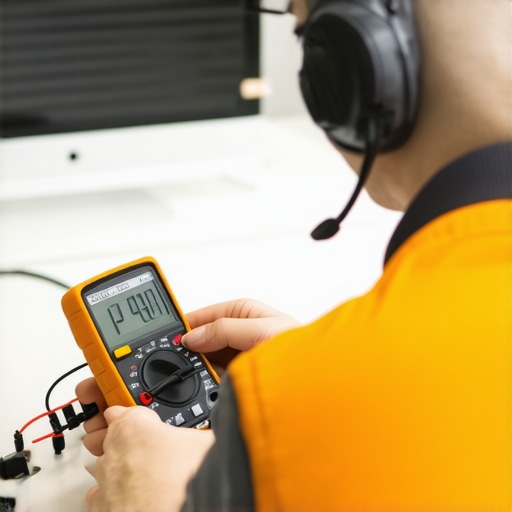
Maintaining your home audio system requires some specific tools to ensure everything stays in optimal condition. One essential device I rely on is a digital multimeter. It helps me troubleshoot and verify correct voltage and wiring continuity, which is crucial when setting up or repairing speakers and amplifiers. I personally use a Klein Tools MM6000 because of its accuracy and durability, ensuring I catch issues early before they cause damage.
In addition to a multimeter, I keep a calibrated ear and reference tracks—like high-quality recordings with bass and treble tests—to periodically check sound clarity and response. But technological tools can augment this process. For example, a Room Measurement Microphone paired with software like Dirac Live allows me to analyze acoustic issues and correct them electronically, saving me from costly acoustic treatments unless necessary.
Regular cleaning tools are also vital. I use a microfiber cloth and compressed air to keep connectors and vents dust-free, preventing performance deterioration over time. These simple steps extend the lifespan of sensitive components like soundbar circuitry and headphone drivers.
How do I maintain my sound equipment over time?
Consistent maintenance involves scheduled inspections and cleanings, checking cables for wear or corrosion, and ensuring your components are placed correctly—avoiding proximity to heat sources or humidity, which can damage electronics. Investing in a cooling fan or ventilation can help keep amplifiers and tube amps cool, prolonging their lifespan and maintaining audio fidelity. Additionally, periodically updating your device firmware and calibration settings guarantees that your system continues performing at its best.
Looking ahead, I predict emerging technologies such as AI-driven room correction and wireless self-maintenance sensors will make system upkeep even easier. These advancements will proactively alert you to issues before they impact sound quality, streamlining the upkeep process and keeping your listening experience pristine for years.
If you haven’t already, try implementing a tube amp maintenance check using a multimeter to verify proper operation. Regular upkeep may seem tedious, but the improved sound clarity and system longevity are worth the effort. Remember, the key is consistency—set reminders to check and clean your gear every few months, and your setup will reward you with enduring performance.
Lessons the Hi-Fi World Won’t Tell You Until You’re Ready
One of the most profound realizations I had was that audiophile myths often serve marketing agendas more than actual sound quality improvements. I once believed that spending thousands on premium cables and equipment was the only way to achieve concert-hall clarity. Yet, after countless hours listening and tinkering, I discovered that simplicity often wins—focused placement and room acoustics matter far more than brand names or price tags.
Many enthusiasts overlook the importance of room shape and furnishings, assuming their gear alone can transform their listening experience. The lightbulb moment came when I realized that optimizing the environment around my speakers, like adding curtains or rugs, significantly improved sound without extra expenses. It’s a reminder that your environment influences sound quality more than you think and is well worth focusing on.
Furthermore, I learned that proper calibration of your equipment—adjusting equalizers, speaker distances, and power settings—is a skill that pays dividends. It’s tempting to chase the latest gear, but fine-tuning what you already have yields surprising results. This approach fosters patience and journalistic curiosity, enriching your audio journey much more than blindly upgrading components.
My Personal Arsenal for Perfecting Home Audio The Real Gems
From trusty multimeters like the Klein Tools MM6000 to room measurement tools such as the Dirac Live software, my toolkit is curated through years of hands-on experience. These tools empower me to detect subtle issues and optimize my setup effortlessly, saving money and avoiding unnecessary upgrades. They’re trusted because they deliver measurable improvements—something that purely aesthetic or brand-focused accessories cannot guarantee.
Additionally, I rely heavily on high-quality reference tracks I’ve meticulously chosen. They let me listen critically, understand nuances, and identify distortions or weaknesses in my system. This disciplined listening complements technical adjustments and elevates overall sound quality. I recommend these tools and resources because they’ve been game-changers in my quest for audio perfection without the need for costly equipment.
Your Next Step: Make Listening Your Priority
Embarking on the journey of home audio upgrade isn’t just about buying gear—it’s about listening intently, experimenting thoughtfully, and understanding your environment. Remember, even the best gear can sound mediocre if improperly placed or calibrated. The real magic lies in balancing gear, environment, and your ears. Start with simple improvements, like repositioning speakers or adding soft furnishings, and see how your listening experience transforms. What small tweak has made the biggest difference in your setup? Share below—I would love to hear your story.