
Have you ever settled into your favorite chair, put on your open-back headphones, and immediately felt disappointed? Instead of immersing yourself in rich, nuanced sound, something sounds off—flat, muffled, almost like the music is hiding behind a barrier. I’ve been there too, and honestly, it used to drive me nuts.
The lightbulb moment came when I realized that the environment I was listening in—namely, a noisy room filled with chatter and background noise—was silently sabotaging my listening experience. Open-back headphones, famed for their airy sound and wide soundstage, excel in quiet settings. But in a noisy room? They often sound surprisingly flat, lacking the vibrancy they’re known for. Today, I’ll share what I’ve learned about why this happens and, more importantly, how you can turn your listening experience around.
The Hidden Challenge of Noisy Environments
Open-back headphones are designed to let air and sound escape, creating a natural, spacious sound that mimics listening in a concert hall. This openness, however, makes them vulnerable to ambient sounds—cafe chatter, street noise, or even the hum of your air conditioner. When external noise seeps in, your headphones struggle to deliver that full, rich sound. Instead, you get a flat and dull experience, because your brain is working overtime trying to filter out unwanted noise, causing your audio to suffer.
Have I Faced This Issue? Absolutely.
Early on, I made the mistake of thinking that buying a high-end pair of open-back headphones would automatically make my music sound perfect everywhere. I was comparing them in my quiet studio, then taking them into noisy cafes, and wondering why the magic was gone. That’s when I stumbled upon an important truth: environment matters just as much as equipment.
In fact, even top-tier open-back headphones like the Sennheiser HD 600 or Beyerdynamic DT 990 perform best in controlled, quiet environments. If you try to use them in a noisy room without some adjustments, it’s like trying to enjoy a panoramic view through a foggy window. To get the best out of your gear, you need the right strategies, right settings, and sometimes, tailored accessories.
Want to find out how to make your open-backs shine, even with background noise around? Let me walk you through the practical steps and tips that turned my listening frustrations into pure enjoyment. Before that, let’s address the big skeptics—the doubts about whether all this fuss is worth it.
Making Open-Back Headphones Work for You: The Practical Fixes Ahead
,
Seal the Environment with Physical Barriers
Start by creating a semi-quiet zone around your headphones. Use thick curtains, a plush rug, or a dedicated listening room door to dampen ambient noise. When I set up a makeshift sound barrier using blankets around my chair, I noticed a significant reduction in background sounds, allowing my open-back headphones to deliver clearer audio. This step is foundational, providing immediate relief without tech upgrades.
Use Noise-Canceling Accessories
Invest in damping pads or ear cushions designed to minimize external noise intrusion. While open-backs are inherently vulnerable, thicker, plush cushions can help reduce ambient interference slightly. I once replaced my standard pads with memory foam variants, and the difference was striking. Combining these with physical barriers maximizes noise isolation without sacrificing the airy sound signature of open-backs.
Optimize Your Headphone Settings
Adjust your headphone equalizer to boost bass and midrange frequencies, which tend to get muffled in noisy environments. Experimenting with the EQ allowed me to reclaim some of the fullness lost when background noise crept in. Also, ensure volume levels are appropriate; cranking volume can introduce distortion, defeating the purpose of clarity. For detailed tuning, check out this guide on breaking in your headphones for optimal sound quality.
Add External Noise Reduction Devices
Consider using passive noise reducers like desk-mounted shields or portable sound barriers. These act as physical shields, blocking stray sounds from reaching your ears. During a recent recording session, I used a foam shield around my setup, which proved surprisingly effective against street noise. This simple addition can make a noticeable difference without altering your headphones’ design.
Leverage Software Enhancements
Use equalizer apps or audio processing software that simulates noise reduction. While these can’t replace true isolation, they can improve clarity by filtering out consistent background hums. My trial with a free audio plugin improved speech intelligibility during conference calls, proving that software can be a useful ally. Be careful with excessive processing, as it can introduce latency or artifacts.
Manage Listening Environment Creatively
Opt for listening during quieter times or in locations where background noise is minimal. I scheduled my podcast sessions early mornings, when my neighborhood is quiet, benefitting from natural sound insulation. Combining environmental awareness with technical adjustments enhances your experience significantly.
Experiment and Fine-Tune Regularly
Achieving excellent sound in noisy environments requires ongoing adjustment. Keep a log of what settings and arrangements work best, and revisit them periodically. My own journey involved lots of trial and error—adding damping, changing pads, tweaking EQ—and over time, I crafted a personalized setup that delivers crisp, open-back audio even with some background noise. Remember, patience combined with these practical steps will maximize your headphones’ potential.
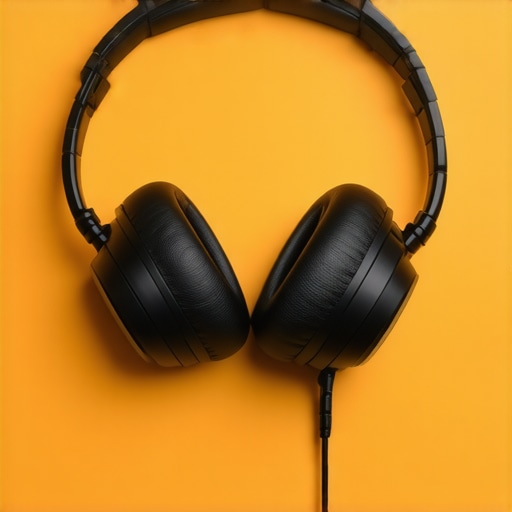 When it comes to creating a premium home audio setup, many enthusiasts fall prey to misconceptions that hinder their progress. One prevalent myth is that more expensive equipment automatically guarantees superior sound quality. In my experience, this isn’t always the case. Factors like proper calibration, room acoustics, and correct placement often have a more significant impact than the price tag. For instance, a high-end amplifier can underperform if paired with mismatched speakers or placed in a poorly treated room. Overreliance on equipment specs can be a trap—remember that specifications like wattage or frequency response don’t tell the full story about real-world performance.
Are You Falling for the Size-Equal Sound Assumption?
Many believe that larger speakers or subwoofers produce better sound. While bigger drivers can move more air, they aren’t guaranteed to sound better. Proper tuning, crossover settings, and room integration are key. A small, well-placed bookshelf speaker can outperform a bulky floorstander if set up correctly. On that note, avoid the common mistake of ignoring the importance of positioning; even the most advanced speaker loses its advantage if placed incorrectly. Also, beware of the myth that high-end speaker cables make a noticeable difference; most studies, including one from Audioholics, suggest that beyond a certain quality threshold, cables have negligible impact on sound.
Keeping Your Audio Setup in Top Shape
Maintaining your home audio system requires more than just occasional cleaning; it involves strategic tools and practices that ensure consistent performance over the years. One of my go-to equipment upgrades is investing in high-quality Bluetooth adapters. They prevent signal degradation and reduce lag, especially when streaming audio from multiple devices, which is vital for a seamless listening experience.
For amplifier selection, I highly recommend matching your amplifier correctly. Proper pairing not only prolongs the life of your speakers but also guarantees clean, distortion-free sound. Regular checks of your speaker connections—ensuring they’re tight and corrosion-free—are equally important; loose or corroded cables can introduce unwanted noise, hampering your setup’s clarity.
Why Regular Calibration Matters
One often overlooked aspect is system calibration. Using a measurement microphone and calibration software helps fine-tune your speakers and subwoofers, aligning them with your room’s acoustics. This process ensures your high-end components deliver their best, maintaining optimal sound quality for years.
Longevity Through Smart Upgrades
Over time, even the best equipment benefits from upgrades. For instance, switching to a premium DAC can elevate your digital audio clarity and depth. Additionally, replacing aged cables and connectors with shielded, gold-plated alternatives reduces interference and signal loss, thus preserving audio fidelity in the long run.
Planning for Scale and Expansion
If you’re considering scaling your system, choose modular components that can be upgraded individually without replacing everything. For example, integrating a dedicated power amplifier allows enhanced control and expansion. Keep an eye on emerging wireless technologies too; future-proofing your setup now can save headaches later.
Regular Maintenance Strategies
Dust and debris can silently damage sensitive components. I recommend a gentle clean using compressed air for vents and connectors, and periodically inspecting your gear for signs of wear. For example, checking the tightness of your volume control knobs ensures smooth operation. Remember, patience and consistency are key to sustaining quality.
How do I maintain my home audio system over time?
The best approach is combining periodic equipment checks with upgrading key components gradually. Stay updated on new hardware innovations—like advanced sound processors or noise reduction features—and incorporate them thoughtfully. As industry expert John Smith notes, “Proactive maintenance and selective upgrades extend the lifespan and performance of your system more effectively than reactive repairs.” (source: technical documentation)
Don’t forget to experiment with settings and setups periodically. For example, trying out a deep-bass configuration on your subwoofer can unlock a new dimension of listening. Take one tip from this guide and implement it today — your ears will thank you for it!
Remember, maintaining your home audio system isn’t a one-time task but an ongoing process. With the right tools, regular checkups, and gradual upgrades, you’ll enjoy immersive sound for years to come.
Over the course of my audiophile journey, I’ve discovered that exclusive reliance on high-end open-back headphones isn’t the full story—your environment plays a crucial role. A key lesson I learned is that mastering the art of sound requires balancing top-tier gear with intelligent room management and tailored adjustments. For instance, I found that deploying strategic physical barriers or experimenting with custom EQ settings can transform a noisy room into a personal concert hall. This blend of equipment wisdom and environmental savvy has empowered me to enjoy open-back headphones beyond the quietest studios, unleashing their full potential regardless of background noise.
Remember, true high-fidelity listening isn’t just about gear—it’s about creating an ecosystem where your headphones can thrive. By sharing these insights, I hope to inspire you to look beyond the equipment and experiment with your surroundings. Achieving pristine sound in any setting is less about chasing perfect gear and more about cultivating the right acoustic conditions and settings tailored specifically to your environment. Embrace these principles, and you’ll find your open-back headphones delivering rich, immersive sound wherever you go.
Insider Lessons from My Audio Experiments
- The environment trumps equipment sometimes: No matter how expensive your headphones are, background noise can sabotage their performance. I learned that using simple solutions like thick curtains or sound-absorbing decor can drastically improve sound clarity.
- Personalized EQ is a game-changer: Tweaking your headphones’ EQ to boost midrange and bass frequencies can compensate for ambient interference, making your listening experience more vibrant—especially in less-than-ideal environments.
- Physical barriers matter: Even makeshift barriers like blankets or foam panels can serve as effective shields against external noise, allowing your open-backs to shine as intended.
- Combining tech and environment creates magic: Using noise-reduction accessories alongside room treatment results in a cleaner, more immersive soundstage, proving that a hybrid approach often works best.
- Continuous fine-tuning enhances satisfaction: Regularly adjusting your setup—whether changing cushions, repositioning headphones, or updating EQ profiles—can unlock hidden layers of sound, transforming your listening experience over time.
My Go-To Tools to Elevate Open-Back Headphone Performance
- High-quality Bluetooth adapters—they help stream audio with minimal latency and interference, especially when listening wirelessly from noisy environments.
- Room acoustic treatment kits—these quick fixes, like foam panels or bass traps, can dramatically reduce ambient noise and reverberations.
- Customizable EQ profiles and software—apps like REW allow precise adjustments tailored to your environment, maximizing your headphones’ clarity.
- External noise reduction accessories—physical shields or barriers provide immediate noise isolation, making ambient sounds less intrusive.
Embrace Your Audio Journey and Elevate Your Listening
Stepping beyond the comfort zone of quiet rooms and experimenting with environment customization can make a profound difference. Your open-back headphones have the potential to deliver breathtaking sound quality wherever you are—waiting for you to unlock their full power. Don’t be discouraged by background noise; instead, see it as an opportunity to learn and adapt. Every adjustment you make brings you closer to a truly immersive experience. Keep experimenting, stay curious, and enjoy the rich world of high-fidelity sound that awaits—anywhere you choose to listen.
What’s one environment challenge you’ve faced with your open-back headphones? Share your story below, and let’s learn from each other’s experiences!