
Ever had that sinking feeling when your shiny new headphones arrive, only to realize they don’t quite live up to the hype? I remember the day I finally saved up for a pair of premium headphones after months of saving and dreaming. Excitedly, I unboxed them, expecting revolutionary sound quality. But what I got was often muddy, distorted, and nowhere near the clarity I’d seen in reviews. It was a lightbulb moment—many of those “premium” headphones on marketplaces might not be genuine.
Why Cheating the Consumer Is Easier Than Ever
These days, a quick glance at online marketplaces can make it seem like everyone is offering high-end headphones at a steal. But not all that glitters is gold. Many counterfeit products look almost identical to authentic ones, but they’re made with cheaper materials and inferior components. I fell for this myself early on, purchasing what I thought was a pair of top-tier brands, only to discover the sound was murky, and the build felt cheap. Thankfully, there are ways to clean and verify quality. That experience taught me the importance of knowing what to look for and how to avoid being duped.
Is It Worth the Risk to Buy on Marketplace?
Many folks assume that paying less is always better, but the real issue is whether you’re getting genuine quality. I’ll show you what to check to separate the real deal from the fakes, so you don’t waste your hard-earned cash. Identifying counterfeit headphones isn’t just about saving money—it’s about protecting your ears and your auditory experience. Genuine headphones are designed with sophisticated technology and quality controls that fake ones simply can’t match.
Are you tired of falling for low-quality imitations? Want to know how I learned to spot fakes without needing a degree in audio engineering? Stick around. I’ll walk you through some simple, proven tips to ensure your next purchase is authentic, trustworthy, and worth every penny.
What’s Next? Your Guide to Authenticity
Now that we grasp why this matters, let’s dive into how to spot fake premium headphones before clicking ‘Buy.’ From examining build quality to scrutinizing packaging details, I’ll share the insider tricks I’ve picked up. And if you’re curious about how to get the most out of your genuine gear, check out my guide on soundbar remote issues. Ready to become a smart shopper? Let’s get started!
Inspect the Build Quality and Materials
Start by examining the physical aspects of the headphones or speakers. Genuine high-end gear uses premium materials: metal housings, thick cables, and sturdy connectors. In my experience, handling a real pair of headphones, I noticed the weight and texture felt substantial compared to cheap fakes which feel hollow or plasticky. Check for uneven seams, misaligned parts, or rough finishes—they’re often signs of counterfeiting. Remember, authentic brands invest in precision manufacturing, so anything off can be a red flag.
Examine Packaging and Labels Carefully
Authentic products usually come with high-quality packaging, clear labels, and consistent branding. Look for spelling errors, blurry prints, or mismatched fonts. For example, I once purchased what I thought was a premium brand, but the box’s font was slightly different, and the logo was misaligned. These subtleties reveal the product’s true nature. For added verification, compare the packaging with official images available on the brand’s website.
Verify Serial Numbers and Barcodes
Most genuine hardware comes with unique serial numbers or barcodes. Scan or cross-reference these on the official brand site or authorized reseller portals. I had a moment of doubt when I found a serial number that didn’t match their database. Contacting customer support with this info quickly confirmed my fears—my headphones were counterfeit. This step is crucial; never skip it when buying high-end gear from marketplaces.
Listen and Test the Sound Quality
Real premium headphones and speakers deliver clear, balanced sound with details across bass, midrange, and treble. I once ordered a pair online and, upon testing, found the sound muddy and lacking depth. It was a telltale sign of inferior components. If possible, compare the sound with a verified genuine unit or listen for inconsistencies like excessive distortion or muffled audio which often indicate fake versions. For speakers, ensure distortion-free output at different volume levels.
Check for Proper Accessories and Documentation
Authentic items include high-quality manuals, warranty cards, and accessories like cables and adapters. If these are missing or look cheaply made, be suspicious. I remember once receiving a set of headphones with a flimsy carry case and a manual with poor printing—clear signs it was a fake. Proper documentation also often includes holographic stickers or seals that are difficult to replicate.
Research Seller Reputation and Reviews
If purchasing online, investigate the seller’s history. Trusted sellers typically have positive feedback, verified badges, and transparent policies. I learned this the hard way by buying from a less-than-reliable seller whose reviews mentioned fake products. Stick to authorized dealers or official stores whenever possible. When in doubt, directly buy from the brand’s store or website to guarantee authenticity.
Compare Pricing and Offerings
If the deal seems too good to be true, it probably is. Extremely discounted prices on high-end headphones or speakers are often a bait. I once saw a set listed at 70% off; upon closer inspection, it lacked authenticity markers. Remember, quality comes at a price. If a marketplace price is significantly lower than the official retail price, proceed cautiously and verify through multiple steps, including contacting customer support for confirmation.
Utilize Verification Tools and Resources
Some brands offer online tools for verifying serial numbers or authenticity. Additionally, online forums or dedicated communities can help identify fakes. I regularly consult Trusted Reviews and Reddit communities to cross-verify suspicious items. These platforms often share detailed images and tips that help distinguish real from fake, saving me from costly mistakes.
By systematically applying these steps—scrutinizing build quality, packaging, serial numbers, sound performance, documentation, seller reputation, pricing, and verification resources—you can significantly reduce the risk of purchasing counterfeit audio gear. Remember, patience and due diligence are your best allies in securing genuine, high-quality equipment that justifies your investment and protects your auditory health.
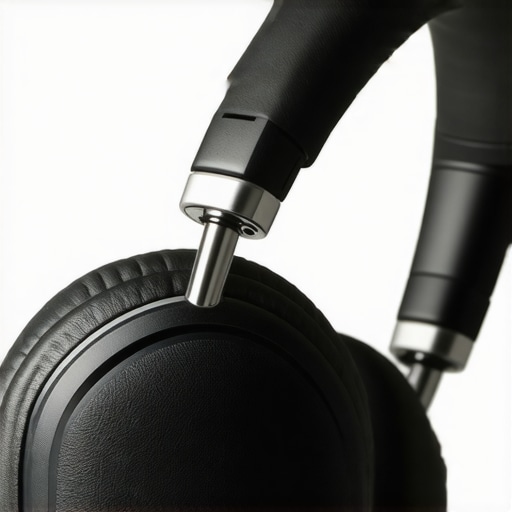
When it comes to home audio gear, many enthusiasts and newcomers alike share a common misconception: that higher wattage or more expensive components automatically guarantee better sound. But in my experience, this oversimplification often leads to overlooked nuances that truly define audio quality. One prevalent mistake is assuming that amplifiers with higher power ratings will necessarily produce cleaner, louder sound at all volume levels. The reality is more complex; the quality of the amp’s circuitry and its ability to handle dynamic ranges are equally crucial. For instance, a low-quality amplifier may clip during peaks, distorting audio unexpectedly, even if it’s rated for high wattage. This underlines the importance of understanding the amplifier’s headroom and damping factor, aspects that many overlook when shopping. Investing in the right amplifier can dramatically improve your system’s clarity.
Is Bigger Always Better? The Myth of Wattage
Many believe that cranking up the wattage will drown out any issues with sound clarity, but this can be a dangerous misconception. Excessive wattage without proper matching can cause damage or produce a muddy, listen-fatiguing experience. Moreover, speakers are often misunderstood; choosing high-wattage speakers might seem ideal, but their sensitivity ratings and impedance compatibility often matter more. Sending high power to inefficient speakers can result in distorted bass or harsh treble, especially if crossovers aren’t correctly configured. This advanced nuance is why expert setups carefully balance amplifier power and speaker sensitivity, avoiding the common trap of overspending on power without understanding the system’s holistic needs. As sound engineer Dr. Floyd Toole emphasizes, matching components based on their technical compatibility yields better results than simply opting for the highest wattage. Misaligned power handling can cause timing issues too—the subtle details matter. Remember, it’s about harmony, not just volume or cost.
The Subtle Art of Speaker Placement
One of the most overlooked yet impactful factors is speaker placement. Many believe that the quality of the speaker alone determines sound experience, but positioning can make or break your system. Incorrect placement leads to comb filtering, nulls, and peaks in your frequency response, resulting in uneven soundstage and muddiness. For example, placing bookshelf speakers too close to walls accentuates bass, sometimes causing boomy or muddy sound, misleading users into thinking their speakers are flawed. Conversely, a well-placed speaker can significantly enhance perceived clarity and imaging, even with modest equipment. The masterclass in placement involves understanding room acoustics and subtle tweaks, such as toe-in angles or elevation, which experts like Ethan Winer discuss in their acoustics guides. Getting this right can prevent you from wasting money on upgrades that mainly address positioning errors. So, before looking into amplifiers or cables, consider your room’s acoustic treatment and speaker positioning—this is where true audiophile expertise begins. Proper placement isn’t glamorous, but it’s essential for genuine sound quality. Have you ever fallen into this trap? Let me know in the comments.
How do I maintain my audio equipment over time?
Maintaining your home audio system isn’t just about occasional cleaning; it involves a combination of proper tools, routine checks, and understanding the nuances of each component. Personally, I rely on a set of specific tools to ensure my amplifiers, speakers, and headphones continue delivering optimal sound. For example, a high-quality contact cleaner like DeoxIT is indispensable for cleaning potentiometers and switches, preventing crackling sounds and ensuring reliable operation over years. I also use a digital multimeter to verify electrical continuity and identify potential issues early, avoiding costly repairs down the line.
When it comes to desk setups or speaker placements, a laser distance meter helps me fine-tune positioning for optimal acoustics, especially in irregular rooms. Regular inspections with a flashlight can reveal dust buildup or corrosion, which I clean using a soft brush and a microfiber cloth. For delicate velvet ear pads, I follow expert tips from this guide to avoid ruining their texture. Maintaining cables is crucial too; I check for cracks and replace worn-out sections to prevent signal loss and interference.
In addition to physical maintenance, software updates for AV receivers and soundbars help improve compatibility and sound quality. Many manufacturers release firmware patches addressing bugs or adding features. Setting a recurring reminder to check for updates via official support pages can extend your gear’s lifespan significantly. For example, a timely firmware update on my soundbar improved dialogue clarity, making late-night movies more enjoyable without disturbing others.
Tools I Recommend for Long-Term Sound System Care
Investing in a few key tools can save you money and frustration. A spectrum analyzer app on your smartphone, paired with a calibrated microphone, allows you to measure room response and identify problematic frequencies—perfect for fine-tuning your acoustic environment. I’ve used tools like REW (Room EQ Wizard) before and found it invaluable for setting crossover points or verifying subwoofer integration.
For physical cleaning, a gentle vacuum with a soft brush attachment is excellent for removing dust from heat sinks and vent areas, helping components stay cool. If any parts need more delicate attention, such as removing dents from metal tweeter domes, I trust techniques outlined in this article.
As technology evolves rapidly, staying current with firmware updates and understanding the hardware’s lifespan will be key to enjoying consistent high-quality sound. In the future, I predict that smarter, self-maintaining systems will become commonplace, automatically alerting us to potential issues and scheduling repairs or updates. Until then, routine manual upkeep remains essential.
Take one actionable step today—try applying a contact cleaner to your amplifier’s potentiometers or switches. It’s a simple yet highly effective way to prevent audio problems down the line and keeps your system sounding pristine. Remember, consistent maintenance is the best investment in preserving your audio experience and getting the most out of your gear.
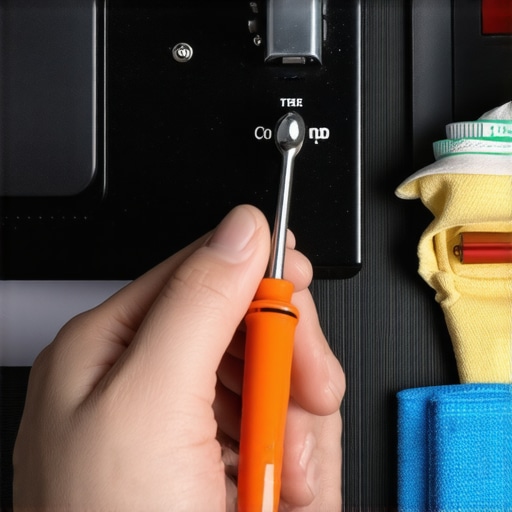
Over the years, I’ve realized that the deepest insights about high-quality amplifiers, speakers, and headphones often come from mistakes and surprises I didn’t expect. One of the most valuable lessons I learned was that even the most renowned brands aren’t immune to counterfeits or quality control issues. It’s easy to assume that a brand’s reputation guarantees authenticity, but lurking in the marketplace are fakes that look convincing until you listen carefully or inspect closely. This experience taught me to develop a keen eye for detail—whether it’s examining subtle packaging discrepancies or the feel of premium materials. Recognizing these clues has saved me from costly mistakes and helped me enjoy sound experiences that truly match the investment I’ve made.
What Nobody Tells You About Avoiding Fake Audio Gear
- Quality Starts at the Packaging: Authentic gear arrives with impeccable packaging—crisp printing, proper holograms, and precise branding. I once bought a pair of headphones with blurry logos and misaligned fonts, telling me immediately I was dealing with a fake.
- Serial Numbers Are Your Best Friends: Always verify serial numbers directly with the manufacturer or authorized sellers. I found a serial mismatch that saved me from a dud, reinforcing the importance of this quick check.
- Trust Your Ears and Feel: Genuine high-end audio gear offers balanced, distortion-free sound and feels solid. If your gear feels cheap or sounds muddy, it’s probably a fake—no matter the price tag.
- Research the Seller’s Reputation: Avoid unknown marketplaces with suspiciously low prices. Stick with verified sellers or official brand stores, which often have safeguards in place.
- Price Is Not Always the Deal: Breathtakingly low prices on premium products are a red flag. If it seems too good to be true, it probably is, as I’ve learned from buying into scams myself.
How I Changed My Approach to Home Audio Upgrades
Switching from guesswork to informed decisions transformed my audio experience. I started measuring room acoustics and experimenting with speaker positioning, learning that a small tweak can make a massive difference. I also prioritized routine maintenance—cleaning connections, updating firmware, and inspecting components—keeping my gear performing at its best. This proactive attitude not only prolongs the life of my equipment but ensures every listening session is a pleasure, free from annoying distortions or connectivity issues.
Gear That Means Business: My Go-To Picks for Audio Excellence
- Quality cleaning tools for maintaining ear pads and delicate speaker parts ensure longevity and hygiene.
- Reliable calibration software like REW helps me optimize room acoustics at home.
- Manufacturer verification sites for serial and authenticity checks provide peace of mind when shopping online.
- Expert forums and communities give insights that go beyond specs and reviews, revealing real-world performance data.
Your Journey to Authentic Audio Begins Today
Remember, mastering the art of authentic gear investigation isn’t just about saving money—it’s about preserving your auditory health and enjoying true sound clarity. Each step you take toward understanding what makes genuine high-end audio special is a step toward enriching your daily listening experience. Whether you’re upgrading your soundbar, headphones, or amplifier, embracing these insider tips will empower you to make smarter, more satisfying choices. Keep exploring, stay curious, and don’t settle for anything less than genuine sound perfection.
What has been your biggest realization when it comes to choosing authentic audio gear? Share your story below—I’d love to hear about your journey to better sound!