
Have you ever found yourself standing in front of a sleek, high-end audio receiver, only to hesitate at the price tag? I remember the first time I did that—heart pounding, fingers hesitant over my credit card—thinking, “Is this really the best deal I can get?” It was frustrating, feeling like I was missing the boat every time a great deal slipped through my fingers. But then, I had a lightbulb moment. I realized that timing is everything when it comes to buying premium sound equipment. Waiting for the right moment could save me hundreds, maybe thousands. And I’m here to tell you—there’s a strategy behind the perfect purchase, and you don’t have to be an expert to master it.
Why Waiting for the Right Sale Pays Off Big Time
Timing your purchase can mean the difference between paying full price and snagging that high-end receiver at a fraction of the cost. Many seasoned audiophiles swear by their secret weapon: knowing when to buy. The best deals usually happen during specific sales seasons or promotional events—like Black Friday, Cyber Monday, or end-of-year clearances. Early on in my own journey, I made the mistake of jumping on deals without considering seasonal patterns, which often led to overpaying. Now, I watch for these windows of opportunity. According to industry experts, retail prices tend to drop significantly during certain periods, making it the perfect time to buy high-quality gear without breaking the bank. Want to learn how to spot these moments? Keep reading, because I’ll share the insider tips that turned my hobby into a savings spree.
Skeptical about Timing? Here’s What I Got Wrong
I’ll admit it—I once bought a receiver during a mid-summer sale, expecting to save big. But the price was still steep, and I wasn’t as diligent about timing my purchase. Later, I realized that some of the biggest discounts happen when new models are announced or during specific sales events. One mistake I made early on was not research the typical sales cycles or compare prices across different retailers. If you’re not careful, you could end up missing the best opportunities. To avoid this, I recommend keeping an eye on reputable deal sites and signing up for alerts from trusted sellers. For more insights on how to maximize your savings, check out this detailed guide on [when to buy high-end audio gear](https://premiumsounddeals.com/how-to-wire-an-old-passive-sub-to-a-new-digital-receiver).
So, have you ever missed out on a killer deal because you didn’t know the right timing? If so, you’re not alone, but the good news is, with a little patience and strategy, you can change that. Up next, I’ll walk you through specific tips and seasonal patterns to watch for so that your next high-end receiver won’t just be a dream, but a well-timed reality.
Identify Key Retail Sales Periods
Begin by familiarizing yourself with major sales events like Black Friday, Cyber Monday, and end-of-season clearances. During my own experience, I marked these dates on my calendar and checked retailer newsletters regularly. This proactive approach allowed me to anticipate price drops rather than react late, saving me a significant amount on a high-end soundbar. Keep a list of these dates and set reminders to start monitoring prices a few weeks in advance.
Set Up Price Alerts and Track Trends
Leverage tools like price tracking websites or browser extensions to receive notifications when your target equipment drops in price. For instance, I used a price alert for a pair of headphones I wanted, which alerted me to a sale during a quiet midweek. This avoided the weekend rush and resulted in a better deal. Consistently tracking prices helps you recognize normal price fluctuations and identify genuine discounts from temporary promotions.
Understand Seasonal and Model Cycle Patterns
Research typical product release and discount cycles. Manufacturers often announce new models in the fall, which usually leads to discounts on previous versions. When I learned that certain speakers go on sale after new models are announced, I timed my purchase accordingly, avoiding the premium prices associated with the latest releases. Visit forums, manufacturer websites, or dedicated deal sites to comprehend these cycles better.
Learn to Recognize Genuine Discounts
Beware of fake sales or artificially inflated original prices. I once saw a receiver marked down by $300, but the original price was inflated, making the discount look larger than it was. Always compare prices across multiple reputable retailers and use historical price data from tools like CamelCamelCamel or Keepa. This ensures you’re genuinely getting a deal rather than a marketing ploy.
Time Your Purchases for Compatibility and Upgrades
If you’re upgrading existing equipment, plan your purchase to coincide with other necessary upgrades. For example, if your amplifier needs rewiring or your speakers require specific mounting, coordinate these tasks to minimize additional costs and installation anxiety. I once bought a new subwoofer just before upgrading my receiver, which then required me to rewire my old passive sub—learned that the hard way from my previous mistake. Review guides like how to wire an old passive sub to a new digital receiver to ensure compatibility and avoid wastage.
Utilize Discount Codes and Refurbished Deals
In addition to timing sales, look for extra discount codes, open-box specials, or certified refurbished gear. During a sale, I applied a coupon code I found through a newsletter, which further reduced my receiver’s price. Check retailer websites and third-party coupon sites, but verify the legitimacy of discounts. Certified refurbished items often come with warranties and can be a smart move for high-end gear at a lower cost.
Remember, patience and diligent monitoring are your best tools. By knowing when to buy and how to spot real savings, you’ll transform your home audio setup without breaking the bank. Make sure to regularly review deals, compare prices, and stay informed about industry cycles to consistently make smart, timely purchases.
Many enthusiasts believe that simply choosing top-tier equipment guarantees superior sound, but this oversimplifies the complexity of a truly immersive audio experience. In my years of tinkering and listening, I’ve uncovered nuances that often escape even seasoned audiophiles. One common myth is that more expensive gear always equals better sound. While high-end components have their place, the reality is that proper setup and understanding of your environment can make a more noticeable difference. For instance, how you position open-back headphones dramatically impacts soundstage and clarity, which some overlook when investing solely based on specs.
Another trap many fall into is believing that a larger amplifier will automatically improve sound quality for high-impedance headphones or speakers. In reality, an overrated amp can introduce distortion or noise, especially if it’s mismatched with your gear. This is where knowing how to recognize amplifier clipping becomes critical. An overpowered or underrated amp might harm your equipment or degrade your listening experience.
So, should you always chase the latest tech?
Not necessarily. Sometimes, older or vintage equipment can outperform current models if properly maintained and integrated. Opting for vintage amps can deliver richer sound, thanks to their power supply quality and circuit design, aspects often overlooked in modern, mass-produced gear.
Additionally, pay attention to room acoustics and speaker placement. Many assume that upgrading speakers alone makes the biggest difference, but the room’s geometry, furnishings, and even carpet placement can significantly influence sound quality. For example, the height at which you mount surround sound speakers impacts hearability and sound directionality. Proper positioning can transform your audio from acceptable to exceptional.
Finally, avoid the 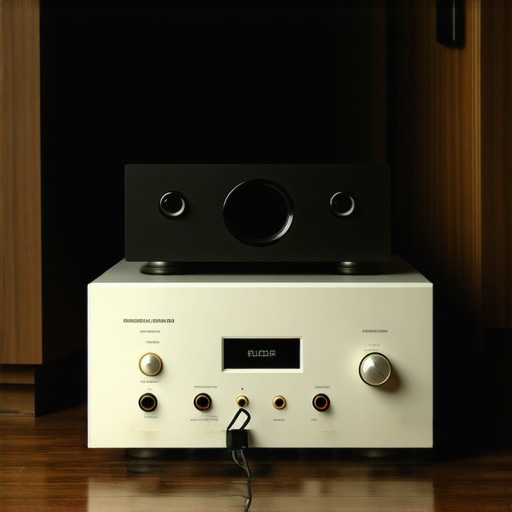 that many fall into—that of focusing solely on equipment prices and brands—without considering synergy and setup. Recognize that budget IEMs can sometimes outperform pricier wireless earbuds when correctly matched to the user’s needs and environment.
Have you ever fallen into this trap? Let me know in the comments. Remember, mastering the art of audio often depends on subtle details, so digging into these nuances can elevate your entire listening experience beyond what raw specs can offer.
Keep Your Gear Running Smoothly: Essential Maintenance Strategies
Maintaining your audio equipment is crucial for ensuring long-term performance and sound quality. Unlike often overlooked components, regular upkeep can prevent costly repairs and keep your system performing at its best. One of my go-to tools for ongoing maintenance is a high-quality compressed air can. I use it to gently blow out dust from speaker grills, ports, and internal components—improving airflow and reducing overheating risks. For example, regularly cleaning the dust accumulated around your amplifier’s vents can significantly extend its lifespan and prevent thermal shutdowns. Remember, unaddressed dust can cause components to work harder, leading to early wear and degraded sound quality.
Another essential step is inspecting and tightening connections periodically. Over time, vibrations from playback can loosen speaker wires or input plugs, resulting in intermittent sound or reduced clarity. I recommend using a reliable multimeter to check the continuity of cables and confirm proper grounding, which minimizes noise and hum issues. Proper grounding is often overlooked; for example, grounding your turntable correctly can eliminate hum caused by ground loops—a common problem that disrupts your listening experience.
How do I maintain my home audio setup over time?
Implementing routine checks every few months ensures your system remains in top shape. Clean headphone pads and ear tips with a gentle disinfectant, and replace worn-out cushions—this small maintenance step preserves comfort and hygiene. For wireless earbuds, keeping their firmware updated guarantees optimal pairing and sound performance. To dust off and protect your speakers, use a microfibre cloth and avoid harsh cleaners that can damage surfaces. Additionally, inspecting and replacing worn speaker foam surrounds helps maintain sound fidelity over the years; if you notice a muffled or boomy sound, it might be time for a repair or upgrade to the surrounds. For in-depth guidance, check out expert advice on maintaining vintage amps, like cleaning scratchy pots or replacing worn tubes, which can breathe new life into old gear.
Looking ahead, as smart home integrations become more prevalent, maintenance will increasingly involve software updates and network security. Ensuring your firmware is current can prevent connectivity issues, such as Bluetooth dropouts or Wi-Fi interference. Additionally, investing in tools like a dedicated surge protector can safeguard your equipment from power surges, especially during storms or outages. As the trend towards active speakers rise, understanding how these devices self-maintain and update remotely will become vital.
Finally, I encourage you to experiment with airflow optimization for your speakers and AV racks. For instance, elevating speakers on isolation pads or stands can improve sound clarity by reducing vibrations and resonance. A helpful resource is this guide on cooling AV components. So, why not try elevating your home theater speakers to see how much clearer your dialogue becomes? Regularly scheduled maintenance, combined with the right tools, ensures your audio setup remains immersive and reliable for years to come.
Throughout my journey in building an exceptional home audio setup, one lesson emerged as a game-changer: mastering the timing of purchases can unlock incredible savings and smarter gear choices. Early on, I succumbed to impulse buys, often paying premium prices for gear that I later found discounted during strategic sales. The realization that most discounts align with specific cycles and events transformed my approach from reactive to proactive, turning my audio system into a testament to patience and planning. This shift not only saved me money but also instilled confidence in my purchasing decisions, proving that patience truly is a virtue in the world of high-end sound equipment.
Lessons I Didn’t Expect to Learn About Home Audio Deals
- Timing is everything— Waiting for seasonal sales or model releases often means larger discounts, especially on upgrades like amplifiers or speakers. I learned that new models typically debut in fall, and previous versions go on sale shortly after, giving savvy buyers the advantage.
- Fake discounts are pervasive— It’s crucial to compare prices across multiple retailers and use historical data to spot genuine deals. The best discounts often come with a bit of research and patience rather than flash sales.
- Syncing upgrades with setup needs saves more— Coordinating your purchase with room modifications or component upgrades ensures you make the most of your investment, avoiding costly reconfigurations later, as I experienced with a subwoofer upgrade coinciding with receiver compatibility.
- Refurbished gear offers excellent value— Certified refurbished units can deliver high performance at a fraction of the cost, especially when paired with proper maintenance.
- Stay informed about industry cycles— Following manufacturer announcements and deal sites helps anticipate discounts and plan your purchases for optimal savings.
Tools and Resources That Changed My Approach
- Price tracking websites— They kept me updated on fluctuations, preventing me from missing price drops on key components.
- Deal alert subscriptions— These minimized the effort needed to stay ahead of sales and promotions.
- Industry news forums— Staying plugged into forums gave me insight into upcoming product cycles and best times to buy.
- Historical price data tools— They equipped me with the knowledge to recognize authentic discounts, avoiding inflated deals.
Now It’s Your Turn to Elevate Your Audio Game
Remember, achieving the perfect sound system isn’t just about the gear—timing and strategy play vital roles. With patience and awareness, you can snag top-tier equipment at prices that make the investment even sweeter. Don’t let seasons or misinformation dictate your decisions—be proactive and informed. Your next high-end receiver or set of speakers is more attainable than you think, especially when you understand the secrets behind timing your purchase. So, why not make your next upgrade a lesson in savvy planning and smart shopping? Dive into those sales, set your alerts, and watch your audio dreams become reality.
What’s the biggest deal you’ve missed because you didn’t time your purchase right? Share your stories below—I’d love to hear about your savings successes or lessons learned the hard way!
**