
Have you ever been in the middle of an important zoom call or binge-watching your favorite series, only to be distracted by that annoying buzzing or hum coming from your speakers or headphones? I can’t tell you how many times I’ve experienced this frustration, especially when I thought my setup was supposed to be high-quality. One lightbulb moment for me was realizing that the root of the problem wasn’t my speakers or cables but my computer’s built-in audio hardware, which often struggles with interference and noise. That realization led me down a path of experimentation that changed my entire experience.
Discovering the Power of a Dedicated DAC to Fix Audio Noise
Since then, I’ve become a true advocate for using a dedicated digital-to-analog converter (DAC). Not only does it drastically reduce noise and interference, but it also significantly improves sound clarity and depth. Today, I’ll share with you how a simple upgrade—adding a dedicated DAC—can transform your noisy and muddled audio into crystal-clear sound. Whether you’re a casual listener or an audiophile, fixing that persistent noise is within reach, and I promise you’ll be surprised at the difference it makes.
Is a DAC Worth the Investment for Your Setup?
Early on, I made the mistake of thinking that spending money on high-end equipment was unnecessary for just listening to music or online meetings. Spoiler: I was wrong. My first attempt at improving sound involved expensive cables or boosting power supplies, but these small tweaks didn’t solve the core issue. What truly made a difference was realizing that my computer’s internal sound card was the culprit. Before you spend a fortune, consider that a dedicated DAC can be a cost-effective way to elevate your audio quality and eliminate stubborn noise. Curious about how to set it up? Stay tuned, because the upcoming steps will walk you through exactly what you need and how to get started.
Moreover, according to a study published by the Audio Engineering Society, external digital-to-analog converters can significantly reduce unwanted noise and distortion, enhancing clarity for critical listening. So, if you’ve been frustrated with your current setup, it might be time to consider a dedicated DAC as your next upgrade.
Ready to transform your computer audio? Let’s dive into the practical steps to choosing and installing a DAC, so you can finally enjoy noise-free sound that matches your expectations.
,
Identify the Right DAC for Your Setup
Start by assessing your current audio system and budget. Look for a DAC that matches your device connections—USB, optical, or coaxial—and supports high-resolution audio if desired. During my first attempt, I chose a budget DAC with basic features, but I quickly realized that investing a bit more in a DAC with better bit depth and sample rate support resulted in noticeable clarity improvements. To find reliable options, visit specialized audio retailers or read reviews at this guide on selecting quality DACs.
When it comes to choosing soundbars, headphones, amplifiers, and speakers, many enthusiasts fall into well-known traps or misunderstand some core aspects. These misconceptions often lead to subpar audio experiences, despite the expensive gear and setup tweaks. Let’s dissect some of the most overlooked nuances and myths that can derail even seasoned audiophiles.
Why More Expensive Isn’t Always Better
One prevalent myth is that higher price tags guarantee superior sound. While premium brands offer quality, a lot of budget-friendly options today match or even surpass expensive models in specific contexts. For example, many affordable earbuds can outperform costly wireless alternatives due to better tuning and driver control. Over-investing without understanding essential specs can lead to diminishing returns and an inflated budget. Protect yourself from this trap by focusing on specifications like driver size, frequency response, and build quality rather than price alone.
Nuances of Speaker Placement That Most Ignore
” alt=”Proper subwoofer placement in a living room” title=”Optimal subwoofer placement enhances bass response”/> Many assume that placing a subwoofer or bookshelf speakers against the wall amplifies bass. In reality, improper positioning can cause boomy, muddy sound instead of punchy lows. For instance, proper placement strategies involve experimenting with distances from walls and corners. Discovering what works best can unlock the true potential of your setup. Remember, the bass you perceive is often shaped more by placement than equipment quality alone.
Are Higher Power Amplifiers Always Better for Clarity?
Many believe that cranking up wattage leads to cleaner, louder sound. However, excessive amplification without matching the impedance of your speakers often causes distortion or even damage. To navigate this, consult technical guides on amplifier-speaker compatibility, like this resource. An amplifier that is overpowered can distort at high volumes, while an underpowered one might clip, both resulting in degraded sound quality. The key is balancing power with proper impedance matching.
Another overlooked aspect involves the frequency response of your gear. Many forget that certain headphones or speakers can have peaks and dips that color the sound, which isn’t always evident at first listen. Using calibration tools or test tracks can reveal these nuances, allowing you to tailor your setup for flat, accurate sound. This attention to frequency response details often separates casual listeners from audiophile perfectionists.
Lastly, a common mistake is neglecting the environment. Room acoustics significantly shape sound behavior. Soft furnishings, rugs, and strategic speaker placement can mitigate unwanted reflections and standing waves. Reading about acoustic treatments can help you optimize your space without expensive renovations.
Are you guilty of any of these misconceptions? Let me know in the comments. Remember, mastering your home audio isn’t just about the gear—it’s understanding and controlling the nuances that make a difference. Dive deeper into our guides and avoid these common pitfalls for a truly immersive sound experience.
Tools That Keep Your System in Top Shape
Investing in quality tools is essential for diagnosing and maintaining your audio setup. I personally rely on a calibrated sound level meter, like the Android-based SPL meter app, to ensure balanced volume levels across different devices, preventing distortion and speaker damage over time. Additionally, a dedicated cable tester helps me quickly identify faulty connections that could lead to signal loss or noise. These small investments save me from expensive repairs and ensure consistent sound quality.
For cleaning delicate components such as connectors and potentiometers, I use compressed air and contact cleaner sprays, like Deoxit, to remove dust and oxidation without risking physical damage. Regular inspections with these tools allow me to catch potential issues early, saving money and prolonged downtime.
How do I maintain my audio equipment over time?
Consistent maintenance starts with understanding the environment where your gear lives. Keep your speakers and amplifiers in a dust-free, temperature-controlled space. For example, avoiding exposure to extreme heat—like inside a car on a hot day—can prevent component degradation, as discussed in this detailed article. Additionally, periodically inspecting cables and connections for wear ensures that your setup continues to perform at optimal levels. Investing in external power conditioning units can also help eliminate electrical noise, prolonging your gear’s lifespan.
Long-Term Results Through Care
With proper tools and routine checks, you’ll notice your home audio system maintaining clarity and punch even after years of use. Sound quality is like a garden; it requires consistent watering and pruning. By replacing worn components and calibrating your setup, you prevent the gradual decline in performance. Over time, you’ll find that your investment in good tools pays dividends, turning your listening experience into one of pure enjoyment and immersive fidelity.
What future trends will influence maintenance practices?
Emerging technology such as smart diagnostic apps integrated with IoT-enabled amplifiers and speakers promises to make maintenance more intuitive. These devices can send alerts when levels drift or components age, allowing for proactive service. As the scene evolves, adopting these innovations early will give you an edge in preserving your audio gear’s performance and value.
To get started, try calibrating your system with a quality SPL meter app and set a maintenance schedule, like quarterly inspections. This simple step will significantly extend the life of your equipment and ensure you always enjoy pristine sound when it matters most.
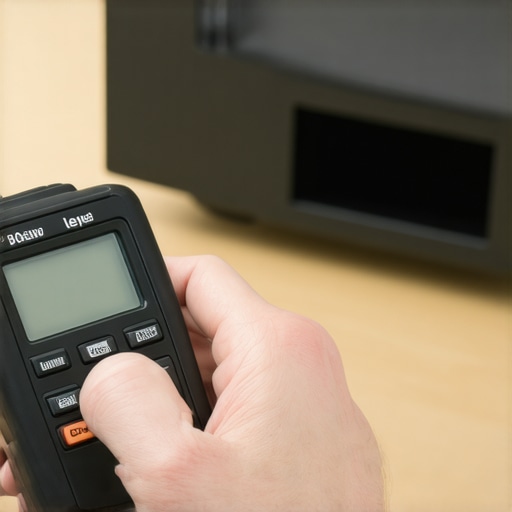
Over the years, my journey in optimizing home audio systems taught me invaluable lessons that you won’t find in typical guides. One of the most profound realizations was that even the most expensive equipment can’t perform at its best without understanding the deeper nuances. For instance, I once spent a fortune on high-end speakers, only to realize that improper placement and room acoustics sabotaged their potential. This taught me that knowledge and attention to detail often outweigh the gear itself, especially when it comes to achieving the rich, immersive sound you desire.
Lessons That Changed My Approach to Home Audio
- Beyond Price Tags: Investing in quality tools like calibration mics and acoustic panels made more difference than upgrading to pricier gear. It’s a reminder that fine-tuning your setup can yield spectacular results without breaking the bank.
- Room Over Equipment: I learned that understanding room acoustics—like positioning subwoofers or treating reflective surfaces—often has a bigger impact on sound quality than the components themselves. Small adjustments here can unlock a world of difference.
- Myth Busting: Dispelling myths like ‘more power always equals better clarity’ helped me avoid costly mistakes. Instead, I focused on matching amp impedance and speaker specifications for optimal performance.
- Emotional Connection: The most satisfying discoveries came when I connected with my setup at a personal level—experimenting with placements, listening critically, and trusting my ears over reviews or specs alone. This empowered me to craft a truly tailored audio environment.
- Continuous Learning: Staying curious and open to new techniques—like exploring different calibration methods or room treatments—kept my system evolving and my enjoyment growing.
My Essential Toolbox for Home Audio Excellence
- Calibration Tools: A quality SPL meter and calibration app help maintain balanced volume levels and prevent damage. I trust this calibration guide for accurate setup.
- Acoustic Treatments: Invest in bass traps and diffusers. They’re game-changers in controlling reflections and enhancing clarity, a tip I picked up from seasoned acousticians.
- Connection Testers: Reliable cable testers save hours troubleshooting signal issues, ensuring consistent performance and peace of mind.
- Cleaning Essentials: Regularly maintaining connectors with compressed air and contact cleaner extends component life and preserves sound quality.
Your Journey to Better Sound Starts Today
Remember, achieving stellar home audio isn’t just about hardware—it’s a blend of knowledge, patience, and a willingness to experiment. Your ears are your best compass; trust them, and don’t shy away from trying new ideas or seeking out expert insights. Each small step forward can lead to truly transformative listening experiences. So, why wait? Dive into your setup today and start uncovering the soundscape you deserve.
What’s the most surprising thing you’ve discovered about optimizing your home audio? Share your story below and inspire others on their journey to audiophile bliss.
,