
It was late one evening when I noticed my favorite portable speaker had taken a nosedive off the shelf for the third time in a week. The worst part? I was only slightly bumped into it—just a careless wave of my hand, and down it went. Not exactly the scene you want when you’re trying to enjoy some relaxing tunes. That lightbulb moment made me realize: this isn’t just about a silly fall. It’s about protecting my gear and preserving that crisp sound I love.
Why Your Portable Speaker Keeps Sliding and Why You Should Care
If you’ve faced the frustration of a speaker sliding or vibrating off its spot, you’re not alone. This common issue can ruin your listening experience and even damage your device. The reason? Many shelves and tables aren’t vibration-friendly surfaces. When a speaker vibrates, especially at high volumes or bass-heavy tunes, it can shake its way off the surface, risking a fall that could cost hundreds in repairs or replacements.
According to expert reviews, vibrations from powerful speakers can not only dislodge devices but also damage internal components over time. So, it’s not just about the annoyance—it’s about longevity and sound quality. Now, I can’t tell you how many times I’ve seen people shrug off this problem as just a minor inconvenience, but trust me—it’s worth fixing.
Have You Faced This Problem Too?
Think about the last time your speaker almost took a tumble. Frustrating, right? Well, the good news is, there are straightforward fixes that can keep your speaker safe without breaking the bank. Stay with me, because I’ll walk you through my tried-and-true methods.
Before we jump into solutions, though, I want to share a mistake I made early on. I once used a thin rubber mat under my speaker, hoping it would stop the sliding. Guess what? It made things worse by amplifying vibrations. So, don’t just throw down any random pad—there’s a better way.
Let’s get into the practical steps to keep your portable sound buddy firmly in place and enjoy your music without stress or spills. Curious? Good! Because proper positioning can improve your sound clarity and your peace of mind.
Anchor Your Speaker Firmly in Place
Start by choosing an anti-slip surface or mat designed for electronics. I recall placing a textured rubber pad under my speaker during a house party, and it stayed put even amidst energetic dancing. The pad dampens vibrations and grips the table, reducing the risk of sliding. When placing your speaker, ensure it’s on a stable, level surface. Using a dedicated speaker stand with rubber feet can make a significant difference. Think of it as giving your speaker a sturdy podium to perform from, preventing accidental tumbles.
Manage Vibrations With the Right Accessories
Vibrations are among the leading causes of sliding or falling, especially during bass-heavy tracks. To counter this, incorporate vibration-dampening accessories like foam or specialized isolators. I once used blue tack to temporarily fix my small Bluetooth speaker on the shelf. While simple, it effectively absorbed minor vibrations. However, for more permanent solutions, consider using isolation pads or dense foam pads under your speaker. These act like shock absorbers, much like those in automotive suspensions, dispersing vibrational energy and keeping your speaker steady.
Position Strategically for Optimal Sound and Stability
Placement is crucial. Avoid mounting your speaker near edges or unstable surfaces. Instead, position it at the center of the table or shelf. When I set up my outdoor Bluetooth speaker, I placed it on a thick wooden platform. This not only enhanced sound clarity but also kept it from slipping during windy conditions or accidental nudges. Additionally, elevating the speaker slightly can prevent vibrations from transferring to the surface, which could cause sliding.
Secure with Creative Methods
If you’re dealing with a particularly slippery surface, think outside the box. I used velcro strips on the bottom of my portable speaker and the shelf. It’s a simple, cost-effective hack that provides immediate grip. Similarly, using non-slip pads or even double-sided tape can hold your device in place without damage. Just ensure the adhesive isn’t too aggressive to avoid surface damage once removed. Such measures act like anchors, providing a reliable grip during vigorous use or accidental taps.
Regularly Check and Adjust Your Setup
Over time, surfaces wear down or objects shift. Make it a habit to inspect your setup regularly. Once, after a few months of outdoor use, I noticed my speaker had shifted slightly. Reapplying anti-slip mats and repositioning it restored stability. This proactive approach prevents unexpected falls and maintains optimal sound quality. Remember, consistent adjustments are part of good audio setup practice, much like tuning a musical instrument for perfect harmony.
For more technical insights on optimizing your audio setup, explore how to tell if your amp is clipping before it damages your tweeters or how to build a soundproof listening room on a tight budget. These practical guides complement the steps to keep your gear safe and sounding their best.
Many enthusiasts and casual listeners alike believe they know everything about soundbars, speakers, headphones, amplifiers, and home audio deals, but there’s often a trap hidden beneath superficial knowledge. For example, the idea that more expensive cables automatically mean better sound is widespread, yet studies show that most high-end audio cables are mostly a marketing ploy, offering negligible sonic differences over budget options. You can read more about this misconception and why investing in pricey cables often doesn’t pay off [here](https://premiumsounddeals.com/why-expensive-speaker-cables-are-mostly-a-marketing-trick).
Another widespread myth is that larger, more powerful amplifiers always deliver superior sound quality. In reality, the key is matching your amplifier’s power output appropriately to your speakers’ specifications to avoid damaging delicate drivers or causing distortion. Learning how to tell if your amp is clipping before it destroys your tweeters is crucial and can save you hundreds, as explained in [this guide](https://premiumsounddeals.com/how-to-tell-if-your-amp-is-clipping-before-it-kills-your-tweeters).
Many believe that home audio deals are all about the latest tech or biggest discounts, but savvy audiophiles know that proper room acoustics and speaker placement can have a far more substantial impact than brand or price. For instance, building a dedicated listening room on a budget can dramatically improve sound quality, and you can discover practical tips on this topic [here](https://premiumsounddeals.com/how-to-build-a-soundproof-listening-room-on-a-tiny-budget).
Advanced listeners sometimes overlook the importance of balanced versus unbalanced audio cables, which can influence noise levels and clarity, especially over long runs. Understanding this difference ensures your setup is wired correctly for optimal performance—details found [here](https://premiumsounddeals.com/the-difference-between-balanced-and-unbalanced-audio-cables).
Making these common mistakes can diminish your audio experience and even cause equipment damage. So, next time you shop for or set up your gear, consider these nuances. Remember, true audiophile quality often lies in the details. Have you ever fallen into this trap? Let me know in the comments.
How do I maintain my audio gear over time? Understanding the right tools and routines is crucial to ensure your sound system remains pristine and reliable. Regular maintenance not only extends the lifespan of high-end speakers, headphones, and amplifiers but also preserves their optimal performance. One of my go-to tools is a dedicated electronic cleaning kit, which includes contact cleaner sprays and soft brushes. I use these to gently remove dust and oxidation from connectors and knobs, preventing signal degradation. Additionally, compressed air can be an asset for cleaning around delicate internal components without risking damage.
For cable management, I recommend investing in high-quality cable testers and diagnostic tools. These allow me to verify the integrity of my cables and identify potential issues before they escalate into audible problems. When shopping for cables, avoid the common misconception that expensive speaker cables inherently deliver better sound. As explained in this article, most high-end cables are marketing gimmicks, and budgets-friendly options often suffice for non-professional setups.
To ensure your equipment is performing as it should, I frequently use software calibration tools. For example, I use Room EQ Wizard (REW) to analyze my room’s acoustics and make precise adjustments. This practice significantly improves sound clarity and tightness, especially in challenging spaces. When you pair measurement software with proper placement and acoustic treatment, you eliminate many common issues—like muddiness or uneven bass—that plague uncalibrated setups.
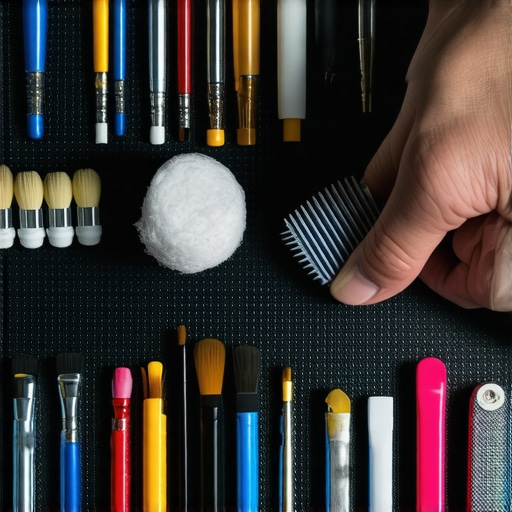
Looking ahead, the trend in audio maintenance is moving toward smart solutions. Devices equipped with IoT capabilities can now self-diagnose problems and alert you via smartphone apps. I predict that integrating these smart diagnostics will become standard, making proactive maintenance more accessible for audiophiles and casual listeners alike.
Want to upgrade your maintenance routine? Try using a combination of compressed air, high-quality contact cleaners, and measurement software like REW. These tools are powerful yet inexpensive, offering noticeable improvements over generic DIY approaches. Regularly inspecting and maintaining your gear with these methods will ensure you enjoy consistent, high-fidelity sound for years to come.
Lessons Only the Quiet Kids Will Reveal
One of the most eye-opening lessons I learned was that even the most sophisticated vibration dampers are only as good as their placement. I once thought investing in expensive isolation pads would save my setup, but neglecting proper surface choice and positioning proved costly. It taught me that understanding the physics of vibrations and surface dynamics is crucial—something rarely covered in DIY articles but essential for true stability.
Another insight was recognizing the importance of surface material. I used to think a rubber mat was enough until I realized that hard surfaces like glass or marble amplify vibrations. Switching to textured wooden platforms drastically improved my speaker’s grip and sound clarity, affirming that surface selection can make or break your setup.
Finally, I discovered that sometimes, the simplest solutions—like custom-cut felt pads or even velcro strips—outperform complex engineering. These inexpensive fixes often have a psychological barrier—they seem too simple to work, yet they deliver reliable results. It’s a reminder that practical, creative thinking often beats costly gadgets in the world of audio stability.