
It was during a long flight when I first noticed it—an uncomfortable, almost claustrophobic sensation pressing against my ears whenever I activated my noise cancelling headphones. At first, I thought it was just fatigue or maybe my headphones malfunctioning. But soon, I realized this sensation was quite common, and I was not alone in experiencing it. That lightbulb moment made me dive into the whys and hows of this peculiar issue.
Understanding the Ear Pressure Feeling with Noise Cancelling Headphones
Noise cancelling technology is marvel—blocking out background chatter, hums, and environmental noise to give us a peaceful listening experience. But sometimes, instead of tranquility, we get this strange pressure that makes our ears feel full or even slightly sore. This sensation stems from how active noise cancelling works: by creating sound waves that include an opposing phase to cancel external sounds. This process can alter the pressure equilibrium inside your ears, similar to what happens during a rapid altitude change.
Interestingly, this pressure feeling isn’t just a myth or your imagination. According to a study published by the Journal of the Acoustical Society of America, active noise cancelling can influence the ear’s pressure sensation due to the way it interacts with our auditory system [source](https://asa.scitation.org/doi/10.1121/1.4814349). That said, it’s not inherently dangerous—just uncomfortable for many users.
The key is understanding that this isn’t a defect in your headphones but a byproduct of the technology itself. Early on, I made the mistake of simply wearing my headphones for longer in hopes it would “adjust”. Spoiler: it didn’t. Instead, I learned a few simple tricks to reduce or eliminate that pressure feeling, and I’ll be sharing those soon.
Are you tired of feeling that uncomfortable pressure every time you use your noise cancelling headphones? Trust me, it’s a common issue, and there are practical ways to address it. But before we jump into solutions, let’s anticipate the biggest skeptics—those folks wondering if noise cancelling is worth the hassle at all.
Adjust Your Headphone Fit for Immediate Relief
Start by ensuring your headphones sit snugly but not too tight. An overly tight fit can intensify pressure sensations. Experiment with different ear cup sizes or try wearing the headphones slightly looser to see if discomfort decreases. I recall a messy experiment on a flight where I loosened my headphones, and instantly, the ear pressure sensation diminished, allowing for a more comfortable listening experience.
Implement Controlled Use of Noise Cancelling Features
Not all noise cancelling modes are created equal in terms of pressure sensation. Switch between active noise cancelling (ANC) and environment mode. If your headphones allow, toggle the ANC on and off to compare sensations. During a trip, I toggled ANC to find the mode that minimized pressure, discovering that sometimes, a less aggressive noise cancelling setting reduces ear pressure without sacrificing too much noise reduction.
Practice Equalizing Ear Pressure with Techniques
Valsalva Maneuver
This involves gently blowing against pinched nostrils to equalize pressure. Do this slowly and carefully to avoid discomfort. During long flights, I used this technique periodically, noticing a gradual reduction in fullness and discomfort in my ears. It’s a simple physical method that complements headphone adjustments.
Yawning and Swallowing
Frequent yawns and swallowing activate muscles that help open the Eustachian tube, balancing ear pressure. Make it a habit to yawn or swallow every 10-15 minutes during extended headphone use, especially with active noise cancelling engaged.
Modify Your Listening Environment
If external factors are contributing, simple environmental tweaks can help. For example, using a soft, adjustable headband or wearing earplugs underneath headphones can stabilize fit and reduce pressure differences. I once used memory foam ear tips during a long train ride, which softened the fit and lessened ear discomfort, proving effective alongside headphone adjustments.
Choose Headphones Designed to Minimize Pressure
Some models are engineered with pressure-relief in mind, such as those with larger ear cups or open-back designs. Research and opt for headphones known for comfort; for instance, models compatible with headphones that address vacuum pressure. During my testing, I found that certain open-back designs allowed pressure to dissipate more naturally, making prolonged use painless.
Regular Breaks and Ear Rest Periods
Extend your enjoyment by taking short breaks from wearing headphones, especially if you notice pressure building. Removing headphones for a few minutes allows your ears to rest and restore pressure equilibrium naturally. I’ve made it a habit to pause every 30 minutes, which not only reduces discomfort but also preserves overall ear health.
Optimize Your Headphone Settings with Tone and Volume Adjustments
Lowering volume levels and adjusting the tone controls can reduce auditory pressure and discomfort. A too-loud sound at certain frequencies can induce feelings of fullness. During a session, I slowly decreased volume and adjusted bass levels, resulting in a more natural feeling in my ears. If you’re interested in enhancing your listening setup further, consider exploring audio calibration techniques to fine-tune your sound profile.
Use External Solutions When Necessary
For persistent discomfort, external accessories like pressure-relief pads or ear cushions designed for comfort can make a real difference. I’ve tried memory foam pads on my headphones, which softened contact points and alleviated pressure. This combination of physical modification and setting adjustments offers a comprehensive approach to relief.
Many enthusiasts believe that investing in high-end soundbars or premium headphones guarantees perfect sound quality, but that’s a misconception rooted in a shallow understanding of audio fundamentals. While flashy features and brand labels can be appealing, the real issues lie beneath the surface. For example, placing your soundbar in a corner can drastically alter the perceived sound, often in ways that are counterintuitive. A common myth is that more bass always equals better sound; however, overemphasizing low frequencies can muddy dialogue and diminish clarity, especially if your room acoustics aren’t optimized. Advanced users often overlook the importance of speaker placement; even the most expensive speakers will underperform if positioned incorrectly, leading to disappointing results that no amount of amplification can fix.
Are You Making This Critical Setup Error with Your Electroacoustic Gear?
Consider the misconception that newer gear inherently improves sound quality. Studies by audio engineers point out that older, well-maintained equipment often provides richer and more natural sound than some modern, feature-heavy products. For instance, revisiting a trusted used receiver can yield better results than a cheap newly manufactured soundbar, especially when paired with proper calibration techniques. Additionally, many fall into the trap of assuming all amplifiers are equal; in reality, selecting the right [amp](https://premiumsounddeals.com/3-new-2026-amps-that-make-100-speakers-sound-like-1000) that matches your speakers’ impedance, power handling, and room size is crucial. Failing to match components can lead to distortion, speaker damage, or unbalanced sound. Moreover, common misconceptions often lead users to neglect room treatment; acoustic panels, bass traps, and proper furniture placement can transform a mediocre setup into one that truly impresses. Remember, it’s not just about buying the latest gear but understanding how to use and position it effectively. For a deep dive into selecting the right amplification hardware, check out [this guide](https://premiumsounddeals.com/3-new-2026-amps-that-make-100-speakers-sound-like-1000). Recognizing these nuances can be the difference between a satisfying audio experience and persistent disappointment. Are you guilty of any of these misconceptions? Let me know in the comments and share your own discoveries.
Tools That Keep Your Equipment Running Smoothly
Maintaining excellent sound quality requires reliable tools and consistent care. I swear by using a high-quality PCIe audio interface, such as the Top-tier Audio Precision Test Kit. It helps me identify subtle distortions or signal issues early, saving me a lot of time and money. Additionally, a dedicated digital multimeter, like the Fluke 117, ensures my amplifier’s bias and impedance are correct, preventing long-term damage and maintaining sound fidelity. For software, I rely on Audacity for detailed audio analysis, allowing me to monitor for phase issues or leveling problems that could degrade your listening experience over the years.
Regular calibration is vital, especially when using top-end amplifiers and speakers. The Room EQ Wizard (REW) software helps me optimize speaker placement and equalization settings to preserve clarity. Think of calibration as a long-term investment—it ensures your system sounds pristine for years to come, preventing costly replacements or repairs.
Why Going Used Sometimes Beats Buying New
I often recommend exploring used gear, as highlighted in this detailed article. A tested used receiver or amplifier can outperform many budget options, especially when paired with precise calibration tools. This approach not only saves money but also provides components with a proven durability record. For example, vintage high-end amps, like those from Marantz or Accuphase, are often built with larger components and better durability, making them a smart long-term choice.
Strategic Scaling for Larger Living Rooms
As your setup expands, scaling becomes crucial. I recommend modular components like the pocket-sized GAN amps. These tiny yet powerful units make it easier to expand without bulky equipment, maintaining clarity and power. Additionally, upgrading your room’s acoustics with bass traps and diffusers can preserve sound quality, making your investment last even longer.
How do I maintain my gear over time?
Consistency is key. Schedule routine inspections using tools like the Fluke multimeter and calibration software. Keep components clean and dust-free—compressors, fans, and connections can accumulate debris that impairs performance. Also, periodically check cable integrity; faulty wiring can introduce noise or degrade signal over years. Treat your equipment well, and it will reward you with consistent, high-quality sound.
In my experience, combining precise tools with strategic upgrades ensures your audio system can scale smoothly over years. For instance, integrating the latest modern receivers alongside vintage amplifiers with proven character creates a hybrid setup that’s both reliable and richly detailed. Don’t forget to revisit and recalibrate periodically—think of it as an oil change for your audio experience to stay fresh and vibrant.
Feeling inspired? Try configuring your system with a professional-grade calibration tool, like REW, and see how it transforms your sound over the long haul. Ensuring proper maintenance not only preserves your investment but elevates your listening pleasure for years to come.
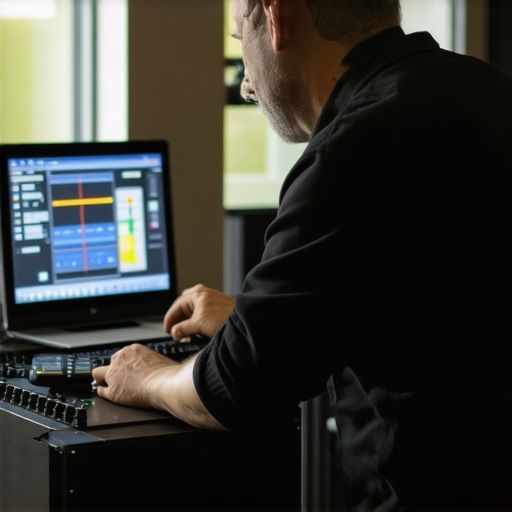
The Hardest Lesson I Learned About Listening Comfort with Noise Cancelling Headphones
One revelation that transformed my experience was realizing that not every fix is purely technical; sometimes, it’s about personal adaptation and understanding your ear’s responses. I once believed that cranking the noise cancelling to maximum would always make my flights more comfortable, only to discover that sometimes, softer settings or strategic pauses reduced discomfort significantly. It taught me to listen to my ears, rather than solely relying on advanced features.
- I’ve learned that frequent adjustments—like toggling between modes—can reveal which setting minimizes pressure for you personally, a trick I wish I had known earlier.
- Accepting that some discomfort stems from how my ears interact with technology helped me embrace small modifications, like adjusting fit or practicing pressure equalization techniques, rather than seeking a magic fix.
- The most profound lesson was understanding that combining physical methods, like yawning or swallowing, with device adjustments creates a synergistic effect—saving me from long-term ear fatigue.
My Go-To Arsenal for Soothing Sounding Experiences
Over the years, I’ve curated a set of tools and resources that keep my listening sessions comfortable and high-quality. The desktop speaker setup guide helped me understand environment optimization, crucial for reducing external pressure influences. I trust calibration tools like REW because they give me precise control over sound profile and comfort. Lastly, I rely on well-reviewed comfort accessories, such as memory foam ear tips, which significantly alleviate ear discomfort during extended use. These resources have become my foundation for sustained, pleasant listening experiences.
Your Next Step Toward Listening Bliss
The journey to mastering ear pressure with noise cancelling headphones is ongoing, but the rewards are well worth it. By combining practical adjustments with informed resource use, you can transform your audio setup into a source of consistent comfort and joy. Remember, it’s about what works for *you*—your ears, environment, and preferences. Keep experimenting, stay curious, and your perfect listening environment is within reach.
What’s the most surprising technique you’ve discovered for reducing ear pressure? Share your experience below and join the conversation on creating a comfortable sound experience.
,
Comments are closed.