
Ever spent hours hunting for the perfect sound system only to realize your new tower speakers sound thin, harsh, or just plain underwhelming compared to the old, used floorstanders gathering dust in a local shop? I sure have. There was a time I believed that new meant better, that the latest plastic towers with glossy finishes and fancy marketing would automatically deliver superior sound. But after a frustrating series of upgrades and missteps, I had my lightbulb moment: sometimes, the old gear beats the new every time — especially in the realm of floorstanders.
My Wake-Up Call: When Modern Tower Speakers Fell Flat
It started with a simple upgrade, thinking I was modernizing my setup. I bought a brand-new set of plastic towers, expecting a dramatic improvement. Instead, what I got was a bright, brittle treble that tired my ears after just a few minutes, and a midrange that sounded hollow—like listening through a plastic tube. Turns out, many modern towers prioritize aesthetics over acoustic quality, often sacrificing warmth and natural tone for the sake of sleek design. That experience pushed me to dig deeper into what truly makes a speaker great, beyond the shiny exterior and marketing claims.
What I discovered is that many used floorstanders—even ones from decades past—have characteristics that modern plastic towers often lack: robust internal construction, high-quality drivers, and a design philosophy rooted in sound quality, not just visual appeal. These older speakers weren’t necessarily more expensive when new, but they were built to last and to sound better. And the best part? You can find them at a fraction of the cost of new, modern towers. But how do you spot the good ones? That’s where experience and a little insider knowledge come into play.
Why This Matters for Your Home Audio Today
Whether you’re an audiophile on a budget or just tired of the same cookie-cutter sound, understanding the merits of used floorstanders can transform your listening experience. They often outperform modern plastic towers in clarity, depth, and richness—often the qualities that truly matter when enjoying music or movies at home.
If your current setup leaves you feeling unimpressed, you’re not alone. Many folks fall for the sleek looks of new speakers only to be disappointed. The good news is, with a little patience and the right guidance, you can score used floorstanders that blow recent models out of the water. Curious? Keep reading, and I’ll walk you through how to identify, evaluate, and historic models that are seriously worth your time—and your dollar.
Is It Really Worth Wading Through the Used Market?
One mistake I made early on was rushing into ‘bargain’ deals without doing my homework. I bought speakers based solely on looks or brand reputation, only to be left with a pair that sounded muffled or distorted. Now I know better. Digital reviews and real-world testing—like those found in detailed gear comparisons—can save you a lot of frustration. For example, I found that small bookshelf speakers often beat giant towers for clarity, especially when paired with the right amplifier. Looking for help in choosing gear? Don’t miss the comparison of bookshelf speakers.
So, if you’re ready to break free from the hype and discover the hidden gems that offer real, musical performance, you’re in the right place. Let’s explore how to find used floorstanders that will upgrade your sound without emptying your wallet—and why sometimes, the older gear still rules the block.
Identify Reliable Sources for Used Speakers
Begin your search by looking into reputable online marketplaces, local audio shops, and community groups. I once scoured classified ads and scored a pair of vintage floorstanders from a seller with stellar reviews. Always check for seller ratings, return policies, and detailed photos. The goal is to avoid scams and ensure you’re buying from someone knowledgeable who provides honest descriptions. Accessing reviews on forums like audiophile communities helps verify a seller’s credibility and ensures the gear’s condition matches the listing.
Assess the Condition Honestly
Before making an offer, request detailed photos and ask specific questions about cabinet integrity, driver wear, and connection terminals. When I bought my first used speakers, I arranged a local pick-up and took a small screwdriver to gently tap on the cabinets to detect any rattles or looseness. Listen for any buzzing or distortion during a brief test. Remember, minor cosmetic flaws are acceptable if the sound quality is intact—what matters most is the internal condition of the drivers and crossover components.
Understand Key Technical Indicators
Knowledge of terminal types, impedance ratings, and frequency response helps you evaluate compatibility. Think of speakers as musical instruments; a well-maintained instrument produces richer, fuller sounds. For example, ensure impedance matches your amplifier’s output—most modern amps work with 8-ohm speakers. Also, cross-reference the model’s rated response with real-world reviews or measurements, such as those found in dedicated gear comparison articles, to confirm performance expectations. For insights on how amplification impacts sound, check how amps influence speaker warmth.
Perform Practical Listening Tests
Always audition the speakers before buying, if possible. Take along familiar music or test tracks that reveal midrange clarity, bass depth, and treble smoothness. I once arranged a demo at a local seller’s home, playing a recording I knew well. Within minutes, I could tell a pair of old speakers sounded more natural than new models I’d auditioned digitally. If in-person testing isn’t feasible, request a video call with a detailed demo or ask for sound clips from the seller—many experienced sellers will supply these. This step ensures the speakers truly match your sonic expectations and don’t just look good on paper.
Utilize Insider Resources and Comparisons
Use reputable guides and comparisons to narrow your choices. For example, check comparison articles highlighting how smaller speakers outperform larger ones in clarity—this can influence your selection. Additionally, participate in online forums where enthusiasts share experiences with specific models, helping you avoid common pitfalls like speakers with worn-out foam surrounds or damaged crossovers. Remember, collective knowledge can prevent expensive mistakes and guide you toward gems that punch well above their price point.
Plan Your Purchase Strategically
Timing your buy can net you better deals—look for seasonal sales, local estate sales, or auction listings. When I scored my second pair of used tower speakers, I waited for a local estate sale and snagged a pristine vintage set for a fraction of retail price. Always negotiate politely, especially when buying from private sellers. Keep in mind that investing in a good amplifier or matchers, such as high-quality amplifiers, can breathe new life into older speakers, enhancing clarity and warmth. This holistic approach ensures your investment pays off in improved sound quality.
In the world of home audio, many enthusiasts focus obsessively on gear specifications—megabass, wattage, or frequency response—believing that bigger, more powerful, or more high-end means better sound. While these factors matter, there’s a *hidden nuance* that often goes unnoticed: the importance of system synergy and how mismatched components can undermine even the most glamorous setups. Contrary to popular belief, more expensive or feature-rich gear doesn’t automatically yield superior sound. For example, buying an expensive pair of headphones without considering the source quality or compatibility can result in muffled or distorted audio, no matter how shiny or costly they are.
One common myth I encounter is the idea that high wattage or advanced DACs alone guarantee crisp and dynamic sound. In reality, the quality of amplification and proper matching with speakers or headphones often matters more. Poorly paired components can cause clipping, distortion, or even damage over time. It’s akin to pairing a high-performance engine with a mismatched transmission—power isn’t everything if the parts don’t work harmoniously.
Why do many home audio setups fall short despite premium gear?
The answer lies in overlooked details like room acoustics, speaker placement, and source calibration. A study published in the Journal of the Audio Engineering Society emphasizes that room treatment and positioning often have more impact on perceived sound quality than raw specifications (source). For instance, a soundbar’s effectiveness can be severely limited by room characteristics, and without proper placement, audio may sound thin or directional.
Another trap is assuming that all wireless connections are equal. Many buyer overlook the fact that wireless earbuds or streaming devices are susceptible to interference, compressed transmission, or latency issues. These can subtly degrade synchronization and clarity, especially when streaming high bitrate tracks or connecting multiple devices.
Don’t forget, even the most expensive gear requires proper calibration. A fundamental misstep is neglecting setup adjustments—like equalization, crossover points, or speaker alignment—that can unlock the full potential of your system. For example, simply adjusting your soundbar’s settings using its remote can transform a dull listening experience into something immersive and balanced. Here’s how to fix muffled sound in portable units.
Let me leave you with a thought: you might have the best gear in the world, but if it’s not integrated correctly—taking into account your room’s acoustics, source quality, and component compatibility—you’re just spinning your wheels. Improving your home audio is as much about understanding these *nuances* as it is about chasing the latest shiny gadgets.
Have you ever fallen into this trap? Let me know in the comments!
Remember, prioritizing system synergy over raw spec sheets often results in a richer, more immersive listening experience. Dive deeper into this topic with related articles on Bluetooth connections or soundbar setups to optimize your home theater design.
How do I maintain my home audio setup over time?
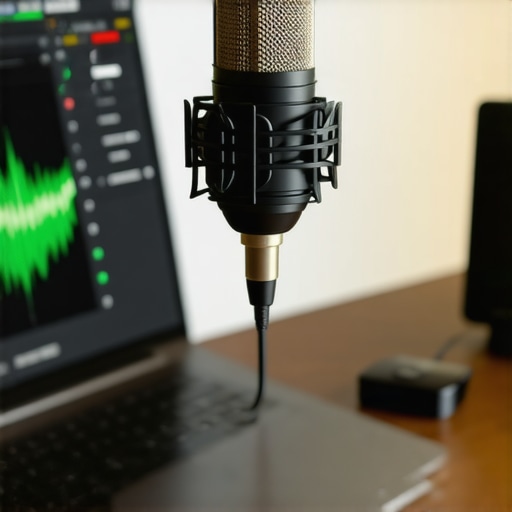
Proper maintenance of your speakers, amplifiers, headphones, and soundbars ensures consistent performance and prolongs their lifespan. I recommend investing in key tools like a set of calibrated measurement microphones and audio analyzers such as the Room EQ Wizard (REW). REW is an invaluable software I personally use to perform room measurements, identify frequency response anomalies, and optimize system calibration. Regularly running these measurements helps detect issues caused by room acoustics or component drift before they become noticeable. Additionally, keeping a quality set of microfiber cloths and compressed air cans allows for routine cleaning of input ports and driver diaphragms, preventing dust buildup that can affect sound quality. For connectors and cables, using contact cleaner such as DeoxIT can restore connectivity and prevent corrosion. In my experience, routine checks with these tools have saved me from costly repairs and maintain the clarity of my sound system.
Looking ahead, I believe the trend toward smart, self-calibrating audio systems will make maintenance even easier. Automated room correction features are becoming more sophisticated, reducing the need for manual calibration. However, having hands-on tools like REW remains invaluable for fine-tuning and troubleshooting specific issues. If you’re serious about long-term results, dedicating some time to regular calibration with these tools is a game-changer—try running a measurement session this weekend to see what subtle room issues might be affecting your sound.
Next-level tip: Optimize sound with a calibration microphone
One advanced step I personally recommend is using a professional-grade calibration microphone paired with REW or similar software. This combo allows you to precisely identify frequency response irregularities and even tailor your EQ settings for a flat, balanced sound. Over time, as room furniture shifts or new gear is added, periodic recalibration keeps your system performing at its best. Incorporating these tools might seem technical at first, but once you see the marked improvement in clarity and depth, you’ll wonder why you didn’t start sooner. Dive into your calibration routine today and enjoy perfectly tuned audio excellence for the years to come.
As the industry moves toward smarter systems, maintaining your gear with dedicated tools remains a cornerstone of quality sound. Whether you’re tuning your soundbar or fine-tuning your high-end headphones, these practices make all the difference in achieving that immersive experience you crave. Ready to take your setup to the next level? Start with a calibration microphone session—it’s easier than you think and incredibly rewarding. For detailed how-to guides, check out expert resources and experiment with calibration to unlock your system’s full potential.
Lessons That Didn’t Make the Showroom Floor
- Listening habits matter more than brand labels. I discovered that my favorite recordings sounded richer on vintage speakers because their design priorities aligned with true musicality, not just aesthetics.
- Modern mass-market towers often chase the latest tech but neglect timeless construction quality. My experience taught me to focus on build integrity and driver materials over flashy finishes.
- The magic often lies in the details—cabinet bracing, crossover components, and driver resonance—and these are usually superior in older models if thoroughly evaluated.
- Patience is a virtue in the used audio world. Waiting for the right deal and performing due diligence can lead to an upgrade that outperforms brand-new, high-priced counterparts.
- Sound quality improvement starts with learning what to listen for—clarity, depth, warmth—and how small differences in driver design and cabinet construction make a big difference.
My Toolkit for Hunting and Improving Used Speakers
- Reliable online marketplaces like specialized audio forums and community groups have been my go-to sources—they combine authenticity with community trust.
- Inspection tools like a gentle tap test and portable multimeter help assess speaker condition before committing, preventing costly mistakes.
- Understanding impedance, crossover design, and frequency response guides me to compatibility and performance insights, avoiding mismatched gear.
- Practicing critical listening with familiar tracks reveals whether used speakers deliver the warmth and clarity I seek, rather than just looking good in pictures.
- Leveraging resources like comparison articles about small bookshelf speakers helps me appreciate the nuances between models—often, size and age trump price and brand reputation.
- Lastly, a high-quality amplifier pairing, such as those discussed in this guide, can breathe new life into vintage units, revealing their full potential.
Bring Your Home Audio Journey to a New Level
Embracing the charm and quality of used floorstanders has transformed my listening experience from a routine routine to an ongoing adventure. It’s incredibly rewarding to unearth hidden gems and give them a second life—proof that sometimes, the old ways are still the best way. I encourage you to look beyond the shiny surface and discover how a well-researched vintage speaker can elevate your home audio in ways a new, plastic tower simply can’t match.
What’s your biggest lesson learned from hunting down used audio equipment? Share your stories below and help others avoid rookie mistakes!
Remember, the secret often lies in the synergy between your gear and your room’s acoustics. Exploring these connections can unlock a depth of sound that rivals high-end modern setups. Curious how to optimize your space? Dive into these expert tips for a more immersive experience. Happy listening!
Comments are closed.