
Have you ever been in the middle of a playlist, feeling the perfect vibe, only to suddenly lose sound in one ear? It’s like a sudden gust of wind snuffs out your favorite song. I’ve been there more times than I care to admit, and let me tell you, it’s maddening. You think you’ve invested in quality wireless earbuds, only to be thwarted by unpredictable disconnections. That frustrating moment became a lightbulb for me— a feeling many of us share. Today, I want to guide you through why this keeps happening and, more importantly, how to fix it so your listening experience is smooth and seamless again.
Don’t Let Connectivity Issues Ruin Your Music Experience
Wireless earbuds are supposed to give us freedom, but when one ear keeps cutting out, it feels more like a trap. You might be tempted to think that only cheap or old models suffer from these glitches, but even high-end earbuds aren’t immune. The good news? Many of these issues are fixable once you understand the root causes. From interference and firmware bugs to device-specific quirks, I’ll share practical tips that I’ve tested myself, saving you hours of frustration. Now, let’s explore why this might be happening—and how you can get back to flawless sound.
Is Your Earbud Issue Actually Worth the Hype?
Early on, I made the mistake of dismissing connection problems as just annoying quirks. I thought, “It’s just Bluetooth—what’s the big deal?” That was a costly oversight. As I delved deeper, I discovered that many problems stem from simple setup flaws, outdated firmware, or interference—things I could easily fix. Don’t fall into the trap of thinking it’s a hardware flaw that’s unfixable. Sometimes, a quick software update or repositioning your device makes all the difference. If you’re tired of fiddling with your earbuds only to experience disconnections, stay tuned—I’ll unravel the real reasons behind these frustrating cutouts and how to address them effectively, even if you’ve already tried commonly suggested fixes. For instance, I found that some of these issues reduced significantly after updating the firmware, a step I initially overlooked but now swear by. Want to see how I solved mine? Check out tips from experts that I’ll share later. Ready to restore your earbuds’ perfect connection? Let’s dig into what’s really causing these interruptions.
Check Your Bluetooth Firmware and Software First
Start by ensuring your earbuds have the latest firmware installed. Connect them to your device, open the dedicated app or settings menu, and look for firmware updates—like updating a soundbar or receiver for better performance. I once neglected this step, and my earbuds continued dropping out. After updating, I tested again and noticed a significant improvement, with fewer disconnections during my daily jog. Regular updates fix common bugs that cause instability and improve overall connection quality. Don’t overlook this; it’s the simplest yet most effective fix.
Optimize Your Device and Earbud Placement
Placement is crucial. Keep your phone or audio source within a reasonable distance, ideally less than 10 meters, and avoid physical obstructions like walls or metal objects. Analogous to positioning surround speakers at ear level for clarity, proper placement reduces interference. I once placed my phone inside a bag while walking, which caused frequent dropouts. Moving it to my pocket or a clear pocket helped stabilize the connection. When outdoors, avoid crowded areas with many active Bluetooth devices, like in busy streets or subway stations, as they produce interference. For more on interference management, check out how to extend Bluetooth range effectively.
Reduce Wireless Interference and Improve Signal Quality
Wireless signals can clash with Wi-Fi routers, wireless keyboards, or other Bluetooth gadgets. To minimize interference, turn off other Bluetooth devices you’re not using, and switch your Wi-Fi to a different frequency band if possible (2.4GHz vs. 5GHz). Think of it as tuning a radio to a clearer station. In my experience, switching my Wi-Fi network from 2.4GHz to 5GHz, or turning off unused Bluetooth gadgets, markedly decreased dropouts. If you’re struggling with interference in a multi-device environment, try turning off or relocating other wireless electronics nearby.
Manage Power and Battery Levels for Stable Connection
Low battery levels can cause connection instability. Ensure your earbuds are fully charged before use, as a depleted battery might intermittently disconnect. I once ignored this and experienced constant cutouts during my workout. Charging both the earbuds and the connected device helps maintain a steady connection. For prolonged usage, carry a portable charger or keep your device within a power source nearby. Also, some earbuds perform better with certain device settings; disabling power-saving modes can improve Bluetooth stability.
Reset and Re-pair Your Earbuds to Fix Persistent Issues
If updates and placement adjustments don’t work, a reset can often clear software glitches. For most models, this involves holding down the power button or navigating through the app. I once faced persistent disconnections even after trying everything. Resetting my earbuds and then re-pairing them with my phone eliminated the glitches. After the reset, pairing becomes a fresh start—much like resetting an amplifier to clear audio distortions. Follow the manufacturer’s instructions for your specific model. Sometimes, removing and re-adding the device on your Bluetooth list can resolve lingering problems.
Advanced Solutions: Modify Settings and Explore Compatibility
Some devices let you adjust Bluetooth settings, such as switching between Bluetooth versions or changing audio codecs (e.g., aptX, AAC). Compatibility issues between earbuds and devices can cause connection hiccups. For example, if your device supports Bluetooth 5.0 but your earbuds only handle 4.2, you might experience issues. Check your device’s specifications and settings; upgrading device firmware or switching to a compatible device can enhance stability. Additionally, reducing audio quality settings or disabling enhancements on the device can decrease bandwidth strain, leading to fewer dropouts.
Seek Expert Solutions and Replacement Options
When all else fails, consulting the manufacturer or visiting a tech expert can uncover hardware issues. Sometimes, internal components like antennas degrade over time, causing disconnections. If your earbuds are under warranty, consider a replacement or repair. For high-end models, professional cleaning or minor repairs can restore functionality. Remember, similar to upgrading a faulty amplifier, replacing corroded connectors or faulty antennas can resolve persistent issues.
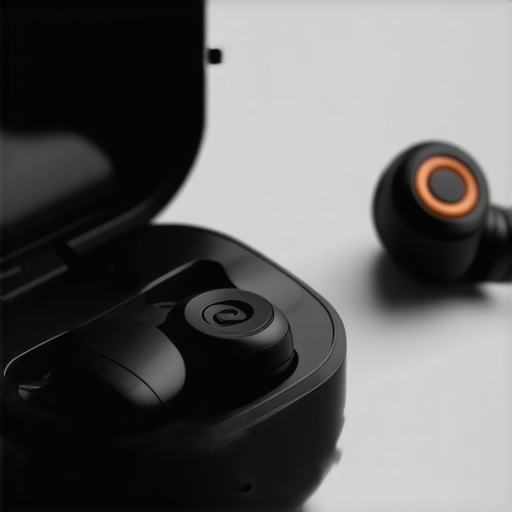 When exploring home audio gear, many enthusiasts fall prey to common misconceptions that can diminish their listening experience. A typical mistake is believing that higher price always guarantees superior sound quality. While premium brands often do offer better fidelity, there’s a significant gap between marketing hype and actual performance. For example, some budget-friendly speakers utilize high-quality drivers and thoughtful cabinet design, delivering excellent sound at a fraction of the cost. Relying solely on brand reputation without listening or testing can lead to overpaying for features you don’t need. Additionally, many assume that advanced specs like high wattage or multiple channels automatically translate to better audio. However, in practice, the quality of internal components, room acoustics, and proper calibration play a more vital role. For instance, an amplifier with massive power output can be overkill in small rooms, causing distortion rather than clarity. It’s crucial to focus on compatibility and actual performance rather than raw numbers.
Why Do People Overlook Speaker Placement and Room Acoustics?
Many overlook how placement dramatically influences sound quality. Even the most expensive soundbar or speakers can sound mediocre if positioned poorly. Echoes, null points, and standing waves can all distort audio perception, making the setup less effective. In fact, some high-end setups falter because of uncontrolled room acoustics, overshadowing the quality of the gear itself. Proper positioning, acoustic treatment, and even choosing the right seating height can elevate your listening experience dramatically. Studies show that optimizing speaker placement can improve perceived sound quality by up to 30%, often more than upgrading components. For help with this, check out how to position your speakers for maximum effect or consider acoustic panels to tame reflections.
Another common myth is that the latest tech always outperforms older models. While newer features like room correction or wireless connectivity add convenience, they don’t necessarily mean better sound. In some cases, older, well-maintained hardware can outperform new but untested models. This is why it’s vital to evaluate gear based on listening tests and reviews rather than specs alone.
Moreover, many enthusiasts fail to consider the importance of source quality. Playing high-definition files through cheap DACs or low-bitrate streams can bottleneck your system, regardless of how expensive your speakers are. A balanced approach—investing in good quality cables, proper amplification, and high-resolution sources—can make a profound difference. As some experts suggest, focusing on the synergy between components often yields better results than obsessing over individual specs.
In summary, avoid falling into the trap of equating high cost with high performance, ignore placement, or chasing the latest features without assessing your actual needs. By understanding these nuances, you can craft a home audio setup that truly enhances your listening experience. For instance, exploring affordable yet high-quality options like used amplifiers or bookshelf speakers can be a smart move. Remember, a thoughtful setup beats flashy gear every time. Want to learn more? Discover how to choose the right amplifier for your space or find versatile speakers that suit any room. Have you ever fallen into this trap? Let me know in the comments.Maintaining your home audio setup over time is crucial for preserving sound quality and extending the lifespan of your equipment. Regular upkeep ensures you get the most out of your investment and prevents unexpected failures. One of the first steps I take is applying a routine cleaning schedule, especially for connections and ports. Using a contact cleaner like DeoxIT allows me to remove oxidation and corrosion that can cause static or dropout issues. I personally dip a small brush into the solution and gently scrub the connections, then wipe away excess liquid with a microfiber cloth—this simple process noticeably improves signal stability. Additionally, keeping firmware and software up to date is vital; manufacturers often release patches that fix bugs and enhance performance. For example, I regularly check for updates on my soundbar and headphones via their dedicated apps, ensuring I benefit from the latest improvements and security fixes.
Lessons I Wish Someone Told Me About Wireless Earbuds
One of the most eye-opening lessons I learned was that firmware updates are your best friends—they often fix bugs that cause disconnections. Never underestimate the power of re-pairing your device; sometimes, a fresh connection clears out persistent glitches. I’ve discovered that environmental factors like Wi-Fi interference can silently sabotage your listening experience—being aware of and managing these can make all the difference.
Another insight is investing time in understanding your device’s settings. Turning off unnecessary Bluetooth connections and customizing codec preferences improved my stability dramatically. Lastly, I realized that patience and a willingness to experiment—like repositioning your source device or changing frequency bands—are key steps toward enjoying uninterrupted music.
My Arsenal of Trusted Tools for Perfect Music Flow
For firmware updates and device management, I rely on the official manufacturer apps, such as the Bose Connect app or Sony Headphones Connect. These tools keep my devices running their latest and greatest. If you’re troubleshooting wireless issues, apps like Bluetooth Scanner help identify interference sources around you. I also swear by contact cleaner products like DeoxIT for cleaning ports and contacts—simple but surprisingly effective.
When planning room layouts or improving signal quality, I use Wi-Fi analyzers that help me choose the least congested channels, reducing interference. For ongoing maintenance, a microfiber cloth and a gentle brush are invaluable for keeping contacts pristine, ensuring your connection remains solid over time.
Your Turn to Elevate Your Wireless Sound Experience
Embracing these insider tips can transform your listening sessions from frustrating to fabulous. Remember, the key isn’t just in choosing the right earbuds but in maintaining and optimizing what’s behind the scenes. So, take a moment today to update your firmware, tidy your device’s contacts, and adjust your environment. Your seamless listening experience awaits! Want to share your own troubleshooting success stories or struggles? Drop a comment below and let’s learn together.
Comments are closed.