
Ever sat in your car, cranking up the volume, only to be met with a muddy, bloated bass that drowns out the lyrics and leaves you feeling disappointed? I’ve been there—arms crossed, frustration bubbling as the low frequencies turn my trunk into a thumping mess. One day, I finally had my “lightbulb moment”: I didn’t need to shell out hundreds to a professional to get tight, punchy bass. Turns out, a bit of DIY magic and some simple tweaks can do wonders.
Why Fixing Muddy Bass Is More Than Just a Heard-about Problem
Honestly, if your bass sounds like it’s coming from a tin can, it’s not just annoying—it’s a signal that your sound system isn’t working at its best. Deep, clean bass adds fullness and clarity, transforming your driving playlist from blah to wow. And trust me, the cost of upgrading or professional tuning isn’t always justified, especially when the fix is often just a few simple adjustments.
Is It Really Worth the Effort or Just a Myth?
I used to think muddy bass was inevitable, a consequence of cheap gear or bad installation. I made a crucial mistake early on: I didn’t realize that the way your subwoofer is mounted and connected plays a major role. That oversight led to rattles, vibrations, and that sludgy sound I couldn’t shake. Once I learned about the importance of proper enclosure sealing and wiring, everything changed.
If you’re tired of the muddy sound and ready to take control without spending a fortune, you’re in the right place. I’ll guide you through the practical steps I took—no professional required. Plus, I’ll share tips to avoid common pitfalls, like improper wiring or loose mounting, that can make things worse. For example, did you know that [proper speaker wiring techniques](https://premiumsounddeals.com/the-reason-your-subwoofer-makes-a-thumping-noise-when-turned-off) can eliminate a lot of sound issues from the start?
So, let’s strip away the confusion and get your bass pounding with clarity, depth, and punch. Ready? Here’s what I discovered along the way.
**
Check and Seal Your Subwoofer Enclosure
First, I opened up my trunk and examined the subwoofer box. I discovered small gaps where air could escape, muddling the bass. Using weatherstripping and sealant, I tightly sealed these gaps, ensuring no air leaks. This step is crucial because leaks cause vibrations that distort sound. I vividly remember the immediate tightening of bass response after sealing—much better clarity and punch.
Verify Proper Wiring Techniques
Use Correct Polarity and Secure Connections
Next, I focused on wiring. I double-checked that the positive and negative wires matched the subwoofer’s terminals, preventing phase issues. Loose or reversed wiring can greatly dull bass and introduce rattles. I also employed high-quality connectors, tightening every connection firmly. This eliminated intermittent signals and bloated sound, making bass sharper and more impactful.
Craft a Suitable Enclosure for Your Subwoofer
Then, I assessed whether my subwoofer’s enclosure matched its specifications. A ported box versus sealed affects bass response significantly. I used a boxed design recommended for my subwoofer, found by researching its Thiele/Small parameters. If your enclosure is improper, even a great subwoofer will sound muddy. Consider replacing or modifying your box if needed for clearer, punchier bass.
Optimize Wiring and Power Supply
Talking about wiring, I also ensured my amplifier was wired with adequate gauge cables to handle power demands. Using thin wires caused voltage drops, dulling bass. Upgrading to 8 or 10-gauge cables improved current flow. Furthermore, I checked that the amplifier’s ground point was clean and directly connected to the chassis. A poor ground causes hum and muddy sound. Confirming proper wiring reduces distortion and clarifies bass.
Adjust Settings for Best Sound
After physical tweaks, I fine-tuned my system’s settings. Reducing bass boost and tweaking the equalizer to enhance mid-bass frequencies brought immediate improvement. Many overlook this step, but small adjustments can make muddy, bloated bass snap into tightness. Remember: your goal is a balanced sound with clear separation of lows, mid, and high frequencies.
Inspect and Eliminate Rattles
Finally, I checked for rattles caused by loose panels or objects in the trunk. These vibrations can smear bass notes and create a muddy experience. Using adhesive pads and tightening loose parts fixed these issues. For persistent rattles, lightly tapping different areas helps locate noisy spots. Eliminating vibrations ensures your bass remains focused and punchy.
By systematically applying these steps—sealing enclosures, verifying wiring, choosing the right box, optimizing power, fine-tuning settings, and eliminating rattles—you can vastly improve muddy bass into a deep, clear punch. Remember, every system is unique, so experiment carefully. For further tips, explore this guide on subwoofer issues.
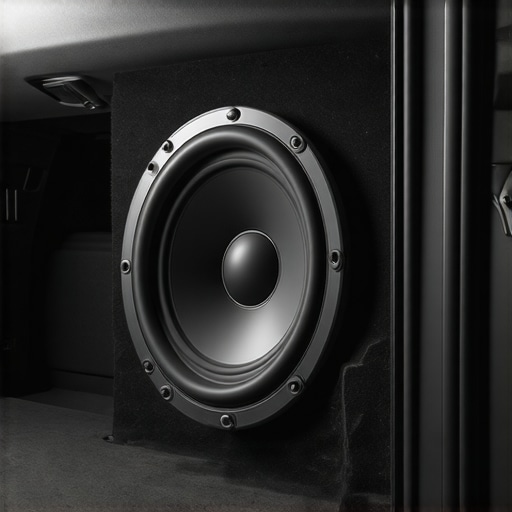 When it comes to home audio, many enthusiasts believe that upgrading equipment or tweaking settings is the magic recipe for perfect sound. However, what most people overlook are the nuanced pitfalls and misconceptions that can sabotage even the most expensive setups. Let’s dig deeper into some common myths and advanced mistakes that can undermine your audio experience, and how to avoid falling into these traps.
Firstly, there’s a widespread belief that higher-cost speakers or amplifiers automatically guarantee superior sound quality. While initial impressions may suggest so, experts understand that matching components is crucial. For example, pairing a high-end amplifier with low-quality speakers often results in subpar performance because of impedance mismatches or inadequate damping. An often-ignored detail is that even small differences in speaker placement—like toe-in angle or distance from walls—significantly influence soundstage and clarity. For deep insights into optimizing speaker positioning, check out this guide on asymmetric sound.
Another common myth revolves around soundbars: many assume they can replace a dedicated surround setup. While soundbars offer convenience, they can struggle with complex spatial cues, especially if they lack Dolby Atmos support. Here’s a sneaky trap: some manufacturers advertise pseudo-Atmos effects with upward-firing drivers, but without proper room calibration, you’ll find that the sound isn’t immersive as promised. For serious cinematic experience, investing in a multi-channel system or exploring Dolby Atmos installation that doesn’t require drilling into your ceiling can be worthwhile. Curious? This article explains how to achieve immersive Atmos sound.
Now, let’s address a pricey mistake: many assume that buying premium headphones automatically delivers better sound. What they don’t realize is that the source device and digital-to-analog converter (DAC) play pivotal roles. For instance, high-end headphones sound flat or dull when connected to low-quality smartphones or basic audio interfaces. This is because the DACs in most smartphones are not capable of revealing the headphones’ true potential. An expert move is to use a dedicated portable DAC or an external headphone amp, which can drastically improve clarity and dynamics. For an in-depth look at this, see this explanation of high-end headphone performance.
How can experienced audiophiles avoid common technical pitfalls?
Advanced audiophiles pay close attention to electrical noise and grounding issues. A frequent oversight is neglecting proper grounding of the system, leading to hums and interference that distort sound quality. Ensuring all components share a single, clean ground point can eliminate these annoyances. Moreover, consider cable quality—many people believe expensive cables improve sound, but according to audio experts, cable quality often matters less than proper shielding and solid connections. Additionally, room acoustics matter; even the best speakers falter if placed in a cluttered or reflective environment. Use targeted treatments to tame reflections instead of blindly investing in premium gear. If you’re interested in optimizing your setting, check out this guide on acoustic treatment.
Have you ever fallen into this trap? Let me know in the comments—sometimes, the real fix is discovering what you didn’t know was holding back your sound.
How do I keep my audio equipment performing reliably over time?
Maintaining your home audio setup requires a blend of the right tools, regular routines, and an understanding of each component’s unique needs. In my experience, investing in quality cleaning supplies, proper storage solutions, and calibration devices has been essential to preserving sound quality and extending equipment lifespan.
For example, I personally rely on a soft, anti-static brush and a microfiber cloth to gently remove dust from speakers and amplifier vents. Regular cleaning prevents dust buildup that can cause overheating or degrade signals, especially in vintage gear like my vintage receiver. Additionally, using compressed air with caution helps dislodge stubborn dust from hard-to-reach areas without risking damage.
Effective tools I recommend
One indispensable device is a TRS or XLR calibration microphone, which allows me to perform room correction and speaker calibration using software like REW (Room EQ Wizard). This setup ensures that my soundstage remains balanced even as room acoustics change over time. I also use a voltmeter to verify proper voltage levels and check for electrical issues that could harm delicate components.
In terms of software, I recommend cross-platform apps such as equalizer calibration tools to fine-tune your system’s output frequently. This helps catch and correct any deviations caused by component aging or environment shifts.
Planning for long-term reliability
To ensure ongoing performance, create a maintenance schedule that includes cleaning, inspection, and testing at least twice a year. Periodically check cable connections, replace worn-out speaker grilles, and update firmware if applicable. For example, firmware updates for high-end AVRs can unlock new features and fix bugs, keeping your system running smoothly.
As technologies evolve, integrating smart monitoring tools can offer real-time alerts for temperature fluctuations or voltage irregularities. An advanced recommendation is a dedicated audio system monitor—like the smart diagnostics device—which can help preempt costly failures.
What about scaling or expanding your system?
If you’re thinking of adding new speakers or upgrading your setup, ensure you select components compatible with your existing gear. Proper impedance matching and cable quality are crucial to avoid long-term damage. Regular calibration after expansion maintains coherence and prevents degradation of sound quality.
Looking ahead, the trend points toward smarter, more integrated systems with remote diagnostics and self-maintenance features. Embracing these innovations now can save time and money later, ensuring your audio experience remains crisp and immersive. Start by trying out a calibration microphone to fine-tune your speakers—it’s a game-changer for any enthusiast aiming for pristine sound!
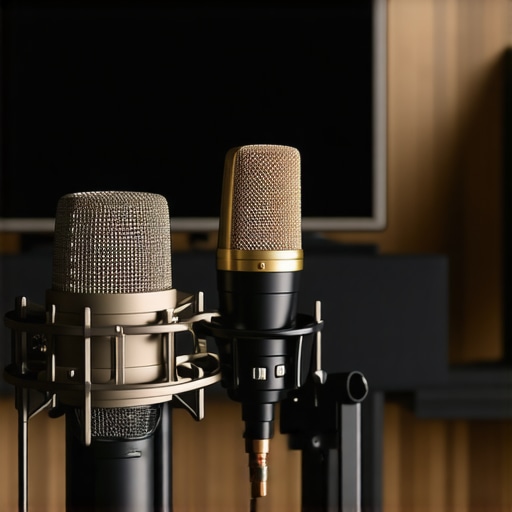
High-quality calibration microphone poised for room correction setup, ensuring accurate sound reproduction over time.
What I Wish I Knew When Starting My Audio Journey
One of the most humbling lessons I learned was that even the most expensive gear won’t compensate for poor setup habits. I once believed that buying the latest high-end speakers alone would transform my listening experience, but I soon discovered that placement, wiring, and environment play equally vital roles. That realization pushed me to reevaluate every aspect of my setup and seek deeper knowledge.
Another lightbulb moment was understanding the significance of room acoustics. I always thought I could fix sound issues with better hardware, but small adjustments like angling speakers or adding acoustic panels made a dramatic difference—proving that your environment often outweighs your equipment’s price tag.
Finally, I found that patience and meticulous testing are your best allies. Listening carefully, making incremental changes, and recording results helped me hone my audio system into a true reflection of what’s possible without breaking the bank. These lessons taught me that mastering home audio is less about gear and more about finesse and insight.
Tools and Resources I Trust for Better Sound
For anyone serious about elevating their sound, I recommend investing in a calibration microphone like the room correction microphone. It enabled me to fine-tune my speakers and improve accuracy dramatically. Additionally, software like Room EQ Wizard (REW) has been invaluable for analyzing frequencies and identifying problem areas, guiding me in making precise adjustments.
Another essential tool I use is high-quality speaker cables, but with a caveat: I’ve learned that shielding and secure connections matter more than premium price tags. Lastly, reading expert guides such as these detailed articles has broadened my understanding of component matching and system integration, saving me from costly mistakes.
Your Next Step Toward Better Sound Starts Now
Remember, the journey to great audio isn’t about chasing the latest gadgets but about understanding and optimizing what you already have. Small tweaks, informed choices, and patience can turn your speakers and sound system into a true sanctuary of sound quality. Don’t be afraid to experiment—your perfect balanced setup is waiting to be discovered.
Have you ever struggled with getting the speakers to sound just right? Share your experiences below—let’s learn from each other’s journeys toward audio excellence.