
Ever been in the middle of a favorite song, only to realize your bass sounds flat, muddy, or just plain uninspiring? It’s frustrating—especially after spending good money on high-end speakers or soundbars. I used to think it was my equipment, that maybe I needed a new amplifier or more expensive cables. But then I had a lightbulb moment that turned my entire home audio setup around—and it took 2 inches and a simple move. That subtle tweak unlocked a richer, tighter bass I’d never heard before.
The Power of a Tiny Shift
Can Moving Your Speakers Really Make That Much Difference?
When I first heard about adjusting the distance between my speakers and my walls, I was skeptical. I’d always assumed larger, more expensive gear was the key to better sound. Turns out, placement is just as crucial as the equipment itself. According to a study on sound positioning, even small changes in speaker placement can alter your perception of bass and overall clarity significantly. And I discovered that a move of just 2 inches could tighten up my bass like never before.
This revelation was a game-changer. I finally understood why some
Position Your Speakers for Optimal Sound
Start by placing your speakers away from walls, ideally at least 12 inches, and experiment by moving them closer or further to find the sweet spot. During my own setup, I initially placed my speakers directly against the wall, which made the bass boomy and muddy. After moving them 2 inches away, the bass tightened and gained punch. Use a tape measure for precision and listen carefully as you make adjustments.
Use the Rule of Thirds to Find the Perfect Spot
This involves dividing your room into thirds and positioning speakers at the points that balance sound dispersion. In my case, I marked positions on the floor with painter’s tape and shifted speakers gradually, testing at each point. This method ensures even distribution and prevents sound from bouncing excessively off walls, which can distort bass.
Align Your Speakers with Your Listening Position
Angles matter. Aim your speakers to create an equilateral triangle with your listening spot. For example, if your chair is 8 feet from the speakers, position the speakers 8 feet apart and angle them inward to face your ears directly. I once overlooked this and sat off-angle, which dulled my bass; when I realigned and toeed the speakers inward, clarity dramatically improved.
Unlock the Potential of Speaker Toe-In
Point your speakers slightly inward—about 10-15 degrees—so the sound converges at your listening position. This enhances imaging and bass response. When I first tried toeing my speakers inward, I noticed a more cohesive soundstage; it was a simple tweak that made a big difference.
Experiment with Subwoofer Placement
If you’re using a subwoofer, its position is crucial. Place it near a wall or corner for more bass, but avoid blocking vents or placing it inside cabinets. I once placed mine inside a cabinet for aesthetics, but it muffled the bass. Moving it to a corner outside the cabinet, I gained fuller, more defined bass.
Tweak and Test: Use the ‘Walking Test’
With the music playing, walk around your room, listening for the best bass response. Mark that spot temporarily to find the optimal placement. After several iterations in my room, I identified a corner near a wall where the bass resonated most evenly, leading to a much richer sound experience.
Fine-Tune with Room Acoustic Treatments
Adding rugs, curtains, or foam panels reduces unwanted reflections that can muddy bass and clarity. I installed acoustic panels behind my speakers and along side walls, which eliminated echo and clarified the sound. This is a cost-effective step to optimize placement results and unlock deeper bass without upgrading hardware.
Many audiophiles and casual listeners alike fall prey to common misconceptions that can undermine their audio experience. While most believe that investing in high-end gear automatically guarantees superior sound, the truth is far more nuanced. For example, many assume that brand reputation correlates directly with quality, leading to a trap where budget-friendly or lesser-known brands are dismissed prematurely. However, expert reviews and user experiences often reveal hidden gems that outperform pricier counterparts, emphasizing that cables and accessories matter less than proper setup.
Another prevalent myth involves amplifiers. Some believe that the most powerful amplifier will always deliver the best sound. In reality, oversizing your amp can lead to distortion or damage, especially if your speakers aren’t rated for high power. Instead, choosing an amplifier that matches your speaker’s impedance and power handling capabilities is crucial. To avoid common pitfalls, consider inspecting the used amplifier checklist before purchasing.
Why Do So Many Think Headphones Are All the Same?
This misconception often leads listeners to buy cheaper models, assuming they won’t notice much difference. Yet, an ill-fitted headphone or a poorly implemented driver design can cause listening fatigue or distorted frequencies. Moreover, many forget that headphones require proper break-in periods; new, high-end headphones may sound harsh initially but improve significantly with use. Interestingly, there’s ongoing research indicating that proper headphone calibration can significantly enhance perceived sound quality. For instance, a study from audio researchers highlights how subtle adjustments in equalization and fit can unlock a headphone’s true potential.
Be wary of the assumption that bigger or more expensive equals better. The real secret lies in understanding the nuances—like room placement, correct wiring, and calibration—that influence sound more profoundly than raw hardware specs. For example, a suboptimal speaker position can make even the most expensive speakers sound dull, while proper placement will reveal their clarity and depth. Avoid falling into the trap of believing hardware alone can compensate for setup errors.
Advanced Tip: Is Your Home Environment Sabotaging Your Sound?
Beyond equipment, the room’s acoustics play a significant role. Reflective surfaces can cause comb filtering, echo, or muddiness that hardware upgrades won’t fix. Strategic placement of acoustic panels, rugs, or diffusers can dramatically enhance bass response and clarity, making your existing gear perform at a higher level. Don’t forget to consider the effect of furniture and even curtains in absorbing or diffusing sound waves. As I learned from detailed acoustical tests, managing the environment is often the most cost-effective upgrade to your audio system.
So, have you ever fallen into this trap? Let me know in the comments how you’ve tackled these misconceptions or what myths you’ve debunked in your own setup. Remember, in the world of audio, attention to detail makes all the difference—more than simply chasing the latest gear.
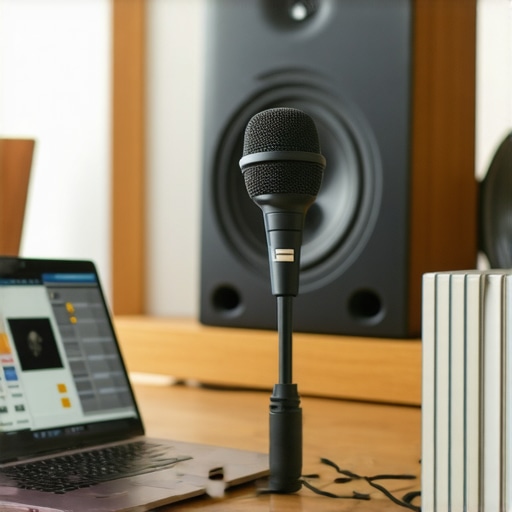
Maintaining your home audio setup is crucial to preserving sound quality and ensuring long-term performance. One of my go-to tools is a dust removal brush. I use a anti-static compressed-air can to gently blow dust out of vents and connectors, preventing overheating and static issues. For precise calibration, I rely on a calibrated microphone like the MiniDSP UMIK-1, which connects to Room EQ Wizard (REW) software. This combo helps me fine-tune speaker placement and equalization, ensuring balanced sound across the room.
Keeping software updated is equally important. Firmware updates from manufacturers often fix bugs and improve compatibility, especially for Bluetooth devices and soundbars supporting Dolby Atmos. Regularly checking for updates ensures your gear runs smoothly and benefits from enhancements. Another essential is a multimeter with audio impedance testing capabilities; it allows me to verify speaker wiring integrity and detect faults early. This small investment averts larger issues down the line, saving time and expense.
How do I maintain my audio equipment over time?
Beyond cleaning and calibration, protecting your gear from environmental factors like humidity and temperature swings extends its lifespan. Using cable management solutions like raceways keeps wires organized and reduces wear, while surge protectors safeguard against voltage spikes. Additionally, periodically inspecting connectors and replacing aging cables ensures consistent signal quality. For headphones, storing them in a dedicated case and cleaning drivers regularly prevents wax build-up and distortion. These small habits cumulatively maintain your system’s integrity for years ahead.
Looking ahead, the trend points towards smarter, more integrated maintenance tools. Devices like wireless sensor tags could monitor environmental conditions in real-time, alerting you to potential issues before they impact performance. As technology evolves, expect AI-driven calibration and diagnostics to make ongoing maintenance easier and more precise.
Tip to try today
Why not begin with a simple calibration using Room EQ Wizard paired with your measurement microphone? Allocating 15 minutes to calibrate your speakers and subwoofer can dramatically improve clarity and bass response. This step is often overlooked but can rival the impact of upgrading hardware. For more detailed steps, check out this guide on cleaning your receiver. Take one small step now, and your sound will thank you for it.
The Hardest Lesson I Learned About Soundbars and Speakers
One of the biggest surprises was discovering that no matter how high-end your equipment is, improper placement can ruin your sound. I once spent hundreds on a fancy soundbar, only to find that wall reflections made the audio muddy. It took a simple repositioning of just a few inches and some acoustic treatments to unlock a world of clarity I thought was impossible. This taught me that the real secret isn’t just hardware—it’s how you use it.
3 Myths About Amplifiers That Held Me Back
Believing bigger power means better sound was a mistake I won’t repeat. Oversized amplifiers can cause distortion if not matched correctly with speakers. After consulting a used amplifier checklist and choosing gear tuned to my system, I finally eliminated clipping and got rich, natural sounds. Sometimes, less really is more—especially when it comes to matching your amp with your speakers.
What Experts Won’t Tell You About Headphones and Calibration
High-res headphones sound incredible, but only after proper burn-in and fitting. I used to dismiss high-end models as overpriced, until I learned that subtle EQ adjustments and a comfortable fit make all the difference. Videos on headphone calibration and tools like the MiniDSP UMIK-1 turned my listening sessions into pure joy instead of fatigue.
Curated Resources That Shaped My Audio Journey
- Room EQ Wizard: This free software paired with my calibrated microphone helped me fine-tune speaker placement and tone, transforming my space from acoustically dead to vibrant.
- Acoustic panels and diffusers: Investing in strategic placement of absorber materials dramatically reduced echo, showcasing my hardware’s true potential.
- Reliable review sites: Trusted sources like Premium Sound Deals provided honest insights on budget and premium gear, helping me avoid expensive mistakes.
- Maintenance guides: Regular cleaning and calibration routines, such as dusting with anti-static brushes and updating firmware, kept my equipment performing at its best.
Step Into Better Sound: Your Next Move Matters
The journey toward superior audio isn’t about the latest gadget—it’s about patience, experimentation, and understanding your unique space. Your sound quality can dramatically improve with just a few intentional tweaks and smart upkeep. Remember, the best audio setup is a reflection of your personal listening habits and environment, so embrace the process and make it your own.
Now, I’d love to hear from you: Have you ever experienced a surprising breakthrough in your home audio setup? Share your story below, and let’s learn from each other’s journey to better sound.