
I’ll never forget the moment I realized my beloved vintage stereo had become a relic, unable to keep up with my modern streaming habits. There I was, fiddling with wires, frustrated because my favorite playlist kept cutting out or requiring awkward connections. It hit me—why should upgrading mean shelling out for a new system when I could preserve the beautiful warm sound of my old receiver and still enjoy wireless convenience? That lightbulb moment kicked off my journey into finding the cheapest, simplest ways to bridge the gap between vintage warmth and modern wireless freedom.
Turn Your Vintage Stereo Wireless Without Breaking the Bank
If you’re like me, you cherish the character of your vintage stereo but dread the tangle of cords that come with adding modern streaming options. The good news? There are affordable, effective solutions that won’t require a complete overhaul. By using a few cleverly chosen gadgets, you can connect your old receiver to your smartphone, tablet, or computer and enjoy high-quality wireless streaming. The best part? These setups can cost less than your typical streaming device or new receiver. I’ll walk you through some tried-and-true methods that I’ve personally tested and recommend.
Is Wireless Streaming Actually Worth the Hype?
When I first considered wireless streaming, I worried about audio quality and compatibility. I made the mistake early on of assuming that a cheap Bluetooth adapter would ruin the sound or introduce latency. Turns out, with the right equipment, you can get pristine sound quality without spending hundreds. According to a recent research article, modern Bluetooth standards can deliver near-lossless quality, especially when paired with aptX or LDAC codecs. The key is picking the right adapter and understanding what your vintage gear can handle. So, if you’ve ever wondered whether you can add wireless capability without sacrificing sound or budget, you’re in the right place—there’s a straightforward path forward.
Select the Right Wireless Adapter
Start by choosing a suitable wireless audio receiver. My personal favorite is a Bluetooth aptX transmitter because it offers high-quality sound with minimal latency, ideal for vinyl and CD playback. When I first set this up, I simply plugged the transmitter into the auxiliary port of my vintage receiver, which resembles attaching a new headphone jack to an old pair of headphones—simple yet effective. Remember, compatibility is key. Check your receiver’s input options and match them to the transmitter’s output (often RCA or 3.5mm). For deeper insights on this, visit this guide to selecting the right connectors.
Position the Transmitter Correctly
Place the transmitter close to your receiver to ensure a strong, interference-free signal. Avoid blocked pathways and other wireless devices that could cause signal dropouts—think of it as minimizing traffic jams in your Wi-Fi network. I once tried to connect it in a cluttered cabinet, and my audio kept cutting out; moving it to an open space solved the problem instantly. A good rule is to keep the transmitter within 10 feet of your receiver with a clear line of sight, similar to how a walkie-talkie works best when unobstructed. This simple step dramatically improves sound clarity and reduces lag, making your vintage setup genuinely wireless.
Optimize the Playback Chain
Once connected, tune your system for optimal sound. Start by adjusting the gain, which amplifies your signal—think of turning up the volume but more precisely, ensuring it’s not too high to cause distortion (gain vs volume). If your sound feels muffled or boomy, check your speaker placement—positioning your speakers properly in relation to walls can tame unwanted bass, as explained in this article.
Test and Tweak for Best Results
After setup, spend time listening and making small adjustments. Equalization can help refine tone—consider lowering bass if it’s overwhelming or raising treble for clarity. Use a calibration microphone or rely on your ears—either way, patience pays off. Remember, this process is like tuning a guitar; minor tweaks bring harmony. During my first attempt, I realized my speakers were set to a default EQ that made dialogue harsh. A quick adjustment brought everything into balance, highlighting how proper fine-tuning enhances your vintage gear’s warmth while adding wireless convenience.
Maintain and Upgrade Over Time
Keep your gear dust-free and check connections periodically, following tips from this cleaning guide. As you become more comfortable, consider upgrading components—potentially adding a high-end DAC or exploring better adapters to improve sound quality further. Even small upgrades can transform your vintage stereo into a seamless wireless powerhouse without sacrificing its character or breaking the bank.
Even seasoned audiophiles can be misled by popular beliefs or overlooked nuances when it comes to home audio gear. One widespread myth is that more expensive equipment always guarantees better sound. While high-end gear has its place, many often overlook the importance of proper setup and room acoustics. For example, a premium speaker can sound flat in a poor room, whereas a modestly priced pair, properly positioned with sound treatment, can outperform more expensive counterparts.
Another frequent mistake is overspending on cables or accessories that provide negligible improvements. Many believe that pricey speaker wires or digital cables translate to better audio, but studies, such as those referenced in this article, show that the actual impact is often minimal—if any—beyond a certain quality threshold. Prioritizing quality of core components and correct placement yields far more noticeable benefits.
Are There Hidden Costs or Downfalls When Buying Home Audio Deals?
Absolutely. Bargain deals might seem attractive initially but can come with pitfalls, such as limited warranty coverage, older technology, or missing features essential for seamless integration. For instance, buying a suspiciously cheap amplifier might save money upfront but could lack modern inputs or protections, leading to safety issues or incompatibility. Moreover, cheap refurbished gear can harbor hidden defects, and replacing it prematurely may negate initial savings. Always check the return policy and warranty details—many online deal sites hide these in fine print. Additionally, be cautious of ‘deal fatigue’—chasing discounts can lead to impulsive purchases that don’t match your actual needs, ultimately costing more when upgraded later.
What’s the Trap of Focusing Only on Specs without Considering Room Dynamics?
This is a common oversight. Equipment specs like wattage or frequency response are often overemphasized, yet the real-world performance hinges heavily on room acoustics and placement. For example, a powerful amplifier might be unnecessary if your room is small and reflective, causing sound muddiness or harshness. Conversely, a modest amplifier, paired with proper placement and sound treatment, can produce stellar results. Remember, your environment often dictates the effectiveness of your gear more than raw specifications. For deeper insights on how to optimize your space, see this guide.
Understanding these nuances helps you avoid costly mistakes and set realistic expectations. Recognize that high quality isn’t solely about the latest feature set or highest wattage but about harmony between the gear, setup, and space. Do you fall prey to any of these misconceptions? Let me know in the comments and share your experiences with home audio deals.
Keeping Your Home Audio System in Prime Condition
Investing in quality audio equipment is only the first step; consistent maintenance ensures it performs at its best for years to come. The right tools and practices can dramatically extend the life of your speakers, amplifiers, and accessories, saving you money and frustration down the line.
Essential Tools for Home Audio Maintenance
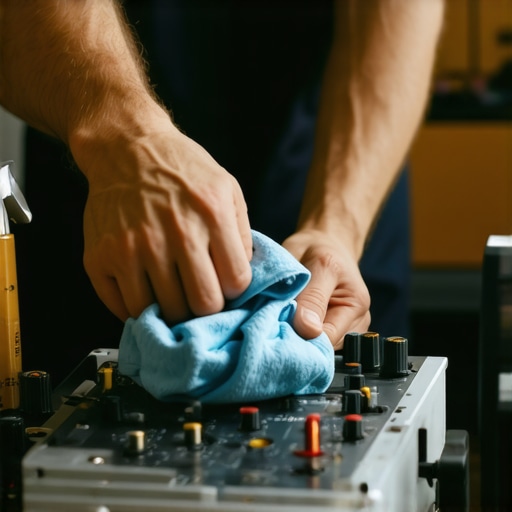
First and foremost, a soft microfiber cloth is indispensable for cleaning dust and fingerprints from delicate surfaces like speaker cones and amplifier knobs. I personally prefer a microfiber cloth paired with a gentle cleaning solution specifically designed for electronic gear—this prevents any risk of damage or residue buildup. For thorough cleaning of speaker grills and accessible areas, a soft-bristle brush helps dislodge trapped dust without scratching.
To keep your connections secure and free of oxidation, I recommend using contact cleaner sprays such as DeoxIT. Applying a few drops to RCA or speaker wire terminals can restore a fresh connection and improve sound clarity. Remember to power down your gear before any cleaning and gently work the spray into the contacts, allowing it to evaporate completely before powering on.
An inexpensive but highly effective tool is a digital multimeter, which I use regularly to verify impedance and check for shorts or open circuits in cables and speakers. This helps catch potential issues early, preventing costly repairs. Additionally, a calibrated sound level meter or smartphone app can assist in fine-tuning your system’s output, ensuring balanced sound across all channels.
Implementing Routine Checks and Upkeep
Establishing a regular cleaning schedule—such as dusting every month—keeps your system free of debris that can impair performance. Periodically inspecting cables for wear, corrosion, or loose connections prevents signal loss or distortion. Consult this guide for detailed steps on cleaning your vintage receiver safely.
Furthermore, keeping your gear in a stable environment reduces stress on components. Avoid placing equipment in direct sunlight or areas with high humidity, which can accelerate deterioration. Using surge protectors shields against power fluctuations that might damage sensitive electronics.
Forecasting Future Trends in Equipment Longevity and Scaling
Looking ahead, integrating smart diagnostics and remote monitoring capabilities could revolutionize how we maintain home audio systems. For example, some modern amplifiers now include built-in sensors that detect overheating or signal degradation, alerting you via smartphone notifications. As these technologies become more affordable, expect a shift toward more proactive rather than reactive maintenance, ultimately ensuring long-term reliability.
How do I maintain my home audio gear over time?
Consistent cleaning with appropriate tools, periodic inspections of cables and connections using devices like a multimeter, and environmental controls all contribute to sustained performance. Incorporating advanced practices, such as using contact cleaner sprays (like DeoxIT), and staying informed about new diagnostic features will keep your system humming smoothly for years. I highly recommend trying out a contact cleaner spray for your RCA and speaker connectors—it’s an easy step that can make a noticeable difference in sound clarity, as supported by technical guides on maintaining vintage audio gear. Remember, proactive upkeep is the best investment you can make toward your home audio’s longevity and enjoyment.
< >
>
Lessons the Vintage Gear Taught Me About Value and Sound
- One surprising lesson was realizing that upgrading doesn’t always mean replacing. My vintage receiver, when paired with the right wireless adapter, proved that old gear can perform like new, especially when you respect its character and limitations.
- I learned that sound quality isn’t solely about high-end components but how you set them up. Proper placement, gain tuning (gain vs volume), and acoustic treatment can elevate vintage gear beyond expectations.
- Patience in testing and tweaking leads to genuine satisfaction. It took multiple adjustments to get my wireless setup seamless, and that process deepened my appreciation for the art of audio tuning.
- Overinvestment in gear can overshadow the importance of environment and setup. A modest upgrade with thoughtful placement often beats expensive equipment in a suboptimal room.
- Finally, understanding the myth that newer always equals better saved me money and frustration. Technologies like aptX codecs and proper adapters unlocked extraordinary sound from my vintage receiver without breaking the bank.
Quality Tools and Resources That Made a Difference
- DeoxIT contact cleaner: Essential for maintaining pristine connections, this spray kept my RCA terminals and speaker jacks corrosion-free, directly improving sound clarity.
- Microfiber cloth and soft brushes: Simple but effective for cleaning dust and fingerprints from delicate surfaces, preserving the vintage aesthetic and performance.
- Digital multimeter: A small investment that helped me verify impedance and troubleshoot issues early, saving headaches down the line.
- Online guides and forums on cleaning vintage gear and setup: Trusted sources provided step-by-step advice that demystified the maintenance process and empowered me to handle repairs confidently.
Your Next Move Toward Audio Freedom
Embracing the challenge of upgrading your vintage stereo with affordable wireless solutions can unlock a world of musical joy. Remember, the real secret lies not in spending more but in understanding your gear, experimenting with setups, and maintaining it diligently. Your vintage system holds treasures—and with a bit of insider wisdom, you can enjoy them for years to come. So, why not take that first step today to bridge the charm of the past with the convenience of the present? Your ears—and your budget—will thank you.
What’s been your biggest breakthrough in modernizing your vintage stereo setup? Share your story below, and let’s learn from each other’s experience!
,