
It hit me unexpectedly one Saturday afternoon—my beloved vintage speakers and a battered old integrated amp sat silent, gathering dust because I had bought the wrong used amp online. That moment of frustration turned into a lightbulb: even seasoned audiophiles can stumble when choosing a used amplifier on marketplace sites. I’ve learned the hard way that a solid checklist can save you from my mistakes, and today I’ll share exactly how to navigate this tricky terrain.
The Why Behind The Checklist
If you’ve ever scoured marketplace listings, feeling overwhelmed by choices and nervous about getting duped, you’re not alone. The used gear market is a treasure trove, but it’s also a minefield. Without a proper plan, you risk wasting time, money, and even damaging your precious equipment. Having personally found myself reconnecting with a faulty amp that made my system sound worse than a cheap soundbar, I realized that many issues boil down to missing a reliable checklist before making a purchase. This checklist doesn’t just make your shopping safer—it helps you understand what you’re really buying, ensuring your investment pays off in great sound.
But what exactly should this checklist include? How do you spot a good deal from an expensive mirage? And perhaps most importantly, how do you avoid the sneaky pitfalls that can turn a used amp into a headache? That’s what we’ll explore together, so you can buy with confidence and enjoy your music the way it deserves to be listened to.
What To Watch Out For When Buying Used Gear
One mistake I made early on was trusting the seller’s description without a second glance at the actual condition of the amp. Relying solely on photos or vague comments can be misleading. It’s crucial to have a set of criteria for inspection—checking for signs of wear, internal dust, or signs of tampering. A good rule of thumb is to ask detailed questions about the amp’s history and operation. Remember, even a small defect can lead to costly repairs or compromised sound quality.
And if you’re wondering whether this entire process is worth the effort, consider that used gear often offers amazing value—sometimes even outperforming new models at a fraction of the cost. To help you get started, I recommend reading about how to choose the right gauge for your speaker wire runs, which is often overlooked but essential for optimal sound. You can find helpful tips on this topic and more at this guide.
Now that you understand why a careful checklist is vital, let’s dive into the practical steps that will make your used amp purchase successful, saving you time, money, and potential audio frustrations. Ready to turn those marketplace finds into a stellar addition to your home audio? Let’s get started!
Test Before You Commit
Once you’ve narrowed down a promising used amp, arrange a hands-on test. Bring your favorite music playlist—preferably with rich bass lines and detailed vocals—and listen carefully. Connect the amp to your system or a similar set of speakers. Pay attention to any humming, crackling, or distortion. For example, I once met a seller with a vintage amplifier that looked pristine, but during my test, it emitted hums and uneven volume. Testing revealed it needed repairs, so I negotiated a better price or opted out. Remember, always verify operational sound—don’t rely solely on photos or seller descriptions.
Inspect Hardware for Wear and Damage
Carefully examine the physical condition of the unit. Look for signs of overheating, corrosion, or physical impacts. Open the case if permitted—look for dust buildup, burnt components, or leaking capacitors. In my experience, a small amount of dust is normal, but burned smell or swollen capacitors indicate issues. Use a flashlight to check internal components, and seek guidance if you’re unfamiliar—some issues are hidden. Think of it like judging a vintage guitar: the condition of the hardware often dictates longevity and sound quality.
Verify Compatibility and Specifications
Ensure the amp’s specifications match your system needs. Match impedance ratings, power output, and connector types. For instance, if your speakers are 8Ω and the amp is rated for 4Ω, it may run hotter or risk damage. Use the manufacturer’s data sheets or credible online resources to cross-reference. I once bought a used amplifier with higher power output than my speakers could handle, leading to distorted sound. Carefully aligning specs minimizes such issues and maximizes performance.
Discuss Owning History and Maintenance
Ask the seller about the amp’s history—how long they’ve owned it, maintenance routines, and past repairs. Frequent moving, exposure to moisture, or neglect can shorten lifespan. If they claim it’s ‘original and untouched,’ verify that with visual cues—LEDs, switches, and connectors. In a past deal, a seller’s vague answers prompted me to request proof of recent service or maintenance. This step helps avoid silent faults that develop over time, much like understanding the history of vintage tube amps helps assess their true value.
Consider Future Repair Costs
Estimate potential repairs. Look up common issues for that model—capacitor replacements, potentiometer cleaning, or transformer fixes. Factor these into your budget. I once bought a vintage receiver with excellent sound but needed a full capacitor overhaul; budgeting for repairs saved me from surprises. Knowing typical repair costs shields you from buying a money pit. One way to stay informed is to browse online forums or specific repair guides, such as this resource.
Request Detailed Photos and Documentation
Ask for clear photos of both the interior and exterior, focusing on circuit boards, connections, and labels. Labels can reveal model authenticity and original parts. Documentation like original user manuals or receipts can confirm provenance and condition. During my last purchase, detailed photos uncovered previous repair work that was poorly done, leading me to pass. Having comprehensive visuals and documents provides peace of mind and helps you avoid scams or misrepresented gear.
Despite the plethora of options available—from amplifiers to headphones—many enthusiasts and casual listeners alike fall prey to misconceptions that hinder their audio experience. One common myth is that bigger, more expensive speakers automatically mean better sound. In reality, speaker placement, room acoustics, and matching impedance are often more critical than size or price. For instance, a small bookshelf speaker perfectly placed can outperform a large floor-standing model if the latter is improperly positioned or set up in a challenging room.
Are High-End Cables Worth the Extra Investment
Many believe that premium speaker cables or interconnects significantly boost sound quality. However, studies, including one published in the Journal of the Audio Engineering Society, suggest that well-made, standard cables perform just as well as their expensive counterparts in typical home setups. The misconception leads many to overspend on cables, diverting funds from more impactful upgrades like room treatment or quality source components.
Another frequently overlooked nuance involves soundbars. Many assume that all soundbars are created equal, but this couldn’t be further from the truth. Some models lack true stereo separation or fail to deliver significant bass without a subwoofer—despite marketing claims. I’ve seen users invest heavily in high-end soundbars only to be disappointed because they didn’t consider how room acoustics or actual performance features affect their listening experience.
Why Do My Headphones Sound Different in Every Device
This is a head-scratcher for many audiophiles. The reality is that headphones don’t just passively deliver sound; they rely heavily on the device’s output and digital-to-analog conversion. Differences in output impedance, the quality of internal DACs, and even the source’s volume can alter perceived sound quality dramatically. A common trap is assuming that high-end headphones will always sound exceptional; but pairing them with a weak or mismatched output can sabotage their performance.
To optimize your headphone experience, ensure your device’s output impedance matches the headphone’s impedance, and consider using a dedicated DAC or amplifier for the best results.
It’s also crucial to understand how room acoustics influence speakers and soundbars. Many people underestimate the impact of factors like furniture placement, wall reflections, or even carpet thickness. For example, adding acoustic treatments like bass traps or diffusers can dramatically improve sound clarity, especially in smaller or untreated rooms. If you’re curious about affordable, effective ways to improve your listening environment, check out these tips. Naively investing solely in hardware without considering the room setup can lead to subpar sound, no matter how expensive your gear.
Similarly, many overlook the importance of proper speaker wire gauge. Using undersized wire may seem trivial, but it can cause signal loss, affecting audio clarity and bass response. To avoid this common mistake, consult guidelines on speaker wire gauge selection, especially for longer runs, at this resource.
Overall, the key understanding is that home audio isn’t just about the gear; it’s about the synergy between equipment, environment, and setup. Recognizing these nuanced aspects allows audiophiles to avoid pitfalls, make smarter investments, and truly enjoy their music. Have you ever fallen into this trap? Let me know in the comments.
Keep Your Equipment Running Smoothly with the Right Tools
Maintaining high-quality home audio gear requires more than just occasional dusting. I rely on specific tools that have proven indispensable for keeping my amplifiers, speakers, and headphones in top shape. A digital multimeter, for example, allows me to test voltage and continuity easily. I prefer a high-precision ESR meter when checking capacitors—particularly in vintage amps—since faulty capacitors are a common culprit in degraded sound quality. For cleaning dust and grime from internal components, I use a soft-bristle brush and compressed air. These tools help me identify issues early, preventing costly repairs and ensuring consistent sound performance.
Editor’s Choice: Software and Calibration Techniques
Beyond physical tools, calibration software plays a vital role in optimizing your audio setup. I personally use REW (Room EQ Wizard), a free and powerful program that measures room response and helps equalize speakers for flat, natural sound. Incorporating a measurement microphone like the UMIK-1 connects seamlessly with REW and provides accurate room calibration data. Regularly running these tests ensures your system maintains ideal sound quality over time, especially if you move or change room acoustics. As technology advances, I’d predict home audio calibration will become increasingly automated, making it easier for enthusiasts to keep their systems tuned without technical expertise.
How do I maintain my home audio setup over time?
Consistent maintenance involves routine cleaning, periodic calibration, and component checks. For example, regularly inspecting connections for corrosion or loose wires can prevent signal loss. Using the right tools, such as a multimeter for electrical tests and calibration microphones, makes this process straightforward. Also, addressing minor issues early—like replacing burnt-out capacitors—can extend the lifespan of your gear significantly. Incorporating preventive measures, such as using surge protectors and avoiding overheating, also safeguards your investment and ensures the longevity of delicate components.
The Future of Home Audio Maintenance and Scaling
Looking ahead, smart diagnostic systems are emerging that can monitor your gear in real-time. These innovations will likely include apps that alert you to potential problems—much like how smart thermostats optimize home climate. Scaling your setup will become easier with modular components and wireless monitoring, reducing the need for complex, hands-on troubleshooting. For now, investing in basic testing tools and routine checks remains the smartest way to ensure your sound remains pristine for years to come.
Try beginning with a calibration session using REW and a measurement microphone to see how your room responds. It’s a game-changer in achieving professional-quality sound reproduction at home. Remember, regular maintenance isn’t just about preventing failure—it’s about preserving that incredible listening experience you cherish.
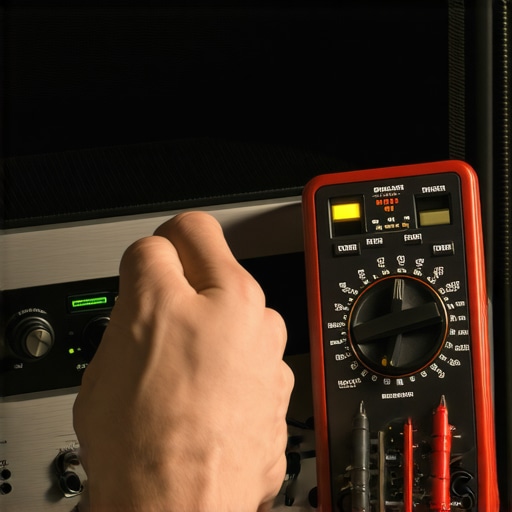
The Hardest Lessons I Learned About amplifiers,home audio deals,soundbars,speakers,headphones
One of my biggest mistakes was rushing into a purchase without proper inspection. Trusting the seller’s word or filter photos alone can lead to buying faulty gear with hidden issues. My frustrating experience with a vintage amp taught me to always perform hands-on tests and ask detailed questions. Another lesson was ignoring compatibility; I once bought a powerful amp that overwhelmed my speakers, highlighting the importance of understanding specifications before buying. Lastly, I realized that room acoustics and setup are just as critical as the equipment itself — even the best gear sounds mediocre if not placed correctly. These lessons pushed me to develop a personal checklist, turning me into a smarter, more confident buyer, and now I enjoy richer, more reliable sound in my home.