
I vividly recall the moment I finally decided to set up my own vinyl listening station. I envisioned myself soaking in the warm, rich tones of analog music, surrounded by vintage gear and carefully curated records. But as I started shopping, that idyllic picture quickly morphed into a maze of confusing decisions and unexpected expenses. I bought a decent turntable, sure, but I overlooked the true costs—upgrading cables, investing in proper speakers, finding the right amp. Before I knew it, my initial budget had doubled!
Why Setting Up a Vinyl Station Can Cost More Than You Expect
Building a quality vinyl listening setup isn’t just about buying the turntable; it’s about creating an environment where every component shines. From speakers that faithfully reproduce those lush recordings, to amplifiers that breathe life into your collection, each piece adds up. Many newcomers underestimate the expenses involved—especially when they aim for high-fidelity sound. I remember rushing to grab an affordable stereo, only to realize later that cheap wiring or incorrect speaker placement had sabotaged the experience. Trust me, I’ve been there, and I’ve learned from those mistakes.
Is Investing Worth It for Casual Listening?
Many skeptics question whether all this effort and money are justified. After all, you could just stream music or buy cheaper equipment. However, the difference in sound quality can be staggering—music becomes more immersive, revealing subtle details often lost in compressed digital formats. Plus, assembling a vinyl station is a journey, a hobby that deepens your appreciation for music and vintage gear.
One early mistake I made was choosing budget cables, thinking they’d do the trick. But subpar wiring can cause a significant loss of audio fidelity [source: https://premiumsounddeals.com/the-truth-about-spending-100-on-speaker-cables]. Investing in quality cables and understanding the essentials can dramatically improve your listening experience without breaking the bank.
In the sections ahead, I’ll share practical tips on what to consider—budget, components, setup, and maintenance—to help you avoid common pitfalls. Whether you’re just starting or looking to upgrade, this guide will show you how to build a compelling vinyl station that’s worth every penny.
Choose the Right Components to Match Your Space
Start by selecting a turntable that fits your budget and space. For smaller rooms, opt for a compact model with a built-in preamp; larger rooms benefit from a dedicated, heavier turntable that minimizes vibrations. When selecting speakers, consider bookshelf models for tight spaces or floor-standing speakers for a richer soundstage. Remember, matching the impedance between your speakers and amplifier ensures clarity—no hard math required, just follow simple guidelines [source: https://premiumsounddeals.com/how-to-match-speaker-impedance-without-doing-hard-math].
Set Up Proper Cabling and Connections
High-quality cables are critical; budget cables can introduce noise or reduce clarity. Use oxygen-free copper cables for the best signal transfer. Keep cables away from power sources to avoid interference, and avoid thin, long wire runs that cause signal loss [source: https://premiumsounddeals.com/why-you-should-never-use-thin-speaker-wire-for-long-runs]. Secure connections tightly to prevent static or crackles. For visual clarity, consider running wires under rugs or behind furniture to keep your setup clean and safe.
Ensure Accurate Placement for Optimal Sound
Speaker placement greatly affects sound imaging. Place front speakers at ear level, angled slightly inward toward your listening position. For surround sound, mount rear speakers slightly above ear level behind your seating area. Use foam or isolation pads to decouple speakers from furniture or stands, reducing vibrations that distort sound [source: https://premiumsounddeals.com/how-to-use-blue-tack-to-stop-speaker-vibrations-on-a-shelf]. Experiment with positioning—often, a few inches can make a noticeable difference.
Upgrade and Tweak Your Gear for Better Fidelity
Your initial setup is just the beginning. Upgrading the headphone amplifier can reveal hidden details in your records; a dedicated headphone amp can transform a good listening experience into an excellent one. For speakers, consider silk dome tweeters for smoother highs, especially in long listening sessions [source: https://premiumsounddeals.com/why-silk-dome-tweeters-sound-smoother-than-aluminum-ones]. Regularly clean and maintain your gear to prevent dust buildup, which can impair sound quality, with tips found here.
Manage Room Acoustics to Enhance Sound Clarity
Room acoustics are often overlooked but are vital. Use rugs, curtains, and furniture to absorb excessive echoes. Position your turntable away from walls or corners to reduce bass boomy-ness. Installing bass traps or diffusers in the corners can dramatically improve sound accuracy, making your vinyl collection truly shine. For specific room treatments, check this guide.
When upgrading or configuring your home audio system, it’s easy to fall prey to misconceptions that can cost you time and money. Many assume that higher wattage speakers automatically deliver better sound, but in reality, impedance matching and efficiency matter more. For instance, a common myth is that amplifiers should be as powerful as possible; however, overpowered amps can lead to distortion if your speakers aren’t rated for high power handling [source: https://premiumsounddeals.com/why-your-high-end-headphones-sound-quiet-on-your-laptop]. Understanding the subtleties of equipment compatibility is crucial for optimal performance.
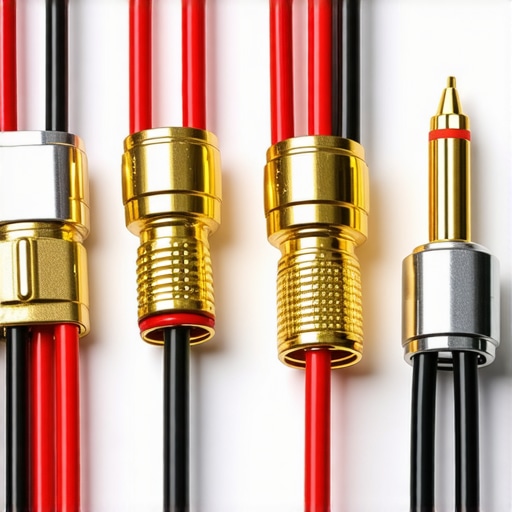
One frequently overlooked issue is the quality of cabling. While small differences in cable thickness may seem trivial, using substandard or excessively thin speaker wires can introduce significant signal loss, especially over longer runs. This is a trap many fall into, believing that all wires are created equal. In fact, investing in oxygen-free copper cables and ensuring proper insulation can remarkably improve clarity and dynamic range [source: https://premiumsounddeals.com/why-you-should-never-use-thin-speaker-wire-for-long-runs]. Don’t forget that even the best equipment can’t perform well if the connections are compromised.
An advanced consideration for seasoned audiophiles involves the room’s acoustics. Many assume that simply placing speakers at ear level is sufficient, but room shape, furniture, and surface materials profoundly influence sound quality. For example, reflective surfaces can cause comb filtering, dulling high frequencies and creating uneven soundstage. Incorporating acoustic treatment such as bass traps and diffusers enhances clarity and spatial imaging. Proper placement and room tuning are often the final, yet most effective, steps in achieving professional-grade sound [source: https://premiumsounddeals.com/why-your-ceiling-speakers-need-a-back-box-for-better-bass].
From component selection to environmental adjustments, understanding these nuances ensures your setup is tuned for excellence rather than mediocrity. Remember, the devil is in the details—overlooking these factors can lead to subpar audio experiences regardless of how costly your gear is. Are you aware of these hidden pitfalls? Have you ever fallen into this trap? Let me know in the comments!Keeping your home audio setup in top shape requires more than just initial assembly; regular maintenance ensures longevity and consistent sound quality. Personally, I rely on specialized tools like the Audio-Technica AT8456 Cleaning Brush, which I use weekly to gently remove dust and debris from my headphone drivers and speaker cones, preventing dust buildup that can impair clarity. I also swear by a microfiber cloth for quick wipe-downs, and I always keep a can of compressed air to blow out vents and ports without introducing moisture or residue. When dealing with vintage gear, such as my older amplifiers, I perform periodic checks on solder joints and connectors, applying contact cleaner like DeoxIT to prevent oxidation and ensure solid connections. These small but effective steps extend the lifespan of your components and maintain the fidelity you rely on for immersive listening.
How Do I Maintain My Audio Equipment Over Time?
Routine checks and cleaning are crucial. For example, I inspect and replace worn cables, especially speaker wires which, if neglected, can cause static or weak signals. Upgrading to high-quality, oxygen-free copper cables from reputable brands like Kimber Kable can make noticeable improvements in sound clarity. Additionally, software updates are essential for modern gear—firmware patches often fix bugs and enhance performance. For instance, keeping your soundbar firmware up-to-date ensures compatibility and optimal function, especially with multi-device setups. Predicting future trends, I believe wireless multi-room audio systems will become even smarter, integrating AI-driven calibration and maintenance alerts, making it easier to keep everything working seamlessly.
What Are Some Essential Tools for Long-Term Care
While basic tools like a screwdriver set are necessary, investing in a digital multimeter helps verify impedance and continuity, catching potential issues early. An infrared thermometer can also be invaluable for monitoring heat buildup in amplifiers and AV receivers, preventing overheating and sudden shutdowns. For delicate repair or cleaning, a flux remover such as the RC-5820 allows you to clean circuit boards safely, extending component life. Personally, I recommend maintaining a maintenance log—recording firmware versions, cleaning dates, and component inspections—which helps identify recurring issues before they escalate.
As you refine your gear, don’t overlook environmental factors. Ensuring proper ventilation and humidity levels minimizes corrosion and dust accumulation, which can degrade your system’s performance. Regularly upgrading firmware and cleaning your components might seem tedious, but the immediate benefits—clearer sound, fewer malfunctions, and increased equipment lifespan—are well worth the effort. And if you’re eager to optimize your setup, I encourage you to try checking your connections with a multimeter this weekend; it’s a simple step that can reveal hidden issues, saving you time and money in the long run. For detailed guidance on troubleshooting and maintenance, check out our comprehensive guides or consult a professional technician if needed.
3 Unexpected Truths I Learned About Home Vinyl Setups
One of my biggest revelations was realizing that even high-end gear can fall short if not properly integrated. For instance, I once invested in premium silk dome tweeters, expecting immediate improvement, but without proper room acoustics, I didn’t hear their full potential. Patience and trial-and-error are vital; sometimes, the smallest adjustments—like repositioning a speaker—can unlock sonic clarity you never thought possible.
Another lesson was about the importance of grounding your turntable. A simple ground wire connection eliminated that pesky hum, transforming my listening experience from distracting to immersive. This taught me that understanding even seemingly minor details can elevate your vinyl setup from good to extraordinary.
Lastly, I discovered that maintaining your gear regularly—keeping records clean, cables tight, and electronics dust-free—prolongs equipment life and preserves sound quality. Taking time for upkeep might seem mundane, but it’s an investment that pays off in consistently rich and dynamic audio.
My Go-To Tools and Resources for Vinyl Enthusiasts
Over the years, I’ve found certain tools indispensable. A microfiber cleaning cloth and a dedicated stylus brush are essentials for keeping records pristine, which directly affects sound fidelity. For component tuning, a digital multimeter helps verify connections and impedance matching—preventing obscure issues before they occur. Grounding your turntable is something I swear by, as it eradicates unwanted noise.
Books like Hifi: The Definitive Guide have deepened my understanding of vintage gear and audio theory, guiding me through upgrades and troubleshooting. Joining online forums and communities, such as dedicated vinyl lover groups, has connected me with experts who share insights you won’t find in manuals. These resources have consistently helped me refine my setup and get the most out of my records.
Your Journey Starts Now—Embrace the Sound of Quality
Building or fine-tuning your vinyl listening station isn’t just about gear; it’s about cultivating an experience that resonates with your soul. Dive into the process with curiosity, and don’t be afraid to experiment and learn from each step. Remember, every audiophile faced setbacks—what matters is your perseverance and passion. Keep improving, stay patient, and let your love for music guide you. Have you encountered a surprising tip that transformed your setup? Share your story below—I’d love to hear how you elevate your vinyl experience.