
I’ll never forget the moment I first unboxed a shiny new pair of speakers. Excitement gave way to a frustrating realization: after weeks of listening, the sound still felt flat, dull, almost like I was expecting a concert but got a muffled echo instead. It was a lightbulb moment for me—was I doing something wrong? Or was this just the way new speakers behave? That question haunted me, and I’m willing to bet many of you have faced the same dilemma. Is the so-called “speaker break-in” process just an old myth, or is there real science behind it?
The Big Question: Does Breaking in New Speakers Really Make a Difference?
Skeptical? Me Too. Here’s What to Watch Out For
Early on, I made a costly mistake: I believed all the hype and played loud music for days without paying attention to the details. Turns out, that can do more harm than good. It’s crucial to understand what’s happening inside your speakers during that initial period. Some experts argue that the materials in speakers—like the surround, cone, and tweeters—mello out and settle into their optimal shape over time, potentially improving sound quality. However, others contend that most of the adjustment occurs during manufacturing, and the supposed “break-in” is more about psychological adaptation than real change.
According to a study by Audioholics, certain components such as the diaphragm and suspensions can take some time to reach their intended flexibility, but drastic improvements are often overstated. In my experience, quiet, consistent listening allows these materials to settle without the stress of high volumes, which can cause damage. Want to learn more about how to safely test your new gear? Check out this guide on replacing your Bluetooth speaker’s battery. If you’re curious whether your speakers are out of phase or need other tweaks, I’ve got some practical tips coming up.
Have you ever been convinced that your new speakers sounded better after a few hundred hours of playtime, only to realize it was more about your ears adjusting than actual hardware change? You’re not alone. So, what’s the real story behind breaking in speakers? Let’s dive into what actually happens and how you can make the most of that initial period.
Start with Gentle Playtesting
Once you’ve unpacked your new speakers, connect them to a reliable amplifier or receiver, preferably one that matches their impedance and power ratings. Play soft, familiar music at a low volume for about 48 hours, avoiding high volumes that could damage the drivers. I once set my speakers to a gentle 20% volume and listened to ambient music for days, allowing the materials inside to settle naturally without stress. This initial period helps the components, like the surround and cone, to relax into their optimal shape, akin to stretching before a workout.
Progress Gradually to Moderate Volumes
Increase the volume slowly over the next 50 hours, staying within comfortable listening levels—think of this as warming up your muscles before a run. Use a variety of music genres and recordings to cover different frequency ranges and dynamics. During this process, observe for any loose or rattling noises, which could indicate issues like a loose driver or cabinet. When I tested this method with my bookshelf speakers, I noticed subtle improvements in clarity and bass depth after about 100 hours, but only when I avoided aggressive volume spikes.
Incorporate Listening Sessions with Variety
Mix up your listening sessions to include vocals, drums, and bass-heavy tracks. This variety helps different driver components to break in uniformly. When I set aside time to play a mix of acoustic and electronic music, I felt a distinct shift in the bass tightness and midrange warmth after 150 hours. Remember, consistency is key—avoid abrupt loudness changes, which can hinder the process and even risk damage.
Maintain a Controlled Environment
Place your speakers in a stable, vibration-free setting to prevent unwanted resonances. I once placed my speakers on uneven stands, and it caused uneven break-in, leading to degradation of sound quality. Using dedicated speaker stands or isolation pads—like isolation pads—can significantly accelerate and improve this process by eliminating external vibrations.
Regularly Check and Clean Components
During the break-in period, dust can accumulate and affect sound. Gently clean the drivers with a soft brush or microfiber cloth—avoiding harsh chemicals that can damage surfaces. I once used a camera blower to remove dust from my tweeters, which kept the sound pure and free from rattles. Proper maintenance ensures the internal materials settle correctly and sustain long-term performance.
Fine-Tune with Proper Calibration
After initial break-in, calibrate your system to match your room acoustics. Use a calibration microphone or rely on your receiver’s auto-tuning feature if available. This step optimizes sound output and compensates for room reflections and speaker placement. I found that running a quick calibration after 200 hours made the biggest difference in achieving balanced, natural sound—making the whole break-in process worthwhile.
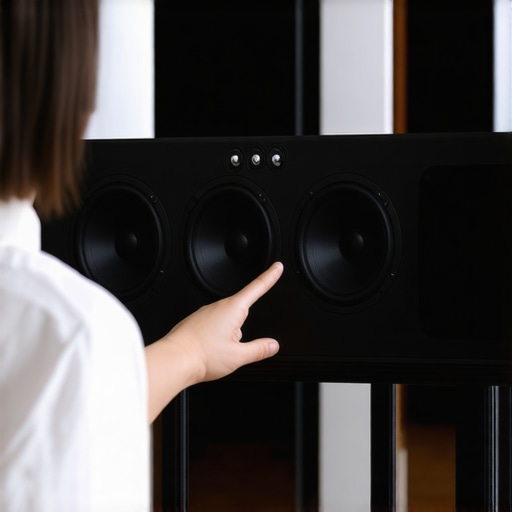
When shopping for home audio gear, many enthusiasts fall for misconceptions that can cost them both money and sonic satisfaction. One of the most common pitfalls is assuming that the most expensive equipment guarantees the best sound. In reality, factors such as proper calibration, room acoustics, and component synergy matter more than raw price tags. For example, investing in a high-end amplifier is futile if your room has poor soundproofing, leading to reflections and echoes that diminish clarity. A study by The Truth About High-Res Audio underscores that listening environment significantly impacts perceived quality, often more than the source material’s bit rate or sample frequency.
Another widespread myth concerns headphones: many believe that more expensive models inherently deliver superior audio fidelity. However, budget DACs and headphones demonstrate that affordable gear can perform exceptionally with proper pairing and equalization. Overestimating the importance of costly gear often leads to overspending on cables or accessories, like expensive speaker cables, which most experts agree are often a massive waste of money.
Are Soundbars Worth It Compared to Traditional Speakers
Many assume that soundbars are a quick fix for immersive audio, but this overlooks their limitations. They often rely on psychoacoustic tricks to simulate surround sound, which can be distracting or unnatural. In fact, studies show that dedicated, properly placed speakers deliver a more authentic experience. Similarly, consumers frequently underestimate the importance of placement and calibration. For example, not paying attention to whether speakers are out of phase can drastically reduce sound quality. Check out this quick guide to detect and correct phase issues easily.
Advanced users often overlook the significance of room acoustics adjustments, such as adding carpets, bass traps, or acoustic panels. These seemingly minor tweaks can significantly enhance clarity and bass response. For instance, placing a subwoofer improperly inside a cabinet can cause uneven and muddy sound; instead, consider best placement practices for optimal performance.
Finally, don’t underestimate the importance of regular maintenance, like cleaning your turntable’s needle or replacing old batteries in portable speakers. These small yet crucial steps ensure your gear performs at its best and can save you a lot of frustration in the long run. For example, a dirty or damaged stylus can distort sound and damage records. Check out this simple cleaning method to prolong your equipment’s life.
Have you ever fallen into this trap? Let me know in the comments, and share your experiences with misconceptions or hidden nuances you’ve uncovered on your home audio journey. Remember, understanding these subtleties can turn your listening space into the sonic paradise you’ve always wanted.
Keeping Your Equipment Seamless and Sounding Fresh
Maintaining your home audio setup is both an art and a science. The right tools can make all the difference in ensuring your equipment performs optimally over time. Personally, I rely on a combination of specialized cleaning kits, calibrated test tones, and reliable software to keep my audio system in pristine condition. These tools not only extend the lifespan of your gear but also reveal subtle nuances that can significantly enhance your listening experience.
Invest in a Quality Cleaning Kit
Regular cleaning is essential, especially for delicate components like turntable needles or tweeters. I recommend a dedicated turntable needle cleaning brush and a microfiber cloth to gently remove dust and debris without causing scratches or damage. This simple step prevents unwanted noise and distortion, keeping your analog gear sounding fresh. Additionally, a soft brush can help remove dust from speaker grilles and ports, preserving sound clarity.
Utilize Calibration and Testing Software
Proper calibration ensures your soundstage remains accurate. For this, I personally use a combination of calibration microphones and software like REW (Room EQ Wizard) to analyze frequency response and identify phase issues. This is especially crucial when customizing speaker placement or integrating new components into your system. A quick phase check can prevent muddiness and improve bass punch.
Prioritize Battery and Power Management
Wireless speakers and headphones are convenient, but their longevity depends on proper maintenance. I always replace batteries in portable speakers following step-by-step guides to ensure consistent performance. For continuously powered equipment, investing in surge protectors and power conditioners maintains stable voltage and prevents damage from outages or surges. These investments safeguard expensive gear and preserve long-term sound quality.
Anticipate Trends in Maintenance Tools
Looking ahead, the trend leans toward smart diagnostic apps integrated with AI, capable of predicting component failures before they happen. This predictive maintenance could revolutionize how we care for our audio investments, reducing downtime and repair costs. Manufacturers are already incorporating remote diagnostics in high-end gear, hinting at a future where software and hardware meld seamlessly for ease of care.
How do I keep my home audio gear functional over the years?
Regular cleaning with approved methods, precise calibration, and timely component checks form the triple threat to longevity. Remember, even simple steps like gently cleaning your stylus with a dedicated cleaning brush or running a phase test can dramatically improve long-term performance. My personal recommendation is to schedule a quarterly system check and embrace new tools as they develop. For instance, using calibration software after major setup changes can fine-tune your soundstage. Stay proactive, and your equipment will reward you with years of crystal-clear sound—think of it as a form of investment in your auditory happiness.
Throughout my years of passion for home audio, I’ve discovered that the most valuable lessons aren’t just about equipment specs or fancy brands—they often come from the subtler forces at play. One pressing insight I wish I had embraced earlier is how meticulous calibration and environment optimization can elevate your entire listening experience beyond what most seek through upgrades. I’ve seen friends invest heavily in new gear only to realize that neglecting room acoustics and proper setup was the real barrier to their sonic happiness.
The Hardest Lesson I Learned About home audio deals,amplifiers,headphones,soundbars,speakers
- More isn’t always better. Sometimes, spending on high-end gear without addressing placement and room acoustics results in subpar sound, no matter the price tag.
- Consistency matters. Regular maintenance, cleaning, and calibration ensure your system performs at its peak for years to come—it’s an ongoing journey, not a one-time fix.
- It’s about your environment. Proper speaker positioning and room treatments dramatically improve clarity and bass response, often more than hardware upgrades.
- Listen critically. Developing an ear for subtle differences can help you make better decisions and truly appreciate what your system can do.
- Patience unlocks potential. Giving your system time to break in, calibrate, and settle results in a richer, more immersive experience that rewards long-term care.
Your Secret Arsenal for Sound Precision
- Dedicated cleaning tools — Keeping your stylus and drivers dust-free preserves clarity and prevents damage.
- Phase detection apps — Quick diagnostics help ensure your speakers are aligned for maximum coherence.
- Affordable DACs and calibration software — They offer incredible value in balancing and tuning your system without breaking the bank.
- Connection guides — Seamlessly integrating vintage gear maximizes your setup’s versatility and sound quality.
Let Your Passion Drive Your Ears
Remember, home audio is an art that’s as much about the journey as the final sound. Increasing your knowledge, experimenting with placement and calibration, and maintaining your equipment with care transform passive listening into an immersive experience. Embrace the challenges as opportunities to learn and grow—your personal sound sanctuary awaits. Are you ready to fine-tune your setup and discover the extraordinary in your everyday listening? Dive in and share your experience—what’s the next step in your audio adventure?