
Ever been halfway through a movie, only to realize the dialogue is muffled or the bass feels off? I remember spending hours fiddling with different soundbars, surround modes, and speaker placements, expecting some magic fix. But no matter how expensive the gear, my room’s acoustics kept sabotage my audio experience. That was my lightbulb moment—understanding that the room itself plays a crucial role in sound quality.
The Power of Accurate Room Measurement
Most people jump straight into upgrading their speakers or buying fancy surround systems but overlook one vital aspect: the room where your gear lives. Yes, the size, shape, and furnishings all influence how sound behaves. If you haven’t measured your room correctly, you’re essentially flying blind, wasting money, and settling for less than optimal audio. Modern acoustic treatment and speaker placement won’t help much if you don’t know your space’s quirks. That’s where a simple measurement method can save you big time.
<-- Do you often feel your home audio setup isn’t quite right, despite investing in top-tier gear? If so, stick around—I’ll show you an easy, practical way to measure your room for better sound.
Set Up Your Measurement Tools
Start with a reliable measurement device like a smartphone app, such as Room EQ Wizard or SoundCheck, which can give you accurate readings of your room’s acoustics. Place your phone at ear level in your main listening position, ensuring it’s steady. Remember, a cluttered space can skew measurements, so clear the area around your device. During my first session, I used a free app and realized my sofa’s placement was causing uneven bass response, leading me to reposition it for a more balanced sound.
Identify Critical Points in Your Space
Measure sound reflections at various key spots—corners, walls, and your listening position. For example, stand in your listening spot and clap loudly, then listen for echo characteristics. Mark where the echoes reinforce or cancel each other using your app’s visual feedback. This helps you understand where room modes and reflections are problematic. During my own measurement, I noticed excessive bass boom in the corners, which prompted me to add acoustic panels there. <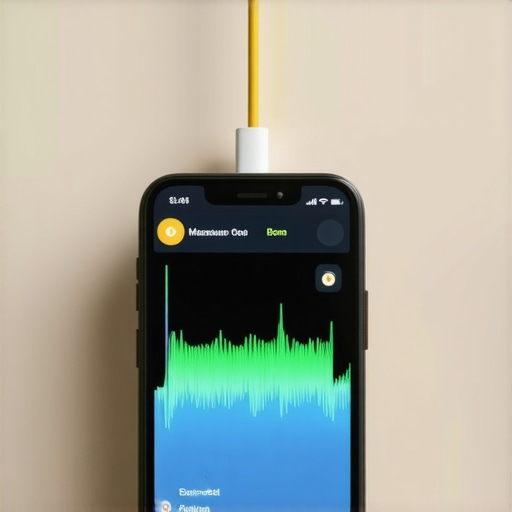 >
>
Plot Your Findings and Interpret Data
Map your measurements on a simple sketch of your room, noting areas of strong bass or sound distortion. Look for peaks and nulls in the frequency response, which indicate where sound may be muddy or tinny. Use this data to plan acoustic treatment or speaker placement adjustments. I adjusted my bookshelf speakers based on the data, angling them slightly away from reflective surfaces, which significantly improved clarity. If you’re unsure how to interpret your measurements, consider consulting online guides or acoustic treatment experts.
Compare and Experiment
Repeat measurements after making small changes, like repositioning speakers or adding diffusers. The goal is to find the setup where the sound is most balanced and natural. Think of it like tuning a musical instrument — small tweaks can produce a big harmony shift. When I moved my desk and speakers closer, I noticed a clear reduction in unwanted echoes, making my home theater experience more immersive. Remember, your room’s unique shape and furnishings influence the results, so patience is key.
Leverage Online Resources for Optimization
If complexities arise, consult resources like articles on sound mode tips or learn about speaker placement strategies from trusted guides. Practical knowledge combined with accurate measurements can transform your audio setup from mediocre to exceptional, all without spending a fortune on premium gear. Be proactive with your measurements—your ears will thank you with richer, clearer sound.
Many enthusiasts believe that investing in high-end soundbars or premium headphones automatically guarantees superior sound quality. However, this oversimplification often leads to overlooked nuances that can make or break your audio experience. One common myth is that bigger or more expensive gear always delivers better sound; in reality, the room environment, placement, and correct settings play crucial roles that many overlook. For example, beginners often assume that soundbars with multiple surround modes will naturally mimic a cinema-quality experience, but as I discuss here, these modes can sometimes diminish audio clarity instead of enhancing it. Additionally, many people underestimate the impact of speaker orientation, especially with bookshelf speakers; I recommend checking out this article on optimal positioning. A frequent trap is to chase after the latest gadget without focusing on fundamental calibration. For instance, calibrating your amplifier correctly can often solve issues of muddiness or imbalance that no amount of upgrading will fix. Advanced users should also be aware of the subtle effects of phase and impedance mismatches, which can cause significant performance dips. Expert insights suggest that neglecting proper cable quality and connection integrity can introduce noise and distortion, negating any benefits from high-quality components. Have you ever fallen into this trap? Let me know in the comments!
Make Maintenance Part of Your Routine
Ensuring your audio equipment stays in peak condition requires regular upkeep. I personally schedule bi-annual check-ins, cleaning my speakers, and inspecting cables for wear. These small habits prevent unpredictable issues later on. For instance, dust accumulation on your receiver’s vents can lead to overheating and system shutdowns. Use a soft, dry brush or a compressed air can to remove debris without opening the chassis—that’s a trick I learned from detailed guides like here. Regular cleaning and inspection extend the lifespan of your components and hold off costly replacements.
Essential Tools I Trust for Longevity
Investing in high-quality tools ensures your setup remains flawless over time. A calibrated sound level meter, such as the Wagner Meters, helps me identify room peaks and nulls, guiding precise acoustic treatments. I also swear by a digital multimeter for testing cable continuity and ensuring proper impedance. For software, REW (Room EQ Wizard) has become indispensable for measuring frequency response trends and spotting potential issues before they escalate. It’s free, detailed, and user-friendly, making maintenance diagnostics straightforward, even for enthusiasts new to acoustic measurements.
Scaling Your Setup for Long-Term Success
As your collection grows, think about using expandable systems like multi-zone amplifiers or wireless mesh networks to build on your initial investment. Smart integration ensures you can add new speakers or upgrade components without overhauling everything. Regular firmware updates and recalibration sessions, especially after physical changes like new furniture placement, keep your sound balanced. I predict that the trend toward modular, easily upgradable systems will dominate the future of home audio, making ongoing maintenance simpler and more effective than ever.
How do I maintain my home audio system over time?
Consistent care involves cleaning, periodic testing, and thoughtful upgrades. Use tools like a calibrated sound level meter and REW software to monitor performance, identify issues early, and adjust accordingly. Keep cables in good condition—replace aging or worn ones to prevent noise and signal loss, as outlined here. Don’t forget to update firmware on your amplifiers and processors to access new features and stability improvements. Incorporate new components gradually, ensuring compatibility and optimal placement. Regular maintenance doesn’t just preserve your equipment; it ensures your audio stays crystal clear and immersive for years to come. Try scheduling a thorough system check this weekend, starting with a cleaning and firmware update—you’ll notice the difference immediately.
The Hardest Lesson I Learned About home audio deals,soundbars,headphones,speakers,amplifiers
One of my biggest realizations was that no matter how much I upgraded my equipment, neglecting my room’s acoustics kept holding me back. I used to believe that a new soundbar or a pair of premium headphones would immediately elevate my experience, but I overlooked the environment I was listening in. Those subtle room effects, reflections, and standing waves were constantly sabotaging clarity, until I started measuring and tuning my space with simple tools. That lightbulb moment taught me that nice gear needs a properly prepared room to truly shine, a lesson I wish I discovered sooner.
My Essential Toolkit for audio perfection
- Room EQ Wizard (REW): This free software became my go-to for analyzing frequency response and finding problem areas in my room. Its detailed measurements help me make informed adjustments rather than guesswork.
- Sound level meters like Wagner Meters: Precise readings of sound levels at different points allow me to identify hotspots and null zones, guiding acoustic treatments that actually improve sound quality.
- Calibration microphones: Paired with REW, they ensure your measurements are accurate, giving you the confidence to optimize your setup effectively.
- Reliable cables and connectors: As simple as it sounds, solid connections eliminate unnecessary noise and signal loss, ensuring your gear performs at its best over the long run. Trustworthy tools have made the difference between good sound and truly immersive audio.
Ignite your passion and transform your space
Implementing room measurement and acoustic insights isn’t just technical—it’s about creating an environment where your home audio deals, headphones, speakers, and amplifiers can truly fulfill their potential. It’s easy to focus solely on the hardware and forget that your environment and calibration play equally vital roles. Take that step today; measure, adjust, and experiment. Before long, you’ll sit back, breathe in the rich, natural sound that had been hiding all along, just waiting for your ears and room to meet in perfect harmony. Your home space deserves this attention, and your ears will thank you for it. Ready to elevate your home audio journey? Dive into the data, make your adjustments, and enjoy the magic of calibrated sound!