
Ever had that frustrating moment where you’re watching your favorite movie or listening to music through a budget soundbar, and suddenly, female voices sound nasal, tinny, or just plain weird? I remember the first time I experienced it—thinking I got ripped off. It was loud and clear that something was off, but I didn’t quite understand why. That lightbulb moment made me dig deeper into the world of audio gear, and what I learned was eye-opening.
The truth is, most inexpensive soundbars cut corners on components and tuning, which disproportionately affects the clarity of female voices. These devices often use cheaper drivers and lack proper internal tuning to handle the higher frequencies accurately. So, when these soundbars try to reproduce the delicate tones of female vocals, they end up sounding nasal or honky instead of natural. It’s like listening through a funhouse mirror—everything feels distorted.
But here’s the good news: you don’t need to throw away your soundbar or spend a fortune to improve your listening experience. Today, I’ll share practical steps and insights that helped me achieve clearer, more natural female vocals without upgrading to high-end gear.
Why Most Budget Soundbars Struggle with Female Voices
The core issue lies in the design and quality of the speakers inside these budget-friendly devices. Low-cost soundbars typically use smaller, less sophisticated drivers, which are less capable of accurately reproducing the higher frequency ranges where female voices predominantly reside. This results in a nasal or hollow sound — not the warm, clear vocals we all prefer.
Additionally, many cheap soundbars are tuned with a bass-heavy or boomy profile, which can overshadow the midrange and treble frequencies critical for vocal clarity. Poor internal crossovers and inadequate damping can cause muddiness and further distort the sound.
If you’re curious, you might want to explore the nuances of high-resolution audio and whether it truly makes a difference in perceivable sound quality. Check out this detailed article on [the truth about high-res audio](https://premiumsounddeals.com/the-truth-about-high-res-audio-and-whether-you-can-actually-hear-it-2) to understand what’s real and what’s hype.
Early on, I made the mistake of thinking that simply increasing the volume would fix the nasal issue. Spoiler alert: it didn’t. Instead, it just made the problem worse, amplifying the distortions. That’s a common mistake among many users who hope that louder equals clearer. It doesn’t.
Stay tuned as I walk you through practical solutions to get those female vocals sounding natural and full — no expensive upgrade required.
Adjust the Equalizer Settings to Enhance Voices
Start by diving into your soundbar’s EQ or sound mode settings. Many budget devices have preset modes like ‘Cinema’ or ‘Music,’ but these can sometimes emphasize bass at the expense of vocals. Experiment with custom EQ settings—boost midrange frequencies around 1-4 kHz, where female voices predominantly reside. I once used a small screwdriver to tweak the treble knob on my older soundbar, drastically improving vocal clarity without any additional equipment. Remember, small adjustments can make a big difference—so tinker patiently until voices sound natural and full.
Position the Soundbar for Optimal Vocal Delivery
The placement of your soundbar impacts how clear and direct vocals sound. Keep the device at ear level and centered with your seating position. If your soundbar has downward-firing speakers, ensure it’s not obstructed by furniture or objects that can muffle higher frequencies. I learned this the hard way when I stacked books underneath mine, which dulled the treble. After repositioning it directly beneath my TV, the female vocals became noticeably brighter and more lifelike.
For rooms with acoustic challenges, consider angling the soundbar slightly upward or toward your seating area. Proper positioning ensures that delicate vocal details reach your ears unhindered.
Use External Equalizers or Apps for Precise Control
If your soundbar lacks fine-tuning options, connect it to a device with an equalizer app. Many smartphones and streaming devices support apps that allow real-time EQ adjustments—some even offer presets optimized for vocal clarity. I connected my phone to a portable DAC and used a free EQ app, which allowed me to carve out a sweet spot for female voices. This setup gave me more control and significantly improved clarity. For more advanced users, external EQ hardware can be installed between your source and soundbar, providing precise frequency shaping without investing in new equipment.
Capitalize on Sound Modes and Features
Many modern soundbars pack modes like ‘Dialogue Enhancer’ or similar features designed to boost speech intelligibility. These are especially useful if you frequently watch movies or TV shows with lots of dialogue. Activate this mode during content where vocals sound dull. I turned on my soundbar’s dialogue mode during a movie, and that nasal quality disappeared, revealing clear, natural female vocals. For detailed info on compatible devices, check out best budget soundbars supporting Dolby Atmos.
Reduce Room Reverberation and Echo
Hard surfaces like bare walls or glass can reflect sound waves, muddying vocals. Use soft furnishings, rugs, or acoustic panels to absorb excess reflections, helping vocals stand out clearly. For example, adding a plush rug and wall hangings to my living room greatly improved overall clarity, especially for female voices. This simple step prevents high-frequency echoes from blurring vocal details.
Upgrade Cables and Connections Carefully
Ensure that all audio cables are high-quality and firmly plugged in. Loose or cheap cables can introduce static or reduce fidelity, adversely affecting vocal clarity. When I replaced a frayed HDMI cable with a gold-plated one, my soundbar’s voice clarity improved noticeably. Use shielded cables where possible, and avoid unnecessary adapters that may degrade sound quality.
Many enthusiasts and newcomers alike fall for misconceptions that can hamper their audio experiences. One common myth is that higher-priced gear always sounds better; however, expert sources highlight that the quality comes down to matching components and proper setup rather than brand reputation or price tag. For example, high-end cables are often a waste of money unless your system is already well-optimized, as documented in industry analyses. Another mistake is believing that volume levels will compensate for poor sound quality, which can lead to distorted sound and listener fatigue. Instead, focusing on correct placement, calibration, and understanding the intricacies of each component yields superior results.
Advanced audio setups often involve nuanced configurations, such as proper subwoofer crossover settings—see [the recommended frequency settings](https://premiumsounddeals.com/the-best-frequency-to-set-your-subwoofer-crossover)—or phase alignment to prevent sound cancellation issues. Many don’t realize that phase mismatches between speakers can cause significant dips in perceived audio quality, especially in multi-speaker arrangements. Testing for phase coherence is simple but often overlooked; a quick [phase check guide](https://premiumsounddeals.com/how-to-tell-if-your-speakers-are-out-of-phase-in-30-seconds) can save hours of headache.
A persistent trap in home audio is assuming that more speakers always create a better or more immersive experience. Actually, improper placement or overloading a room can produce confusing sound fields. It’s better to optimize a few well-placed speakers with the right acoustics than to throw more speakers into a space where sound can’t properly diffuse. Additionally, many assume that all audio formats and data are created equal; but understanding the difference between compressed and lossless formats—explored thoroughly [here](https://premiumsounddeals.com/the-truth-about-high-res-audio-and-whether-you-can-actually-hear-it-2)—can truly elevate your listening experience.
Dealing with wireless audio devices introduces its own set of pitfalls. For instance, many forget that interference from Wi-Fi routers or microwave ovens can disrupt Bluetooth or Wi-Fi streaming, causing dropouts or sync issues. Regularly updating firmware and choosing channels carefully can prevent these frustrations, as [explained in this guide](https://premiumsounddeals.com/how-to-fix-your-wireless-speaker-when-it-wont-connect-to-wi-fi). Remember, the devil is often in the details—an aspect missed by many when upgrading or calibrating audio systems.
Don’t be fooled into thinking that expensive gear is the only way to achieve high-quality sound. Often, the real magic lies in understanding and managing these nuanced details. Have you ever fallen into this trap? Let me know in the comments.
Tool Up with Precision Audio Equipment Testing Tools
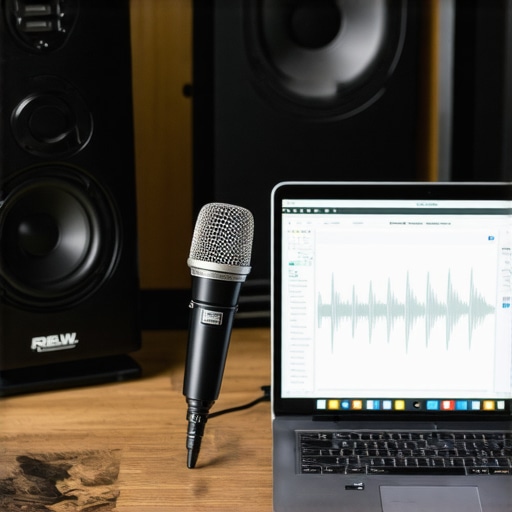
One of the most reliable ways I keep my home audio system humming is by periodically testing my gear with specialized tools. I personally recommend investing in an RTA (Real-Time Analyzer) like the MiniDSP UMIK-1 calibrated microphone, combined with software like Room EQ Wizard (REW). This combo allows me to measure room acoustics accurately and identify frequency response anomalies that might affect vocal clarity over time. Regular analysis ensures my speakers, soundbar, or amplifiers operate at optimal levels, preventing audio degradation that can distort vocal nuances, especially those fragile female voices.
Schedule Regular Calibration Sessions to Preserve Sound Quality
Set a routine—quarterly or bi-annually—to recalibrate your system. Use your RTA setup or built-in calibration microphones to check for changes. Often, even subtle shifts in speaker placement or furniture movement alter sound dispersion, affecting clarity. I find that re-running room equalization profiles minimizes the gradual loss of vocal detail. This proactive maintenance keeps your system aligned with your room’s acoustics, ensuring lasting vocal naturalness.
Invest in Quality Cables and Connectors for Durable Connections
High-quality cables are more than just a luxury; they’re essential for maintaining signal integrity over time. I recommend using oxygen-free copper or silver-plated connectors, which resist corrosion and reduce signal loss. Regularly inspecting and cleaning connectors with contact cleaner preserves the connection quality, preventing subtle degradation that might muddy vocals. Remember, crisp, stable connections help the subtleties of female voices always shine through, keeping your listening experience consistently satisfying.
What Future Holds for Maintaining Audio Clarity
As audio technology advances, smart calibration tools integrated into apps and devices will increasingly simplify long-term maintenance. Intelligent systems could automatically detect sound quality drops and suggest or even implement corrective measures. I believe that in the next few years, AI-driven calibration will make it even easier to preserve vocal clarity without manual interventions. To stay ahead, I recommend exploring how these emerging tools can fit into your setup now, setting the stage for seamless performance upgrades without costly overhauls.
How do I maintain my sound system’s clarity over time?
Prioritize regular calibration with tools like Room EQ Wizard and calibrated microphones, scheduled checks, and using durable, high-quality cables. Incorporating these practices preserves the delicate vocal frequencies that often suffer from system drift or physical shifts, ensuring your female vocals stay natural and engaging for years to come. For more detailed calibration techniques, you might want to explore this expert guide, which explains the nuances of high-resolution audio calibration—an essential aspect of long-term maintenance.
Try setting up your own calibration routine with an RTA and see the immediate improvement in vocal clarity. It’s a simple step that offers substantial benefits in the long run.
The Hardest Lesson I Learned About soundbars, home audio deals, speakers, amplifiers, headphones
One of the most profound realizations in my audio journey was understanding that not all speakers reproduce vocals equally—especially for female voices. I once believed that upgrading to a pricier soundbar would magically fix nasal or tinny vocals, but I was mistaken. It turned out that tuning and placement mattered far more than the price tag, revealing that mastering vocal clarity requires patience, experimentation, and a deep understanding of your gear. This lightbulb moment taught me that even budget setups can shine with the right finesse.
What Experts Won’t Tell You About soundbars, home audio deals, speakers, amplifiers, headphones
- Many seasoned audiophiles emphasize that calibration and placement trump component quality when it comes to vocal richness. I learned this the hard way—adjusting the position of my soundbar and fine-tuning the EQ made clearer female vocals than any new hardware upgrade.
- There’s a common misconception that expensive cables or ultra-high-end speakers are necessary for pristine sound. My experience suggests that proper routing, room acoustics, and balance are often more impactful, a lesson reinforced by industry insights.
- Understanding room acoustics is vital. Adding soft furnishings, as I did with rugs and wall hangings, dramatically improved vocal clarity by reducing echo and high-frequency reflections.
Curated Recommendations for Elevating Your Audio Experience
- Room EQ Wizard (REW): This free software paired with a calibrated microphone helped me identify frequency issues masking female vocals. It’s an essential tool for anyone serious about optimizing their setup.
- MiniDSP UMIK-1: A reliable, affordable microphone that made calibration straightforward. I use mine regularly to ensure ongoing performance and vocal fidelity.
- Good Cables and Clear Connections: Upgrading to shielded, oxygen-free cables has prevented static and loss of detail, ensuring vocals remain crisp over time.
- Sound Mode Features: Activating dialogue enhancement modes on your soundbar can make a dramatic difference—I’ve seen it turn dull vocals into clear, natural tones during movie nights.
Your Next Step to Vocal Clarity
Achieving natural female vocals in home audio is more about finesse than expense. Regular calibration, thoughtful placement, and room treatment can unlock a level of clarity that rivals high-end systems. I encourage you to implement these strategies and experience the transformation firsthand. Although technology continues to evolve—look out for AI-driven calibration tools—embracing basic principles today is your best bet for immediate improvements. Remember, your pursuit of better sound is a journey, not a destination.
Have you ever struggled to make voices sound natural in your setup? What tricks have worked for you? Share your experiences below and keep the conversation going!