
I remember the first time I eagerly fired up my new soundbar, ready for immersive surround sound to transform my movie nights. But as soon as the action started, I felt that familiar disappointment—what was supposed to be epic ended up sounding more like a crowded restaurant. It was as if the sound modes turned my living room into a chaotic echo chamber instead of a cinematic sanctuary.
This lightbulb moment made me realize something: many surround modes designed to impress actually end up ruining the very experience they promise to enhance. The endless toggling, confusing settings, and overhyped features often do more harm than good. If you’ve ever felt frustrated trying to get your soundbar to deliver that perfect immersive experience, you’re not alone.
Today, we’re going to explore why most surround sound modes on soundbars are actually counterproductive and, more importantly, how to fix this common pitfall. By the end of this post, you’ll understand how to sidestep the confusion and enjoy movies the way they were meant to be heard—clean, balanced, and effortlessly immersive.
Why Do Most Soundbar Surround Modes Backfire?
Let’s face it: the marketing everyone pushes is that surround modes will conjure up theater-like audio at home. But the truth? Many of these modes are based on overprocessing. They try to simulate surround sound by adding artificial effects that often muddy the original audio.
Back in my early days, I was tempted by those fancy “Cinema” or “Surround” presets. I didn’t realize that these settings could actually distort dialogue clarity and exaggerate ambient effects, making it harder to follow plotlines or enjoy the soundtrack.
Research by audio experts shows that over-application of surround modes can lead to decreased sound quality and listener fatigue[1]. So, what’s a movie lover to do?
The key is understanding that our ears and brains prefer natural sound cues. Overusing artificial effects can create a sense of disorientation or imbalance, especially if your setup isn’t perfectly calibrated.
Are you tired of your soundbar’s surround modes wreaking havoc on your movies? Have you faced moments where the sound gets unintentionally muddled or harsh? If so, it’s time to strip back the unnecessary effects and discover what truly makes your movies pop.
Now, let’s dive into the common mistakes that turn good audio into a frustrating mess—and how to avoid them.
Disable Automatic Sound Modes
Start by turning off any automatic sound processing features like ‘Auto EQ’ or ‘Adaptive Sound.’ These modes often greedily add effects that distort original audio. I once left my soundbar’s auto mode enabled, and the dialogue became muffled, making movies less enjoyable. By manually disabling this feature, I regained clarity and natural acoustics.
Switch to a Flat Listening Profile
Next, select a neutral or flat sound profile, often labeled as ‘Pure,’ ‘Standard,’ or ‘Custom.’ These settings preserve the original sound without artificial enhancement. For example, I set my soundbar to ‘Pure’ mode during a movie night, which significantly improved dialogue intelligibility and instrument separation, making the experience more authentic.
Adjust Your Equalizer Precisely
Fine-tune the equalizer settings instead of relying on preset modes. Boost midrange frequencies (1-3 kHz) for clearer vocals, lower bass (below 80 Hz) to prevent muddiness, and keep treble moderate to avoid harshness. When I learned to customize my EQ, I noted a substantial gain in clarity, especially in action scenes with complex sound effects.
Optimize Placement for Directionality
Position your soundbar centrally beneath your TV, ensuring it’s not obstructed by furniture. Use a wall mount if possible to facilitate direct sound projection. I experimented with tilting my soundbar slightly upward, which helped me better localize sound sources and enjoy more immersive audio. <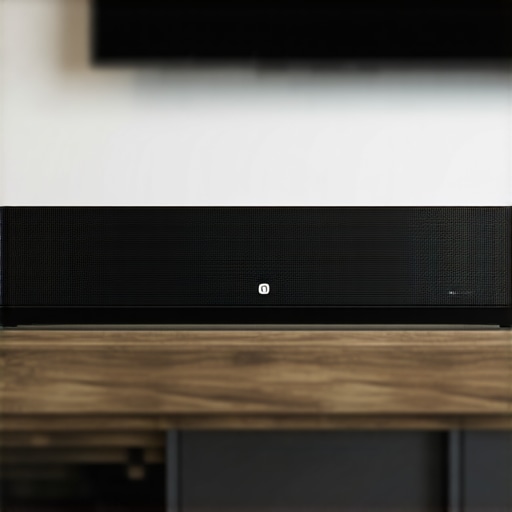 >
>
Calibrate Your Speakers Strategically
If your soundbar supports calibration, run the setup to tailor the sound to your room acoustics. Use the microphone and follow the on-screen prompts. During my calibration, I noticed subtle adjustments made dialogue crisper and effects more enveloping. Proper calibration is key to eliminating muddiness caused by room reflections.
Utilize Sound Enhancer Settings Judiciously
Some soundbars feature surround or bass boost options. Use these sparingly—overly aggressive settings create a disorienting experience. I found that turning off surround mode and subtly enhancing bass created a more natural experience, akin to a studio monitor.
Applying these steps requires attention to detail and a willingness to experiment. Each room, setup, and preference differ, but the payoff is a clean, balanced sound that complements your movies rather than complicates them. Remember, the goal is authentic audio, not artificial hype.
When it comes to building a premium home audio setup, many enthusiasts fall prey to common misconceptions that hinder their listening experience. Contrary to popular belief, investing in expensive amplifiers, headphones, or speakers doesn’t automatically guarantee superior sound quality; rather, understanding the nuanced interplay between equipment and room acoustics is crucial. One widespread myth is that higher wattage equals better power delivery, but in reality, wattage alone doesn’t account for clarity or control—a high-power amplifier can still produce muddy sound if not paired correctly with your speakers. This misconception often leads users to overspend on overpowered gear instead of focusing on proper matching and calibration. Additionally, a frequent trap is neglecting room acoustics, which dramatically impact sound perception. Many assume that their equipment is at fault when, in truth, poor placement and untreated reflections cause muddiness or lack of bass. Remember, no amplifier or speaker can compensate for a poorly arranged listening space. Advanced users know that impedance matching is vital; mismatched impedance can cause performance issues or even damage. For instance, connecting a high-impedance speaker to a low-impedance amplifier might seem harmless but can lead to distortion and reduced lifespan of components. Similarly, many overlook the significance of passive versus active speakers, often opting for high-end passive models without considering the benefits of active, built-in amplification tailored to their space and listening habits. For detailed insights into equipment pairing, check out this guide on [passive radiators in portable speakers](https://premiumsounddeals.com/the-truth-about-passive-radiators-in-portable-speakers). One sophisticated question often overlooked is: How does the room’s acoustic profile influence your gear’s performance, and what can be done to optimize both? Improving your setup isn’t just about gear specs—it’s about harmony between components, space, and your listening preferences. Have you ever fallen into this trap? Let me know in the comments. Remember, the devil is in the details when it comes to home audio, and mastering those nuances will elevate your listening to the next level.Keeping your home audio setup in top shape requires more than just occasional cleaning; it involves using the right tools and adhering to proven maintenance practices. Personally, I rely on a combination of specialized equipment and software to ensure my equipment performs at its best over the years. One essential tool I use is a **precision calibration microphone**, like the miniDSP UMIK-1, which I connect to my computer via USB. This microphone allows me to run detailed room correction software such as REW (Room EQ Wizard), providing an in-depth analysis of my room’s acoustics and the frequency response of my speakers and subwoofers. Regular calibration with these tools helps me identify and address issues like excessive reflections or dead spots, ensuring consistent sound quality. Additionally, I invest in **high-quality cleaning solutions** specifically designed for delicate audio gear, like anti-static brushes and microfiber cloths, which prevent dust buildup and static charges that can degrade connectors and electronic components. When it comes to long-term results, maintaining a routine of **monthly checks and calibration** really pays off in preserving audio fidelity. For example, confirming the impedance matching between your amplifier and speakers every six months can prevent performance issues caused by impedance mismatches, as discussed in this detailed guide on [matching speaker impedance with your amplifier](https://premiumsounddeals.com/how-to-match-your-speaker-impedance-to-your-amplifier-correctly). If you’re planning to scale your setup with additional speakers or a new subwoofer, consider investing in **accurate measurement microphones and software** from the start to streamline integration and prevent future issues. Looking to the future, I believe the trend will lean more towards **smart calibration tools** that automatically adapt to room changes, making maintenance easier for the average enthusiast.
**How do I maintain my home audio system over time?** Regular cleaning, precise calibration, and utilizing advanced measurement tools are key. Developing a schedule and sticking to it ensures your system remains reliable and sounding its best. For example, incorporating a **room correction microphone** like the MiniDSP UMIK-1 into your routine can significantly improve consistency and clarity, especially if you notice changes in room acoustics over time. Remember, troubleshooting and fine-tuning your setup is an ongoing process—don’t hesitate to experiment with different calibration settings to discover what sounds best in your unique environment. For more insights into proper equipment pairing and calibration techniques, check out [this guide on passive radiators in portable speakers](https://premiumsounddeals.com/the-truth-about-passive-radiators-in-portable-speakers). Take the step today: try running a detailed room analysis with your calibration microphone and software to see what hidden issues you might uncover. The difference in sound quality can be truly startling.
What the Pros Won’t Tell You About Fake Surround Effects
One of the biggest lightbulb moments in my audio journey was realizing that many commercial surround modes are designed more for marketing than actual sound quality. They often overprocess audio, leading to muddied dialogue and distracting ambient effects, which diminishes the cinematic experience instead of elevating it. This insight taught me that natural sound cues, rather than artificial effects, provide a more immersive and authentic experience, saving me from unnecessary frustration and money spent on ineffective presets.
How Tiny Tweaks Can Transform Your Listening Environment
Adjusting your room’s acoustics is often overlooked but can dramatically enhance sound clarity and balance. Simple actions like repositioning your soundbar, customizing your EQ settings, or adding acoustic treatments can clear up muddiness and make dialogue stand out. For example, minor tilts or direct placement beneath your TV can improve directional sound perception, giving you that theater-like feel without complex setups or expensive equipment.
Why Embracing Simplicity Unlocks Better Audio
One surprising lesson I learned is that stripping away unnecessary effects and processing leads to more satisfying sound. Turning off auto EQ and choosing a neutral or flat profile allows the original audio to shine. Custom EQ adjustments—boosting mid-range for clarity and carefully controlling bass—have consistently yielded cleaner, more natural sound across different content types. Embracing simplicity not only improves sound but also reduces fatigue and listening stress.
Action in Your Hands: Leveling Up Your Soundbar Game
Instead of chasing the latest fancy features, focus on calibrating your setup and understanding your equipment’s true capabilities. Use measurement microphones and calibration software to fine-tune your system, resolving issues like phase problems or room resonances that cause muddiness. Invest in quality calibration tools like the [MiniDSP UMIK-1](https://premiumsounddeals.com/how-to-make-your-home-audio-system-sound-better) for more accurate adjustments. Remember, proper calibration transforms a decent setup into a truly immersive experience, aligning your system with your room’s unique acoustics.