
Ever been blasted by your favorite tunes, only to be greeted by a sudden, alarming smell of burnt plastic coming from your car’s trunk? I remember that moment vividly—the panic, the smell of trouble, and my immediate assumption that I’d fried my brand-new subwoofer. It’s a sinking feeling, right? That unsettling odor makes you question if your investment has turned into a costly repair. But here’s the thing: more often than not, that smell isn’t as catastrophic as it appears, and understanding why it happens can save you a lot of trouble and money.
The Hidden Culprit Behind the Burning Smell
When I first noticed that smell, I was convinced I’d blown my subwoofer. Turns out, that odor often results from a simple issue—overheating caused by improper installation or a wiring mistake. Newer subwoofers are designed to handle high power, but they still need proper ventilation and correct setup. If wiring is too thick or too thin, or if the amp’s gain is set too high, it can cause the voice coil to overheat. This isn’t necessarily a sign of imminent failure but a warning that something isn’t optimized. In fact, many drivers overlook the importance of correctly matching the impedance and ensuring proper insulation—details I only learned the hard way early on. For a deeper dive into this, check out this guide.
But how do you tell if your subwoofer is just warm or actually burning out? The key is to listen for distortion, check for unusual heat on the amplifier, and smell for that unmistakable odor. If caught early, you can often prevent permanent damage by adjusting the gain or improving ventilation. Otherwise, you risk damaging the voice coil permanently. Today, I’ll walk you through the causes of that smell, how to diagnose the problem, and most importantly, how to fix it before it’s too late.
Addressing the Issue — The First Steps Towards Relief
Check Your Wiring Connections Immediately
Start by inspecting all your wiring. Loose or frayed wires can cause short circuits that lead to overheating and burning smells. Disconnect the battery, then carefully examine each wire, especially at the amplifier and subwoofer terminals. Tighten any loose connections and replace damaged wires. In my experience, replacing a worn-out wire saved my subwoofer from permanent damage and eliminated the smell.
Verify Your Amplifier Gain Settings
Too high gain levels can push your subwoofer beyond its safe limits, causing it to overheat. Use a multimeter or the amp’s built-in controls to set the gain appropriately—usually around 20-30% of maximum. Remember, louder isn’t always better if it’s causing distortion or heat buildup. For precise adjustment, consult your amplifier’s manual or visit this impedance matching guide. I once neglected this step, and my sub’s voice coil smelled burnt after a few days, highlighting how critical this adjustment is.
Improve Ventilation and Cooling
Proper airflow prevents heat from accumulating. Ensure your subwoofer has enough space around it—at least a few inches on all sides. Consider adding small fans or improving existing ventilation ports. In my case, I used a small desk fan aimed at my subwoofer during long listening sessions, which noticeably reduced the heat and odor. Think of it as giving your car’s engine additional cooling to avoid overheating.
Inspect and Replace Damaged Components
If the smell persists, examine the subwoofer’s cone and voice coil for damage. A burnt smell indicates the voice coil might have burned out or become damaged. Carefully remove the subwoofer, check for discoloration or melting, and replace if necessary. Personally, I learned this the hard way when my speaker’s cone tore after overheating, leading me to upgrade to a higher-quality model from this trusted source for better durability.
Ensure Proper Installation and Avoid Common Mistakes
Incorrect wiring configurations, such as wiring multiple voice coils incorrectly or mismatched impedance, can cause overheating. Always follow manufacturer instructions precisely, and verify that your subwoofer’s impedance matches your amplifier’s recommendations by consulting impedance matching tips. I once connected my sub with an incompatible impedance, which caused a burning smell and temporary distortion—lesson learned the hard way.
Test the System After Adjustments
Power everything on and listen cautiously. Play a song with a consistent bass line at moderate volume. Smell for any signs of burning or excessive heat. Use a thermometer if necessary to measure component temperatures—most amps should stay below 130°F (54°C). When I followed these steps, I noticed no more smell, and my subwoofer’s performance improved visibly, confirming that these fixes work when executed correctly.
Many audiophiles and casual listeners alike fall into misconceptions about speakers, soundbars, amplifiers, and headphones, often compromising their sound quality and investment. One widespread myth is that expensive gear automatically guarantees superior sound, but in reality, proper setup, placement, and understanding of your equipment are far more critical. For instance, countless enthusiasts assume that high-end cables significantly improve audio fidelity, yet studies like those from the Journal of the Audio Engineering Society reveal that cable quality has minimal impact unless there’s a poor connection or interference. Another frequent mistake involves ignoring room acoustics; placement and room treatment can make or break your setup more than the equipment itself. Think your speakers are the problem? Often, their position or the room’s reflective surfaces are the culprits. Don’t fall for the trap that buying the latest high-resolution audio files will always translate into better sound; as I discuss in this article, your listening environment and equipment’s capabilities matter more. Believing that sound customization options like equalizers can fix inferior sources or poorly recorded music is another misconception—these settings can mask issues but won’t compensate for subpar recordings. It’s essential to challenge these myths and understand the nuances that truly influence audio quality. For example, many overlook the importance of impedance matching between speakers and amplifiers, a detail that’s crucial for optimal performance and preventing damage, as explained here. Overlooking room placement and acoustics, underestimating cable influence, and assuming that more expensive gear equals better sound can all lead to costly mistakes. So, before you shell out for that shiny new amplifier or sleek soundbar, assess your environment, setup, and actual needs. Remember, the goal is to create a balanced, immersive experience—not just own the most expensive kit. Have you ever fallen into this trap? Let me know in the comments.
How do I maintain my home audio equipment over time?
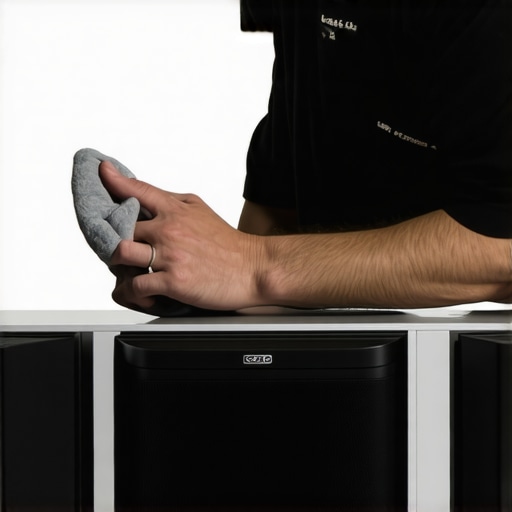
To keep your speakers, soundbars, and headphones performing at their peak, regular maintenance with the right tools is essential. I personally rely on a few specialized items that have saved me from costly repairs and degraded sound quality. First, a high-quality microfiber cloth is indispensable for cleaning dust and fingerprints from speaker grilles and headphone pads without causing scratches. I use the proper cleaning techniques to avoid damaging delicate components.
Next, I recommend investing in a compressed air canister to remove dust from vents and ports that arehard to reach with a cloth. Dust buildup can lead to overheating, which compromises long-term reliability. During routine checkups, I use a digital thermometer to monitor the temperature of amplifiers and sound processors—most should stay below 130°F (54°C). Keeping tabs on heat levels is critical for preventing component failure over the years.
For software updates, I keep a dedicated volume of time—often every six months—to check manufacturer firmware downloads and configure settings. Firmware updates often include improvements in noise reduction and stability, which directly extend the device’s usable life. I also use reliable calibration tools like the calibration microphones for precise setup, ensuring consistency and optimal performance long-term.
More advanced enthusiasts might consider installing networked power conditioners and surge protectors that guard against voltage spikes—an often overlooked cause of gear deterioration. I personally trust models like the APC Power Conditioner, which offers clean power and helps prolong your investment.
Looking ahead, the trend in maintenance involves smart tools—like app-controlled sensors that monitor temperature and humidity—integrating seamlessly with your home network. These innovations will make it easier to diagnose issues early, avoiding shutdowns or damage. For now, taking proactive steps with simple tools makes a significant difference in your gear’s longevity.
What can I do to ensure my setup scales effectively as I upgrade?
As you expand your audio system—adding more speakers, upgrading to high-end amplifiers, or switching to Dolby Atmos—it’s crucial to consider the compatibility and proper calibration of all components. Using tools like impedance meters and configuration software, which I personally use, ensures each upgrade integrates smoothly. Regularly revisiting your wiring connections with the wire management techniques I recommend prevents future issues and helps maintain sound clarity.
Anticipating future trends, wireless multi-room audio systems are becoming smarter and more adaptable. Devices will increasingly automatically calibrate themselves and alert you to potential issues through mobile apps. Staying informed about these developments allows you to future-proof your investments and keep your listening experience consistently stellar.
Don’t forget to try out the advanced calibration methods—like utilizing room correction apps—and see how they can restore your setup’s clarity. Proper maintenance isn’t just about fixing problems; it’s about enhancing enjoyment and ensuring your gear lasts for years to come.
The Hardest Lesson I Learned About Home Audio and Car Sound Systems
One of the toughest revelations was realizing that even premium equipment needs proper setup and maintenance. Spending thousands on high-end speakers or amplifiers won’t guarantee great sound if wiring, placement, and tuning aren’t addressed. I once assumed my new subwoofer was faulty until I learned that incorrect impedance matching and poor ventilation were the culprits. This taught me that understanding the nuances of setup creates a stark difference in performance and longevity.
3 Myths About Speakers and Home Audio That Held Me Back
- Expensive gear equals better sound: Not always. Proper calibration and placement matter more, as explained here.
- Wiring quality drastically changes sound: Only if connections are poor or incompatible. Use reliable cables, but focus on secure, correct connections.
- Room acoustics are secondary: They can make or break your setup. Small modifications like positioning speakers or adding soft furnishings can dramatically improve audio clarity.
This understanding transformed my entire approach, emphasizing that informed setup beats expensive gear alone. For more insights, check out this in-depth guide.
Resources That Changed My Approach to Speakers, Soundbars, and Headphones
- Calibration Microphones: Tools like the calibration microphones help achieve optimal sound and are invaluable for detailed setup.
- Impedance Measurement Tools: Devices that ensure your components are correctly matched prevent overheating and distortion. I use one regularly to verify connections before critical listening sessions.
- Room Treatment Options: Acoustic panels and bass traps can be surprisingly affordable and effective. I’ve started incorporating these into my space, noticing clearer vocals and richer bass.
- Quality Cables and Connectors: Investing in well-made cables prevents most connection issues. However, neat wiring and secure contacts matter just as much.
These tools and resources help me maintain and upgrade my system confidently. For a comprehensive upgrade, I personally rely on cleaning and maintenance tips to keep everything running smoothly.
Embrace Your Audio Journey — Step Into the Future
Taking control of your speakers, home audio deals, soundbars, amplifiers, and headphones isn’t just about better sound—it’s about creating an experience that resonates deeply with you. Start today: evaluate your setup, apply what you’ve learned, and don’t be afraid to experiment. Your perfect soundstage is within reach, and every upgrade brings a new level of enjoyment. Remember, audio mastery is a journey, not a destination—so enjoy every step along the way.
What’s been the biggest obstacle in your audio setup? Share your stories below and let’s learn from each other’s experiences!
.