
Ever been at a park or hanging out on your balcony when your portable speaker seems to have a mind of its own? One minute, it’s blasting beautifully, filling the space with rich sound. The next, you step outside for a breath of fresh air, and suddenly, it feels like you’re listening through a potato. Frustrating, right?
Cracking the Indoor vs. Outdoor Sound Dilemma
I’ve been there more times than I can count. It finally clicked for me when I realized how much my environment influences what I hear from my speakers. It’s a mix of physics, acoustics, and simply how we perceive sound based on surroundings. Today, I promise to share insights from my own experiences and a few expert tips so you can get that consistent, awesome sound whether you’re inside or out.
Is Something Wrong With My Speaker? The Common Worry
Initially, I thought my speaker was defective or maybe even too cheap. That’s what I told myself, until I dug into the science of sound. Turns out, what’s happening is 100% natural and related to how sound waves interact with different environments. To avoid making costly assumptions, I avoided the mistake I made early on — assuming my gear was the problem when environment is often the real culprit. Curious about what else might be affecting your audio experience? Check out how to improve your outdoor sound.
Understanding this can transform your expectations and let you get the best from your gear. Next, let’s dive into why indoor spaces seem to amplify your speaker’s volume and quality—so you can finally sound as good outside as you do inside.
Position Your Speakers Strategically
Start by placing your speakers at ear level and equidistant from your listening position. For example, I once set up my bookshelf speakers too close to the wall, which caused boomy bass and muddy mids. Moving them at least a foot away from the wall cleared up the sound significantly. Think of your speakers as your team members—give them space to perform their best. For outdoor setups, angle your speakers slightly inward to focus the sound towards your listening area, preventing sound waves from dispersing into open air. Troublesome placement can lead to cancellation or reinforcement of certain frequencies, deteriorating overall quality.
Optimize Acoustic Treatments
Seal the Room’s Gaps
Small gaps around windows and doors let sound escape or unwanted noise enter, affecting clarity. I sealed mine with weatherstripping, which made a noticeable difference during indoor listening sessions. Use draft stoppers or acoustic sealant to minimize these leaks. This prevents sound leakage and reduces echo, resulting in tighter bass and clearer vocals.
Add Absorption Panels
Hard surfaces reflect sound, causing harshness and echo. Incorporating foam panels or even heavy curtains absorbs excess sound waves. In my own experience, hanging a thick tapestry behind my listening position reduced room reverberation, making audio cleaner and more precise. Experiment with placement—adjacent walls or ceiling areas are prime spots for absorption materials.
Calibrate Your Gear Correctly
Matching your speakers to your amplifier or receiver is crucial. For example, I once paired high-impedance bookshelf speakers with a low-power amp, which resulted in weak volume and poor sound quality. Use a multimeter or calculator to ensure your speaker’s ohm rating aligns with your amplifier’s output. Proper calibration also involves setting crossover frequencies for subwoofers and adjusting volume levels. For your TV and soundbar, ensure they are on the same audio output format and properly synced—check out how to match your remote controls and setups to prevent lag or mismatched sound.
Manage Environmental Interference
Wireless interference mimics static or dropouts. I once experienced sudden cutouts from my Bluetooth headphones near my Wi-Fi router. Moving the router away or switching to a wired connection improved stability. For Bluetooth devices, check for overlap with Wi-Fi or microwave signals. Also, avoid placing wireless mice or keyboards close to audio receivers—these can introduce noise. To troubleshoot, consider testing with a different channel or frequency, or upgrade your adapter to a model less prone to interference, like ones described in this guide on Bluetooth adapters.
Experiment with Room Dynamics
Rearranging furniture can dramatically improve sound. I moved a massive sofa against the far wall and noticed an immediate reduction in muddiness—sound waves bounced less erratically. Use a mirror placed along your wall to identify reflection points; if you see your speakers’ reflection in the mirror, consider adding further damping or diffusers. For outdoor environments, select an open, sheltered area to minimize sound dispersion and wind noise. Adjusting the position of your listening spot within a space can offer surprising clarity even without expensive upgrades.
Implement Equalization Carefully
Many overlook how EQ adjustments impact both indoor and outdoor sound. I initially cranked the bass to compensate for outdoor ambient noise—a move that ended in muddy, boomy sound. Instead, start with flat settings and subtly enhance frequencies where your environment causes deficiencies. For instance, reducing mid-range resonate in a small room improves dialogue clarity. Avoid excessive EQ changes, which can introduce distortion. Some advanced speakers and soundbars offer built-in room calibration—use these features to achieve an optimal balance before manual tweaks. Remember, different environments demand different EQ settings, so don’t hesitate to experiment.
Prevent Power and Connectivity Issues
Unstable power supply or poor connections can cause unwanted noise and weaken signals. I once experienced buzzing when my subwoofer was plugged into a shared extension cord. Replacing it with a dedicated outlet eliminated the hum. For wireless devices, ensure firmware is up to date and consider carrying spare batteries. Also, check cable quality; cheap, thin cables often introduce noise or signal loss. You can learn more about resolving common connectivity challenges by reviewing tips on pairing issues and power management.
Many enthusiasts and casual listeners alike often fall prey to misconceptions when shopping for home audio gear like soundbars, speakers, amplifiers, and headphones. Let’s dig deeper into some of the most overlooked nuances that can make or break your listening experience.
Are All Deals Actually Good Deals? The Hidden Trap
It’s tempting to chase after the biggest discounts or flashy bundles, but in my experience, not all bargains deliver quality. Some so-called
Maintaining your home audio equipment requires not just care but also the right tools and knowledge to ensure longevity and optimal performance. From calibrated receivers to durable cables, selecting the appropriate gear and adopting effective procedures can significantly extend the life of your setup. In my experience, investing in quality cleaning supplies and calibration tools has saved me countless headaches down the line.
Invest in Reliable Calibration Devices
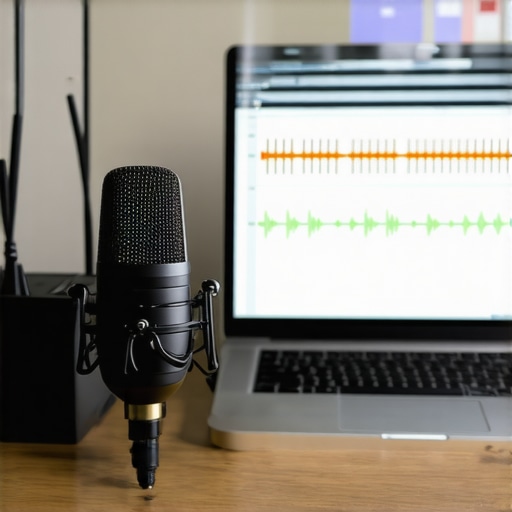
First and foremost, accurate calibration is vital. I personally use a measurement microphone paired with software like Room EQ Wizard (REW) to analyze and adjust my system. This combo allows me to identify frequency response anomalies and correct them with precise EQ settings, ensuring a balanced soundstage. Relying solely on subjective listening can lead to misadjustment, but with these tools, I obtain objective data to fine-tune my setup. Over time, regular calibration with such equipment helps maintain clarity, even as room acoustics change.
Regularly Clean and Inspect Audio Components
Keeping your gear dust-free prevents overheating and signal degradation. I use a soft microfiber cloth and a gentle brush to clean ear pads and speaker grills. For internal electronics, compressed air helps remove dust from heatsinks and circuit boards. Additionally, inspecting cables and connections periodically — looking for frays or corrosion — helps prevent static and dropout issues. Remember, reliable cables aren’t just about longevity; they preserve sound quality. If you notice consistent static or dropouts, it might be time to replace your Bluetooth adapters or audio cables.
Tune and Repair Using Specialized Software
Beyond physical maintenance, software tools are essential. A program like Dirac Live offers room correction, automatically adjusting your system’s output to compensate for acoustic imperfections. I’ve found that running a calibration profile every six months keeps my sound balanced, especially after rearranging furniture or adding new acoustic treatments. For troubleshooting, apps that analyze frequency responses help identify problematic peaks or dips. The future of tools like these points toward more intelligent, AI-driven room optimization, making home audio more accessible and less frustrating.
Plan for Long-Term Results and Scalability
Implementing modular components — such as upgradeable amplifiers or detachable speaker drivers — not only enhances the lifespan of your system but also allows seamless scaling. For example, upgrading your receiver with features like built-in room calibration makes future adjustments easier. Additionally, many modern devices support firmware updates, which can improve performance and add functionality over time. Staying current with firmware releases from manufacturers ensures your gear remains compatible and optimized.
Where do I go from here? Keep your system performing at its best
Start by scheduling regular calibration sessions with your measurement microphone and software. Even a quick monthly check can keep your system sounding its best. Also, consider automating some aspects, like routine firmware updates and cleaning schedules, to maintain consistency. As the trend moves toward integrated, AI-assisted calibration, investing in these tools now ensures you’re prepared for future advancements.
If you haven’t upgraded your calibration setup in a while, now is the perfect time. Try using a measurement microphone with software like REW to see immediate improvements in your sound quality and system stability. Whether you’re aiming for cinema-quality surround sound or crystal-clear music, proper maintenance combined with the right tools will keep your home audio setup performing flawlessly for years to come.
The Hidden Lessons from My Home Audio Journey
- One of the most surprising insights I discovered was that environment shapes sound more than the equipment itself. A tiny tweak in speaker placement or room treatment can transform your listening experience completely, revealing nuances you didn’t know existed.
- I’ve learned that patience with calibration tools like Room EQ Wizard earns you more than expensive gear. Regular, precise adjustments based on data can prevent costly upgrades and keep your system performing at its peak.
- Sometimes, the real game-changer is understanding acoustics—not just buying the latest wireless device. Simple fixes like sealing gaps or adding absorption panels make a notable difference, saving money while elevating sound quality.
- Experimentation beats superstition. Moving a couch or changing speaker angles can fix persistent issues more effectively than blindly upgrading hardware, encouraging a playful, investigative approach to your setup.
My Go-To Arsenal for Audio Excellence
- Room EQ Wizard (REW) — I trust this software for its detailed analysis and user-friendly interface, empowering me to understand my room’s acoustic profile and make targeted corrections.
- Measurement Microphone — A small investment that provided objective data, helping me calibrate my system accurately and consistently, preventing guesswork and frustration.
- Acoustic Treatment Materials — From foam panels to weatherstripping, these affordable tools made a significant difference. I recommend exploring diverse options to tailor treatments to your space.
- Calibration Guides and Apps — Resources like comprehensive calibration tutorials help turn complex setups into manageable steps, building confidence along the way.
Your Sound Revolution Awaits
Embrace these insights and equip yourself with the right knowledge and tools—your perfect audio environment is within reach. Don’t let environmental quirks or guesswork hold back your sound ambitions. Start small, stay curious, and watch as your home transforms into a haven of immersive, crystal-clear music and movie experiences. Remember, every tweak brings you closer to audio bliss—every step counts in mastering home sound.