
It happened again—I’m sitting in my living room, desperately trying to catch the latest blockbuster, headset off, volume turned way up. Yet, all I hear is muffled dialogue, and the booming explosions drown out the actors’ lines. Frustrating, right? That lightbulb moment hit me hard: maybe my TV’s built-in speakers aren’t cutting it. If you’ve ever been in that situation, you’re not alone. Today, we’ll uncover why your TV speakers could be the culprit behind those lost lines and how to fix it effectively.
Why Your TV Speakers Could Be Sabotaging Your Movie Experience
Assess Your Current Audio Setup
Start by evaluating whether your TV’s built-in speakers are truly insufficient. Connect a pair of headphones or external speakers to test if the issue lies with the TV itself or the environment. During a test, I plugged in my headphones to verify if the dialogue was clear; it was, indicating the speakers were the problem. This step saves money by confirming you need an upgrade before purchasing new devices.
Choose the Right External Speakers
Opt for Soundbars or Bookshelf Speakers
Soundbars are a popular choice because they’re easy to install and discreet. When I upgraded, I selected a soundbar positioned directly under my TV to mimic a cinema experience. Bookshelf speakers placed away from the wall can produce richer sound. Think of it like adding a camera lens: positioning affects clarity and depth.
Consider a Home Theater Receiver
For a more immersive experience, a receiver can power multiple speakers. I once set up a 5.1 system using an entry-level receiver; it tripled the clarity of dialogue and bass. Use a receiver with multiple channels for flexibility, bearing in mind that impedance matching is crucial to prevent equipment damage. Learn more about impedance considerations here.
Hook Up the Speakers Correctly
Wiring is critical. Use quality speaker cables, avoiding thin or cheap wires which can cause distortion. When I wired my system, I made sure to keep cables untangled and adhered to polarity (+/-). This avoided phase issues, akin to having two dancers out of sync—leading to cancellation and muddled sound. For hidden wiring, consider running cables under rugs or along baseboards with these tips.
Calibrate for Optimal Sound
Calibration ensures all speakers produce balanced sound. Use a smartphone app like this free app to set levels and equalization. When I calibrated my setup, I adjusted levels so dialogue was clear without overpowering music or effects. Proper calibration prevents fatigue and ensures every word is audible.
Adjust Your Environment
Room acoustics matter significantly. Soft furnishings absorb harsh highs that can obscure dialogue, while reflective surfaces can create echo. I placed a rug in front of my speakers to tame harshness, improving clarity overall. For further acoustic treatment, consider placing speaker stands to reduce vibrations and floor noise here and avoid placing speakers directly against walls.
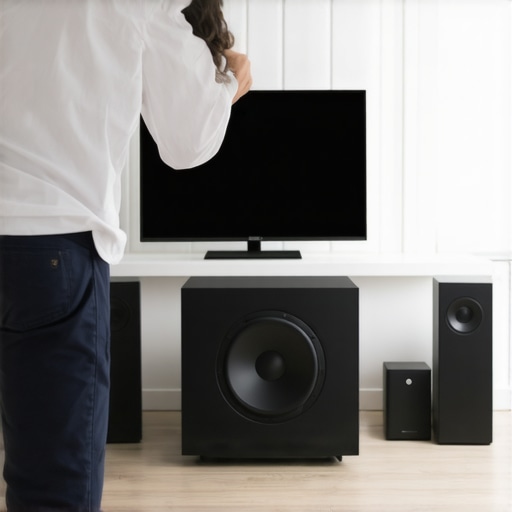 Most people assume that choosing high-quality amplifiers and speakers guarantees great sound, but in reality, there’s a lot more beneath the surface. A common myth is that more power always leads to better audio; however, overamplification can cause distortion and even damage your equipment if not matched correctly. For example, pairing a powerful amplifier with underpowered speakers can result in unpleasant clipping, which degrades sound quality over time. Many overlook the importance of impedance matching—a subtle yet critical factor—since mismatched impedances can lead to reduced efficiency, increased distortion, and potential hardware failure. Experts like SoundGuys emphasize that understanding the electrical compatibility between your amp and speakers is essential for optimal performance. Additionally, some users fall into the trap of over-investing in expensive components without proper calibration. Proper tuning, including volume levels and equalization, can make a significant difference, often more than simply buying the latest gear. Regarding headphones, there’s a misconception that more expensive models guarantee better sound. While build quality and driver technology matter, the listening environment and proper fit play crucial roles—poor ear tips or incompatible units can compromise clarity and bass response. Also, many neglect to consider the benefits of a dedicated digital-to-analog converter (DAC), which can dramatically improve sound fidelity, especially in desktop setups. A common mistake is underestimating room acoustics; echo, absorption, and speaker placement profoundly influence sound staging and clarity. An untrained ear might think they need a more powerful speaker when, in fact, adjusting placement and room treatments could resolve the issue at a fraction of the cost. Keep in mind that selecting gear based solely on specifications can lead to disappointing results—listening tests and expert reviews often reveal the true performance. Have you ever fallen into this trap? Let me know in the comments. For a deeper dive into affordable ways to enhance your setup, explore how placing bookshelf speakers away from walls can make your system sound more natural.Maintaining your home audio setup isn’t just about plugging in new components — it requires specific tools, routines, and a bit of know-how to keep everything functioning optimally over the years. One essential item I personally rely on is a dedicated multimeter, which allows me to check for continuity and proper wiring connections without guesswork. For instance, when setting up new speakers, I use my multimeter to verify polarity and impedance matching, ensuring that my amplifier isn’t under stress and that the sound remains clear and distortion-free.
Beyond basic tools, software like Room EQ Wizard (REW) has become invaluable in my calibration process. It helps me analyze frequency response and identify room-induced anomalies that can muddy clarity or muddy the bass. Regular calibration with REW, paired with a measurement microphone, ensures that I maintain an even frequency response across all speakers, preventing long-term damage and ensuring a balanced soundstage.
How do I keep my gear working flawlessly over time?
One often overlooked aspect is cleaning and inspection. I use a soft brush and a can of compressed air to gently remove dust from drivers, connectors, and vents. Dust accumulation isn’t just unsightly — it can lead to overheating or corrosion in the long run. For cables, I try to keep them organized and free from sharp bends, using cable ties or cable organizers to prevent wear and tear.
As technology advances, the trend is moving toward smart calibration tools that automatically analyze room acoustics and adjust settings remotely. I predict that in the coming years, AI-driven room analysis apps will become standard, making professional-level tuning accessible to everyone without expensive equipment. This evolution will simplify long-term maintenance, reducing the need for specialist intervention and allowing users to preserve their investment longer.
Another crucial tip is to regularly check your power sources and surge protection. Protecting your equipment from power surges with a quality surge protector extends its lifespan and prevents costly damage. For example, I installed a power conditioner with integrated surge suppression, which not only protects my equipment but also filters out electrical noise that can cause distortion. Remember, consistent maintenance saves money in repairs and replacements down the line.
Finally, don’t forget to periodically review your placement. As I mentioned earlier, proper speaker positioning and room treatment are ongoing processes. Slight adjustments over time can dramatically improve sound quality and prevent wear on components caused by unwanted vibrations. Using blue tack to stabilize speakers or adding bass traps can prolong the life of your system and keep it sounding its best for years.
Incorporating these specific tools and routines into your maintenance plan will enhance durability and ensure you enjoy optimal sound quality long-term. For example, verifying impedance and wire integrity with a multimeter or regularly re-calibrating with REW can make all the difference. Try integrating one of these advanced tips today, and you’ll notice the difference in your setup’s performance and longevity.
What I Wish I Knew When I Started Building My Sound System
- Jumping straight to expensive gear won’t necessarily improve sound quality unless you understand room acoustics and proper calibration. I learned this the hard way, realizing that placement and setup make more difference than price tags.
- Impedance matching isn’t just a technical detail; it’s the secret to preventing distortion and protecting your equipment. Ensuring compatibility between amps and speakers has saved me from costly repairs and headaches.
- Room treatment and furniture placement significantly impact clarity. Simple tweaks like adding rugs or repositioning speakers transformed my listening experience more than upgrading components.
- Regular maintenance, including dusting and cable checks, extends the lifespan of your gear. Using tools like a multimeter or calibration apps helps me catch issues early before they turn into expensive problems.
My Curated Arsenal for Achieving Audiophile-Level Sound
- Room EQ Wizard (REW): This free software transformed my calibration process, revealing room-induced anomalies and guiding precise adjustments. It’s invaluable for leveling the playing field with professional setups.
- Blue tack: An inexpensive yet effective tool to eliminate speaker vibrations and vibrations-induced distortions, making a noticeable difference in sound clarity.
- Quality speaker cables: Investing in sturdy cables with proper shielding reduced noise and interference, ensuring pure audio transmission. Don’t skimp here—cables matter more than many realize.
- A good surge protector: Protecting your investment from power surges prolongs equipment life and maintains sound quality over time. I trust units with noise filtering features for optimal performance.
Take Your Sound Journey Beyond the Basics
Embarking on your home audio upgrade is more than just buying the right gear; it’s about understanding the subtle interplay of placement, calibration, and environment. Experimenting with small adjustments—like experimenting with speaker height or room treatments—can unlock hidden depths in your music and movie experience. Remember, every setup has room for improvement, and the satisfaction lies in the pursuit of better sound.
What’s the one tweak you’ve been hesitant to try but suspect could elevate your audio? Share your thoughts below—your journey to exceptional sound starts now!