
Have you ever confidently walked into a store, waved your hand over a shiny amplifier, and blurted out, “This must be the one with the most watts!” only to realize later that it barely moves your speakers at all? I can’t count how many times I made that mistake early on, thinking that a higher wattage number automatically meant better sound. Spoiler alert: it doesn’t. That lightbulb moment hit me hard when I bought an amp promising 200 watts per channel—only to find my tiny bookshelf speakers sounded dull and weak. It turned out, I was chasing a number instead of understanding what really matters in audio quality.
The Wattage Myth: Why Bigger Isn’t Always Better for Amplifiers
Today, I want to share with you how focusing solely on watts can lead you down a frustrating rabbit hole. Many newcomers and even seasoned audiophiles make this same mistake—thinking that more watts mean louder or better sound. In reality, it’s a lot more complex. High wattage doesn’t necessarily translate to high-quality sound, nor does it guarantee your setup will perform as expected. Instead, you might end up with an underwhelming listening experience, especially if your speakers aren’t designed to handle that power. An early mistake I made was buying a powerful amp, only to find it overwhelmed my speakers or, worse, caused distortion at moderate volumes. For a real upgrade, you need to look beyond the watts and consider what actually makes music sound dynamic and clear. If you’re curious about how to match your gear properly, explore some of my favorite tips and tricks [here](https://premiumsounddeals.com/5-used-integrated-amps-that-still-beat-any-modern-soundbar).
Is Sound Quality Only About Power?
Many people, myself included, initially believed that more watts was the ultimate goal. But the truth is, an amplifier’s ability to provide clean, accurate power is what truly makes the difference. Just like a high-horsepower engine doesn’t guarantee a smooth ride if it’s poorly tuned, an amplifier with high wattage can falter if it isn’t well designed or properly matched to your speakers. Also, many affordable amps with less wattage can outperform expensive high-wattage models if they deliver clarity and low distortion. I learned this the hard way when I replaced my vintage receiver with a modern, high-wattage unit—only to realize that my vintage setup actually sounded richer and more balanced. It’s a mistake I hope you’ll avoid. To dig deeper into common audio misconceptions, check out this insightful article on [distorted sound from high-end turntables](https://premiumsounddeals.com/3-reasons-your-high-end-turntable-sounds-distorted-on-the-inner-groove).
Ready to move past the wattage hype? In the upcoming sections, I’ll walk you through how to pick an amplifier that truly enhances your listening experience—without falling for the wattage trap that so many fall into. So, if you’ve ever felt disappointed after buying that shiny, high-wattage amp, stick around. Your ears—and your wallet—will thank you.
.
Match Your Amplifier to Your Speakers for Optimal Sound
Begin by assessing your speaker’s power handling capacity, usually found on the back or in the manual. Choose an amplifier with a slightly lower or equal wattage rating to prevent overwhelming your speakers. I once made the mistake of pairing my vintage bookshelf speakers with a high-wattage modern amp, which caused harsh sound and distortion. To avoid this, always look for amplifiers that match your speaker impedance and power requirements. This ensures clean, balanced audio.
Calibrate Your System for Clear, Balanced Sound
Proper calibration is crucial. Use a test tone generator or your smartphone app to set correct volume levels for each speaker. Position your speakers at ear level and form an equilateral triangle with your listening position. I once ignored this step and ended up with vocals that sounded distant while bass overwhelmed the scene. A simple equalization (EQ) adjustment can correct these issues. Consider using calibration tools or apps to fine-tune your system, revealing layers in your music and movies you never knew existed.
Place Speakers Strategically for Maximum Impact
Experiment with speaker placement—avoid placing them too close to walls or corners, which can boost bass artificially. About 80 cm away from walls is a good starting point. For surround sound, place rear speakers slightly behind and above ear level. Once, I struggled with muddy sound until I moved my bookshelf speakers 15 inches away from the wall, which significantly improved clarity. Use a tape measure for consistency, and listen critically to find the sweet spot. Remember, small adjustments can make a big difference in imaging and soundstage.
Use Quality Cables and Connectors
Don’t skimp on cables—cheap, poorly shielded cables can introduce noise or reduce fidelity. Invest in well-made, oxygen-free copper cables with gold-plated connectors. When I switched to premium RCA cables, I noticed a reduction in hum and a more precise stereo image. Properly seated connectors ensure a solid connection, preventing signal loss. Also, keep cables tidy and avoid crossing power cords, which can create interference. For critical setups, consider upgrading your cable quality for cleaner sound.
Control Your Environment to Prevent Distortion
Room acoustics influence sound greatly. Use rugs, curtains, and furniture to absorb echo and reduce standing waves. I once placed a large rug and some wall-mounted panels, which smoothed out harsh reflections, resulting in a warmer, fuller sound. Avoid placing speakers directly against walls; instead, leave some space to breathe. If you experience subwoofer rattles or hum, check grounding and placement. Carefully tuning your environment creates a natural, immersive experience that’s pleasing and distortion-free.
Many enthusiasts believe that upgrading their gear always results in better sound, but the reality is more nuanced. A common misconception is that more expensive or higher-spec equipment automatically guarantees superior audio quality, which isn’t always true. For example, you might spend a fortune on high-end headphones only to find they cause uncomfortable pressure after a couple of hours—something that many overlook when selecting their gear. Research shows that comfort and long-term usability are crucial factors often dismissed in the hype around specifications.
Why do so many premium setups sound disappointing despite their specs?
This confusion arises because people focus heavily on technical specifications like wattage or frequency response without considering the nuanced factors that influence real-world performance. For instance, the impedance match between speaker and amplifier can drastically affect clarity, yet many overlook this detail, leading to a mismatch that results in muddy or distorted sound. A study from audio engineering experts highlights that properly integrated components outperform those with higher ratings but poor synergy. The so-called “synergy” effect underscores that pairing equipment thoughtfully often trumps chasing maximum specifications.
Another sneaky trap is the assumption that newer equipment is inherently better. In fact, vintage gear can outperform modern, mass-produced models if maintained well—think of vintage tube amplifiers that offer richer sound textures compared to some sleek digital counterparts. Moreover, the market is rife with deals that seem too good to be true; it pays to research and test gear before committing. If you’re thinking about building a high-fidelity setup, consider reading about the hidden costs of home audio investments, like room treatments and proper calibration, which can make more difference than new hardware. For example, this article explores the real expenses you might not have considered.
Be wary of flashy marketing claims promising revolutionary sound at bargain prices. My own experience with budget headphones taught me that comfort and how the gear feels during extended use matter just as much as sound quality. Remember, your ears are your ultimate judge—so always test gear for comfort and fit, especially if you plan to listen for hours.
How can advanced users fine-tune their systems for the best results?
To optimize your setup beyond basic configurations, attention to detail is key. Proper calibration using software or professional tools can reveal layers in your music that go unnoticed. Additionally, taking the time to experiment with placement, room acoustics, and cable quality can unlock remarkable improvements. Investing in quality interconnects and ensuring proper grounding are subtle steps that prevent noise and distortion, facilitating a cleaner, more immersive experience. For instance, issues like grounding hum or interference can be elusive but are often the cause of persistent annoyance. Explore this guide on minimizing speaker hum for practical steps. Remember, mastering your home audio setup means being attentive to these nuanced details, not just focusing on the specs. Have you ever fallen into this trap? Let me know in the comments.
Shield Your Equipment from Wear and Tear
Maintaining your audio gear involves more than occasional cleaning; it requires proactive steps to prevent damage over time. Regularly dust your components with a soft, lint-free cloth to prevent dust buildup that can clog vents or affect connections. Keep your cables neatly organized and avoid tight bends—this reduces stress on connector points. I personally use cable management sleeves and Velcro straps to keep everything tidy, which prevents accidental pulls that could damage ports or internal components. Additionally, placing your equipment in a stable, vibration-free environment minimizes mechanical stress that can lead to premature failure. Considering that many home audio devices are sensitive to environmental conditions, investing in a dedicated space with controlled humidity and stable temperature can extend their lifespan significantly.
Gear Up with Essential Tools for Ongoing Care
Having the right tools makes maintenance much more effective. I recommend a few specific items: first, a high-grade contact cleaner, like DeoxIT, for cleaning switches and potentiometers. This prevents crackling noises and ensures smooth operation—I’ve saved many a volume knob from degrading with this method. Next, a reliable multimeter helps monitor connections and diagnose issues early; I use mine to check for proper grounding or voltage fluctuations that could harm delicate circuits. For cleaning delicate surfaces, a microfiber cloth paired with isopropyl alcohol (at least 70%) keeps lenses and display panels spotless without scratching. Remember, regular inspection with these tools can detect problems before they escalate, saving you money and frustration down the line.
Scheduling Routine Checkups Matters
Integrate simple periodic checks into your maintenance routine. Every few months, verify that all connections remain secure, especially after moving or cleaning. Test your speakers by gently inspe… 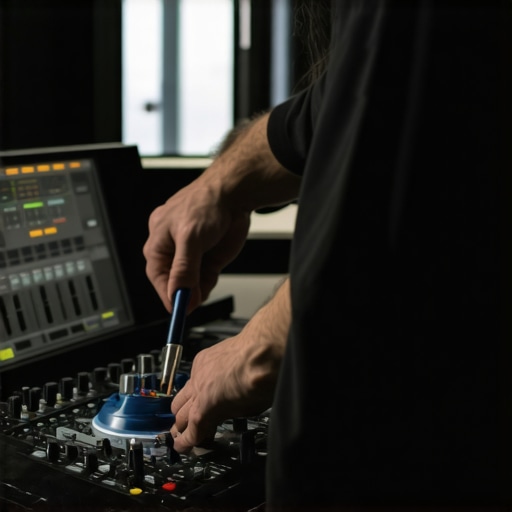
For instance, inspecting and cleaning your speaker terminals with contact cleaner can prevent corrosion and ensure optimal signal flow. If you notice a sudden drop in sound quality or intermittent issues, these checks can reveal underlying problems early. Moreover, replacing worn-out parts, like speaker grille foam or headphone pads, can rejuvenate your listening experience. Remember, consistent care not only preserves sound fidelity but also extends the overall lifespan of your gear. Implementing these habits ensures that your investment continues delivering excellent performance for years to come, and as technology advances, staying on top of maintenance will prepare you for future upgrades seamlessly.
How do I maintain my audio system over time?
Maintaining your home audio equipment involves a mix of regular cleaning, using proper tools like contact cleaner and multimeters, and scheduling routine inspections. Keep cables managed and environments stable to prevent hardware stress. As the industry evolves with smarter diagnostics and self-cleaning features, future audio gear may require even less manual upkeep, but until then, proactive maintenance remains essential. Why not try out a comprehensive cleaning with contact cleaner this month? It’s an easy yet impactful step that can restore clarity and prolong your device’s life, ensuring your sound system stays reliable for years to come.
What I Wish I Knew Before Diving into the Amplifier World
- Early on, I believed that the highest wattage meant the best sound, but I quickly learned that matching the amplifier’s power with your speakers’ capacity is crucial for clarity and longevity.
- Choosing gear based solely on specs can be misleading; understanding the synergy between components often creates better results than chasing numbers.
- The real upgrade came when I prioritized calibration, placement, and environment, revealing layers in my music that I hadn’t noticed before.
- Investing time in learning about impedance, distortion, and room acoustics pays off more than splurging on the latest high-end equipment without proper context.
- Proactive maintenance and proper setup have kept my gear sounding fresh for years, proving that ongoing care rivals initial investment in importance.
My Favorite Finds to Elevate Home Audio Adventures
- Calibration tools and apps have been game-changers, making fine-tuning accessible even for novices.
- Grounding and connection testers help me ensure pristine signal flow and prevent annoying hums.
- Quality cables, like oxygen-free copper interconnects, often make a subtle but noticeable difference in sound fidelity, and I always keep a few stored for quick swaps.
- Room treatment accessories and speaker stands from trusted brands have transformed my listening space into a true sanctuary.
Your Journey to Superior Sound Starts Now
Mastering home audio doesn’t happen overnight, but every small adjustment brings you closer to an immersive experience that resonates emotionally and audiophilically. Embrace the learning process, experiment with placement, calibration, and environment, and trust your ears above all. Your perfect soundscape is within reach—are you ready to take the first step today? Remember, your ears are your best guides, so listen actively and enjoy the journey toward audio excellence.
What aspect of your home audio system are you most excited to improve or explore? Let’s chat below—I love hearing about fellow enthusiasts’ adventures in sound!