
It hit me one evening as I was finally settling down after a long day—my high-end headphones and carefully curated playlist beckoned, promising an audiophile experience. Yet, as I listened, I realized something was missing. The clarity, the depth, the ‘wow’ factor I expected didn’t quite materialize. It was a stark realization: despite pouring money into premium gear, I wasn’t truly hearing the difference I was told high-res audio could deliver. Have you ever faced that frustration—spending a fortune on fancy headphones or digital files, only to wonder if you’re just wasting your money?
Why Are We So Hyped About High-Res Audio Anyway?
Here’s the thing: the audio industry and marketing companies push high-res formats as the pinnacle of sound quality. It’s easy to get swept up in the hype, especially when we’re told that higher bit rates, greater sample rates, and studio-quality recordings will transform our listening experience. But real-world hearing isn’t just about the specs on paper. It’s about what we can realistically perceive and enjoy in our everyday environments.
Early in my audio journey, I made a common mistake—believing that the most expensive gear inevitably means the best sound. That led me down a rabbit hole of upgrading to high-resolution formats, expensive DACs, and premium cables—even when I wasn’t sure if my ears could actually tell the difference. According to a study published by the Journal of the Audio Engineering Society, humans can distinguish between different high-resolution audio formats only under ideal conditions, and often, the differences are negligible for casual listeners. That realization was a game-changer, prompting me to focus instead on the aspects of my setup that genuinely impacted my listening experience.
So, what can you expect from this guide? We’ll cut through the noise—pun intended—and explore whether high-res audio is worth your time and money based on real listening, not just marketing claims. We’ll discuss scientifically-backed insights, share my personal experiences, and help you identify whether your current gear and habits are truly holding you back—or if you’re chasing shadows.
Have you ever bought high-res files or equipment only to feel disappointed? Don’t worry—you’re not alone. And by the end of this post, you’ll have a clearer understanding of whether upgrading your audio gear is justified or if it’s simply a matter of refining your listening habits. Let’s dive in and separate fact from fiction.
Choose Equipment That Matches Your Listening Environment
Start by assessing your space. If your room is small and reflective, opt for bookshelf speakers instead of large floor-standing models, which can overemphasize bass and cause a boomy sound. For example, I once swapped my giant speakers for a compact set in my cluttered apartment, instantly achieving clearer dialogue and balanced sound. When selecting headphones or speakers, prioritize matching their impedance and power requirements to your amplifier or source device—this prevents distortion and ensures optimal performance. Learn about matching impedance.
Optimize Your Speaker Placement and Room Acoustics
Proper positioning is crucial. Place speakers at ear level, forming an equilateral triangle with your listening position. For bass management, avoid placing speakers too close to walls, which can cause resonance. Use simple DIY treatments like placing rugs or soft furnishings to absorb sound reflections, avoiding the pricey acoustic panels. I once experimented with shifting my bookshelf speakers just 10 inches away from the wall, which cleaned up muddiness in the midrange. Plus, consider adding a rug or curtains to reduce echoes. Small adjustments here often yield surprisingly big improvements.
Upgrade Connecting Cables and Power Supplies
Cheap, poorly shielded cables can introduce electrical noise or degrade signal quality. Use quality speaker wires with appropriate gauge—thicker cables reduce resistance over longer runs, ensuring cleaner sound. When in doubt, avoid ultra-expensive cables, as they rarely justify their price unless you’re bringing out every nuance. Also, ensure your power outlets are clean and free from interference; a basic surge protector or power conditioner can eliminate hum and hiss caused by electrical noise. I replaced my noisy power strip with a dedicated one, which made subtle background sounds more distinct. For a deeper dive into cables and power management, check out why expensive speaker cables are usually a waste of money.
Fine-Tune Audio Settings for Your Gear
Most devices have equalizer settings. Instead of relying on presets, manually tweak EQ to suit your room and preferences. For casual listening, boosting mids can enhance dialogue clarity, while cutting some bass prevents muddiness. Don’t forget to calibrate levels—if using multiple speakers or a soundbar, ensure they’re balanced for even sound distribution. If your setup includes a vintage receiver, consider setting the appropriate gain levels to prevent clipping. When I calibrated my system, I used an SPL meter—it’s a small investment that provided precise adjustments. Small tweaks matter; a flat response isn’t always ideal, but aim for a balanced sound that’s pleasing to your ears.
Regular Maintenance and Calibration
Keep your equipment clean and dust-free to prevent performance issues. For example, I regularly clean my IEMs to maintain clarity; here’s a guide to cleaning IEM tips. Check your cables and connections periodically for corrosion or wear, replacing frayed wires promptly. Also, upgrade firmware or drivers when available to fix bugs and improve compatibility. If your sound feels off, verify that your audio sources are set correctly and that no unnecessary sound processing is enabled. Implementing these steps prevents gradual quality loss and keeps your system performing at its best.Many audiophiles and casual listeners alike fall prey to misconceptions that hinder their audio experience. Contrary to popular belief, simply upgrading to the latest amplifier or the most expensive speakers doesn’t guarantee superior sound quality. In fact, a common trap is assuming that more power equals better sound—when, in reality, an amplifier’s wattage rating is just one piece of the puzzle. Oversized amplifiers can push speakers beyond their optimal performance, causing distortion or even damage, especially if impedance mismatches occur. Always match your amp’s power output to your speakers’ ratings to avoid these pitfalls.
Another misconception revolves around the importance of the latest sound technology. Many assume that features like Dolby Atmos or DTS:X automatically enhance sound quality, but without proper room setup and speaker placement, these formats can leave you disappointed. The real magic lies in thoughtful positioning and acoustic treatment, not just the tech specs.
Now, let’s tackle a common myth surrounding headphones. It’s often believed that high-impedance headphones require powerful external amplifiers to sound their best. While this can be true in some cases, many modern high-impedance models are designed to be driven directly from smartphones or portable devices, provided they have a sufficiently high output voltage. For example, some high-end headphones benefit from dedicated headphone amplifiers, but not all do. The key is understanding your gear’s specifications and matching it appropriately.
A crucial nuance many overlook is the impact of room acoustics and speaker placement. Even the most expensive speakers will underperform if placed poorly. Cluttering a room with furniture or neglecting speaker positioning can neutralize your investment. For instance, small adjustments, like angling bookshelf speakers towards your listening position, can dramatically improve clarity. I recommend experimenting with placement before considering expensive upgrades.
Make sure to avoid the 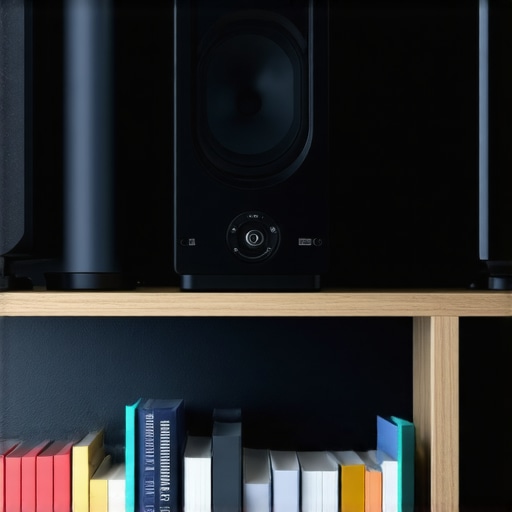 that illustrates proper speaker placement in a listening room.
Finally, beware of the trap of constantly chasing the next upgrade. A study by the Journal of the Audio Engineering Society highlights that perceived improvements often stem from psychological bias rather than actual audio performance. Instead, focus on optimizing what you already have—calibrate your system, assess room acoustics, and ensure proper maintenance. Upgrading blindly can lead to buyer’s remorse and a cluttered collection of underused gear.
Have you ever fallen into this trap? Let me know in the comments. Digging deeper into these nuances ensures you make smarter, more satisfying audio decisions, maximizing your enjoyment without falling for marketing hype.
How do I maintain my audio equipment over time?
Proper maintenance is essential to ensure longevity and consistent performance from your audio gear. I recommend investing in a quality ultrasonic cleaner, such as the Ridgid SonicClean, for cleaning delicate components like IEM tips and headphone ear pads. Regularly cleaning your IEM tips prevents buildup that can degrade sound clarity. For headphones, gently detaching and cleaning the cable connectors with a soft brush preserves signal integrity and prevents static issues.
When it comes to amplifiers and receivers, routine checks for dust and corrosion are crucial. Using compressed air and isopropyl alcohol on contacts enhances conductivity. If your vintage receiver keeps blowing fuses, see these tips to troubleshoot common issues. Additionally, periodically updating firmware—if your gear supports it—ensures compatibility and bug fixes, akin to how software updates improve computer performance.
Tools I recommend for long-term audio care
For cable organization and preventing fraying, I use the CableManagementPro sleeve, which protects wires from wear, especially around frequently moved setups. When adjusting speaker placement, use a laser distance measurer to precisely position speakers at ear level and optimal distances, making a significant difference in soundstage. Also, a reliable SPL meter like the SPL-300 allows for accurate calibration, ensuring balanced sound and preventing damage due to imbalance or clipping, as discussed in this article.
Looking forward, I predict that smart maintenance tools—such as IoT-enabled sensors that monitor component health—will become standard, allowing us to address issues proactively. In the meantime, incorporating routine checks with these precise tools can extend your gear’s lifespan and sound quality.
What’s the best way to keep your system humming?
Regularly schedule maintenance sessions, check connections, and clean components before problems arise. For example, cleaning your IEMs periodically preserves sound clarity during long listening sessions. Also, keep firmware updated to benefit from performance improvements. Plus, periodically re-evaluate your room acoustics and speaker positioning using a laser measurer to maintain optimal audio conditions.
Don’t wait for sound issues to surface—proactively maintaining your gear saves money and keeps your listening experience pristine. Try setting a biannual maintenance routine that includes cleaning, calibration, and inspection. Mastering these simple practices will ensure your audio setup remains a source of joy for years to come.
Small Secrets That Save Big Money and Headaches
One of the most eye-opening lessons I learned involved the myth that more power always means better sound. I spent months chasing higher wattage ratings, assuming my speakers would sound fuller and more dynamic. Turns out, matching amplifier wattage precisely to your speakers’ ratings and avoiding overdriving is crucial—a mistake I only realized after damaging a beloved set of bookshelf speakers. This taught me to prioritize compatibility over raw specs, a tip I wish I knew earlier.
Lessons I Wish I Had Discovered Sooner
- Room acoustics matter more than expensive gear: A well-treated room makes even modest speakers sing. Investing in simple acoustic treatments transformed my listening space far more than upgrading my amp or speakers.
- Proper speaker placement unlocks hidden clarity: Slight tweaks in positioning—like angling speakers towards my listening spot—created immediate improvements, proving that setup beats specs every time.
- Don’t rush into digital upgrades without understanding your gear: Upgrading to high-res audio formats or DACs won’t matter if your speakers or room aren’t optimized. Focusing on the fundamentals gave me better results than chasing the latest tech.
- Power isn’t everything, control is king: An amplifier with manageable wattage and good damping provides more precise sound than a high-wattage beast trying to do everything.
My Go-To Tools for Home Audio Success
Over time, I curated a toolkit that consistently improves my setup. I swear by a quality SPL meter—like the SPL-300—for calibration, which ensures balanced sound and prevents damage. Also, using a laser distance measurer helps me position speakers accurately, making a night-and-day difference. For cable management, I rely on protective sleeves that prevent fraying, saving money and effort in the long run. Plus, a simple room acoustic treatment kit made from rugs and diffusers elevates sound fidelity without breaking the bank. These tools are essential for anyone serious about home audio.
Take Action and Elevate Your Listening Experience
The journey to great sound isn’t solely about expensive gear—it’s about understanding your space, matching components wisely, and setting them up correctly. Remember, improvements often come from small, deliberate adjustments and maintenance rather than the latest flashy upgrade. Embrace the process, experiment confidently, and enjoy your audio like never before. Your ears—and your wallet—will thank you.