It hit me one lazy Sunday afternoon while I was jamming to my favorite tunes. I had just set up a sleek set of tiny bookshelf speakers in my living room, expecting decent sound, but instead, I was met with a surprisingly meek volume and anemic bass that made my music feel like it was coming from a tin can. It was frustrating, especially considering how much I had invested in these compact beauties. I couldn’t help but wonder—why do a lot of small speakers fall so flat on their promise of big sound? And more importantly, how can I make them roar like their larger counterparts?
Breathing Life Into Tiny Speakers: The Power of Optimization
Small speakers are fantastic for saving space and offering convenience, but they often get a bad rap for sounding underwhelming. The truth is, their size limits the amount of air they can move, which directly impacts the volume and bass response. But here’s the thing: _you don’t have to settle for limited sound_. With a few smart tweaks and some know-how, your tiny bookshelf speakers can surprise you with their potential.
Have you faced this problem yourself? Or do your current speakers just lack the oomph you crave? If so, you’re not alone. Many audiophiles and casual listeners alike struggle to get big sound from small packages. Luckily, I’ve been down this road—made my fair share of mistakes early on, like choosing the wrong speaker wire gauge or neglecting proper placement. Those early blunders taught me a lot, such as how crucial proper wiring is, which you can read more about in this handy guide on [how to choose the right speaker wire gauge for long runs](https://premiumsounddeals.com/how-to-choose-the-right-speaker-wire-gauge-for-long-runs).
What I want to do now is share some practical secrets that can help your tiny speakers fill your space with sound that might make you do a double take. Over the years, I’ve discovered that tiny tweaks—like positioning, wiring, and subtle amplifier adjustments—can make a world of difference. So, let’s dive into how you can transform your modest speakers into mini sound monsters that truly make an impact.
Perfect Your Placement for Bigger Impact
Positioning is everything. Place your tiny speakers on solid, stands or shelves at ear level to prevent sound waves from losing energy against tables or cabinets. Experiment with distances from walls; a slight setback can reduce bass muddiness, while closer proximity enhances direct sound. I once moved a pair from a corner to the center of the room, and it was like upgrading my entire audio setup—clarity and punch improved visibly.
Upgrade Your Wiring Without Breaking the Bank
Using the right gauge of speaker wire ensures efficient power transfer. For runs over 25 feet, opt for thicker cables—preferably 14 or 12 gauge. Lazy wiring can cause volume drops or distortions, especially with bass-heavy tracks. I learned this the hard way when my sound suddenly turned muddy; switching to thicker wire from that guide dramatically improved clarity and volume.
Tweak Your Amplifier Settings for Better Power
Many small speakers benefit from a slight boost in amplifier gain—be cautious, though, as too much can cause distortion. Use a clipping indicator to monitor your levels; avoid pushing into red zones. If your current amp isn’t powerful enough, consider a dedicated battery-powered amp (see options here). I once borrowed a compact amplifier, and the difference in sound fullness was striking, even in a small room.
Adjust Room Acoustics to Eliminate Echo
Soft furnishings, rugs, and curtains absorb excess reflections that can muddy your sound. Placing a rug or a fabric-lined bookshelf nearby reduces reverberation, making your speakers sound sharper. I taped a small rug near my setup, which minimized echo and enhanced bass response without adding any equipment.
Use Equalization to Sculpt Your Sound
Many amps or media players allow manual EQ adjustments. Boost midrange frequencies to bring vocals and instruments forward—crucial with tiny speakers that often lack midrange punch. Lower bass boost if you notice boomy sound; small enclosures often struggle with bass control. Tuning took me a few tries, but with patience, I achieved a balanced, lively sound. For a deeper dive, check out this guide.
Experiment with Advanced Techniques
Tap into simple modifications like adding a passive radiator to your speakers or upgrading your crossover components—these enhancements can squeeze extra performance from small enclosures. I once added a DIY passive radiator, which significantly increased bass output without enlarging the cabinet. Warning: some mods require technical skills, but even minor tweaks can yield substantial gains.
Many enthusiasts believe that selecting the latest soundbar or a high-end headphone automatically guarantees top-tier sound, but in my experience, this is a common misconception that can lead to costly mistakes. For instance, the myth that more expensive cables always provide better audio is widespread, yet studies show that beyond certain quality thresholds, the audible difference is negligible (source). This misunderstanding often results in overspending on gear that doesn’t significantly improve listening experience. Additionally, many overlook the importance of proper speaker impedance matching with amplifiers, which can cause distortion or equipment damage if misapplied. An advanced nuance to consider is room acoustics; even the most sophisticated setup can be underwhelming if sound reflections and standing waves are ignored, leading many to blame equipment instead of optimizing environments. Beware of the trap where users assume that multi-room audio systems will stay perfectly synchronized; in reality, issues like network latency and device compatibility can introduce delays, requiring meticulous setup and calibration (read more). For savvy audiophiles, understanding the intricacies of cable gauge selection is crucial, especially for long runs where voltage drops can diminish performance (more info). Don’t let these overlooked details sabotage your audio ambitions. Have you ever fallen into this trap? Let me know in the comments.
Keep Your Equipment in Prime Condition with the Right Tools
Maintaining your home audio setup requires more than just occasional cleaning; it demands the right tools for ongoing reliability. I personally rely on a high-quality magnetic dust blaster to clear dust from delicate components like speakers and amplifiers without risking damage. These tools efficiently remove debris from vents and ports, ensuring optimal airflow and preventing overheating. Additionally, I use a calibrated electric contact cleaner to keep switch contacts and potentiometers free of oxidation, maintaining smooth operation over years.
Regular Inspection to Catch Issues Before They Escalate
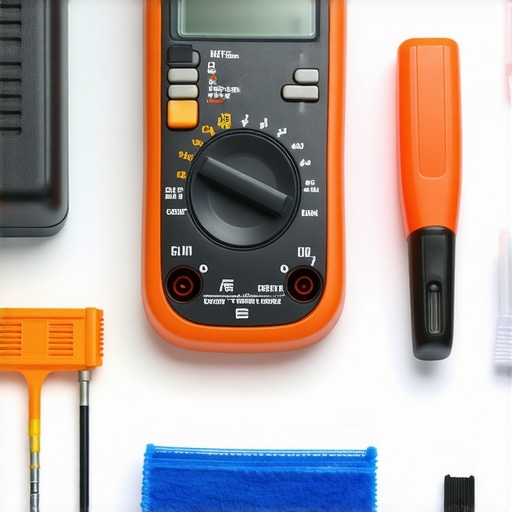
Adopting a routine inspection schedule allows early detection of common problems such as frayed wires or loose connections. I recommend inspecting your wiring with a digital multimeter to verify continuity and proper impedance, especially for long runs as outlined in this guide. This simple step can prevent silent performance drops and prevent damage caused by mismatched impedance.
Software Tools Help Monitor and Fine-Tune Performance
For digital setups, software like Room EQ Wizard (REW) has become indispensable. It allows you to measure frequency response, identify phase issues, and fine-tune your system with precision. I routinely run REW calibration after repositioning speakers or making hardware tweaks to ensure consistent sound quality. This proactive approach helps avoid long-term distortion problems that stem from overlooked calibration errors.
Long-Term Results Are Worth the Effort
Implementing a disciplined maintenance routine with these tools prolongs the lifespan of your speakers and amplifiers, saving money in the long run. Well-maintained equipment also provides a more satisfying listening experience, free from unexpected disruptions. As I’ve learned through experience, small, consistent investments in maintenance tools prevent costly repairs or replacements later.
How do I maintain my audio gear over time?
Creating a maintenance schedule that includes regular cleaning, inspection, and calibration is key. Use specialized tools like magnetic dust blasters, contact cleaners, and software calibration programs to keep your system performing at its best. Additionally, preserving your gear in a climate-controlled environment and avoiding exposure to dust and moisture further extends its longevity. For example, cleaning dust out of vintage components with proper techniques, as explained here, helps prevent corrosion and electrical issues. Don’t forget to test your wiring with a multimeter periodically to catch impedance mismatches early, which can undermine sound quality.’
 }
}
Lessons the Experts Don’t Usually Share About Small Speakers
- One thing I realized early on is that many overlook the importance of room acoustics. Even the best tiny speaker can underperform if the environment isn’t optimized—soft furnishings, strategic placement, and minor room treatments can dramatically improve sound quality.
- I learned that patience beats haste when tuning your audio setup. Small tweaks in positioning, EQ, and wiring may require multiple iterations, but the final payoff is a sound that feels surprisingly full and lively.
- Discovering that the most costly upgrade isn’t always the most effective was a lightbulb moment. Sometimes, a simple cable upgrade or a minor DIY modification yields better results than expensive gear, especially when done thoughtfully.
- Finally, I found that consistent maintenance and a keen ear for subtle distortions or imbalances prevent many issues before they escalate—saving time, money, and frustration in the long run.
My Go-To Resources for Superior Audio Performance
- Room EQ Wizard (REW): This software became indispensable for measuring and calibrating my setup precisely. It provided insights I couldn’t get through listening alone, ensuring every tweak was backed by data.
- Comprehensive Wiring Guides: I trust the detailed advice on choosing the right speaker wire gauge, which helped me avoid common pitfalls and maximize efficiency, especially for longer cable runs.
- DIY Modification Tutorials: Learning how to add passive radiators or upgrade crossovers via trusted online tutorials transformed the performance of my speakers without breaking the bank.
- Room Treatment Tips: Advice from seasoned audiophiles on room acoustics helped me minimize echo and clarify sound, proving that environment plays a crucial role alongside gear.
Now It’s Your Turn to Elevate Your Sound Experience
Don’t let the size of your speakers limit your enjoyment—sometimes, small changes lead to huge improvements. Embrace the process of fine-tuning, maintain your gear diligently, and stay curious about new tweaks. Your ideal soundscape might be closer than you think, just waiting for you to unlock its potential. Remember, every expert audiophile started with humble beginnings—your journey is just getting started!
What’s the one tweak you’re excited to try next to improve your tiny speakers? Share your plans below and let’s inspire each other to achieve remarkable sound from modest setups!