Have you ever been cruising, blasting your favorite tune, only to notice your car’s bass suddenly cutting out just when the beat gets heavy? It’s a frustrating moment I’ve lived through more than once, and it always felt like my equipment was playing a cruel trick. That sinking feeling when your audio system cuts off during the most adrenaline-pumping parts of your playlist—been there, done that—and let me tell you, it’s more common than you might think.
Fixing the Car Audio Dilemma: Why Does This Happen?
This problem isn’t just annoying; it highlights a fundamental issue with how amplifiers handle deep bass signals. When you crank the volume and hit those low frequencies, your amplifier may shut off to protect itself from overheating or electrical overload. It’s like a safety feature gone rogue, or simply an indicator that your setup isn’t optimized for the power you’re demanding.
Will Upgrading Your Equipment Really Make a Difference?
Before diving into upgrades, I made a mistake early on—I assumed bigger, more powerful amps would solve everything. Turns out, that’s not always the case. Proper settings, quality wiring, and adequate capacity are crucial. For instance, exploring brands like amps designed to handle clipping can help prevent your amplifier from shutting down when the bass hits hard. Understanding these nuances can save you time, money, and the headache of constant troubleshooting. Have you faced similar issues with your car audio system? If so, you’re in the right place. We’re going to explore the causes and look at practical solutions that actually work—so you can enjoy your music without interruptions.
Optimize Your Amplifier Settings for Clarity
Start by adjusting your amplifier’s gain and crossover settings. Think of it like tuning a musical instrument; too high, and it distorts or cuts out, too low, and the bass sounds weak. Use your vehicle’s manual or software to set the gain so the amplifier isn’t clipping at high volumes. Set the crossover to allow low frequencies to pass efficiently—this helps prevent the amp from overworking or shutting down during deep bass notes.
Upgrade Your Wiring for Better Power Delivery
Inspect your power and ground wires. Loose or thin cables are like a narrow pipe restricts water flow—causing voltage drops that trigger your amp’s protective cut-off. Replace cheap wiring with at least 4-gauge cable and ensure tight, corrosion-free connections. I once rewired my system with thicker cables and secured ground points to the chassis, which immediately stabilized the power flow and stopped unexpected shutoffs.
Select Amplifiers Built for Power Demands
Invest in amps engineered to handle high transient power without clipping. Brands like amps designed to handle clipping can make a significant difference. These units manage sudden bass peaks gracefully, reducing shutdowns. When shopping, look for specifications like high wattage at low impedance and good thermal management, as these indicate robustness under heavy loads.
Use Proper Subwoofer Enclosures
A poorly sealed or unsuitable enclosure can cause your subwoofer to strain, leading to electrical protective responses. Think of an enclosure as a cavity that supports sound vibrations; too small or leaky, and it demands more from your amp. For deep, precise bass, opt for sealed or ported enclosures that match your subwoofer’s specifications. This mechanical support alleviates stress on your amplifier, reducing chances of cut-offs during bass hits.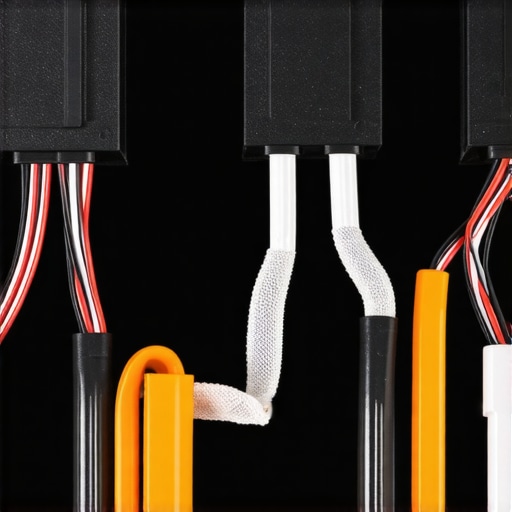
Implement Sound Level Metering and Testing
Before hitting the road or turning up loud, use a sound level meter to monitor your bass frequencies. Similar to how a doctor uses a stethoscope, this device helps you identify distortion or clipping signs early. Test your setup at various volume levels, increasing gradually to discover the point where your system begins to cut out. This controlled approach prevents damage and ensures consistent audio performance, especially during heavy bass sections.
Regular Maintenance and Inspection
Finally, periodically check your entire audio system—connections, wiring, and components. Dust and corrosion are silent enemies that can cause voltage drops or shorts. Clean terminals with a wire brush, re-tighten connections, and verify speaker impedance matches amplifier ratings. A well-maintained system runs smoother, with fewer interruptions during crucial bass moments. Remember, patience and attention to detail are your best tools for audio reliability, avoiding the need to constantly troubleshoot or replace components.
Many enthusiasts believe that upgrading to the latest, most expensive amplifier, speaker, or headphone guarantees superior sound quality. However, in my experience, there are nuanced pitfalls that even seasoned audiophiles often overlook. For instance, a popular myth is that higher wattage or impedance automatically translates to better performance. The truth is, pairing matching components and understanding your room acoustics play a more critical role than raw numbers alone. A common mistake I see is ignoring the importance of proper calibration; even the finest equipment can sound harsh or thin if not set up correctly. This is particularly true for high-end speakers and soundbars, which require fine-tuning to unlock their full potential.
Why do so many enthusiasts fall into the trap of overestimating equipment specs?
Studies show that subjective hearing perceptions can be heavily influenced by marketing jargon and visual impressions, leading to overconfidence in certain brands or specs. According to audio expert Ethan Winer, “Focusing only on specs like wattage or frequency response without considering room interaction and speaker placement results in subpar audio experiences.” An overlooked aspect is power compression—where amplifiers lose efficiency at high volumes, causing distortion. This subtle issue can make your system sound worse as you push the volume higher, yet many users remain unaware because they don’t test beyond moderate levels. Be cautious of equipment that promises universal excellence; instead, prioritize compatibility, room treatment, and proper calibration. For example, selecting bookshelf speakers like these models that deliver real bass in small rooms can dramatically improve clarity without needing large towers or subwoofers. Remember, the devil is in the details—sometimes, a minor adjustment or a well-placed component trumps the latest gear upgrade. Have you ever fallen into this trap? Let me know in the comments.
Invest in Quality Test Equipment to Prevent Downtime
One of the most reliable tools I use for maintaining my audio setup is a digital sound level meter. Unlike generic smartphone apps, dedicated meters provide precise readings of frequency and decibel levels, helping me identify distortion or clipping early before they cause permanent damage. Regularly testing your system with a calibrated device ensures you catch issues like amplifier clipping or speaker overloads, especially during those epic bass drops where equipment tends to strain.
Additionally, an oscilloscope is invaluable for visualizing your audio signals. When I noticed my amp’s distortion becoming stubborn, I used a scope to pinpoint where the waveform was clipping, allowing me to fine-tune my gain settings accordingly. For hobbyists, affordable models can be found online, but investing in a professional-grade instrument significantly improves diagnostic accuracy and long-term reliability.
Routine Inspection and Cleaning to Extend System Life
Everything from speaker terminals to wiring connections can degrade over time, especially if exposed to dust or corrosion. I schedule monthly inspections where I gently clean terminals with a contact cleaner and verify that all connectors are tight and secure. This simple maintenance prevents voltage drops that can impair sound quality or cause shutdowns during deep bass sections. Remember, loose or corroded connections are silent killers—addressing them promptly maintains system integrity.
Don’t forget to check the physical condition of your cables. Thin or damaged wires can introduce noise and lead to intermittent signal loss. Upgrading to heavier gauge cables, such as 4-gauge for power lines, can dramatically improve stability and reduce the risk of overheating your amplifier, as recommended by audio specialists. Proper cable management and protective covers further prolong their lifespan and keep your setup looking professional.
Forecasting Future Trends in Home Audio Maintenance
Looking ahead, I believe the integration of smart diagnostics and IoT-connected audio equipment will revolutionize how enthusiasts maintain their systems. Imagine real-time monitoring of voltage, temperature, and signal quality sent directly to your smartphone, alerting you to emerging issues before they escalate. Companies are already exploring these features, and I predict features like automatic calibration and predictive maintenance will become standard. Keeping your setup in top shape will then be as simple as installing a firmware update or notifying your app of minor tweaks.
How can I keep my audio gear running smoothly over time?
The key lies in proactive maintenance coupled with the right tools. Regularly inspecting connections, cleaning components, and leveraging precise measurement devices can save you from costly repairs or replacements. For example, maintaining clean, corrosion-free connections ensures optimal power transfer and sound clarity, especially when pushing system limits with high-power amplifiers like those designed to handle clipping—check out amps built for power resilience. So, why not invest in a quality digital sound meter today and give your system the care it deserves? Small steps now lead to big audio rewards tomorrow.
Over the years, I’ve realized that achieving perfect sound isn’t just about high-end gear—it’s about understanding the nuanced dance between equipment, setup, and environment. One eye-opening lesson was discovering how small calibration adjustments dramatically improved clarity, especially in complex home spaces. Another insight was the critical role of proper wiring—sometimes, replacing a single cable made my system sound like a whole new experience. These lessons underscore that patience and attention to detail often trump the latest tech hype when it comes to authentic audio enjoyment.
What fewer enthusiasts Talk About but Should
I’ve learned that many overlook the importance of room acoustics—adding damping materials or strategic furniture placement can turn echo chambers into concert halls. Additionally, investing in quality test equipment, like a dedicated sound level meter, helps me catch issues early before they become costly repairs. Lastly, understanding that high specs won’t compensate for poor calibration shifted my perspective: precise tuning transforms decent gear into exceptional performance. These insights have saved me time and money, ensuring I get the most out of every component.
Tools and Resources That Changed My Approach
My go-to resource is a trusted guide on used audio gear; it offers honest evaluation tips that prevent me from overspending on subpar equipment. I also swear by comprehensive calibration tutorials, which demystify the process of optimizing sound settings. For quality measurement tools, I rely on professional-grade meters. These resources empower me to troubleshoot confidently and elevate my listening experience beyond mere specs.
Seize the Moment and Elevate Your Audio Game
Your home audio setup is an ongoing journey, not a one-time purchase. Embrace the learning curve, experiment with calibration, and invest in quality tools—it all pays off in richer, more immersive sound. Remember, even small improvements can unlock a world of detail you’ve been missing. Don’t wait—start applying these insights today and turn your space into a personal concert hall. What’s the first tweak you plan to make? Let me know below and share your own lessons learned on the journey toward perfect sound.
Comments are closed.