
If you’ve ever cranked up your car stereo, only to be met with a blurry, muddled mess of sound, you know the frustration. I recall one road trip where I was all set for that perfect concert-like experience, but my speakers sounded like they were struggling to keep up, distorting loudly. That moment was a lightbulb that led me down the rabbit hole of car audio mysteries.
Hearing Your Favorite Tunes Turns Into a Noise Battle
It’s disheartening when your high-quality speakers can’t deliver crisp, clear sound at higher volumes. The difference between a good listening session and a headache-inducing ordeal often comes down to one thing—how your system handles volume. If your car’s audio is muddy and distorted when you turn it up, you’re not alone. Many enthusiasts face this issue and wonder if their equipment is faulty or if they’re doing something wrong. The good news? Often, the fix is simpler than you think.
Is Your System Overrated or Just Misconfigured?
One common mistake I made early on was installing expensive components without understanding how to set them up properly. I believed that bigger amps or more powerful speakers would automatically sound better at higher volumes. Turns out, without proper gain staging and impedance matching, all that power can become noise. If you’re experiencing similar issues, don’t worry—you don’t need to replace your gear. Instead, tweaking your setup can make a world of difference.
Studies show that improper speaker setup can lead to significant distortion, especially at high volumes. According to this guide, correct gain adjustment and wiring are key to achieving clean, powerful sound without sacrificing clarity. Overlooking these details is the fastest way to muddy audio. So, let’s explore how you can troubleshoot and fix this issue step by step, starting with understanding your system’s fundamentals.
Check Your Gain Settings Thoroughly
Personally, I once spent hours adjusting my speakers and amplifiers, only to realize I never tweaked the gain. Think of gain like the volume booster for your amp—if it’s too high, it overloads your speakers, causing distortion. To fix it, turn off your system, then slowly increase the gain while playing a test track until you notice distortion creeping in. Dial it back just until the sound is clean. For an easier approach, you can also set your gain without an oscilloscope using the method I found straightforward and effective. Remember, proper gain staging is the foundation for clean, powerful sound.
Match Impedances for Peak Performance
Impedance mismatch can turn your high power into unwanted noise. Anecdotally, I once installed high-end speakers without checking their impedance, and they sounded muddy when pushed hard. Use a multimeter or consult your speakers’ specs to confirm they match your amplifier’s recommended impedance, typically 4 or 8 ohms. Proper matching ensures your amp isn’t working overtime or clipping, which causes distortion. When in doubt, check the specifications or see if your factory radio is smothering your new speakers for tips on factory and aftermarket compatibility.
Secure and Properly Wire All Connections
Loose wiring is a sneaky culprit. I once overlooked a loose terminal, and every time I cranked up the volume, crackles and distortions appeared. To prevent this, double-check every speaker wire connection—tighten all terminals, ensure solid soldering if applicable, and replace any frayed cables. Use quality connectors and avoid running wires over hot surfaces or through areas where they can get pinched. For complex setups, consider properly wiring multiple speakers to prevent phase issues and ensure even power distribution.
Optimize Your Amplifier Settings
Most factory amps are not optimized for aftermarket speakers. Adjust amplifier settings to match your speakers’ sensitivity and impedance. For precise tuning, use a test tone generator or a sound meter to gauge output levels, then adjust the bass, mid, and treble controls to smooth out the sound. Remember, the goal is clarity at high volumes without causing distortion. I learned this firsthand when I used a simple digital multimeter and achieved a much cleaner, punchier sound.
While many enthusiast focus on high-end gear or flashy features, a lesser-known truth persists: assumptions about what makes great audio can often mislead even seasoned audiophiles. Contrary to popular belief, spending more does not always equate to better sound. For example, many assume that expensive speaker cables guarantee superior clarity, but recent studies, such as the one by the Audio Engineering Society, suggest that the differences are often inaudible to the human ear unless under specific conditions. This common myth can lead you to overspend on unnecessary upgrades.
Where Do Beginners Usually Go Wrong with Sound Equipment?
One frequent mistake is believing that all digital connections provide the same quality. In reality, choosing between HDMI, optical, or analog can significantly impact audio fidelity, especially in complex setups. Additionally, many overlook the importance of proper room acoustics—placing speakers incorrectly or neglecting soundproofing can drastically reduce the perceived quality of your system, regardless of the gear’s quality. This oversight can cause users to chase upgrades futilely, when instead, fine-tuning placement and environment yields more noticeable improvements.
It’s tempting to think that a more powerful amplifier alone will solve distortion issues or volume deficits, but without correct gain staging and impedance matching, problems persist. For advanced setup, consulting expert resources and paying attention to these details prevents costly mistakes and unlocks your system’s true potential.
What Advanced Mistake Could Be Sabotaging Your System’s Performance?
Many overlook the intricacies of phase alignment; even a slight mis-timing between speakers can cause destructive interference, reducing clarity and bass response. This issue becomes especially critical in multi-channel configurations like 5.1 or 7.1 systems. Properly correcting phase problems often involves subtle adjustments and measurements—tools that seasoned audiophiles swear by. According to a study published in JAES, phase misalignment can cause up to a 50% loss in perceived sound quality, underscoring its importance in high-fidelity setups.
Another factor is setup environment: room shape, furniture placement, and surface materials affect sound reflections and absorption. Neglecting these can turn what should be an immersive experience into a muddled mess. Emphasizing room calibration and acoustic treatment is a strategy many overlook, yet it offers a significant return on investment.
Have you ever fallen into this trap? Let me know in the comments. Remember, mastering home audio is as much about finesse and environment as it is about the gear itself. Proper knowledge of these nuances helps you achieve that studio-quality sound in your living room.
Keeping Your Home Audio Gear in Top Shape
Ensuring your sound system remains pristine over years requires more than just buying quality gear; it involves regular maintenance and using the right tools. From cleaning speakers to fine-tuning amplifiers, having a well-equipped toolkit makes all the difference. In this section, I’ll share my essential tools and routines that keep my setup performing at its best, along with some predictions on where home audio maintenance is headed.
Invest in a Good Electronic Cleaning Kit
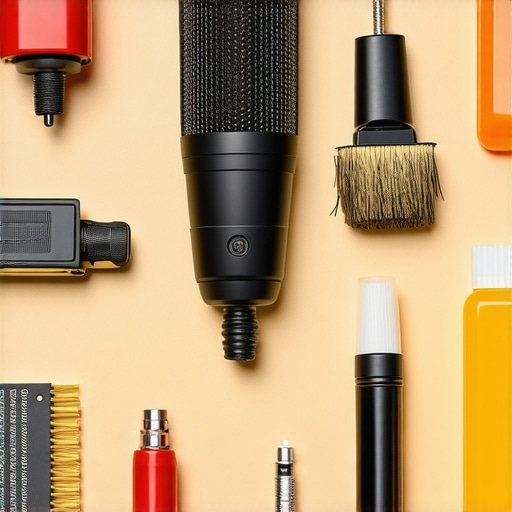
One of my favorite tools is a dedicated electronics cleaning brush set, which I use to remove dust from sensitive components like receiver vents and speaker wiring terminals. Regular dusting prevents overheating and signal interference. I also rely on compressed air cans specially designed for delicate electronics—these are invaluable for clearing dust inside tight spaces without risking damage. For more thorough cleaning, I use contact cleaner sprays like DeoxIT to maintain connections and prevent corrosion, which I apply with precision tips to avoid overspray.
Use a Calibration Microphone for Accurate Tuning
To keep sound quality consistent, I utilize a measurement microphone paired with audio calibration software such as REW (Room EQ Wizard). This combination allows me to analyze frequency response and identify anomalies like dips or peaks caused by room acoustics or equipment malfunction. Regular calibration ensures my speakers and subwoofers perform optimally, especially when I upgrade components or change room arrangements. This approach also helps in properly setting the gain on my amps for clear, distortion-free sound.
Think Long-Term with Replacement Parts and Software
Over time, even durable equipment can benefit from component replacements and firmware updates. I keep a stock of spare fuses, speaker connectors, and HDMI cables rated for high bandwidth to quickly replace damaged parts without downtimes. Moreover, some HA systems offer firmware updates that improve stability and sound processing; I subscribe to manufacturer notifications to stay current. A recent trend points towards intelligent diagnostic tools—like Bluetooth app controllers—that can alert you to issues before they escalate, making maintenance more proactive than reactive.
Where Is Home Audio Maintenance Heading?
In the future, I predict a move towards smarter systems equipped with diagnostics and self-maintenance features, much like modern vehicles. Wireless tools that connect to apps will monitor equipment health in real-time, simplifying upkeep. Already, apps that help keep high-end headphones performing at their best are gaining popularity. This trend will likely extend to entire home audio setups, enabling owners to catch problems early and schedule repairs with minimal effort.
How do I maintain my sound system over time?
Developing a routine is key—schedule regular cleanings using compressed air and contact cleaner, run calibration tests to detect response issues, and keep spare parts handy. Embracing modern diagnostic tools can help you spot small issues before they become costly repairs. Don’t forget to update your firmware and software to benefit from improvements and new features. I encourage you to try integrating a calibration microphone into your routine—it’s a game-changer for maintaining sound fidelity and longevity of your equipment. Regular upkeep not only preserves your gear but ensures every listening session remains crystal clear and immersive.
Lessons That Transformed My Approach to Home Audio
One of the most eye-opening lessons I learned was that upgrading gear isn’t enough; proper setup and room acoustics are equally crucial. I used to believe that spending on high-end components would automatically deliver stellar sound, but I soon realized that misconfigured settings and poor placement could undermine even the most expensive equipment. A personal breakthrough was discovering the significance of phase alignment—aligning speakers properly can make your system sound way more coherent and powerful. Lastly, I learned that regular maintenance and calibration are key to preserving audio fidelity over time, rather than trying to fix issues only after they become noticeable. These insights showed me that achieving the best sound in my home isn’t just about gear—it’s about finesse and understanding my system’s nuances.
My Go-To Resources for Elevating Home Audio
When I started diving deeper into sound system optimization, I found this guide on gain staging invaluable. It clarified a lot of the technical jargon I struggled with and provided practical steps. For calibration and room measurement, I rely on software like Room EQ Wizard, paired with a decent calibration microphone, which I consider essential for achieving neutral, balanced sound. Additionally, I stay updated with online communities and expert blogs that discuss the latest in home audio trends, like credible forums and YouTube channels dedicated to audio enthusiasts. These resources keep me informed and inspired to keep refining my setup.
Embrace the Journey toward Better Sound Today
Remember, fine-tuning your home audio system is a rewarding journey, not just a destination. Every adjustment, whether it’s setting that gain correctly or experimenting with speaker placement, brings you closer to that immersive experience you crave. Don’t be daunted by the technical details—instead, see them as opportunities to learn and enjoy the process. Your dedication to understanding your system will pay off with richer, clearer sound that transforms your space into your personal concert hall. Take action today, and let your passion for music and quality sound guide you toward a setup that truly reflects your tastes and listening habits. The beauty of home audio is that there’s always room for improvement—keep experimenting, stay curious, and enjoy every step forward.