
I remember the exact moment I realized my beloved vintage speakers were fading into silence. I was excited to crank up my favorite vinyl, but instead of rich, lively sound, I was met with dullness and distortion. It was a lightbulb moment — my speakers weren’t broken; their foam surrounds had simply given up. If you’re like me, you’ve probably faced that frustrating silence or muffled audio, wondering if it’s time to toss out your vintage treasure.
Reviving Your Classics: The Power of New Foam Surrounds
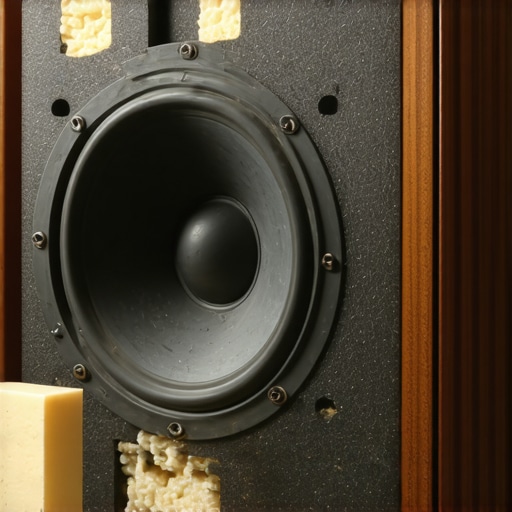
When I first dove into repairing my speakers, I was overwhelmed. How could something so seemingly minor — the foam around the cone — cause such a big problem? Turns out, aged foam becomes brittle, cracks, and detaches, which misaligns the cone and muffles the sound. Fortunately, replacing the foam surrounds is a game-changer. Not only does it restore sound quality, but it also breathes new life into vintage speakers, saving you money and preserving a piece of audio history.
Is Replacing Foam Really Worth the Hassle?
Early on, I was skeptical. Surely, it wasn’t worth the effort? I made the mistake of thinking my speakers were beyond repair. Spoiler: I was wrong. The process was surprisingly manageable with the right tools and patience. Plus, the satisfaction of hearing my music bounce back was priceless. Did you know that according to audio experts, a simple foam surround replacement can extend your speaker’s lifespan by decades? It’s true — just check out the detailed guides on [how to replace foam surrounds](https://premiumsounddeals.com/how-to-replace-the-foam-surround-in-your-vintage-speakers). If you’re tired of static and muffled tunes, this DIY fix might be your best investment.
Now, I know some of you might be harboring doubts or fears about attempting such a repair. That’s completely natural. I was there too. So, in the next sections, I’ll share my step-by-step experience, common pitfalls to avoid, and how to get your speakers sounding better than ever. Because everyone deserves to enjoy crisp, vibrant sound from their vintage collection. Ready to bring those speakers back to life?
Remove the Old Surround with Precision
Start by carefully detaching the speaker from its enclosure and gently peeling away the worn foam surround. Use a small flat-head screwdriver or a razor blade to loosen the edges, but avoid scratching the cone or the basket. I once struggled for an hour because I was too aggressive, damaging my vintage speaker cone. Slow, deliberate movements are key.
Prepare Your Workspace and Tools
Gather a clean workspace, some manual or electric tools, and a new foam surround kit. Make sure to have adhesive suitable for speaker refoaming. I recommend using the specific glue designed for speaker repairs, which ensures flexibility after drying. Keeping your workspace dust-free prevents debris from sticking to the adhesive, resulting in a cleaner bond.
Attach the New Foam Carefully
Apply a thin, even layer of adhesive to both the new foam surround and the edge of the cone. Align the surround with the cone’s edge, pressing gently to ensure it seats correctly. Use clamps or masking tape to hold everything in place until the glue cures—typically 12-24 hours. I once rushed this step and ended up with a crooked surround, which caused rattling. Patience here saves you headaches later.
Reassemble and Test Your Repair
Once the adhesive is set, reconnect the speaker to your amp or receiver, and test it at low volume. Listen for any odd vibrations or distortions—these may indicate misalignment or glue issues. After a successful test, gradually increase the volume to normal levels. I was thrilled when my speakers sounded like they did when I first bought them, with crisp and clear audio.
Optimize Your Listening Environment
Proper placement plays a role in sound quality. Keep speakers a foot away from walls to prevent bass muddying, and ensure they are at ear level. For more advanced setup tweaks, check out how to position your center channel for better clarity. Remember, even the best repair can be undermined by poor placement, so treat your speakers like fine furniture.
 Many enthusiasts believe that buying the most expensive speaker or amplifier guarantees perfect sound quality, but in reality, many misunderstandings about home audio really hinder optimal performance. For example, a widespread misconception is that high wattage always results in louder volume; however, without proper impedance matching and signal conditioning, you might not see the expected gains. According to audio engineer Ethan Winer, “Pushing power without appropriate matching can lead to distortion and damage, rather than better sound.” Furthermore, many assume that placing speakers closer to walls enhances bass, but this often causes boomy, muddled low frequencies. Instead, strategic placement, like using the crawl method to optimize subwoofer positioning, yields more natural, balanced sound—isn’t that a surprise?
What does the complex relationship between speaker impedance and amplifier compatibility really mean for your setup?
It turns out many overlook the significance of impedance matching, which is crucial to avoid damaging your gear or sacrificing clarity. Ensuring your amplifier can handle your speakers’ impedance prevents issues like overheating or weak sound delivery. For in-depth advice on this, check out how to match your speaker impedance to your amplifier properly. Besides technical mismatches, some enthusiasts overinvest in ultra-expensive cables or fancy add-ons, believing these will deliver superior audio quality—yet studies, including those by the AES (Audio Engineering Society), show that cable quality often has minimal impact compared to proper setup and room acoustics. Understanding these nuances helps you make smarter decisions, avoiding pitfalls like overpaying for “premium” cables or neglecting speaker placement. Did you know that even a slight adjustment of your speaker angle can significantly improve dialogue clarity, especially in home theater setups? For example, aiming your surround speakers more inward enhances clarity, a tip supported by experts on center channel positioning. Misjudging such details can sabotage your listening experience. Moreover, many buyers overlook the importance of matching their speaker impedance with their amplifier for consistent, distortion-free sound. Investing time in understanding this relationship pays off, especially when upgrading your system or adding headsets—like choosing closed-back headphones for noisy environments, which can truly isolate sound and improve clarity. To ensure your gear plays well together, review how to match impedance properly, which can prevent headaches and enhance performance. Finally, there’s a common trap of believing that the latest tech, such as smart soundbars or wireless speakers, automatically outperforms traditional setups. But, in many cases, these devices have compromises—like limited dynamic range or latency issues—that can diminish listening quality. A carefully calibrated, well-placed traditional system often delivers a richer experience. Have you ever fallen into this trap? Let me know in the comments!
Essential Tools for Speaker and System Maintenance
Keeping your home audio setup performing at its best requires more than just quality equipment; it demands the right tools. I personally rely on a digital multimeter to verify impedance and check for grounding issues, which can subtly affect sound quality over time. A small Phillips screwdriver set is indispensable for tightening connections or replacing components, especially when dealing with vintage speakers or upgrading parts. For cleaning delicate components like headphone connectors or speaker terminals, I prefer a contact cleaner spray, such as DeoxIT F5, because it removes oxidation without leaving a residue. These tools form the backbone of my maintenance routine, ensuring my gear remains in top shape for years to come.
Why Regular System Checks Matter
Performing routine inspections with these tools prevents small problems from becoming costly repairs or performance drops. For example, using a multimeter to test speaker impedance ensures your amplifier isn’t overloading, which can cause distortion or damage. Tightening loose connections with the screwdriver maintains a stable signal, while cleaning contacts prevents static and dropouts. Consistency is key; scheduling quarterly check-ups helps catch issues early and prolongs the lifespan of your system components.
Upcoming Trends in System Longevity and Scalability
As home audio technology advances, systems are becoming more modular and software-driven, allowing for easier upgrades and maintenance. Firmware updates for soundbars and AV receivers can fix bugs and enhance compatibility without hardware replacements—a trend I see gaining momentum. Additionally, the rise of wireless and Bluetooth speakers emphasizes the importance of maintaining stable connections and battery health; using a specialized charging station can prevent overcharging and extend battery life. Embracing these tools and practices ensures your setup adapts to future demands and remains reliable over time.
How do I maintain my home audio system over years?
Maintaining your system involves a combination of regular physical inspections, cleaning, and staying updated with firmware. I recommend setting a quarterly reminder to check all connections with a multimeter, clean contacts with contact cleaner, and tighten any loose screws. Incorporate software updates whenever available, particularly for smart speakers and soundbars, to ensure compatibility and security. Additionally, consider upgrading cables—though expensive cables often don’t make a noticeable difference, quality gauge and proper shielding can improve long-term durability, especially for speaker wire runs. For instance, choosing the right gauge based on your distance and amplifier wattage can prevent signal loss, a tip detailed in expert guides on wire gauge selection.
Looking ahead, I predict more systems will integrate diagnostic tools that notify owners of maintenance needs via apps or firmware alerts, making upkeep even more straightforward. Meanwhile, I suggest trying a deep cleaning of contacts with contact cleaner and inspecting impedance with your multimeter—it’s a small step that yields noticeable improvements in clarity. Regular maintenance might seem trivial, but it significantly enhances the longevity and performance of your cherished audio gear.
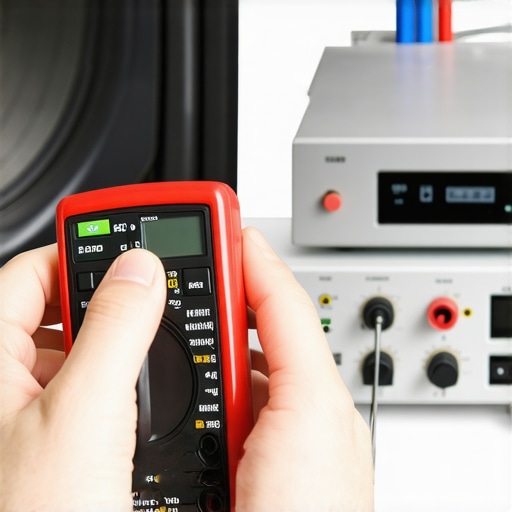
Image prompts: A technician using a multimeter to check speaker impedance in a home audio setup, showing close-up of multimeter probes on speaker terminals with a modern receiver in the background. Title: “DIY Maintenance Tools: Ensuring Long-Term Audio Clarity”; Alt text: “Technician performing impedance check on a home speakers with a multimeter”.
,
The Hardest Lesson I Learned About Speakers,Home Audio Deals,Headphones,Amplifiers,Soundbars That Held Me Back
One of my biggest pitfalls was assuming that high price equaled superior sound. I wasted money on premium cables and fancy soundbars, only to realize that room acoustics and proper setup matter far more. It taught me to focus on fundamentals before chasing luxury gear.
3 Myths About Vintage Speakers and Home Audio That Might Be Holding You Back
Myth one: Replacing foam surrounds is too complicated. In reality, with patience and the right tools, it’s surprisingly accessible and rewarding. Myth two: You need the latest equipment for good sound. Sometimes, classic speakers and careful positioning outperform cutting-edge tech if set up properly. Myth three: Expensive cables improve quality. Most of the time, room acoustics and speaker placement make a bigger difference than the cost of cables. Breaking these misconceptions unlocked a new appreciation for my system’s true potential.
What Experts Won’t Tell You About Restoring Vintage Speakers and Achieving Sound Perfection
Many professionals know that a simple foam surround replacement can breathe new life into aged speakers, saving you thousands on new gear. They also understand that room treatment, like acoustic panels and strategic furniture placement, drastically enhances sound clarity—details often overlooked by casual audiophiles. Recognizing these insights allowed me to optimize my setup beyond just replacing components, truly transforming my listening experience.
Curated Resources for Elevating Your Home Audio Journey
- Detailed Foam Replacement Guides: Websites offering step-by-step tutorials have been invaluable. For example, this comprehensive guide helped demystify the repair process for me.
- Room Acoustic Treatment Solutions: Products like bass traps and diffusers, recommended by seasoned audiophiles, improve sound distribution. I trust these affordable options for creating a balanced listening environment.
- Impedance and Power Matching Resources: Understanding how to match speakers to amplifiers prevents damage and clarifies sound. This article was a game-changer for me when I upgraded my setup.
Let Your Passion Drive the Next Step
There’s an unmatched joy in restoring vintage gear and fine-tuning your home audio environment. Every tweak and upgrade brings you closer to that perfect, immersive sound you crave. Embrace the journey, and you’ll find that your system becomes not just a collection of devices, but a personal sanctuary of sonic excellence. Are you ready to take that leap and discover sounds you’ve never heard before? Share your stories or questions below—I’d love to hear what step excites you most in improving your audio experience.