
Ever had that moment where you finally got your hands on a batch of high-resolution audio files, eagerly expecting the best listening experience of your life, only to be met with a surprisingly underwhelming sound? I’ve been there. I remember furiously downloading those FLAC albums, convinced that my pristine, high-res files would blow my Spotify subscriptions out of the water. But when I played them through my fancy home system, the sound just didn’t wow me. Instead, I sat there thinking, “Is this really better?”
Why Your High-Res Files Might Not Make a Difference
That lightbulb moment prompted me to dig deeper. Turns out, there’s a complex web of factors that can prevent high-res audio from sounding superior—things like your gear, your environment, and even your own expectations. The truth is, it’s not just about the file format; it’s about how well your entire system is optimized to handle that high-resolution content. Sometimes, the quality of your speakers or headphones is the bottleneck, not the file itself. I’ve made the mistake early on of assuming that buying the highest bit rate would automatically turn my system into a concert hall. Spoiler: it didn’t. If you’re tired of chasing elusive quality upgrades without seeing real results, I’ve got some insights that could save you money and frustration. We’ll explore whether high-res files are truly worth the hype or if you’re better off tuning what you already have for the best sound experience.
Is All This Effort Just a Marketing Gimmick?
Many in the audiophile community, including myself, have fallen into the trap of believing that higher resolution equals better sound—only to realize that our ears and gear play a bigger role than the file format itself. Remember, early in my journey, I wasted hundreds on ultra-expensive cables, convinced they would somehow unlock superior detail, but in reality, I was overlooking more critical factors like speaker placement and room acoustics (more on cable myths here). Understanding these nuances can help you make smarter decisions and truly enjoy the music, whether it’s digital or analog. So, before you invest in yet another high-res download, let’s look at what really makes a difference in sound quality.
Start with Your Speakers and Placement
First, position your speakers correctly. Think of your stereo as a team; if they’re too far apart or too close together, the sound can become unbalanced. Place bookshelf speakers about 1-2 feet from the wall and angle them slightly toward your listening position. Use a level to ensure they’re even. I once spent a Saturday rearranging my bookshelf speakers and noticed an immediate increase in clarity. Check common placement mistakes to avoid pitfalls.
Perfect the Balance Between Left and Right
Use Calibration Tools and Test Tones
Next, dial in your stereo balance. Most receivers have a setup microphone port—use a calibration mic and run the automatic setup. Otherwise, play a test tone and adjust the balance manually, listening for evenness. I recommend walking around your room with a test tone playing—if one side sounds louder, adjust until it’s even. This tiny tweak greatly enhances immersion. For more precise tuning, consider manual balance calibration.
Optimize Your Room Environment
Your room’s acoustics significantly affect sound quality. Large or reflective surfaces cause echoes that muddle sound clarity. Use soft furnishings like rugs, curtains, and plush furniture to absorb excess sound. I once added heavy drapes to my living room and observed a purer high-frequency response. Experiment with furniture placement and even consider acoustic panels if necessary. When in doubt, avoid placing speakers directly against walls or corners, as this can cause boomy bass and harsh highs (learn more about speaker placement).
Upgrade Your Interconnects and Power
The quality of your cables and power supply influences sound clarity. Cheap RCA cables can introduce noise, making sounds less crisp. Invest in shielded, well-made good-quality cables. Also, use a dedicated power strip to minimize electrical interference, which can muddy audio. I replaced my basic power strip with a high-quality one, noticing less static. Remember, sometimes upgrading your cables offers more audible benefit than expensive gear.
Check Your Source Files and Media Hardware
Ensure your high-resolution files are not corrupted and your playback device supports the formats. Sometimes, the issue isn’t your gear but the files themselves. When streaming or playing from a PC, use quality media players and keep your software updated. If you connect via Bluetooth, be aware that compression may limit sound quality. For stable Bluetooth audio, disable unnecessary features and keep firmware current (Bluetooth lag tips).
Final Fine-Tuning and Listening Tests
The last step involves critical listening. Play familiar tracks and tweak your EQ settings if needed—boost or cut frequencies subtly to match your taste. Use a good set of headphones or calibrated speakers to compare. I once spent hours adjusting my system and discovered I preferred a slight bass boost. Small adjustments yield noticeable improvements, but avoid overdoing it. Remember, great sound is about balance, not overwhelming your ears.
By systematically addressing placement, calibration, room acoustics, cabling, and source quality, you can transform your listening environment. Think of it as tuning a musical instrument; patience and precision make all the difference.
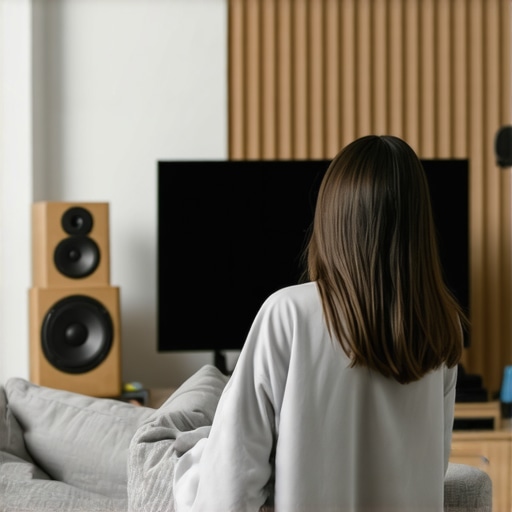 When it comes to building a superior home audio setup, many enthusiasts fall prey to misleading assumptions that hinder their progress. Commonly, people believe that simply purchasing high-end speakers or amplifiers guarantees stellar sound quality. However, without understanding the nuances of system synergy, placement, and acoustics, these investments may not pay off as expected. For instance, selecting expensive cables like gold-plated ones might seem advantageous, but studies suggest their impact on sound clarity is minimal compared to proper calibration and room treatment (more on cable myths here). This misconception can lead to unnecessary spending and frustration.
Are High-Wattage Amplifiers Overhyped for Small Rooms?
Many assume that higher wattage always translates to louder or better sound, but in reality, this can cause harm by overdriving sensitive speakers, leading to distortion or damage. Instead, focusing on matching amplifier power with your speaker ratings and room size yields more balanced results. Additionally, the true impact of equipment quality versus placement and room acoustics is often overlooked; strategic speaker positioning and room treatments offer more noticeable improvements than costly upgrades (see how room acoustics matter).
Beware of equating expensive gear with instant audiophile excellence. Many advanced listeners know that mastering the fundamentals—like precise calibration, avoiding common placement mistakes, and understanding the specific characteristics of your environment—are the real game changers. A prevalent trap is focusing solely on hardware specs while neglecting these subtle yet critical factors. Taking the time to learn and apply such knowledge ensures you get authentic sound improvements, rather than just chasing the next shiny gadget. Have you ever fallen into this trap? Let me know in the comments.
Tools I Trust for Sound System Maintenance
Maintaining your home audio setup isn’t just about troubleshooting issues when they arise—it’s about proactive care. I personally rely on a few key tools to ensure my equipment remains in top shape. First, a high-quality calibration microphone, such as the MiniDSP UMIK-1, provides precise measurement of room acoustics and speaker balance. I use it regularly to calibrate my speakers, ensuring optimal sound imaging and tonal balance, especially after rearranging furniture or room modifications. Additionally, a comprehensive cleaning kit—including soft brushes and electronics-safe cleaners—helps prevent dust accumulation that can degrade speaker cones and electronic contacts. For cable management and inspection, I swear by a digital multimeter like the Fluke 115; it quickly identifies broken or loose connections, saving me from random crackles or dropouts.
Software and Calibration Techniques for Longevity
Beyond physical tools, software plays a pivotal role. I frequently utilize Room EQ Wizard (REW) to analyze speaker response and room acoustics, guiding me in positioning and acoustic treatments. Running periodic tests helps detect subtle shifts in speaker performance or environmental interference. A tip I personally vouch for is setting a reminder to perform calibration checks every six months, especially if your environment changes—like adding new furniture or moving home.
Future Trends in Audio Maintenance and Scaling
Looking ahead, I predict an increase in smart, connected audio tools that automate calibration and diagnostics. Devices like automatic room analyzers will evolve to offer real-time adjustments, making maintenance hassle-free even for beginners. For audiophiles and casual listeners alike, investing in modular components—like swappable amplifiers or scalable speakers—will become more accessible, enabling gradual upgrades without replacing entire systems. Staying informed about these innovations ensures your setup remains future-proof and continues delivering exceptional sound quality.
How do I maintain my home audio system over time?
Implementing a routine that combines physical inspections, software calibration, and timely upgrades is essential. Regularly cleaning components, verifying connections with reliable tools, and recalibrating using sophisticated software like REW ensures consistent performance. Also, tracking environmental changes and adapting your room acoustics accordingly can preserve sound clarity. I recommend setting biannual maintenance sessions—think of it as tuning your musical instrument—so your setup keeps sounding as good as the day you installed it. For example, trying out advanced calibration techniques, such as employing pink noise and test tones, can make a tangible difference in your listening experience.
Secrets I Wish I Knew When Starting Out with Home Audio
One of the most eye-opening lessons I learned was that equipment specs alone don’t guarantee great sound; instead, proper calibration and room setup make all the difference. I wasted money on high-end gear before realizing that speaker placement and acoustics often trump hardware improvements. Also, I used to believe that more wattage equals louder, but I found that matching amplifier power with your room size and speakers yields cleaner, more satisfying volume.
Another personal revelation was that cables are less critical than proper system tuning. I used to chase after the fanciest, gold-plated interconnects, only to discover that upgraded room treatments and calibration had a bigger impact. Lastly, I underestimated the importance of a clean, interference-free power supply. Investing in a quality power strip considerably improved clarity and reduced noise, proving that investing in the basics can often outperform expensive upgrades.
My Essential Setup to Keep Audio Smelling Fresh
For anyone serious about their home audio, I recommend a MiniDSP UMIK-1 microphone for precise calibration, as it provides easy, professional-grade room measurements. Keeping your cables in check with a reliable multimeter helps prevent hidden connection issues. Running periodic software checks with tools like Room EQ Wizard (REW) ensures your system stays on point over time. These tools have become my go-to arsenal for maintaining that perfect sound vibe and catching small issues before they escalate.
Find Your Voice and Elevate Your Sound Experience
Don’t let the complexity or hype intimidate you from enjoying great audio. Start with the fundamentals—speaker placement, room acoustics, and calibration—and you’ll be surprised at how much better your sound becomes without breaking the bank. Embrace the journey of refining your setup, and remember that patience beats haste in the art of audio perfection. Your perfect listening environment is within reach—just keep experimenting and learning.