
I still remember the night I almost threw my favorite pair of floor-standing speakers out the window. I had just saved up for a massive, heavy-duty power amplifier, thinking it would solve all my sonic problems. I plugged my source directly into that power amp, cranked it up, and… it sounded awful. The music was incredibly loud, yes, but it was harsh, sterile, and completely devoid of life. I made a classic beginner rookie mistake by assuming raw power was the only thing that mattered for great sound. That frustrating evening led me to a massive lightbulb moment: a power amp is a muscle-bound beast, but it desperately needs a brain to guide it. That brain is a dedicated pre-amplifier.
Why Raw Power Needs a Touch of Finesse
When you feed a signal directly from a digital source into a power amplifier, you often miss out on the crucial impedance matching and delicate voltage control that keeps music sounding sweet and dynamic. If you have ever experienced why your receiver shuts off when you turn the volume up, you already know how tricky managing system gain and power can be. A dedicated pre-amp acts as the ultimate air traffic controller for your audio signals. It gently coaxes the tiny, fragile electrical currents from your turntable or DAC, conditions them, and presents them to your power amp in a language it can actually understand. Without this step, your system is just shouting at you instead of singing to you.
Is a dedicated pre-amp actually worth the extra shelf space?
You might be highly skeptical about adding yet another box to your stereo rack, especially if you are already trying to figure out the difference between gain and volume on your amplifier to keep your setup simple. Many modern audiophiles wonder if a pre-amp is just an outdated relic from the analog era designed to drain your wallet. However, the magic of a pre-amp lies in its active line stage, which preserves the micro-dynamics and soundstage depth of your music even when you listen at lower volumes. According to a landmark study on audio signal transmission by the Audio Engineering Society, impedance mismatches between mismatched components are the primary cause of high-frequency roll-off and flat, lifeless dynamics in consumer playback systems. Have you ever hooked up a high-end power amp only to find yourself disappointed by a flat, uninspiring soundstage?
How to Integrate a Dedicated Pre-Amplifier Into Your System
Getting a pre-amp to play nicely with your power amplifier is not just about plugging in random cables and hoping for the best. When I first tried configuring this, I made a chaotic mess of my cable management and ended up with a massive ground loop buzz that vibrated my floorboards. It took a systematic approach to turn that chaotic noise into pristine audio. You need to treat the signal path like a clean, flowing river where any obstruction creates turbulence and unwanted noise.
The Correct Connection Sequence
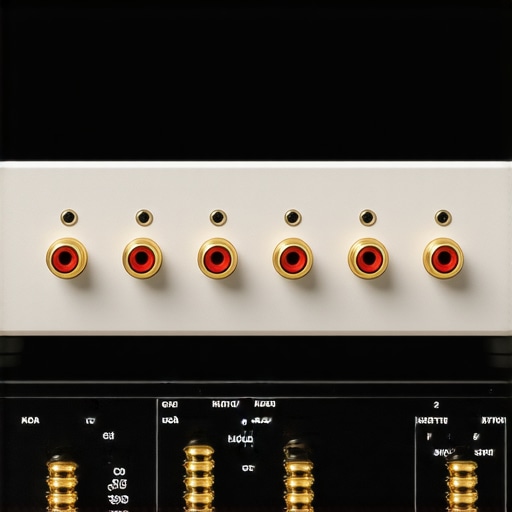
Your audio source, whether it is a high-end DAC, a network streamer, or a turntable, must feed its delicate signal into the line-level inputs of the pre-amplifier first. If you are using a turntable without a built-in phono stage, you must know why you should use a phono preamp instead of the built-in one to raise that tiny signal to line level before it even touches your main pre-amp. From the pre-amp’s outputs, run high-quality shielded RCA or balanced XLR cables directly into the inputs of your power amplifier. Keep these cables as short as possible to prevent signal degradation.
Dreaded Ground Loops and How to Stop Them
One of the most frustrating parts of introducing another powered component into your audio rack is the sudden appearance of a low-frequency hum. This hum is almost always caused by a ground loop, which happens when your components are plugged into different wall outlets and create a loop of electrical resistance. To combat this, plug your pre-amp and power amp into the same high-quality power distributor. Learning how to avoid ground loops in your home studio setup is absolutely essential if you want a dead-silent background where your music can truly breathe. Also, remember that you should never use a power strip for your high-end amplifier because it can choke the dynamic current delivery your amp needs during heavy bass passages.
Set Your Gain Stages Safely
The final step in this process is balancing the master volume on your pre-amp with any input gains on your power amp. If your power amplifier has input level controls, turn them all the way down before powering on the system. Turn on your pre-amplifier first, let it stabilize, and then turn on your power amplifier. Slowly increase the gain on your power amp to a point where your pre-amp’s volume control operates comfortably between the 10 o’clock and 2 o’clock positions for normal listening. This sweet spot ensures you maintain a high signal-to-noise ratio without running into clipping or early distortion.
A common, yet incredibly misguided myth in the audiophile community is that a pre-amp’s sole job is to acts as a passive volume control. Many enthusiasts believe that if they have a digital source with a built-in digital volume slider, they can bypass the pre-amp entirely and achieve a cleaner, shorter signal path. In my early days, I bought into this hook, line, and sinker. I plugged my high-res DAC directly into my massive power amplifier, adjusted the volume slider on my laptop, and expected audio nirvana. Instead, I got a flat, thin, and brittle soundstage. What I did not realize then is that digital attenuation actually destroys resolution by discarding bits of audio data at lower volumes, meaning you are literally throwing away musical detail before the sound even reaches your speakers.
Why does the preamp active line stage dramatically outperform passive digital volume controls?
An active preamplifier does not just lower the volume; it manages the electrical impedance relationship between your source and your power amplifier. According to research by the Audio Engineering Society, maintaining low output impedance from your pre-amp relative to the input impedance of your power amp is absolutely vital for preserving fast transient response and robust bass extension. When you use cheap passive attenuation, that electrical relationship degrades, resulting in a lifeless, dynamically choked presentation. It is why many audiophiles find that why your floor speakers sound better when you take the grilles off is only half the battle; if the signal arriving at those drivers is already stripped of its life, no amount of grille removal will bring back the magic.
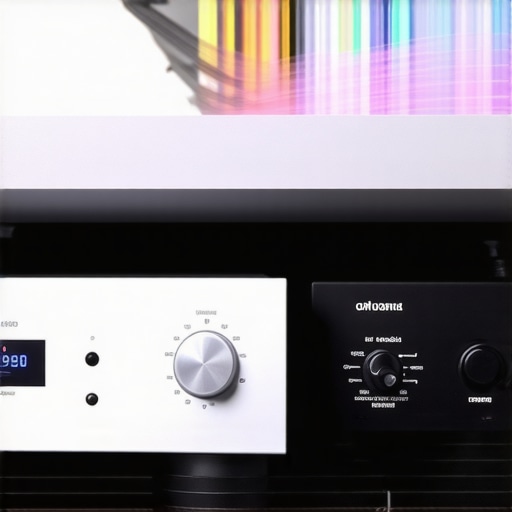
The ultimate trap to avoid when building out your pre-amp and power amp chain is overlooking clean power delivery and component isolation. A high-gain pre-amp is incredibly sensitive to external electrical noise. If you stack your pre-amplifier directly on top of your power amplifier, the massive electromagnetic field generated by the power amp’s heavy toroidal transformer will leak straight into your pre-amp’s delicate input stages. This oversight results in a constant background hiss that ruins quiet acoustic passages. Have you ever fallen into this trap? Let me know in the comments below, and let’s discuss how you overcame the subtle challenges of gain staging and power isolation in your own home system.
Once you resolve the initial headaches of gain staging and ground loops, the work does not stop there. High-performance separate audio components require proactive maintenance to preserve their delicate internal relationships. Over the years, I have seen too many audiophiles build a legendary setup only to let it degrade slowly due to neglected maintenance. Dust, thermal stress, and oxidation are silent killers that gradually rob your system of its dynamics, leaving you wondering why your system suddenly sounds flat and uninspiring.
How do I maintain my separate pre-amp and power amp over time?
Maintaining high-end audio separates is less about daily chores and more about systematic, periodic health checks. The first crucial step is addressing physical oxidation on your connectors. Every six months, I completely power down my system and unplug every RCA and XLR cable. I use a bottle of DeoxIT D5 contact cleaner to treat every input and output jack. This prevents microscopic corrosion from building up, which is the simple fix for speakers that sound muffled or distorted over time due to high contact resistance. Furthermore, you must keep an eye on thermal performance. High-bias Class A or Class AB power amps generate massive amounts of heat. Ensuring you know how to tell if your amp is running too hot will prevent early component failure. If your amplifier lacks ventilation, its internal electrolytic capacitors will dry out decades ahead of schedule, requiring a costly trip to a technician to identify how to tell if your amp’s capacitors are failing before they catastrophically leak.
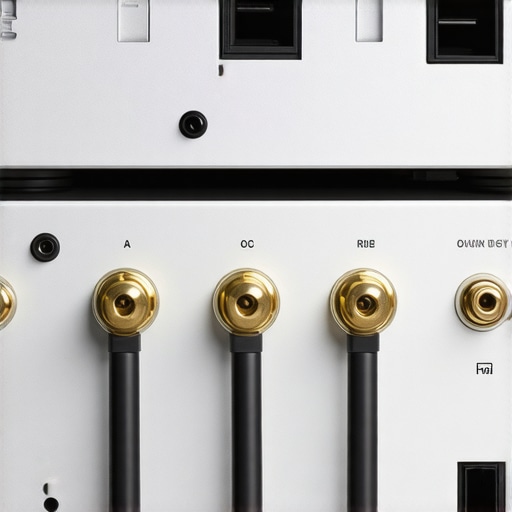
Another overlooked aspect of long-term system care is cleaning your controls. If you start hearing a scratchy sound through your speakers when adjusting the volume, do not panic. It is usually just dust inside the analog potentiometer. Knowing how to clean a sticky volume knob on a vintage amp using quick-evaporating contact cleaner will restore that buttery-smooth, noise-free operation without damaging the delicate resistive tracks. Looking forward, the future of pre-amplification is leaning heavily toward hybrid analog-digital designs. According to technical documentation from ESS Technology, modern high-end DACs are integrating ultra-precise 32-bit digital volume controls that use complex dither algorithms to prevent bit-reduction resolution loss. While these advanced digital stages are closing the performance gap, a dedicated, discrete analog line stage remains the gold standard for impedance matching and natural-sounding dynamics. My ultimate advice to you today is to perform a full system teardown this weekend: unplug your cables, clean those contacts with DeoxIT, space your pre-amp away from your power amp’s transformer, and experience how a dead-silent noise floor completely rejuvenates your favorite albums.
Once you have balanced your gain stages and isolated your components, you are ready to experience the true potential of your high-fidelity audio system.
3 Myths About Amplifiers That Kept My System Sounding Flat
When I first started building my audio stack, I fell victim to several common misconceptions that are regularly repeated in online forums. Breaking these myths completely changed my approach to high-fidelity sound.
- The Passive Volume Myth: Thinking a digital volume slider from your laptop or streamer is just as clean as an active pre-amplifier line stage is a massive mistake. Digital attenuation often degrades overall dynamic range and resolution.
- The “One Brand Only” Myth: I used to believe that your pre-amp and power amp had to come from the same manufacturer to sound coherent. In reality, mixing and matching brands can help you find the perfect sonic synergy for your speakers.
- The Cable Magic Myth: While high-quality shielded cables are essential for preventing noise, spending thousands on exotic cables before you even fix basic impedance mismatches is like putting racing tires on a broken-down car. Focus on component matching first.
My Essential Toolkit for Mastering High-Fidelity Audio
If you want to keep your high-end separates running beautifully for decades, you need the right maintenance tools and educational resources. These are the specific items I rely on every single year to keep my system dead-silent and dynamic:
- DeoxIT D5 Contact Cleaner: This is my absolute go-to product for cleaning oxidation off old RCA connectors. It is often the simple fix for speakers that sound muffled over time due to high contact resistance.
- A High-Quality Power Conditioner: To protect your sensitive pre-amp stages from electromagnetic interference and noisy mains electricity, always research why your active speakers need a dedicated power conditioner or surge protector.
- AES Technical Papers: For those who want to dive deep into the math behind electrical matching, the Audio Engineering Society journal is the absolute gold standard of objective, science-based audio truth.
The Future of Your Listening Room is in Your Hands
Building a high-performance audio system is a deeply rewarding, ongoing journey of discovery. Taking the time to properly configure a dedicated pre-amplifier and power amplifier combination will reveal subtle layers in your favorite music that you have literally never heard before. Do not let minor issues like hums or gain-staging hurdles discourage you. With a methodical approach to setup and maintenance, you can create an immersive, lifelike soundstage right in your living room.
Have you ever struggled with getting a stubborn ground loop hum out of your home stereo setup? Let me know in the comments below, and let’s troubleshoot your system together!