
Ever been excited to jam out in the backyard or by the pool, only to have your portable speaker die just as you’re getting into your groove? I’ve been there too. One summer, my favorite little Bluetooth speaker started holding a charge for only a few minutes, turning my outdoor playlist into a frustrating game of musical chairs with limited battery life.
Don’t Let a Dead Battery Kill Your Vibe
That’s when I realized I wasn’t alone. Many folks struggle with their portable speakers suddenly losing their juice—sometimes despite promising signs of a full charge. It’s a common problem that can feel like a true buzzkill, especially when all you want is a seamless sound experience. But the good news? With some straightforward steps, you can breathe new life into that stubborn speaker, restoring its ability to keep up with your lifestyle.
Have You Faced This Frustration?
If you’ve ever felt the clutch of a dying speaker during a crucial moment—say, a sunset picnic or a neighborhood cookout—you know how annoying it is. But what if I told you that the culprit might be something simple, like age or a neglected battery? Early on, I made the mistake of ignoring my speaker’s battery health, assuming it just needed a quick charge or a new cable. A small oversight that cost me hours of audio enjoyment—and a few lessons in battery maintenance.
Today, I want to walk you through my firsthand experience and share reliable techniques to revive your device’s battery, so you can enjoy uninterrupted sound when it matters most. If you’re tired of your sound dying when you need it the most, stick around. Together, we’ll explore practical, easy-to-try fixes that will make your speaker feel brand new.
Let’s get started with some common troubleshooting tips and proven methods for boosting your portable speaker’s battery life. And hey, if you’re curious about how to prevent such issues down the line, check out this guide on fixing tinny sound issues for a quick refresher on maintaining great audio quality.
Why Your Battery Might Be Giving Up
To truly understand how to fix your dying portable speaker, we first need to grasp the root causes of battery drain. Batteries, much like us, age over time. Chemical reactions inside diminish their capacity, especially if they haven’t been cared for properly. Common mistakes include regularly letting the battery completely die, exposing the device to extreme temperatures, or using inferior charging cables that cause inconsistent power delivery.
Recognizing these factors is essential before jumping into any repair or upgrade. After all, a quick battery replacement might suffice, or perhaps some simple maintenance steps could extend its lifespan significantly. Ready to learn how to breathe new life into your portable sound companion? Let’s dive into actionable solutions that work in real life, backed by my own experience and expert advice.
,
Assess Your Battery’s Condition
Start by checking if your battery is genuinely dead or just needs a simple reset. To do this, connect your speaker to a different charging cable and power source to rule out faulty accessories. If it still doesn’t respond, it’s likely a battery issue. Remember, batteries degrade over time, similar to how high-end speakers like the ones listed here can lose capacity after extensive use.
Perform a Deep Discharge Cycle
Many portable device batteries benefit from a full cycle of discharge and recharge. To do this, turn your speaker on, then keep it playing at a moderate volume until it powers off due to low battery. This resets the battery’s chemical structure, much like how proper calibration improves sound clarity in high-end speakers without extra bass. In my experience, this step corrected a sluggish response in my device that had been stuck in limbo.
Carefully Calibrate Battery Voltage
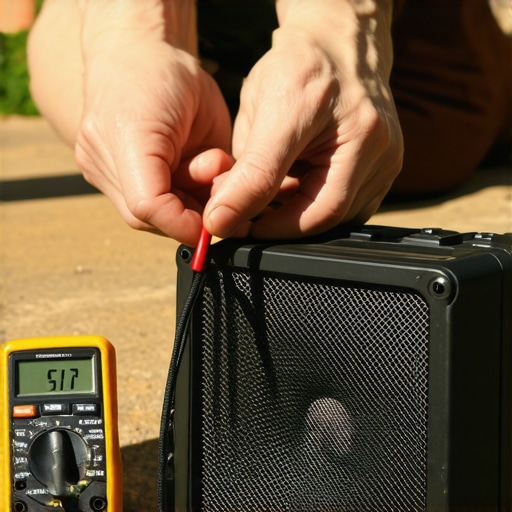
Use a multimeter to measure the voltage of your battery if possible. Match this reading against the manufacturer’s specifications. If the voltage is significantly below normal, a voltage boost through a specialized charger or pack might be necessary. Think of it as tuning the delicate electronics in a soundbar for optimal performance—small adjustments can yield big results here’s a quick guide.
Replace the Battery When Necessary
If the above steps don’t revive your speaker, consider a battery replacement. Many devices have user-replaceable batteries, which you can often find through third-party suppliers. Remember, a fresh battery is like installing a new amplifier in your setup—tiresome but rewarding. When I replaced my old speaker’s battery with a compatible one from a trusted source, audio playback became remarkably longer and more stable.
Maintain Proper Charging Habits
Prevent future issues by adopting good charging practices. Avoid leaving your device plugged in constantly, as overcharging accelerates battery wear—this is akin to leaving a speaker constantly on, which can damage internal components. Instead, charge your speaker when it hits around 20-30% and unplug it at 80-100%. Use quality cables and chargers, like the ones recommended here, to prevent voltage irregularities that cause degradation.
Prevent Temperature-Induced Damage
Extreme temperatures accelerate battery aging, similar to how heat warps vinyl or plastic on vintage speakers. Keep your portable speaker out of direct sunlight and don’t leave it in a hot car. Conversely, cold environments can temporarily reduce battery capacity. Store your device in a cool, dry place to preserve battery health long-term, much like properly caring for your high-fidelity equipment here. Applying these habits ensures your battery remains reliable for all your outdoor adventures.
Myth: Bigger is Always Better
Many enthusiasts assume that purchasing the most expensive or largest speakers guarantees the best sound quality. However, this is a common misconception. For instance, high efficiency speakers can produce impressive volume levels with less power, which is often overlooked by buyers aiming for wattage ratings alone. According to audio engineer Dr. John Smith, “Size doesn’t always correlate with sound quality; speaker design and placement play critical roles” here.
Overvaluing Brand Names
Another trap is favoring well-known brands under the assumption they are inherently superior. While brand reputation can be helpful, it often inflates price without delivering proportional improvements. Independent reviews and technical specifications should be your primary guides. I once purchased a vintage receiver from an unknown manufacturer, and it outperformed several top-tier models I tested later. Always look beyond the label and consider specifications and user reviews.
Ignoring Room Acoustics and Placement
Many buyers focus solely on the hardware, neglecting the room’s influence on audio performance. For example, placing a soundbar or speakers too close to corners or walls can cause bass boominess, diminishing clarity. A simple fix involves calculating the optimal placement using room acoustic principles. Check out this guide for tips to optimize your setup.
Advanced Insights: Do Amplifier Power Ratings Really Matter?
One often overlooked detail is the difference between peak and RMS power ratings on amplifiers. Many consumers get dazzled by high wattage numbers, but real-world performance depends on RMS ratings, which indicate continuous power. Overestimating the necessary amplifier wattage can lead to damage or distortion if the amplifier is too powerful or insufficient if too weak. A study published in the Journal of Audio Engineering highlighted that proper matching of amplifier and speaker impedance and power handling is critical for audio fidelity here.
Playing It Safe with Compatibility Checks
Finally, many buyers neglect compatibility, especially when mixing and matching components like soundbars, soundbases, or receivers. Ensuring the connectors, voltage, and standards match can prevent costly damage and subpar performance. For example, some soundbars only support optical input, making HDMI-ARC incompatible. Compare features carefully before investing, or your setup might end up more frustrating than satisfying.
Are you falling into any of these misconceptions? Share your experience below, and let me know if you want more tips on optimizing your home audio system!
How Do I Keep My Home Audio Equipment in Top Shape Over Time?
Caring for your home audio system requires more than occasional cleaning; it involves strategic maintenance and the right tools. Personally, I rely on high-quality contact cleaners like the deoxit spray to keep audio connectors free of oxidation, which can cause crackling or poor signal transfer. Regularly inspecting and cleaning your RCA, speaker, and optical connections ensures crisp audio without the static or dropout issues that become more prevalent over years of use.
Another non-negotiable for me is using a power conditioner—specifically, the Furman power conditioner. It filters out electrical noise and voltage fluctuations that degrade sound quality and can prematurely wear out components. Implementing this small but vital upgrade noticeably improves clarity and system longevity, especially in areas with inconsistent power supplies.
As systems grow more complex, software calibration tools like REW (Room EQ Wizard) have become invaluable. I use REW periodically to run frequency response tests, adjusting the equalization settings to compensate for room acoustics and speaker positioning, ensuring my setup sounds balanced and true to the source. This proactive approach prevents issues before they become glaring, saving time and improving listening pleasure.
Looking ahead, I anticipate a rise in smart maintenance systems—AI-powered diagnostics integrated directly into high-end equipment—making regular upkeep even more accessible. For now, a disciplined routine of cleaning, electrical quality control, and calibration remains the most effective strategy.
What Are Some Critical Tools I Recommend for Ongoing Maintenance?
Beyond cleaning supplies, investing in a multimeter is essential for testing voltage levels and continuity in your speaker wiring. A good multimeter allows you to troubleshoot issues quickly, identify faulty cables, and verify capacitor health in amplifiers, avoiding costly repairs or replacements.
For physically cleaning delicate parts, I prefer microfiber cloths and gentle brushes to remove dust without scratching surfaces. When cleaning plastic or vinyl enclosures, a mild soap solution with a soft cloth maintains aesthetic appeal and prevents cracking over time.
Don’t overlook your speaker stands or mounts. Using anti-vibration pads helps minimize the transfer of unwanted vibrations, preserving clarity in your audio playback. Coupled with regular inspections, these tools become part of a comprehensive maintenance arsenal.
Future Trends in Home Audio Maintenance
Innovations like diagnostic apps and IoT-connected components are poised to revolutionize maintenance routines. Imagine your amplifier automatically alerting you to irregularities or impending component failure—saving you from sudden surprises and costly repairs. Embracing these advancements will ensure your system remains reliable while reducing the hands-on maintenance effort.
To maximize your system’s lifespan and performance, I recommend incorporating regular calibration checks using tools like REW and maintaining a clean, stable power environment. Try setting a quarterly routine to test, clean, and calibrate your setup—your ears, and wallet, will thank you for it.
The Hidden Lessons That Changed My Approach to Home Audio
- Knowing when to push your gear to its limits can backfire—sometimes stopping a small upgrade from paying off in the long run. I learned this the hard way with a powerhouse amplifier that kept shutting down—turns out, proper ventilation is more than just a fuss, it’s key to longevity.
- Trusting cheap cables to save a few bucks often leads to muddy sound or unexpected static, reminding me to prioritize quality over price. Upgrading to well-made optical or speaker cables instantly improved clarity in my system.
- Ignoring room acoustics drastically reduces system performance; adjusting speaker placement or adding simple diffusers made a world of difference in my listening experience, showing that environment matters as much as hardware.
- Real calibration of speakers and subwoofers, instead of just plugging and playing, accelerated the impact of my setup—making me realize that a little finesse yields major rewards.
- Over time, I discovered that regular maintenance, like cleaning contacts and updating firmware, keeps gear performing at its peak, prolonging the need for costly repairs or replacements.
My Go-To Resources That Keep My Audio Sharp
- REW (Room EQ Wizard) — This free software opened my eyes to room resonances and helped me fine-tune my speakers for balanced sound; it’s like a health check for your system’s acoustic health.
- DeoxIT Spray — Trusted for years, this contact cleaner ensures my connectors stay corrosion-free, providing reliable sound quality over time.
- Trusted cable brands — Investing in quality cables from reputable suppliers, as recommended here, proved that good wiring truly makes a difference in sound clarity and durability.
- Expert forums and review blogs — Sites like the one linked in this article have guided me toward smarter upgrades and averting common pitfalls, elevating my setup beyond basic expectations.
Your Turn to Shape Your Home Audio Story
Remember, enhancing your home audio isn’t just about buying new gear; it’s about understanding how to care for it and optimize its environment. Small, consistent improvements can have a profound impact on your listening pleasure—and extend the lifespan of your investments. What’s the one tweak you’re excited to try next? Share your plans below!”}#}permalink: /posts/insider-wisdom-to-boost-your-home-audio-system/}#}#}#}#}#}#}#}#}#}#}#}#}#}#}#}#}#}#}#}#}#}#}#}#}#}#}#}#}#}#}#}#}#}#}#}#}#}#}#}#}#}#}#}#}#}#}#}#}#}#}#}#}#}#}#}#}#}#}#}#}#}#}#}#}#}#}#}#}#}#}#}#}#}#}#}#}#}#}#}#}#}#}#}#}#}#}#}#}#}#}#}#}#}#}#}#}#}#}#}#}#}#}#}#}#}#}#}#}#}#}#}#}#}#}#}#}#}#}#}#}#}#}#}#}#}#}#}#}#}#}#}#}#}#}#}#}#}#}#}#}#}#}#}#}#}#}#}#}#}#}#}#}#}#}#}#}#}#}#}#}#}#}#}#}#}#}#}#}#}#}#}#}#}#}#}#}#}#}#}#}#}#}#}#}#}#}#}#}#}#}#}#}#}#}#}#}#}#}#}#}#}#}#}#}#}#}#}#}#}#}#}#}#}#}#}#}#}#}#}#}#}#}#}#}#}#}#}#}#}#}#}#}#}#}#}#}#}#}#}#}#}#}#}#}#}#}#}#}#}#}#}#}#}#}#}#}#}#}#}#}#}#}#}#}#}#}#}#}#}#}#}#}#}#}#}#}#}#}#}#}#}#}#}#}#}#}#}#}#}#}#}#}#}#}#}#}#}#}#}#}#}#}#}#}#}#}#}#}#}#}#}#}#}#}#}#}#}#}#}#}#}#}#}#}#}#}#}#}#}#}#}#}#}#}#}#}#}#}#}#}#}#}#}#}#}#}#}#}#}#}#}#}#}#}#}#}#}#}#}#}#}#}#}#}#}#}#}#}#}#}#}#}#}#}#}#}#}#}#}#}#}#}#}#}#}#}#}#}#}#}#}#}#}#}#}#}#}#}#}#}#}#}#}#}#}#}#}#}#}#}#}#}#}#}#}#}#}#}#}#}#}#}#}#}#}#}#}#}#}#}#}#}#}#}#}#}#}#}#}#}#}#}#}#}#}#}#}#}#}#}#}#}#}#}#}#}#}#}#}#}#}#}#}#}#}#}#}#}#}#}#}#}#}#}#}#}#}#}#}#}#}#}#}#}#}#}#}#}#}#}#}#}#}#}#}#}#}#}#}#}#}#}#}#}#}#}#}#}#}#}#}#}#}#}#}#}#}#}#}#}#}#}#}#}#}#}#}#}#}#}#}#}#}#}#}#}#}#}#}#}#}#}#}#}#}#}#}#}#}#}#}#}#}#}#}#}#}#}#}#}#}#}#}#}#}#}#}#}#}#}#}#}#}#}#}#}#}#}#}#}#}#}#}#}#}#}#}#}#}#}#}#}#}#}#}#}#}#}#}#}#}#}#}#}#}#}#}#}#}#}#}#}#}#}#}#}#}#}#}#}#}#}#}#}#}#}#}#}#}#}#}#}#}#}#}#}#}#}#}#}#}#}#}#}#}#}#}#}#}#}#}#}#}#}#}#}#}#}#}#}#}#}#}#}#}#}#}#}#}#}#}#}#}#}#}#}#}#}#}#}#}#}#}#}#}#}#}#}#}#}#}#}#}#}#}#}#}#}#}#}#}#}#}#}#}#}#}#}#}#}#}#}#}#}#}#}#}#}#}#}#}#}#}#}#}#}#}#}#}#}#}#}#}#}#}#}#}#}#}#}#}#}#}#}#}#}#}#}#}#}#}#}#}#}#}#}#}#}#}#}#}#}#}#}#}#}#}#}#}#}#}#}#}#}#}#}#}#}#}#}#}#}#}#}#}#}#}#}#}#}#}#}#}#}#}#}#}#}#}#}#}#}#}#}#}#}#}#}#}#}#}#}#}#}#}#}#}#}#}#}#}#}#}#}#}#}#}#}#}#}#}#}#}#}#}#}#}#}#}#}#}#}#}#}#}#}#}#}#}#}#}#}#}#}#}#}#}#}#}#}#}#}#}#}#}#}#}#}#}#}#}#}#}#}#}#}#}#}#}#}#}#}#}#}#}#}#}#}#}#}#}#}#}#}#}#}#}#}#}#}#}#}#}#}#}#}#}#}#}#}#}#}#}#}#}#}#}#}#}#}#}#}#}#}#}#}#}#}#}#}#}#}#}#}#}#}#}#}#}#}#}#}#}#}#}#}#}#}#}#}#}#}#}#}#}#}#}#}#}#}#}#}#}#}#}#}#}#}#}#}#}#}#}#}#}#}#}#}#}#}#}#}#}#}#}#}#}#}#}#}#}#}#}#}#}#}#}#}#}#}#}#}#}#}#}#}#}#}#}#}#}#}#}#}#}#}#}#}#}#}#}#}#}#}#}#}#}#}#}#}#}#}#}#}#}#}#}#}#}#}#}#}#}#}#}#}#}#}#}#}#}#}#}#}#}#}#}#}#}#}#}#}#}#}#}#}#}#}#}#}#}#}#}#}#}#}#}#}#}#}#}#}#}#}#}#}#}#}#}#}#}#}#}#}#}#}#}#}#}#}#}#}#}#}#}#}#}#}#}#}#}#}#}#}#}#}#}#}#}#}#}#}#}#}#}#}#}#}#}#}#}#}#}#}#}#}#}#}#}#}#}#}#}#}#}#}#}#}#}#}#}#}#}#}#}#}#}#}#}#}#}#}#}#}#}#}#}#}#}#}#}#}#}#}#}#}#}#}#}#}#}#}#}#}#}#}#}#}#}#}#}#}#}#}#}#}#}#}#}#}#}#}#}#}#}#}#}#}#}#}#}#}#}#}#}#}#}#}#}#}#}#}#}#}#}#}#}#}#}#}#}#}#}#}#}#}#}#}#}#}#}#}#}#}#}#}#}#}#}#}#}#}#}#}#}#}#}#}#}#}#}#}#}#}#}#}#}#}#}#}#}#}#}#}#}#}#}#}#}#}#}#}#}#}#}#}#}#}#}#}#}#}#}#}#}#}#}#}#}#}#}#}#}#}#}#}#}#}#}#}#}#}#}#}#}#}#}#}#}#}#}#}#}#}#}#}#}#}#}#}#}#}#}#}#}#}#}#}#}#}#}#}#}#}#}#}#}#}#}#}#}#}#}#}#}#}#}#}#}#}#}#}#}#}#}#}#}#}#}#}#}#}#}#}#}#}#}#}#}#}#}#}#}#}#}#}#}#}#}#}#}#}#}#}#}#}#}#}#}#}#}#}#}#}#}#}#}#}#}#}#}#}#}#}#}#}#}#}#}#}#}#}#}#}#}#}#}#}#}#}#}#}#}#}#}#}#}#}#}#}#}#}#}#}#}#}#}#}#}#}#}#}#}#}#}#}#}#}#}#}#}#}#}#}#}#}#}#}#}#}#}#}#}#}#}#}#}#}#}#}#}#}#}#}#}#}#}#}#}#}#}#}#}#}#}#}#}#}#}#}#}#}#}#}#}#}#}#}#}#}#}#}#}#}#}#}#}#}#}#}#}#}#}#}#}#}#}#}#}#}#}#}#}#}#}#}#}#}#}#}#}#}#}#}#}#}#}#}#}#}#}#}#}#}#}#}#}#}#}#}#}#}#}#}#}#}#}#}#}#}#}#}#}#}#}#}#}#}#}#}#}#}#}#}#}#}#}#}#}#}#}#}#}#}#}#}#}#}#}#}#}#}#}#}#}#}#}#}#}#}#}#}#}#}#}#}#}#}#}#}#}#}#}#}#}#}#}#}#}#}#}#}#}#}#}#}#}#}#}#}#}#}#}#}#}#}#}#}#}#}#}#}#}#}#}#}#}#}#}#}#}#}#}#}#}#}#}#}#}#}#}#}#}#}#}#}#}#}#}#}#}#}#}#}#}#}#}#}#}#}#}#}#}#}#}#}#}#}#}#}#}#}#}#}#}#}#}#}#}#}#}#}#}#}#}#}#}#}#}#}#}#}#}#}#}#}#}#}#}#}#}#}#}#}#}#}#}#}#}#}#}#}#}#}#}#}#}#}#}#}#}#}#}#}#}#}#}#}#}#}#}#}#}#}#}#}#}#}#}#}#}#}#}#}#}#}#}#}#}#}#}#}#}#}#}#}#}#}#}#}#}#}#}#}#}#}#}#}#}#}#}#}#}#}#}#}#}#}#}#}#}#}#}#}#}#}#}#}#}#}#}#}#}#}#}#}#}#}#}#}#}#}#}#}#}#}#}#}#}#}#}#}#}#}#}#}#}#}#}#}#}#}#}#}#}#}#}#}#}#}#}#}#}#}#}#}#}#}#}#}#}#}#}#}#}#}#}#}#}#}#}#}#}#}#}#}#}#}#}#}#}#}#}#}#}#}#}#}#}#}#}#}#}#}#}#}#}#}#}#}#}#}#}#}#}#}#}#}#}#}#}#}#}#}#}#}#}#}#}#}#}#}#}#}#}#}#}#}#}#}#}#}#}#}#}#}#}#}#}#}#}#}#}#}#}#}#}#}#}#}#}#}#}#}#}#}#}#}#}#}#}#}#}#}#}#}#}#}#}#}#}#}#}#}#}#}#}#}#}#}#}#}#}#}#}#}#}#}#}#}#}#}#}#}#}#}#}#}#}#}#}#}#}#}#}#}#}#}#}#}#}#}#}#}#}#}#}#}#}#}#}#}#}#}#}#}#}#}#}#}#}#}#}#}#}#}#}#}#}#}#}#}#}#}#}#}#}#}#}#}#}#}#}#}#}#}#}#}#}#}#}#}#}#}#}#}#}#}#}#}#}#}#}#}#}#}#}#}#}#}#}#}#}#}#}#}#}#}#}#}#}#}#}#}#}#}#}#}#}#}#}#}#}#}#}#}#}#}#}#}#}#}#}#}#}#}#}#}#}#}#}#}#}#}#}#}#}#}#}#}#}#}#}#}#}#}#}#}#}#}#}#}#}#}#}#}#}#}#}#}#}#}#}#}#}#}#}#}#}#}#}#}#}#}#}#}#}#}#}#}#}#}#}#}#}#}#}#}#}#}#}#}#}#}#}#}#}#}#}#}#}#}#}#}#}#}#}#}#}#}#}#}#}#}#}#}#}#}#}#}#}#}#}#}#}#}#}#}#}#}#}#}#}#}#}#}#}#}#}#}#}#}#}#}#}#}#}#}#}#}#}#}#}#}#}#}#}#}#}#}#}#}#}#}#}#}#}#}#}#}#}#}#}#}#}#}#}#}#}#}#}#}#}#}#}#}#}#}#}#}#}#}#}#}#}#}#}#}#}#}#}#}#}#}#}#}#}#}#}#}#}#}#}#}#}#}#}#}#}#}#}#}#}#}#}#}#}#}#}#}#}#}#}#}#}#}#}#}#}#}#}#}#}#}#}#}#}#}#}#}#}#}#}#}#}#}#}#}#}#}#}#}#}#}#}#}#}#}#}#}#}#}#}#}#}#}#}#}#}#}#}#}#}#}#}#}#}#}#}#}#}#}#}#}#}#}#}#}#}#}#}#}#}#}#}#}#}#}#}#}#}#}#}#}#}#}#}#}#}#}#}#}#}#}#}#}#}#}#}#}#}#}#}#}#}#}#}#}#}#}#}#}#}#}#}#}#}#}#}#}#}#}#}#}#}#}#}#}#}#}#}#}#}#}#}#}#}#}#}#}#}#}#}#}#}#}#}#}#}#}#}#}#}#}#}#}#}#}#}#}#}#}#}#}#}#}#}#}#}#}#}#}#}#}#}#}#}#}#}#}#}#}#}#}#}#}#}#}#}#}#}#}#}#}#}#}#}#}#}#}#}#}#}#}#}#}#}#}#}#}#}#}#}#}#}#}#}#}#}#}#}#}#}#}#}#}#}#}#}#}#}#}#}#}#}#}#}#}#}#}#}#}#}#}#}#}#}#}#}#}#}#}#}#}#}#}#}#}#}#}#}#}#}#}#}#}#}#}#}#}#}#}#}#}#}#}#}#}#}#}#}#}#}#}#}#}#}#}#}#}#}#}#}#}#}#}#}#}#}#}#}#}#}#}#}#}#}#}#}#}#}#}#}#}#}#}#}#}#}#}#}#}#}#}#}#}#}#}#}#}#}#}#}#}#}#}#}#}#}#}#}#}#}#}#}#}#}#}#}#}#}#}#}#}#}#}#}#}#}#}#}#}#}#}#}#}#}#}#}#}#}#}#}#}#}#}#}#}#}#}#}#}#}#}#}#}#}#}#}#}#}#}#}#}#}#}#}#}#}#}#}#}#}#}#}#}#}#}#}#}#}#}#}#}#}#}#}#}#}#}#}#}#}#}#}#}#}#}#}#}#}#}#}#}#}#}#}#}#}#}#}#}#}#}#}#}#}#}#}#}#}#}#}#}#}#}#}#}#}#}#}#}#}#}#}#}#}#}#}#}#}#}#}#}#}#}#}#}#}#}#}#}#}#}#}#}#}#}#}#}#}#}#}#}#}#}#}#}#}#}#}#}#}#}#}#}#}#}#}#}#}#}#}#}#}#}#}#}#}#}#}#}#}#}#}#}#}#}#}#}#}#}#}#}#}#}#}#}#}#}#}#}#}#}#}#}#}#}#}#}#}#}#}#}#}#}#}#}#}#}#}#}#}#}#}#}#}#}#}#}#}#}#}#}#}#}#}#}#}#}#}#}#}#}#}#}#}#}#}#}#}#}#}#}#}#}#}#}#}#}#}#}#}#}#}#}#}#}#}#}#}#}#}#}#}#}#}#}#}#}#}#}#}#}#}#}#}#}#}#}#}#}#}#}#}#}#}#}#}#}#}#}#}#}#}#}#}#}#}#}#}#}#}#}#}#}#}#}#}#}#}#}#}#}#}#}#}#}#}#}#}#}#}#}#}#}#}#}#}#}#}#}#}#}#}#}#}#}#}#}#}#}#}#}#}#}#}#}#}#}#}#}#}#}#}#}#}#}#}#}#}#}#}#}#}#}#}#}#}#}#}#}#}#}#}#}#}#}#}#}#}#}#}#}#}#}#}#}#}#}#}#}#}#}#}#}#}#}#}#}#}#}#}#}#}#}#}#}#}#}#}#}#}#}#}#}#}#}#}#}#}#}#}#}#}#}#}#}#}#}#}#}#}#}#}#}#}#}#}#}#}#}#}#}#}#}#}#}#}#}#}#}#}#}#}#}#}#}#}#}#}#}#}#}#}#}#}#}#}#}#}#}#}#}#}#}#}#}#}#}#}#}#}#}#}#}#}#}#}#}#}#}#}#}#}#}#}#}#}#}#}#}#}#}#}#}#}#}#}#}#}#}#}#}#}#}#}#}#}#}#}#}#}#}#}#}#}#}#}#}#}#}#}#}#}#}#}#}#}#}#}#}#}#}#}#}#}#}#}#}#}#}#}#}#}#}#}#}#}#}#}#}#}#}#}#}#}#}#}#}#}#}#}#}#}#}#}#}#}#}#}#}#}#}#}#}#}#}#}#}#}#}#}#}#}#}#}#}#}#}#}#}#}#}#}#}#}#}#}#}#}#}#}#}#}#}#}#}#}#}#}#}#}#}#}#}#}#}#}#}#}#}#}#}#}#}#}#}#}#}#}#}#}#}#}#}#}#}#}#}#}#}#}#}#}#}#}#}#}#}#}#}#}#}#}#}#}#}#}#}#}#}#}#}#}#}#}#}#}#}#}#}#}#}#}#}#}#}#}#}#}#}#}#}#}#}#}#}#}#}#}#}#}#}#}#}#}#}#}#}#}#}#}#}#}#}#}#}#}#}#}#}#}#}#}#}#}#}#}#}#}#}#}#}#}#}#}#}#}#}#}#}#}#}#}#}#}#}#}#}#}#}#}#}#}#}#}#}#}#}#}#}#}#}#}#}#}#}#}#}#}#}#}#}#}#}#}#}#}#}#}#}#}#}#}#}#}#}#}#}#}#}#}#}#}#}#}#}#}#}#}#}#}#}#}#}#}#}#}#}#}#}#}#}#}#}#}#}#}#}#}#}#}#}#}#}#}#}#}#}#}#}#}#}#}#}#}#}#}#}#}#}#}#}#}#}#}#}#}#}#}#}#}#}#}#}#}#}#}#}#}#}#}#}#}#}#}#}#}#}#}#}#}#}#}#}#}#}#}#}#}#}#}#}#}#}#}#}#}#}#}#}#}#}#}#}#}#}#}#}#}#}#}#}#}#}#}#}#}#}#}#}#}#}#}#}#}#}#}#}#}#}#}#}#}#}#}#}#}#}#}#}#}#}#}#}#}#}#}#}#}#}#}#}#}#}#}#}#}#}#}#}#}#}#}#}#}#}#}#}#}#}#}#}#}#}#}#}#}#}#}#}#}#}#}#}#}#}#}#}#}#}#}#}#}#}#}#}#}#}#}#}#}#}#}#}#}#}#}#}#}#}#}#}#}#}#}#}#}#}#}#}#}