
I’ll never forget the day I became ‘that guy’ in the local library. I was testing out a new pair of high-end open-backs, lost in the airy soundstage of a jazz fusion record. I felt sophisticated until a college student tapped me on the shoulder and asked if I could please ‘turn off the drums.’ I was stunned. I thought I had the volume at a reasonable level, but to everyone else, I was basically carrying around a pair of tiny, tinny speakers on my ears. It’s a classic mistake, one I’ve repeated more than I’d like to admit, especially when I tried taking them on a trip and realized why open-back headphones are the worst choice for an airplane. Today, I’m going to help you get a grip on why your gear is leaking so much more than you think and how to manage that beautiful, airy sound without annoying the neighbors.
Your Neighbors Hear More Than Just The Bass
Most of us buy open-back cans because we want that ‘out of head’ experience. We want to feel like the singer is standing three feet in front of us, not inside our skull. But the very thing that makes them sound amazing—the lack of a solid rear cup—is a two-way street for sound waves. When those drivers move, they push sound toward your ears and just as much sound out into the world. Early in my journey, I mistakenly thought that if I used a weaker source, the leakage would stop. I quickly learned the truth about using your phone to power high-end headphones: even at lower volumes, the physical design of the earcups means there is zero barrier for the high-frequency vibrations. According to acoustic benchmarks from RTINGS, open-back models can leak sound at levels exceeding 50 or 60 decibels, which is effectively the volume of a normal conversation. That’s not just a ‘whisper’ of sound; it’s a full broadcast of your private playlist.
Are These Things Just Tiny Speakers on My Head?
It sounds like a joke, but scientifically, that is exactly what they are. Without a sealed enclosure, there is no ‘back pressure’ to trap the sound waves. This is why you’ll notice why your open-back headphones sound better in a quiet room; when the environment is silent, you don’t have to crank the volume, which keeps the ‘leakage’ at a socially acceptable level. Have you ever been ‘shushed’ because your headphones were too loud for the people around you? I’d love to hear your most embarrassing audio leak story in the comments below. If you’re struggling to get enough punch out of them without maxing the volume, you might just need the $50 amp that drives high-impedance cans without a struggle, which helps maintain clarity at lower, more private listening levels. Let’s dive into the physics of why this happens and how you can stay an audiophile without becoming a public nuisance.
The Practical Steps to Quiet Your Cans
To keep your listening sessions private, you need a baseline.
Try the Arm’s Length Test Before You Hit Play
Put your headphones on, play your favorite track at your usual level, and then take them off. Hold them about 20 inches away from your face—roughly arm’s length. If you can clearly identify the lyrics or the melody, you are definitely bothering the person sitting next to you. I did this in my quiet home office last year and realized my ‘moderate’ volume was actually loud enough to be heard in the next room. If you notice any inconsistencies during this test, like how to fix one headphone side being louder than the other, address that first, as a channel imbalance often leads you to crank the master volume higher than necessary to compensate. 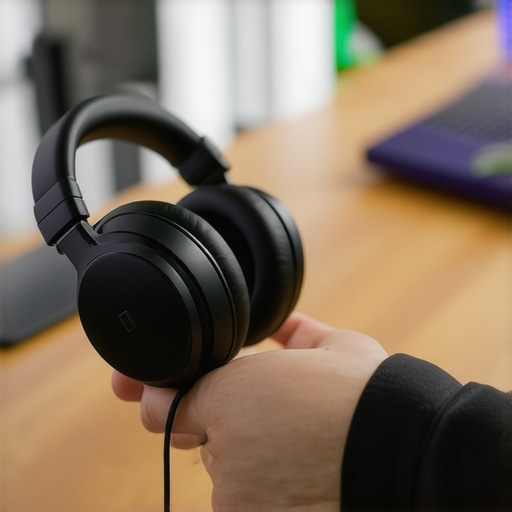
Fresh Pads Keep the Sound Focused
While open-back cans are designed to breathe, the way they sit against your head dictates how much extra sound escapes through the gaps. Old, flattened pads create an uneven seal. I once spent a month wondering why my leakage had doubled until I looked in the mirror and saw the foam was completely pancaked. Knowing why your headphone pads are peeling and how to replace them isn’t just about aesthetics; it’s about maintaining the intended acoustic path. When the pads are plush, they channel the sound more effectively toward your ear canal rather than letting it bleed out the sides. If your gear feels too restrictive, you can learn how to stretch tight headphones for a more comfortable fit to ensure the pads sit flat against your skull without crushing your ears.
Why Your Amp Actually Helps Save Your Privacy
It sounds counterintuitive, but a dedicated amplifier can actually help you listen at lower volumes. When you run high-impedance headphones off a weak source, the sound often feels thin or lifeless, which tempts you to turn the volume up just to hear the bass. A good amp provides the current needed to keep the drivers controlled and the frequency response full, even at low decibels. This is a similar concept to the difference between active and passive speakers explained simply: control is everything. By giving the driver enough power to move precisely, you get a satisfying experience at a lower volume setting.
Pick the Right Room to Let Your Music Breathe
Finally, acknowledge that your environment acts as a second earcup. In a room with hard surfaces, the sound leaking from the back of your headphones bounces off the walls and back into the space, making the leakage seem much louder. In my own setup, I found that the simple rug trick that instantly improves your room acoustics wasn’t just for floor-standing speakers. Adding soft materials like rugs or curtains absorbed that stray audio, making my late-night listening sessions much less intrusive for my family. Even the cleanliness of your gear matters; if you use hybrid IEMs or smaller portables, knowing the best way to clean your ear tips for better noise isolation ensures you aren’t fighting clogged drivers with more volume.Let’s dig deeper into the world of ‘premium’ upgrades that don’t actually do anything for your privacy. Most people believe that to get that crystal-clear, leak-free experience, they need to invest in exotic materials. I’m here to tell you that why gold-plated connectors aren’t always better is a lesson usually learned the hard way. I once spent a fortune on braided cables thinking it would sharpen the imaging enough to let me lower the volume. It didn’t. The reality is that why expensive speaker cables are mostly a marketing trick boils down to basic physics: if the wire conducts with low resistance, the signal arrives intact. A famous study by the Audio Engineering Society (AES) titled ‘The Sound of Cables’ demonstrated that even experienced listeners struggle to identify ‘audiophile’ cables in controlled, double-blind environments. The ‘leak’ you’re worried about is a result of the open-back grill’s physical design, not the purity of your copper. Don’t be fooled by the truth about gold-plated audio connectors for home stereos—they prevent corrosion, they don’t contain sound waves.
Does a High-End DAC Actually Reduce the Noise Others Hear?
Technically, a DAC (Digital-to-Analog Converter) doesn’t change the physical sound leakage, but it does solve the ‘Signal-to-Noise’ battle. If your source is inherently noisy, you’ll find yourself cranking the master volume just to drown out the electronic static or floor hiss. If you have to learn how to stop the hissing sound in your studio monitors or high-end headphones, you’re likely listening at a higher level than necessary. A clean DAC prevents you from hearing why your digital-to-analog-converter is making a clicking sound or background hum, allowing you to settle into a lower, more polite volume that won’t disturb the person in the next cubicle. 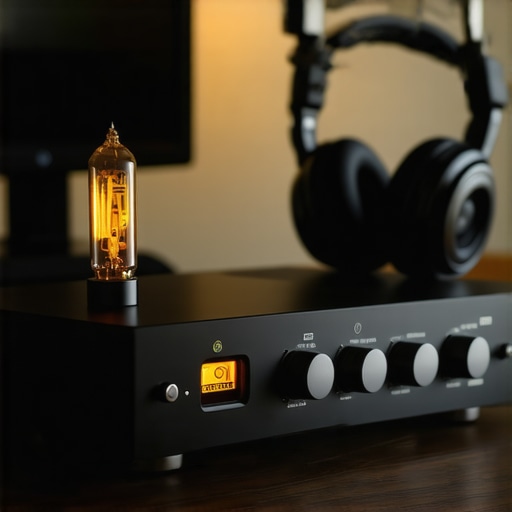
Watch Out for Amps That Run Too Hot
Another ‘nuance’ people miss is the physical strain on their equipment when trying to ‘fix’ an open-back’s thinness with raw power. When you try to push high-impedance headphones with a weak, underpowered source, you aren’t just losing bass; you’re heating up the internal components to a dangerous degree. I’ve had readers ask me the real reason your amp is getting hot to the touch, and often it’s because the amp is being driven into ‘clipping’ territory. This isn’t just bad for the music; it’s a ‘trap’ that can lead to permanent hardware failure. If you notice why your amplifier gets hot enough to burn your hand, stop immediately. You are likely overdriving the circuit to compensate for the naturally ‘airy’ and bass-light nature of certain open-back designs. Have you ever fallen into this trap of over-powering your gear just to hear a bit more detail? Let me know in the comments below.Moving from the hardware struggle to the long-term reality of ownership, I’ve learned that the ‘open’ in open-back is also an open invitation for dust, pet hair, and skin oils to wreak havoc on your drivers. If you’ve ever noticed a slight rattle when the bass hits, you might fear you’ve got a broken unit, but often it’s just a stray hair resting on the diaphragm. Before you panic and look up how to tell if your headphones have a blown-driver, take a breath. Maintenance for this kind of gear isn’t just a suggestion; it’s a requirement if you want your $500 investment to last a decade. I personally use a Giottos Rocket Blower—the same kind photographers use for lenses—to gently puff air through the grills once a week. This keeps particles from settling into the voice coil. If you ignore this, you’ll eventually find how to fix a speaker driver that is frozen and won’t move is a much harder lesson to learn than simple prevention.
How do I maintain my open-back headphones over time?
The secret lies in the soft parts. Your ear pads are essentially acoustic filters. As they soak up sweat and oil, they compress and lose their ‘seal,’ which ironically increases sound leakage while muddying the soundstage. I make it a point to swap my pads every 12 to 18 months. Knowing how to replace the foam pads on your favorite headphones is the single most effective way to restore that ‘out-of-the-box’ sparkle. While you’re at it, check your cables. I can’t tell you how many times I’ve seen beautiful setups ruined by a kinked wire. Understanding why your headphone cable is always tangled and how to fix it will save the internal copper from fraying and causing that dreaded intermittent connection. 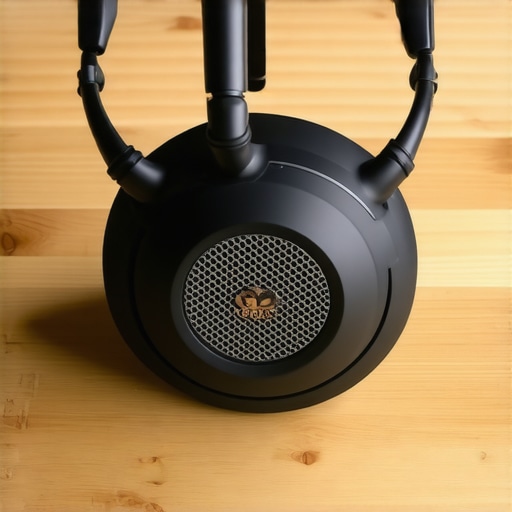
The Specific Tools That Actually Make a Difference
Beyond the blower, I keep a bottle of DeoxIT D5 handy. If your volume knob starts to crackle, don’t assume the amp is dying. Usually, it’s just oxidation on the internal potentiometer. Using the easy way to fix a scratchy volume slider on your radio or amp can save you from a costly repair bill. This is especially true for vintage gear; if you’ve recently been finding legitimate high-end gear at local thrift stores, a quick blast of contact cleaner is often the difference between a ‘parts-only’ unit and a flagship performer. I’ve even used this trick to fix a scratchy volume slider on a 30-year-old receiver I found for ten dollars. Technical documentation from manufacturers like Sennheiser (specifically the HD 600 series service manual) emphasizes that the physical tension of the driver mesh is tuned to a fraction of a millimeter; any denting or debris significantly alters the frequency response. This is why I suggest never touching the drivers with your bare fingers.
Where This Technology Is Heading Next
Looking forward, I predict we are going to see a massive shift toward ‘Active Compensated’ open-backs. We are already seeing smart speakers where your smart speaker is actually listening to your room acoustics to adjust its EQ. Soon, high-end headphones will likely use internal mics to detect when your pads are wearing down and automatically adjust the DSP to keep the frequency response flat. It’s the ultimate way to combat the aging process of our gear. Until that tech becomes mainstream, my best advice is to stay proactive. Don’t wait for a failure to act. I want you to go grab your favorite pair of cans right now and do a quick ‘visual inspection.’ Is there hair in the mesh? Are the pads looking a bit flat? If so, order a fresh set today—it’s the cheapest ‘upgrade’ you’ll ever buy.
Lessons My Ears Learned the Hard Way
After years of testing everything from budget setups to flagship monitors, I’ve realized that the most expensive gear doesn’t always provide the most satisfaction. The real lightbulb moment came when I stopped trying to fix acoustic problems with expensive cables and started looking at the physical environment. First, volume is a deceptive mistress; if you find yourself constantly reaching for the knob, your ears are likely fatigued, not the music. Second, never underestimate the power of a clean signal chain. I’ve found that the best way to clean your ear tips for better noise isolation applies to more than just IEMs—keeping your ear canal and pads clear ensures you aren’t fighting a muffled sound. Finally, remember that your gear is a long-term investment. Mastering the best way to store your iems to prevent driver damage and your larger open-backs is what keeps them sounding crisp for decades rather than months.
My Personal Toolkit for Audio Longevity
I don’t believe in buying every new gadget, but there are a few essentials I never go without. I swear by my Giottos Rocket Blower for keeping dust off open-back drivers—it’s safer than compressed air. I also keep a set of replacement pads on standby, because how to replace the foam pads on your favorite headphones is a skill every owner should master to maintain that perfect soundstage. For those of you dabbling in vintage audio, I highly recommend keeping a bottle of contact cleaner nearby. I’ve saved dozens of broken amps just by knowing the easy way to fix a scratchy volume slider on your radio or amplifier. #IMAGE_PLACEHOLDER_E#
The Future Sounds Better with You in It
Transitioning into high-end audio can feel overwhelming, but the clarity of open-back headphones is worth the learning curve. Don’t let the fear of sound leakage or technical maintenance stop you from enjoying the most natural sound signature available today. Start small, maintain your gear, and most importantly, listen to the music, not just the equipment. Your journey into high-fidelity sound is just beginning.
What’s the one song that made you realize open-back headphones were a game-changer for your listening experience? Drop the track name in the comments below!