
I stood there, staring at my pristine 1974 Marantz receiver, feeling like an absolute idiot. It was a local thrift store find that looked like a million bucks with its brushed aluminum and warm blue lights, but I was holding a modern iPhone in my hand—a device with no headphone jack, no RCA ports, and seemingly no way to talk to the heavy piece of history on my shelf. I tried one of those cheap, flimsy dongles I found in a junk drawer, and the sound was so thin and lifeless it was depressing. It’s a common heartbreak: having the soul of a vintage system but the ‘convenience’ of a modern phone that refuses to cooperate. We’re going to bridge that gap today without sacrificing the warm, analog character you bought that amp for in the first place.
Your Vintage Amp Isn’t Obsolete Just Because Apple Killed the Jack
The first thing I learned the hard way is that you can’t just shove any signal into a fifty-year-old circuit and expect magic. Early in my hobbyist days, I actually managed to fix that annoying crackling when you turn the volume knob, only to realize I was feeding the amp a signal so weak it sounded like a tin can. Modern phones have remarkably poor internal DACs (Digital-to-Analog Converters) compared to dedicated audio gear, which is why your expensive headphones sound thin on a basic smartphone. When you try to run that weak signal into a high-quality vintage amplifier, the amp just amplifies the flaws. The trick isn’t just finding a physical connection; it’s about matching the ‘language’ of your digital files to the analog heart of your receiver. I’ve spent way too much money on cables that claimed to be ‘high-fidelity’ but were just copper-clad aluminum junk. If you’ve ever felt like your modern tech is bullying your classic gear, you aren’t alone. Have you ever tried to connect a device only to be met with a hum so loud it drowned out the music?
Is This Much Effort Actually Worth the Hassle?
You might be wondering if it wouldn’t be easier to just buy a modern Bluetooth speaker and call it a day. It certainly would be easier, but you’d be missing out on the physical impact of a real power transformer. According to a study by the Audio Engineering Society, the dynamic range preserved in well-maintained vintage analog circuits can often provide a more ‘visceral’ listening experience than the compressed, DSP-heavy output of modern smart speakers. My goal is to show you the trick to making those vintage speakers sound modern again by using the right bridge. We aren’t just looking for a wire; we’re looking for a way to let your phone’s library breathe through the massive capacitors and heavy-duty wiring of your old-school amp. Let’s get into the specific hardware that actually works.
Stop Using the Headphone Dongle for Serious Listening
The biggest mistake I see people make is thinking the $9 white dongle from the Apple store is enough for a high-end vintage setup. Think of your digital music file like a concentrated syrup. To make it taste right (the sound you hear), it needs to be mixed with water (the conversion to analog). A cheap phone dongle is like mixing that syrup with tap water that tastes like chlorine. It works, but it’s gross. To get that deep, chocolatey sound out of a 1970s amp, you need a dedicated External Digital-to-Analog Converter (DAC). I remember the first time I plugged a proper DAC into my Marantz. Before that, I was using a cheap Bluetooth receiver I found in a bargain bin. The sound was so compressed I thought my speakers were blown. When I finally switched to a dedicated DAC using RCA cables, the soundstage opened up so wide I could practically point to where the drummer was sitting. If you want to go further, you can even add an optical input to your old home stereo using a DAC that supports Toslink, which bypasses the noisy electronics inside your phone or laptop entirely. 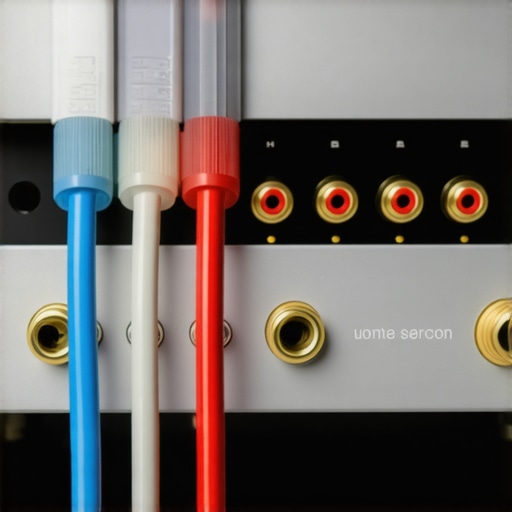
Pick a Cable That Won’t Choke the Signal
Once you have a clean signal coming out of your DAC, you need to get it into the amp. This is where people get obsessive about “audiophile” cables. You don’t need to spend hundreds of dollars, but you do need decent shielding. I’ve seen people lose half their volume because they used a cable long enough to wrap around their house twice. Keep it short. Also, don’t get distracted by marketing hype; is gold-plated hardware really worth the extra cash? Usually, it’s just for corrosion resistance, not some magical boost in clarity. Cheap cables with poor shielding often act like antennas, picking up interference from your Wi-Fi router and dumping it directly into your speakers.
How to Set Your Volume Without Blowing a Fuse
This is the pro move that most people miss: gain staging. Your phone has a volume slider, and your amp has a big physical knob. If you crank your phone to 100%, you’re likely sending a “clipped” or distorted signal into the amp. If you keep the phone at 10%, the amp has to work ten times harder to make it audible, which introduces that annoying background hiss. The sweet spot is usually around 80% volume on your digital device. This provides a strong enough signal for the amp to work with without hitting the ceiling of digital distortion. I learned this the hard way when I tried to show off my system to a friend. I had the phone at max, and when the bass hit, the receiver clicked into protect mode because the signal was too hot. Understanding the difference between peak and RMS power explained simply helps here, because you’ll realize that your amp is much happier pushing a steady, clean signal than trying to manage a distorted digital mess. Keep that digital volume stable and let the vintage iron do the heavy lifting.It’s easy to get lost in the numbers—24-bit, 192kHz, MQA—but here’s a hard truth most audiophile forums won’t tell you: high-resolution audio is often a placebo if your electrical floor is noisy. I’ve seen enthusiasts spend thousands on streamers only to plug them into the same power strip as a cheap LED lamp and a microwave. This creates high-frequency switching noise that bleeds into your signal, masking the very detail you paid for. You don’t need magic cables; you need electrical isolation. I once spent weeks trying to figure out how to stop the hissing sound in your studio monitors before realizing it was just my laptop’s power brick screaming through the ground wire. This is why is gold-plated hardware really worth the extra cash? Only if you’re fighting corrosion in a humid environment; it won’t save you from a bad ground loop or a dirty power supply.
Does Your Room Layout Kill the Bass Before It Hits Your Ears?
Even the most expensive vintage JBLs or Klipsch speakers will sound thin and boxy if they are fighting the physics of your room. Dr. Floyd Toole, a legend in the Audio Engineering Society (AES), has proven through decades of research that the room’s ‘boundary effects’ contribute more to the final sound than almost any other variable in the signal chain. If you stop placing your speakers directly on the floor for better bass, you’re actually managing a phenomenon called ‘boundary gain’ that creates muddy, boomy frequencies. This is a classic ‘oops’ factor: we think ‘more bass is better,’ but in reality, uncontrolled bass just masks the beautiful midrange details. If your system feels ‘slow’ or ‘dark,’ it’s likely because you’ve tucked your speakers too far into the corners, causing a massive frequency spike that drowns out the vocals.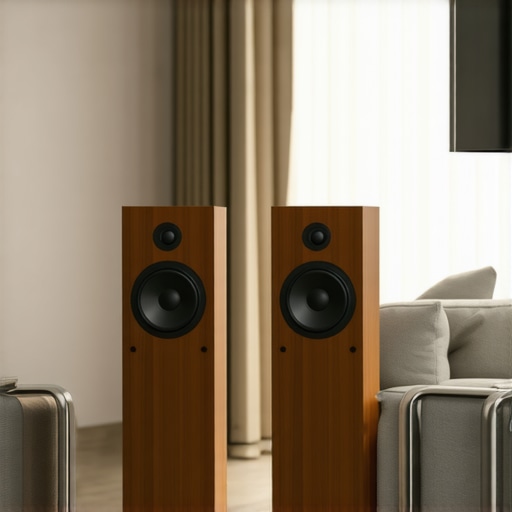 Another nuanced trap is the ‘over-shielding’ paradox. People buy thick, heavy-duty cables thinking they are protecting the signal, but high-capacitance cables can actually roll off the high-end frequencies in some vintage gear. You end up with a dull sound because the cable itself is acting like a low-pass filter. This is especially true if the rule of why your phono preamp needs to be far away from the power amp isn’t respected—the electromagnetic field from the power transformer can easily hop into your signal line. If you’ve ever wondered why your subwoofer makes a humming sound even when off, you’re likely dealing with a ground loop that no amount of ‘fancy’ wiring will fix without a proper isolator. Have you ever fallen into this trap of buying more gear to fix a problem that was actually just a bad layout? Let me know in the comments.If you’re going to commit to the vintage lifestyle, you have to become a bit of a weekend warrior with a soldering iron. I used to be terrified of opening up my gear until I realized that most ‘broken’ thrift store finds are just dirty. The secret weapon in my drawer isn’t some fancy $500 cable; it’s a $15 can of DeoxIT D5. According to the CAIG Laboratories technical data sheets, this chemical doesn’t just clean; it deoxidizes and protects the metal surfaces of your potentiometers. This is the easy way to fix a scratchy volume slider on your radio without sending it to a specialist who will charge you $200 just to look at it. Trust me, the difference in signal clarity after a thorough cleaning is like taking a blanket off your speakers.
How do I keep my vintage gear from dying?
The biggest killer of old-school speakers isn’t volume; it’s time and humidity. I once bought a pair of Advent Loudspeakers that looked perfect, but the moment the first bass note hit, the foam surrounds disintegrated into grey dust. This ‘foam rot’ is inevitable, but you can actually how to fix a small rip in a speaker surround with glue if you catch it early enough. It’s about being proactive. Don’t ignore the small things, like why your headphone pads are peeling and how to replace them, because comfort and seal are 50% of the acoustic experience. If you treat your gear like a classic car—checking the ‘fluids’ and gaskets—it will outlive you. 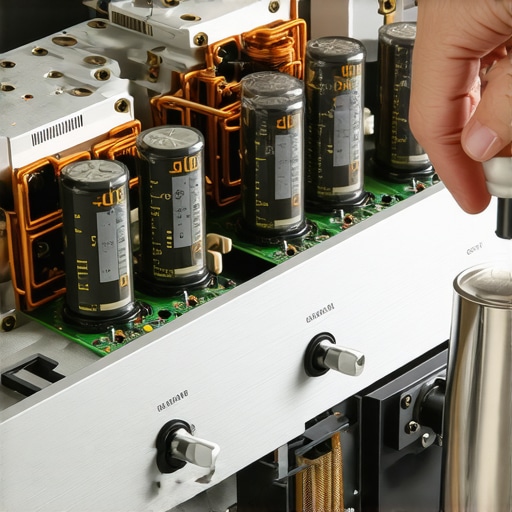 I also highly recommend investing in a basic digital multimeter. You don’t need a professional-grade Fluke; a $20 unit from the hardware store is enough to check for DC offset. If your amp is leaking direct current into your speakers, it’s slowly cooking the voice coils. This is the best way to test a used receiver before you buy it so you don’t bring home a ticking time bomb. I’ve even used the ‘vacuum trick’ to learn how to safely remove a pushed-in speaker dust cap on a pair of floor-standers my toddler decided to poke. It’s these little ‘hacks’ that separate the casual listeners from the true enthusiasts. Looking ahead, I think we’re going to see a massive surge in ‘Smart-Vintage’ hybrids. We are already seeing companies develop DSP-corrected amplifiers that specifically model the frequency response of classic 70s units. Soon, you might not even need the original hardware to get that ‘Marantz Sound,’ but for me, nothing beats the smell of warm dust on a tube or the physical resistance of a weighted tuning knob. If you want to elevate your setup right now, go grab a can of contact cleaner, crack open your amp (unplugged, of course!), and give the input selectors a quick blast. You’ll be shocked at how much detail was being choked off by forty years of oxidation.
Three Hard Truths About Living with Vintage Iron
If there is one thing forty years of gear-swapping has taught me, it is that your ears are better judges than your bank account. First, expensive cables will not fix a bad source; if your phone’s output is noisy, a silver-plated wire just delivers that noise more efficiently. Second, that annoying hiss people complain about in vintage systems is usually a ground loop or nearby electromagnetic interference, not the amp simply getting old. Finally, you should always verify the health of a new-to-you unit before bringing it home; knowing the best way to test a used receiver before you buy it saves you from the heartbreak of a blown channel or a leaking capacitor that could damage your speakers.
The Short List of Tools That Actually Matter
You do not need a lab full of professional equipment to keep your system singing. My toolkit always consists of a basic digital multimeter, a can of contact cleaner, and a dedicated high-resolution source. Instead of tying up your primary phone, you might find that how to use an old smartphone as a high-res music streamer is the most cost-effective way to get bit-perfect audio into your DAC without the constant interruption of notifications. I also suggest reading up on the physics of connections rather than the marketing hype; for instance, learning the truth about gold-plated audio connectors for home stereos will save you from overpaying for luxury plugs that offer no real acoustic advantage in a standard home environment.
Let the Music Breathe Again
Bridging the gap between a high-tech smartphone and a classic vintage amp is more than just a technical exercise—it is about reclaiming the warmth and soul of your music library. There is a specific kind of magic that happens when a modern high-resolution stream hits those old-school output transistors and fills a room with effortless, physical power. Do not be afraid to experiment with your speaker layout and your digital connections until the sound feels right to your ears, not just the online forums. Have you ever found a piece of vintage gear that completely changed the way you hear your favorite album? Let me know in the comments below.