
I spent three hours yesterday trying to figure out if my left driver was dying or if I had finally lost my hearing. I was spinning a brand-new vinyl of Kind of Blue, and the upright bass sounded like it was being played through a tinny cellphone speaker. It was beyond frustrating. I started swapping cables, checking if my amplifier had enough headroom, and even wondering if I needed to stretch the headband. Then, I took my glasses off to rub my tired eyes. Suddenly, the room shook. The bass was back. It was a classic lightbulb moment that made me feel like a total amateur, despite my years of tinkering with home audio. We are going to dive into exactly why those frames are ruining your sound and how you can get that rich, full-bodied audio back without having to switch to contacts. Have you ever felt like your expensive gear was lying to you the moment you put your glasses on?
The Invisible Bass Killer Sitting on Your Nose
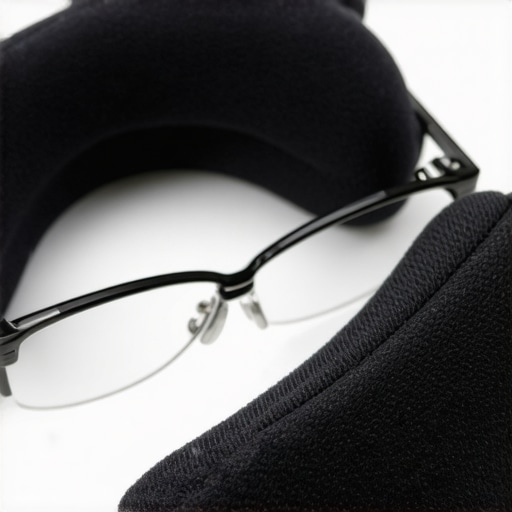
It is all about the seal. When you wear over-ear headphones, the cushions are designed to create an airtight chamber around your ears. This pressure is what allows those tiny drivers to produce deep, resonant low-end frequencies. The moment you slide a pair of glasses under those pads, you create a physical gap. Even a tiny 1-millimeter gap is enough to let the pressurized air escape, which effectively drains the bass out of your music. This isn’t just some picky audiophile theory, either. According to research from the Audio Engineering Society, a broken acoustic seal can cause a massive drop in low-frequency response, sometimes as much as 20 decibels. That is the difference between a thumping kick drum and a weak tap on a cardboard box.
Is it really just my glasses or did I buy a dud?
It is a fair question to ask. I have seen people assume their expensive headphones sound thin on a basic smartphone because of the internal DAC, but often it is just the frames. I made the massive mistake of thinking my gear was faulty and even wrote a frustrated email to a manufacturer before I realized I was the problem. If you notice that your headphones sound slightly different in each ear, it might just be that one side of your glasses is sitting slightly higher than the other.
One Millimeter Can Ruin Your Favorite Album
Low-frequency sound waves are long and require a lot of energy to move air. In a sealed environment, like the space between the driver and your eardrum, that energy is contained. When your glasses arms break that seal, you are essentially creating a leak in your acoustic tires. It is the same reason why car speakers sound thin when you turn up the treble or why studio monitors sound boxy against a wall—it all comes down to how sound waves interact with their environment. If you do not manage the physical space correctly, no amount of expensive gear will save your listening session.
Swap Those Chunky Frames for Thin Metal
To reclaim your low-end, you have to prioritize the thickness of the temple arm. I used to wear thick-rimmed acetate glasses that were nearly 5 millimeters thick at the temple. When I put on my favorite open-backs, the bass didn’t just dip—it vanished. I eventually bought a cheap pair of ‘listening glasses’ with ultra-thin titanium arms. The difference was immediate. It was like finally figuring out how to get better stereo separation in a narrow room; everything just clicked into place. If your frames are thick, they act like a crowbar prying the headphone away from your skin.
Switch to Memory Foam Pads for a Better Seal
Not all ear pads are created equal. If your headphones came with stiff pleather or shallow cushions, they won’t have the flexibility to wrap around your glasses. You need high-density memory foam. This material is designed to compress and ‘flow’ around obstructions. When you put your headphones on, the foam molds itself to the shape of the glasses arm, significantly reducing the size of that acoustic leak. It is one of those budget upgrades that make cheap speakers sound expensive—or in this case, makes your high-end cans actually perform to their specs. 
The Messy Reality of Modifying Your Gear
I once got so desperate that I took a pair of scissors to my favorite velour pads. I thought if I cut a tiny channel into the foam, the glasses would sit inside it and the seal would remain perfect. It was a complete failure. Not only did the pads start fraying and looking like a dog’s chew toy, but the structural integrity of the seal was gone. I ended up with a permanent leak that made my headphones sound slightly different in each ear because I couldn’t cut both sides perfectly. Don’t do it. Instead, focus on finding the right ‘stretch.’ If you learn the safe way to stretch them, you can reduce the clamping force just enough so the glasses aren’t being pressed into your skull, which helps maintain the pad’s natural shape.
Try the Canting Method
If you don’t want to buy new gear, try ‘canting’ your glasses. This involves sliding your glasses on AFTER your headphones are in place. Instead of tucking the arms behind your ears, you rest them on top of the ear pads, angled slightly downward so the lenses still align with your eyes. It looks ridiculous, but it completely removes the glasses from the equation of the acoustic seal. I used this trick for months before I upgraded my frames. It’s a quick fix that stops you from wondering why your expensive headphones sound thin when they should be roaring.
Stop the Creaks Before They Start
Another side effect of glasses is the mechanical noise. Plastic frames rubbing against synthetic leather pads create a high-pitched squeak every time you move your jaw or blink. If you find yourself needing to stop your high-end headphones from creaking, a tiny bit of paraffin wax on the temple of your glasses where it contacts the pad can work wonders. This reduces the friction and lets you enjoy the music in total silence.
People often tell me they spent hundreds on a new DAC because their expensive headphones sound thin on a basic smartphone. They assume the digital hardware is the bottleneck. But here is the cold truth: no amount of digital-to-analog conversion can fix a physical air gap. If you are wearing glasses, your high-end setup can end up sounding like a cheap pair of buds from a gas station. We have been conditioned to think ‘more power’ is the answer, constantly checking if our amplifier has enough headroom, but we forget the most basic law of acoustics: pressure.
Stop Blaming Your Amp for Weak Bass
The common myth is that ‘thin’ sound is a power issue. I have seen enthusiasts buy massive stacks of gear only to realize the sound signature has not changed. The reality is that headphones are basically tiny subwoofers glued to your skull. If the seal breaks, the ‘Q’ factor of the acoustic system shifts entirely. Research by Dr. Sean Olive at Harman International has shown that leakage significantly deviates from the preferred target response curve, particularly in the sub-bass region below 100Hz. This is why you might think your headphones sound slightly different in each ear; it is rarely a driver mismatch and usually just a difference in how your frames sit on your face.
Why does the frequency response change so drastically with a broken seal?
When the seal is compromised, the air trapped between the driver and your ear is no longer pressurized. This doesn’t just lower the volume; it changes the resonance. It is similar to how studio monitors sound boxy against a wall because of boundary interference. With headphones, the ‘leak’ acts as a high-pass filter, rolling off the low end. If you try to fix this by cranking the volume, you are just increasing distortion and potentially hitting the limits of your gear without actually getting that ‘thump’ back. This is the same mistake people make when they think bookshelf speakers need more power when they actually just need better placement.
The EQ Trap That Ruins Your Drivers
One of the most dangerous ‘nuances’ I see people fall for is trying to ‘EQ out’ the problem. They notice the bass is gone, so they boost the 50Hz slider by 10 decibels. This is a massive mistake. You are asking the driver to work significantly harder to fill a ‘leaky bucket.’ This can lead to clipping or, worse, thermal failure. It is much like trying to add more bass to factory car speakers without addressing the door rattles—you are just masking a physical problem with a digital band-aid. Instead of software, look at your hardware. If you can’t switch to thin frames, consider that even balanced XLR cables won’t save you if your ear pads are too stiff to mold around your glasses.
Have you ever fallen into this trap of buying new gear to fix a problem that was actually just your glasses? Let me know in the comments!
Once you have finally conquered the physical seal issue with your glasses, the real work begins. Maintaining that ‘new gear’ sound is not just about keeping the dust off; it is about preventing the slow, silent degradation of your components. I personally keep a bottle of DeoxIT D5 on my workbench at all times. It is a specialized deoxidizer that I use on every single connection point. If you have ever noticed your music cutting out or sounding fuzzy, you likely need to learn how to clean green oxidization off your copper speaker terminals. This isn’t just for vintage gear, either; even modern gold-plated connectors can develop a microscopic film that chokes your signal.
Keep Your Signal Path Crystal Clear
I cannot count how many times I have seen someone ready to throw away a perfectly good pair of cans because of a ‘crackling’ driver, only to find out it was just a dirty port. You should regularly check for debris in your source devices. Knowing how to clean dust out of your headphone jack without damaging pins is a skill every audiophile needs. It is the same logic as car audio; you wouldn’t expect a clear signal if you let your battery terminals rot. In fact, if you are into mobile sound, you should be aware of why your car audio system drains your battery overnight, as consistent voltage is key to maintaining driver health. 
How do I keep my headphone pads and drivers from degrading over time?
The biggest enemy of your headphone seal—and therefore your bass—is actually your own skin. According to the official maintenance guidelines from the Sennheiser technical support database, the accumulation of sebum (skin oils) on synthetic leather is the primary cause of pad stiffening. Once those pads harden, they lose their ability to conform to your face, making the glasses-gap problem even worse. I wipe my pads down with a damp, lint-free cloth after every long session. Furthermore, storage matters more than people think. You should look into the best way to store your iems to prevent driver damage, which often involves silica gel packets to manage moisture. If you notice the physical structure of your gear failing, don’t panic. You can often learn how to fix a small rip in a speaker surround with glue to extend the life of your equipment by years.
The Future of Glasses-Friendly Audio
I predict that in the next few years, we will see a major shift toward ‘intelligent’ acoustic compensation. We already see this in high-end consumer tech where internal microphones measure the pressure inside the ear cup. Eventually, DSP (Digital Signal Processing) will automatically detect a ‘leak’ from glasses and adjust the low-frequency gain in real-time to compensate. Until then, we have to rely on the physical fixes we’ve discussed. If you are ever out hunting for gear to replace a broken set, remember the best way to test a used receiver before you buy it so you don’t inherit someone else’s maintenance nightmares. My challenge to you: Try the ‘canting’ trick I mentioned earlier tonight with your favorite bass-heavy track. It costs zero dollars and will immediately prove to you just how much sub-bass you have been missing out on because of your frames.
Hard Truths I Learned After Years of Muffled Bass
Over the years, I have realized that the smallest physical detail can outweigh the most expensive digital processing. It is a hard pill to swallow when you realize you have been chasing phantom gear failures. Here are the lightbulb moments that changed how I listen:
- Bass is a physical game, not just an electronic one. Before you worry about how to tell if your amplifier has enough headroom, check your face. If there is air moving where it shouldn’t be, no amount of wattage will fix the impact.
- Software is the last resort. I used to think EQ was a magic wand, but boosting the low end to compensate for a leak is like trying to fill a leaky bucket. It just stresses your drivers and causes distortion.
- Frame material matters more than brand. I have seen enthusiasts spend hundreds on frames that ruin thousands of dollars worth of headphones. Opt for titanium or thin steel every time.
- Check your symmetry. If you find that your headphones sound slightly different in each ear, check the alignment of your frames before you assume a driver has failed.
The Kit That Keeps My Low End Punchy
If you want to maintain that perfect seal and pristine sound, you need more than just gear; you need the right maintenance habits. #IMAGE_PLACEHOLDER_E# Here is what I personally use to keep the music sounding full-bodied:
- Dekoni Hybrid Pads: These are my secret weapon because the memory foam compresses perfectly around my frames. They are one of those budget upgrades that make cheap speakers sound expensive.
- The Master Handbook of Acoustics: This resource taught me that sound isn’t magic; it is pressure and movement. Understanding this helps you realize why studio monitors sound boxy against a wall and why your headphone seal is non-negotiable.
- Isopropyl Alcohol Wipes: Keeping the pads clean prevents the hardening that leads to massive air leaks.
Stop Tweaking the Settings and Fix the Physics
It is easy to get caught up in the technical specs, worrying about whether your expensive headphones sound thin on a basic smartphone. But most of the time, the solution is as simple as taking off your glasses or swapping to a more compliant pad. Don’t let a tiny piece of plastic stand between you and your favorite records. You have spent the money on the gear; now give it the physical environment it needs to shine. Have you ever noticed your bass disappearing the second you put your glasses on, or did you think your gear was just acting up? Let me know in the comments!