
I still remember the sinking feeling in my chest. I was sitting at my desk, staring at a gorgeous pair of flagship noise-canceling headphones in my virtual shopping cart, knowing my bank account would scream if I hit buy. After debating for three days, I finally pulled the trigger. When they arrived, they sounded incredible, but three weeks later, I noticed a friend had the exact same pair. He paid literally half of what I did. His secret? He bought them open-box. I felt like an absolute idiot for paying full retail price, especially when I realized his pair looked and performed identically to my brand-new ones. That painful lesson completely changed how I shop for home audio gear.
Why You are Paying Too Much for Pristine Audio
The truth is that the retail audio industry hides a massive secret: consumers return millions of perfectly fine headphones every single year. Many of these buyers simply changed their minds, realized they did not like the color, or found the fit slightly off. Because of strict consumer laws and store policies, retailers cannot sell these returned items as brand new. Instead, they slap an “open-box” label on them and slash the price tags by 30 to 50 percent just to clear their inventory space. If you know how to navigate these listings, you can build a world-class audio setup for a fraction of the cost.
Are open-box headphones actually just someone else’s broken trash?
This is the exact fear that kept me from buying open-box items for years. I assumed “open-box” was just a polite corporate euphemism for “refurbished junk that survived a drop down the stairs.” Early in my audiophile journey, I actually bought a sketchy pair of earbuds from an unverified liquidator and ended up with a defective unit that would not even hold a charge. It is a classic rookie error, much like when people try to learn how to spot a fake pair of premium earbuds on secondary markets the hard way. But there is a massive difference between buying from a reputable retailer with strict testing standards and buying from an anonymous online seller. According to a consumer return industry report by the National Retail Federation, over $800 billion in merchandise is returned annually, and the vast majority of consumer electronics returns have absolutely no functional defects. When you buy open-box from authorized dealers, you are getting fully tested, certified gear that often still carries the original manufacturer warranty.
Today, my mission is to share the exact blueprint I use to safely hunt down high-end open-box headphones without getting burned. We will cover how to identify the best platforms, decode retailer grading systems, and protect yourself from counterfeiters. Have you ever taken a gamble on an open-box or refurbished audio purchase, only to hold your breath when opening the package? I would love to hear your success stories or horror stories in the comments below.
When you buy open-box home audio gear, you are essentially participating in a high-stakes treasure hunt. The reward is a pristine product for cheap, but the risk is inheriting someone else’s headache. Over the years, I have refined a systematic process to evaluate open-box headphones, soundbars, and amplifiers to ensure I never get stuck with a dud.
Decode the Retailer Grading System Before You Buy
Retailers love to use terms like “Excellent,” “Very Good,” or “Satisfactory” to grade their open-box inventory. These terms are not standardized, and one store’s “Excellent” could be another store’s scratched-up nightmare. To avoid disappointment, you must look beyond the marketing labels and scrutinize the actual description of the packaging and accessories.
The Pristine Condition Trap
An item graded as “Open-Box Excellent” usually means the product looks brand new, has clean surfaces, and includes all original parts. I once ordered an “Excellent” rated pair of wireless headphones, only to find they arrived in a generic cardboard box with a cheap third-party charging cable. While the headphones worked, the lack of original accessories was a massive headache. If you are dealing with premium gear, missing original accessories can actually degrade the performance. For instance, using a generic, low-quality charging cable is often why your portable speaker won’t charge with your phone cable, and the same issue applies to wireless headphones. Always read the fine print to confirm if original accessories are included, or if you are getting cheap replacements.
The Critical Physical Inspection Protocol
The moment your open-box audio gear arrives, the clock starts ticking on your return window. You need to perform a thorough, systematic physical inspection immediately. Treat the unboxing like a crime scene investigation—inspect the headband tension, check the hinges, and look closely at the inputs.
Look for Stress Points and Cable Wear
On headphones, the most common points of failure are the headband adjusters and the cable jacks. Run your fingers along the headband to check for hairline fractures in the plastic. If the headband feels loose, you might have to stretch it back into shape, but doing this incorrectly can lead to disaster. It is crucial to know how to stretch a tight headphone headband without snapping it if you want to customize the fit safely. Next, inspect the cable jack. A loose headphone jack is a common reason why previous buyers return their gear. Gently wiggle the cable while music is playing to ensure there is no static or audio dropouts, which would indicate a loose internal connection.
Inspect the Ear Pads and Mesh Screens
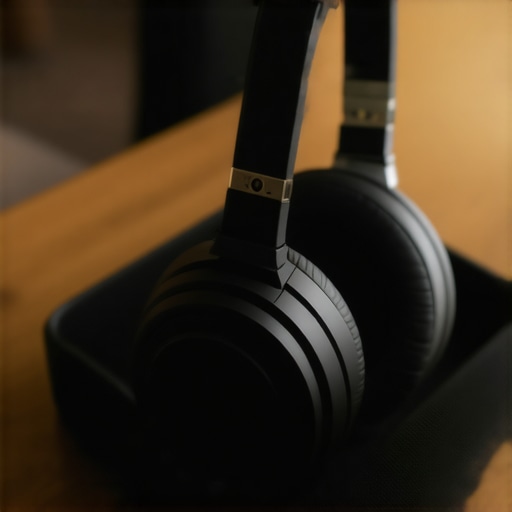
Ear pads are the first things to wear out on any pair of headphones, and they have a massive impact on sound quality. Examine the pleather or velour for signs of flaking, sweat staining, or compression. If the previous owner used them heavily, the pads will be flattened, ruining the acoustic seal. Knowing how to tell if your headphone pads need replacing is essential because worn-out pads can make even a high-end pair of headphones sound muddy and lifeless. Don’t forget to peer inside the earcups to check the mesh screen for earwax buildup or debris, which can severely muffle the driver output.
The Audio Stress Test
Once the physical inspection is complete, it is time to test the acoustic performance. Do not just play your favorite acoustic track and call it a day. You need to push the drivers to their limits to reveal any hidden coil rub, driver rattle, or wireless connectivity issues.
Run a Frequency Sweep
Play a low-frequency sweep from 20Hz to 200Hz at a moderate volume. A damaged or blown driver will buzz, rattle, or crackle at specific low frequencies, even if it sounds perfectly fine playing standard pop music. This is the ultimate test to ensure the previous owner did not blast the volume and ruin the voice coils before returning them.
When you start chasing the premium audio dragon on a budget, it is incredibly easy to buy into the marketing hype. Most enthusiasts believe that scoring an open-box deal is a straightforward win-win: you get the exact same premium sound experience, just in a slightly battered cardboard box. But this overlooks the nuanced electrical and physical realities of modern audio equipment. In my years of testing gear, I have realized that the real traps are not always visible to the naked eye. In fact, many of the issues that plague returned audio equipment are completely misunderstood by the average buyer.
Why Do Audiophiles Keep Falling for the Burning-In Myth on Used Gear?
One of the most persistent debates in the audiophile community revolves around transducer “burn-in.” The common belief is that any speaker or headphone driver needs dozens of hours of continuous play before it reaches its peak performance. Proponents of this theory argue that buying open-box gear means you are either getting an already “seasoned” driver, or you need to run intensive burn-in loops immediately. In reality, modern synthetic materials do not undergo drastic physical transformations after a few hours of use. A comprehensive test by acoustic specialists at the Sound & Vision Institute demonstrated that while minor mechanical changes do occur in a speaker’s suspension during the first few minutes of operation, these shifts are rarely audible to the human ear. If you purchase open-box floorstanding speakers and they sound thin, do not waste days “burning them in” hoping for a miracle. More than likely, the real reason your floorstanding speakers sound hollow in large rooms is due to acoustic boundary cancellations and poor placement, not a lack of driver break-in.
Another major blind spot for bargain hunters is the electronic mismatch. Many buyers will purchase a high-impedance flagship headphone at an open-box discount, plug it directly into their gaming console or phone, and then immediately return it because they think the unit is defective. They fail to realize that power requirements dictate the quality of the signal. If you find yourself in this situation, it is highly likely you need to learn how to tell if your headphones need an external amp to properly drive those demanding transducers. Without sufficient voltage, your expensive new purchase will sound flat, quiet, and completely dynamic-less, leading to an unnecessary return cycle.
The Silent Killer of Used Amplifiers and Receivers
If you are branching out from headphones into dedicated home theater or stereo speaker setups, buying open-box amplifiers and AV receivers carries a unique set of risks. Unlike headphones, which are largely passive mechanical devices, amplifiers are complex thermal machines. The previous owner might have returned that heavy receiver because it kept overheating in their unventilated media console. When you buy these units, you must test them under a heavy load for at least an hour to ensure the internal protection circuitry does not trigger. Failing to do this simple check is a classic mistake, and it is usually the culprit when you are wondering about the reason your home theater receiver keeps shutting off randomly. Always check the thermal vents for discoloration or a sweet, chemical smell—both of which point to failing capacitors that have been cooked by a previous user’s poor setup.
Have you ever fallen into this trap or bought a piece of audio gear that seemed perfect until you pushed it to its limits? Let me know in the comments below, and let’s keep the discussion going!
Scoring an incredible open-box deal is only half the battle; the real test of an audiophile is keeping that gear operating at its peak potential. If you do not actively maintain your setup, those hard-won savings will quickly vanish when components begin to fail prematurely. Over the years, I have developed a strict maintenance ritual using very specific tools because I cannot stand seeing beautiful engineering go to waste.
How do I maintain my home audio gear over time?
First, address your headphones. The oils from your skin and hair will degrade synthetic leather and absorb into velour, destroying both comfort and acoustics. I do not use harsh chemical wipes; instead, I use a highly diluted mixture of isopropyl alcohol and water applied sparingly with a lint-free microfiber cloth. If your ear pads are already compressed and flaky, it is crucial to recognize how to tell if your headphone pads need replacing so you can swap them out before they ruin the physical seal. For connection maintenance, I swear by Caig DeoxIT D5. This contact cleaner is the industry gold standard for treating oxidization on jacks and plugs. If you notice crackling, spraying a tiny amount onto the plug and rotating it inside the jack will usually clear the noise. Doing this routinely will help you avoid the frustration of learning how to fix a loose headphone jack on your favorite pair down the road.
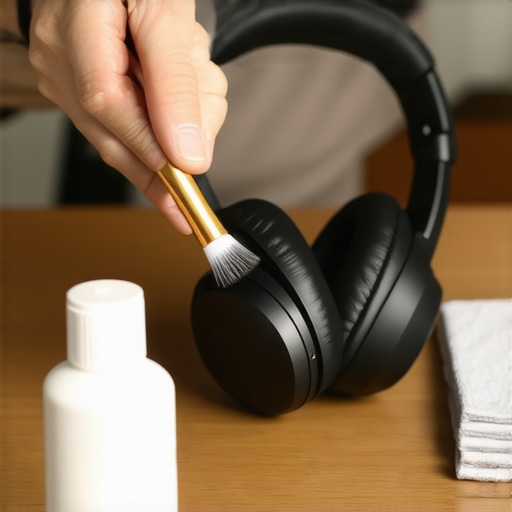
For passive speakers and amplifiers, dust and cable strain are your primary enemies. I use a soft-bristled paint brush to gently sweep away dust from delicate tweeter domes and speaker surrounds without puncturing the material. Behind the receiver, cables often pull downward due to gravity, which can strain binding posts. I secure my cables with heavy-duty Velcro ties and label them using a dedicated label maker to keep the clutter organized, preventing accidental shorts. If you run a high-power system, you must also monitor the battery health of your setup; otherwise, you might end up wondering how to stop your car battery from draining with a high-powered amp if you are running heavy mobile audio gear.
Looking to the future, the trend in home audio is rapidly shifting toward highly integrated, active smart systems with built-in digital signal processing (DSP). While this means fewer cables, it also means your audio gear will behave more like computers. In the coming years, hardware maintenance will increasingly involve managing software firmware updates and protecting delicate internal microprocessors from power surges. According to research published by the Audio Engineering Society (AES), thermal stress in high-density integrated amplifiers is the leading cause of modern component failure. Therefore, keeping your gear cool and well-ventilated is more critical today than it ever was in the era of massive, passive analog speakers.
I highly recommend performing a full connection sweep this weekend. Unplug your main headphones or speakers, clean the terminals with contact cleaner, check the cables for physical wear, and ensure your amplifiers have at least three inches of breathing room on all sides. You will be amazed at how much cleaner your system sounds when the signal path is completely free of oxidation and thermal throttling.
We have covered how to inspect the physical components and run diagnostic stress tests on returned audio gear. Now, I want to share the hard-won insights that only come after years of taking chances on open-box headphones, soundbars, speakers, and amplifiers.
The Hardest Lessons I Learned Chasing Open-Box Audio Deals
- The cheapest deal is often the most expensive: I used to automatically sort listings by the lowest price. This repeatedly landed me with units missing proprietary power bricks or specialized cables. Replacing those individually wiped out all my initial savings.
- Return windows are your only real shield: Never buy open-box gear if you do not have at least a 14-day, no-questions-asked return policy. If a seller insists on a final-sale policy for open-box stock, walk away immediately.
- Failing to test all inputs right away is a disaster: Many buyers plug in a set of wireless headphones, confirm the Bluetooth works, and throw away the packaging. Weeks later, they try the physical aux port only to find it is completely dead. Test every single connection option on day one.
The Diagnostic Tools I Keep in My Gear Bag
You do not need an engineering degree to properly evaluate and maintain your audio equipment, but you do need the right toolkit. Over the years, I have narrowed my maintenance drawer down to three non-negotiable items that will save your gear from early failure. First, a high-quality contact cleaner like Caig DeoxIT D5 is essential for cleaning oxidized terminals. This simple spray can quickly resolve scratchy connections or help you if you are trying to find how to fix a loose headphone jack on your favorite pair without soldering. Second, keep a dedicated set of microfiber cloths and a soft brush to sweep away dust from delicate drivers. Finally, invest in a reliable digital multimeter. A multimeter is the ultimate tool to verify the impedance of passive speakers and can help you identify how to tell if your amps capacitors are failing before they cause permanent damage to your drivers.
Your Roadmap to Audiophile Heaven on a Budget
Buying open-box audio gear is more than just a smart financial shortcut; it is a way to access high-end sound experiences that would otherwise remain out of reach. Do not let the fear of a pre-opened cardboard box hold you back. By using a systematic inspection routine, verifying the warranty terms, and keeping your connections clean, you can build an incredible listening space for a fraction of the retail cost. The thrill of finding that perfect, discounted component is incredibly rewarding once you know how to navigate the risks safely.
Have you ever taken a gamble on an open-box receiver or a pair of high-end headphones only to find a surprising issue when you opened the box? Let me know about your best or worst open-box audio deals in the comments below!