
I’ll never forget the sinking feeling I had when I unboxed what I thought was a pair of mint-condition Sony WF-1000XM4s. I’d scored them on a local classifieds site for a price that felt like a steal. I met the seller in a crowded parking lot, handed over two crisp hundred-dollar bills, and drove home feeling like a genius. But as soon as I tried to pair them with my phone, the connection screen looked… wrong. The font was slightly jagged. The ANC didn’t suppress the hum of my fridge—it just added a weird, high-pitched static. I had been duped. It is a gut-punch that many of us in the audio community have felt, especially as counterfeiters get scarily good at mimicking the high-end stuff. Today, I am going to share exactly how I learned the hard way to vet these deals so you don’t have to waste your hard-earned cash on plastic junk.
Don’t Trust the Serial Number on the Box
The reality is that the super-fake market has evolved into something truly predatory. It is no longer just about $10 plastic shells that look like toys. Modern knockoffs often use the same molds and even similar-looking packaging to the real deal. In my early days of hunting for deals, I made the amateur mistake of thinking that because the box had a matching serial number, it must be legit. I was dead wrong. Most professional scammers just copy a real serial number from a legitimate unit and print it on thousands of fake boxes. If you are wondering how to identify a fake pair of premium headphones or earbuds, you have to look way deeper than just the barcode. According to a report by the OECD, counterfeit electronics account for billions in lost revenue, with headphones being one of the most frequently copied categories in the world because they are small and easy to ship.
Can software really tell the difference between real and fake?
You might be feeling skeptical right now, thinking that maybe the fakes are just as good as the originals for a fraction of the cost. Trust me, they aren’t. While they might look okay, the internal components are usually bottom-of-the-barrel. Sometimes you get lucky and find a pair of genuine buds that just need someone to clean the earwax out of the mesh to sound brand new again, but most ‘too good to be true’ deals are just traps. The biggest giveaway is the companion app. Most fakes simply cannot talk to the official Sony, Bose, or Apple apps correctly. If the app doesn’t recognize the hardware, you’re holding a paperweight. You should also check how to tell if your noise canceling is actually working because true Active Noise Canceling (ANC) requires specialized chips that counterfeiters rarely invest in. Have you ever been burned by a marketplace deal that seemed too good to be true? I want to hear your stories so we can all learn what to avoid.
Inspect the Physical Guts First
High-end audio is like a luxury watch; the weight and the way the parts move should feel deliberate, not accidental. When I picked up those fake Sonys, they felt like they were filled with air. A premium driver has magnets and copper coils that have some heft to them. If the unit feels like a hollow plastic shell, it probably is. You should also run your fingernail over the logo. On the real deal, the branding is usually etched or silk-screened with surgical precision. On fakes, you can often feel a slight lip where the paint was slapped on. 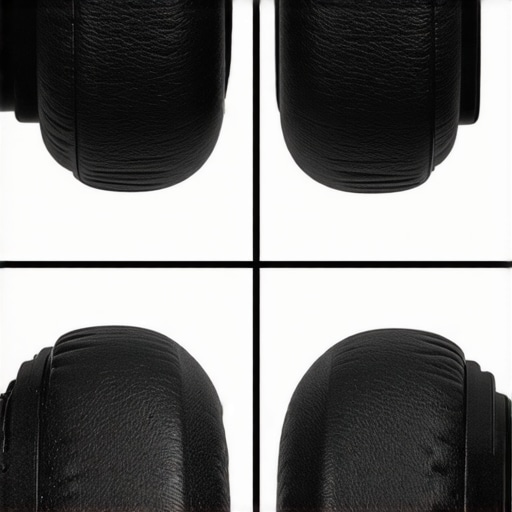
Why Weight Tells the Real Story
Think of it this way: you wouldn’t expect a V8 engine to weigh the same as a lawnmower motor. The internal hardware—the digital-to-analog converters and the amplifiers—require quality materials. While the difference between cheap and expensive DACs that actually matters often comes down to signal processing, in the counterfeit world, they usually just omit the good chips entirely. I once bought a pair of open-back Sennheisers from a guy who swore they were authentic. The moment I held them, I knew. The headband didn’t have that satisfying ‘click’ when adjusting the size; it just slid around like a loose drawer.
The App Connection Never Lies
This is your silver bullet. Most premium manufacturers, like Sony, Bose, and Sennheiser, have dedicated apps for firmware updates and EQ settings. A counterfeit manufacturer might replicate the Bluetooth signature so your phone sees the name ‘WF-1000XM4,’ but they cannot replicate the proprietary handshake required by the official app. If you are meeting a seller, tell them ahead of time: ‘I’m going to pair these to the official app before I pay.’ If they suddenly get flaky, walk away.
Master the Art of the Marketplace Meetup
If you’re hunting for larger gear like speakers or receivers, the stakes are higher. You aren’t just looking for fakes; you’re looking for ‘lemon’ hardware. I’ve seen people sell soundbars that look brand new, but once you get them home, the reason your soundbar dialogue is still muddy is that a blown internal tweeter is being masked by high volume. Always bring a test track you know by heart.
Test Every Single Input and Output
Don’t just check if it turns on. For receivers, plug in a set of headphones to see if the internal amp is hiss-free. If you’re buying speakers, the easy way to test if your speakers are out of phase is to check the wiring terminals for any loose soldering or damage. I remember a ‘mint’ receiver I found at an estate sale. It looked perfect, but because I knew the trick to buying high-end audio at estate sales involves checking the rear ports, I noticed one of the binding posts was actually snapped off and super-glued back on. That $100 ‘steal’ would have been a $200 repair job.
Verify the Power Source Compatibility
Some fakes or gray-market imports come with power bricks that aren’t rated for your local voltage, which can fry the internals. Always check the label on the power supply. If you’re testing headphones that are particularly power-hungry, you might also want to know how to tell if your headphones need an external amp, because a fake will sound equally bad regardless of what you plug it into, whereas the real deal will scale with better equipment.One of the biggest lies we tell ourselves in the audiophile world is that the gear does 100% of the heavy lifting. I’ve seen enthusiasts drop ten grand on floorstanding units only to complain that their floorstanding speakers sound boomy in the corner. Let’s dig deeper into the contrarian truth: a $500 pair of speakers in a room with a thick rug and proper treatment will almost always outperform a $5,000 pair in a glass-walled minimalist living room. Most ‘bad’ deals aren’t actually bad equipment; they are just bad environments. If you’re struggling with high-frequency fatigue or a harsh soundstage, try using a rug to stop your speakers from sounding harsh before you list your gear on a marketplace and take a loss.
The Stealth Setup Trap That Ruins Your Bass
There is a specific mistake I see home theater newcomers make constantly: the ‘hidden’ subwoofer. They buy a massive, high-excursion unit and then immediately look for how to hide a subwoofer in plain sight. Here is my warning: never place your subwoofer inside a cabinet. You aren’t just muffling the sound; you’re creating a sympathetic resonance chamber that turns expensive, tight bass into a muddy, vibrating mess. I once visited a friend who thought his new SVS sub was a lemon. It turned out the cabinet door was rattling at 40Hz, completely masking the actual low-end detail. This is the ‘oops’ factor that most sellers won’t mention when they are trying to offload gear that they think ‘just doesn’t sound right.’ 
Does your high-end amplifier really need a dedicated circuit?
Advanced listeners often debate the necessity of ‘clean’ power. While you might be tempted to use a standard office surge protector, you should never use a power strip for your high-end amplifier. This isn’t just audiophile superstition. A technical study by the Audio Engineering Society (AES) highlights that current-limiting components in cheap power strips can significantly increase power line impedance. This starves your amp during transient peaks, such as a sudden orchestral swell or an explosion in a movie. If your home theater receiver keeps shutting off randomly at high volumes, it might not be a hardware failure; it could be your power strip’s internal breaker tripping due to heat and resistance or voltage sags impacting the power stage headroom.
Wait for the Mechanical Break-In Period
Another nuance people miss is the mechanical nature of audio gear. We live in a world of instant gratification, but speakers are moving parts with physical suspensions. If you just unboxed a set of towers and they sound ‘thin’ or ‘tight,’ remember why your new speakers sound better after 20 hours of use. The rubber surrounds and spiders need to loosen up to achieve their rated excursion. Don’t return a ‘deal’ until you’ve actually run it for a weekend with varied content. Professional installers often suggest a ‘burn-in’ disc or a pink noise loop for the first few days to settle the components. Similarly, if you’re getting into vinyl, don’t settle for the ‘easy’ setup. Knowing why you should use a phono preamp instead of the built-in one can be the difference between a flat, lifeless sound and a wide, holographic soundstage. Have you ever fallen into the trap of blaming your gear when it was actually the room or the power supply? Let me know in the comments below.Maintenance isn’t just about dusting the top of your receiver; it’s about preserving the delicate chemical and mechanical integrity of your components. I’ve seen beautiful drivers ruined because someone used a damp cloth on the paper, which is why you must learn how to clean your speaker cones without ruining the paper. If you’re buying vintage deals, the biggest invisible threat is inside the chassis. According to technical documentation from Nichicon, one of the world’s leading capacitor manufacturers, electrolytic capacitors are wear items with a typical service life of 15 to 20 years. Knowing how to tell if your amps capacitors are failing can save you from a catastrophic board failure that turns a $500 thrift-store find into a $1,000 repair bill. I personally keep a dedicated toolkit just for my audio rack: a non-magnetic screwdriver set, a digital stylus force gauge, and a bottle of DeoxIT D5. These aren’t just for show. When you’re dealing with vintage receivers, the popping sound you hear is often just a dirty potentiometer. I also recommend checking your cable runs. We often talk about gold plating, but the real difference between gold and silver plated connectors actually comes down to corrosion resistance in humid environments.
How can I keep my audio system running like new for years?
The secret is in the connections. Oxidation is the silent killer of soundstage and signal clarity. Every six months, I pull my cables and use a dedicated contact cleaner to keep the metal-on-metal contact fresh. If you notice a crackle when you touch a wire or move the unit, you probably need to know how to fix a loose speaker terminal on your cabinet. While you are back there, do yourself a favor and implement the best way to label your messy home theater cables. It makes troubleshooting a breeze when a channel suddenly goes dark during a movie night. 
Invest in the Small Tools for Massive Gains
You don’t always need a new amplifier to get a better sound. Sometimes, it’s about the interface between your media and your ears. For vinyl lovers, the most common bottleneck is the internal electronics of a budget turntable. Understanding why you should use a phono preamp instead of the built-in one is the fastest way to inject life and dynamic range back into your records. Looking ahead, I predict we are going to see a massive shift toward AI-assisted room correction built directly into even entry-level speakers, but no amount of software can fix a hardware bottleneck or a poorly maintained signal path. If you want to see an immediate improvement tonight, I challenge you to try the easy way to test if your speakers are out of phase—it’s a five-minute check that fixes that hollow, thin sound most people incorrectly blame on their equipment. Proper maintenance ensures that your investment in premium audio pays dividends for decades rather than just a few seasons.
The 3 Harsh Lessons I Learned Buying Used Hi-Fi
Reflecting on years of hunting for the perfect sound, I’ve realized that the best deals aren’t always the cheapest ones. First, never let a seller rush you; if they are impatient while you test the gear, they are usually hiding a flaw. Second, the ‘as-is’ tag is a gamble you only take if you can afford to lose. I once found that the trick to finding high-end receivers at estate sales for pennies is often just about being the first person there with a flashlight and a basic understanding of model numbers. Finally, trust your ears over the specs—if it sounds ‘off’ to you, no amount of marketing or ‘mint condition’ claims should convince you otherwise.
What I Carry to Every Marketplace Meetup
I never leave the house for a gear inspection without my ‘audiophile survival kit.’ This includes a high-quality portable DAC for testing headphones, a microfiber cloth, and a bright LED penlight to check for capacitor leaks or frayed wires inside the vents. I also bring a spare set of pads, because I’ve learned that 7 signs your headphone pads need replacing today can often be used as a bargaining chip to lower the price of a pair of high-end cans. If I’m looking at headphones, I also consider the materials; for instance, knowing why leather pads sound different than velour ones helps me decide if the used pair I’m holding will actually fit my sound preference before I hand over the cash.
Start Building Your Dream Setup Today
Navigating the world of premium audio is a marathon, not a sprint. Every piece of gear you vet and every mistake you avoid brings you closer to that perfect, holographic soundstage we all crave. Don’t be afraid to walk away from a deal that feels slightly ‘shady’—the right home audio deals are out there if you remain patient and diligent. Once you get your new treasure home, remember how to properly break in a new set of high-end floor speakers to ensure you’re hearing the equipment at its absolute best. Have you ever discovered a hidden defect in a piece of gear only after you got it home? Let me know your marketplace horror stories in the comments below!