
I’ll never forget the feeling of unboxing my first pair of high-end floorstanding speakers. I had saved for six months, researched every forum, and finally pulled the trigger. But when I hooked them up and pressed play? They sounded thin, brittle, and—frankly—not worth the $1,200 I’d just dropped. I actually spent the first night checking my cables and wondering if my speaker was actually blown or just rattling right out of the box. It was a classic case of buyer’s remorse. But then, something happened around the second week of listening. The bass started to fill out. The harshness in the treble smoothed over. It wasn’t my ears ‘getting used to it’; it was the hardware itself literally loosening up.
The First Five Minutes Are Usually the Hardest
Buying a new set of speakers is like buying a new pair of leather boots. You wouldn’t expect to hike a mountain in them the day they come out of the box without getting a few blisters. Speakers are mechanical devices. They have moving parts—surrounds, spiders, and cones—that are stiff from the factory. I made the mistake early on of returning a perfectly good set of monitors because I thought they lacked ‘soul.’ In reality, I just didn’t give them a chance to breathe. This is especially true if you are trying to find the trick to making cheap bookshelf speakers sound expensive; patience is your best friend. Today, we’re going to talk about why that 20-hour mark is the ‘magic’ window for your audio gear.
Is this whole break-in thing just a placebo effect?
It’s a fair question. Skepticism is healthy in the audio world where people sell ‘audiophile-grade’ pebbles for hundreds of dollars. However, the physical reality of a speaker’s suspension—the ‘spider’ that holds the voice coil—is that its compliance changes as it’s flexed. According to many manufacturers, including the experts at KEF, the mechanical components of a drive unit reach their intended flexibility only after a period of use. This isn’t just the truth about speaker break-in periods; it’s basic physics. Have you ever felt that instant wave of regret right after hitting ‘play’ on a brand new setup, only to have it vanish a few days later? Tell me about your ‘aha!’ moment in the comments below. We’re going to dive into the mechanical science of what’s happening during those first 20 hours and how you can speed up the process safely.
Put Your Speakers Through Their Paces the Right Way
To get those stiff components moving, you need to be deliberate about how you play your music during those first 20 to 50 hours. Think of it like breaking in a new baseball glove; you don’t just let it sit on a shelf, you work the leather. For speakers, this means consistent mechanical movement. I’ve found that the best approach is to start at a low to moderate volume—around ‘background conversation’ level—for the first two or three hours. This gently introduces heat to the voice coil and begins the initial stretching of the rubber surround.
Give Your New Drivers Some Space to Flex
Position is everything when you are trying to evaluate if the sound is actually improving. When you’re in this phase, it is tempting to shove them wherever they fit, but remember why your floorstanding speakers need more breathing room from the wall. If the back of the speaker is too close to a boundary, the reflected bass waves can mask the very changes you’re listening for. In my early days, I shoved a pair of high-end towers into a corner and spent three days frustrated because they sounded muddy. It wasn’t the break-in; it was the fact that I didn’t understand why your floorstanding speakers sound boomy in the corner. Give them at least 18 inches of clearance to ensure you’re hearing the hardware, not the room acoustics.
Wire Your Speakers Face-to-Face for a Stealthy Break-In
If you want to speed things up without annoying the neighbors, use the ‘out-of-phase’ trick. This is a life-saver for those of us in apartments. You place the speakers directly facing each other, only an inch or two apart. Then, you wire one of the speakers normally (positive to positive), but on the other speaker, you reverse the wires (positive to negative). This puts the speakers out of phase, meaning when one cone moves out, the other moves in, effectively canceling out a massive portion of the sound. This allows you to turn the volume up significantly—exercising the drivers vigorously—while the actual noise leakage into the rest of the house remains surprisingly low. I used this exact method with a set of stiff bookshelf monitors, and it was the only way I reached that 20-hour sweet spot without a noise complaint. It’s also a good time to double-check your connections; if you hear a strange crackle, you might need to use a multimeter to find a short in your speaker wires before proceeding. 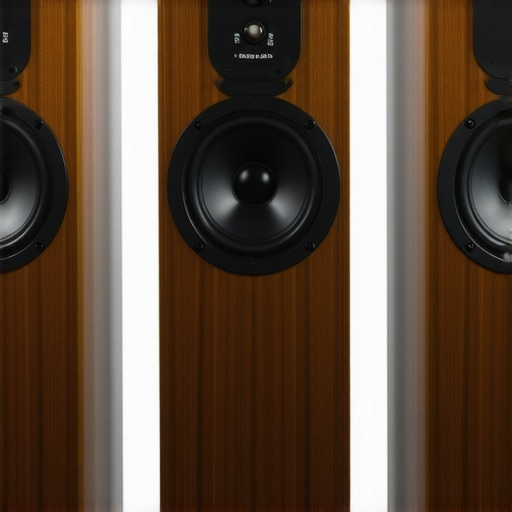
Choose Music That Actually Moves the Needle
Not all audio is created equal for breaking in gear. If you’re just playing podcasts or light acoustic guitar, the woofer barely moves. You need ‘dynamic’ content. I recommend a mix of orchestral music for the high-frequency transients and heavy funk or synth-bass tracks to really work the low-end excursion. You want that ‘spider’—the part behind the cone—to stretch across its full range of motion. Interestingly, this mechanical loosening is why even small devices change character over time; it’s why why your bluetooth speaker sounds better on a wooden table once it has settled in. The table provides the resonance, but the broken-in driver provides the clarity. Avoid using pure sine waves or harsh pink noise at high volumes for extended periods, as this can generate localized heat in the voice coil without providing the varied movement that music offers. Just like how to match your subwoofer phase with your main speakers, the goal is a balanced, natural movement of air.While the 20-hour break-in is a physical reality, there is a deeper nuance most people miss: the ‘room-speaker interface.’ Everyone says you need better drivers, but in my experience, the room is actually the loudest component in your system. You can break in your woofers for a month, but if you haven’t addressed the mistake you’re making when positioning your subwoofer, you will still have massive ‘nulls’ where the bass just disappears. I once visited a guy who spent $10,000 on speakers and put them on a bare hardwood floor in a room with high ceilings. It sounded like a tin can. If you’re in a similar situation, you might want to look at why your soundbar sounds thin in a room with high ceilings—the same physics apply to high-end towers.
Why do my balanced cables sound exactly like my unbalanced ones?
This is a sophisticated trap for those moving into ‘prosumer’ gear. High-end marketing will tell you that balanced (XLR) cables widen the soundstage or add ‘air’ to the high frequencies. However, according to audio engineering legend Dr. Floyd Toole in his seminal work Sound Reproduction, the actual benefit is purely ‘common-mode rejection.’ It is a system designed to cancel out electromagnetic interference over long cable runs. In a typical home setup where your amplifier is sitting three feet from your DAC, you likely won’t hear any difference in fidelity. Before you drop $200 on silver-plated XLRs, check the difference between balanced and unbalanced cables for home studios to see if your environment actually warrants the upgrade. 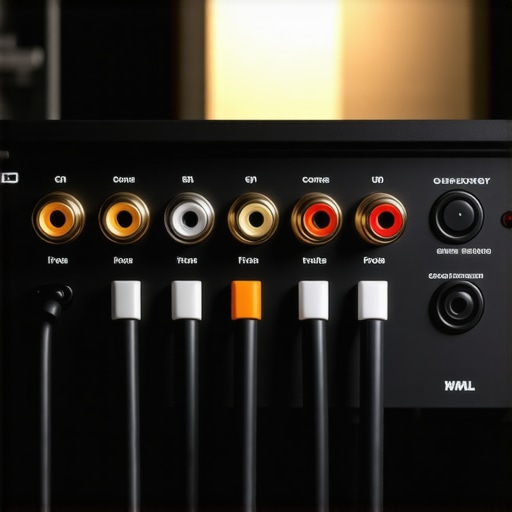
Matching Impedance Saves Your Equipment from an Early Grave
Another ‘oops’ factor that separates the pros from the amateurs is the Ohm rating. Most beginners think ‘any speaker works with any amp as long as the wires fit.’ That is a fast track to a thermal shutdown or a blown output stage. If you are hooking up high-current 4-ohm speakers to a budget receiver rated only for 8 ohms, you are asking that amp to work twice as hard as it was designed to. Learning the secret to choosing the right ohm rating for your amp is actually more critical than the break-in period because it determines the longevity of your gear. If you are running a vintage setup that sounds ‘crackly’ or imbalanced, it might not be the break-in or the impedance; you might simply need to know how to fix a scratchy volume knob on an old amp. Dust and oxidation are the silent killers of ‘audiophile’ sound.
Kill the Hum Before You Kill Your Budget
One of the most frustrating nuances is the ‘ground loop.’ I’ve seen people replace perfectly good amplifiers because they heard a persistent hum, thinking the hardware was failing. In reality, it was likely just an electrical mismatch between their PC and their speakers. You should always try the 5 fix for humming speakers and ground loops before assuming your equipment is toast. Finally, be wary of estate sale ‘gems’ that might be too good to be true. It’s getting harder to tell what’s real, so I always recommend checking the secret to identifying counterfeit high-end earbuds online if you are shopping on the secondary market. Have you ever fallen into this ‘hardware-first’ trap where you kept buying gear instead of fixing the room or the electrical basics? Let me know in the comments.Speaking of comments, one thing I often get asked is how to actually maintain this level of performance for the long haul. Once you’ve survived the break-in period and dialed in your positioning, the real work begins: stopping the slow march of entropy. I’ve seen too many people bin a $500 receiver because of a simple ‘crackle’ or a drop in volume. Usually, you just need to know how to fix a scratchy volume knob on an old amp. Dust and oxidation aren’t just cosmetic; they create resistance in the signal path that chokes your dynamics. I personally swear by a can of DeoxIT D5. According to technical documentation from Caig Laboratories, their specialized formula doesn’t just clean; it displaces oxygen to prevent future corrosion. It is the secret weapon for anyone serious about vintage gear.
How do I keep my sound system from degrading?
Maintenance isn’t a one-time event. Every six months, I pull my racks out and inspect the physical integrity of every cable. This is the perfect time to clean gold-plated connectors without ruining the finish. Even if they look shiny, a microscopic layer of atmospheric pollutants can build up, creating a ‘veil’ over the high frequencies. If you’re running old-school paper drivers, you have to be even more careful. You must learn how to clean your speaker cones without ruining the paper because using a wet rag will cause the fibers to swell, permanently changing the mass and the sound of the driver. 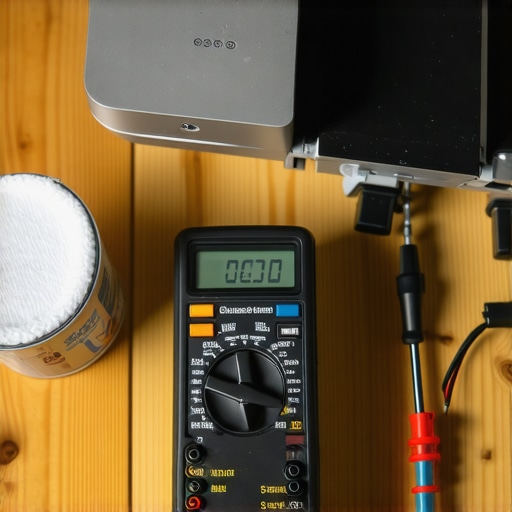
Don’t Wait for the Smoke to Appear
As gear ages, the components inside the chassis start to drift. If you notice a sudden drop in bass response or a persistent hiss that wasn’t there last year, it might be time to tell if your speaker capacitors are starting to leak. This is incredibly common in equipment from the 90s. I recently performed the $20 upgrade that makes an old turntable sound like new just by replacing a dried-out belt and lubricating the spindle. It’s about being proactive rather than reactive.
The Future of the ‘Forever System’
I predict we are moving away from ‘black box’ audio where everything is integrated and disposable. The trend is shifting back toward modularity as consumers grow tired of throwing away a perfectly good soundbar just because a single wireless module failed. In the next five years, I expect high-end brands to offer ‘serviceable’ modules as a selling point. Until then, you need to be your own technician. My advice? Grab a digital multimeter today. Even if you don’t consider yourself a ‘techie,’ learning how to use a multimeter to find a short in your speaker wires will save you hundreds of dollars in unnecessary replacements. Go ahead and test your longest cable run this weekend—you might be surprised by the resistance you find.
The Audio Hard Truths I Learned the Expensive Way
After years of swapping gear, I realized that the 20-hour speaker break-in is just the beginning of a larger journey toward sonic perfection. One of the biggest lessons I’ve learned is that you should never judge a system in a sterile environment; the room is your biggest equalizer. Often, we chase high-end components when the solution is simple physics. I’ve seen enthusiasts spend thousands on new towers when they actually just needed to learn why you should use a rug to fix a bright sounding room. It’s rarely the expensive silver cable that saves the day—it’s usually the hard floor reflecting high frequencies and causing fatigue. My lightbulb moment was realizing that gear is only as good as the environment it’s forced to play in.
The Toolkit That Keeps My Drivers Singing
If you want to maintain that ‘out of the box’ magic for a decade or more, you need a proactive maintenance strategy. I always keep a reliable multimeter and a bottle of specialized contact cleaner in my desk. Beyond the hardware, I highly recommend diving into resources like ‘The Complete Guide to High-End Audio’ by Robert Harley to understand the science of signal paths. Before you assume your vintage gear is dying, check how to tell if your speaker capacitors are starting to leak. Often, a small intervention like learning how to revive old speakers with new foam surrounds can save you from a massive replacement bill. These tools aren’t just for professionals; they are the essentials for anyone who treats audio as an investment.
Trust Your Ears Over the Marketing Hype
At the end of the day, audio is a deeply personal experience. Whether you’re trying to figure out the secret to getting deep bass from tiny desktop speakers or setting up a massive Dolby Atmos home theater, the best judge of quality is your own satisfaction. Don’t let forum gatekeepers convince you that your setup isn’t ‘high-end’ enough. If it makes you want to close your eyes and lose yourself in the music, you’ve already won. The 20-hour speaker break-in period is a necessary rite of passage, but once those drivers are loose, stop analyzing the specs and start enjoying the art. Have you ever been disappointed by a brand-new set of speakers only to fall in love with them a week later? Tell me your story in the comments below!