
I sat there on my living room floor, staring at these beautiful towers I’d saved six months for, feeling like I’d just been scammed. I put on my favorite Steely Dan record—the one that usually makes my hair stand up—and it sounded… well, brittle. The highs were like needles, and the bass had no more punch than a wet paper bag. I actually went as far as checking if my speakers were out of phase because I couldn’t believe they sounded this bad. I almost boxed them up and sent them back that same afternoon. Luckily, a friend told me to just leave them running while I went to grab a beer. Ten hours of moderate volume later, something shifted. The sound opened up. The “stiffness” vanished. That was my first real encounter with the reality of speaker break-in, and it changed how I look at every piece of gear I buy.
That Terrible Feeling When Your New Speakers Sound Flat
[image-placeholder] In those early days of my obsession with home audio, I made every mistake in the book. I once spent three hours trying to fix a ground loop hum that wasn’t even there, simply because I thought the thin, metallic sound of my new bookshelf speakers was an electrical issue. I didn’t realize that the mechanical components—the spiders and the surrounds—need to physically loosen up before they can move the way the engineers intended. It’s not magic; it’s physics. If you’ve ever felt that sinking feeling in your gut after unboxing a new setup, don’t panic yet. We are going to solve that anxiety today by looking at what’s actually happening inside your cabinet. I want to help you avoid the frustration of returning a perfectly good product just because you didn’t give it a day to find its voice.
Is the “break-in period” just a myth made up by salesmen?
It’s a fair question. In the world of high-end audio, there is no shortage of “snake oil” products designed to separate you from your money. You might wonder if manufacturers tell you to “wait 50 hours” just so you’ll pass your 30-day return window. I was a skeptic too. But then I saw the measurements. According to technical data from KEF’s engineering team, the physical properties of the driver’s suspension can shift significantly during the first few hours of use as the resin-impregnated fabric of the spider stretches. While some audiophiles claim it takes hundreds of hours, the most dramatic shift usually happens much sooner. Have you ever felt like your brand-new gear just wasn’t living up to the price tag in the first five minutes? You aren’t alone. Drop a comment if you’ve ever almost returned a pair of speakers only to have them “miraculously” improve a week later.
The Reality of Moving Parts and Stiff Surrounds
Think of a new speaker like a new pair of leather boots. They aren’t comfortable the second you pull them out of the box; they are stiff and might even give you blisters. After a few miles, the leather softens and conforms to your feet. A speaker driver is no different. You have a voice coil moving back and forth in a magnetic gap, held in place by a suspension system. Sometimes, speakers sound harsh because that suspension is resisting the movement, preventing the woofer from reaching its full excursion. It’s the same reason why people properly break in new headphones instead of just blasting them at max volume immediately. When the materials are cold and new, the resonant frequency of the driver is actually higher than its specification. As you play music, the spider becomes more flexible. This isn’t just about speakers either; even your bass port placement won’t save you if the woofer itself is too stiff to move air. I’ve seen people spend thousands on amplifiers and DACs trying to fix a sound that would have fixed itself with a weekend of heavy listening. It’s a common trap. We often forget that while our electronics are solid-state, our speakers are mechanical beasts. They breathe, they move, and they age. If you treat them right from hour one, they’ll reward you for a decade.
The Right Way to Stretch Those New Driver Cones
You don’t need a PhD in acoustics to get this right, but you do need patience. I remember installing a set of aftermarket door speakers in my old sedan years ago. At first, they were so shrill I thought I’d made a huge mistake and that car speakers sound thin when you turn up the treble as a rule. I was ready to pull the door panels back off, but instead, I spent three days playing a bass-heavy funk loop at moderate volume whenever I was driving. By day four, the ‘thump’ finally arrived. The lesson? You have to let the mechanical suspension loosen its grip. If you rush it by cranking the gain to 100% immediately, you risk tearing the delicate fibers of the spider before they’ve had a chance to become supple.
Keep the Volume Under Control for the First 20 Hours
The biggest mistake people make is thinking they need to ‘torture test’ their new gear. You want to aim for a volume that is loud enough to see the woofer move slightly, but not so loud that you can’t have a conversation over it. This applies to everything from floorstanders to when you properly break in new headphones without using white noise. Think of it as a low-impact workout for the driver. I once helped a neighbor set up a home theater where the surround sound system sounded like it was in mono because the drivers were so unresponsive out of the box. We didn’t mess with the calibration settings; we just let a jazz station run at 40% volume while he went to work. By the time he got home, the soundstage had opened up significantly.
Why Your Playlist Matters More Than Static
While some people swear by pink noise or specialized ‘break-in’ discs, I’ve found that dynamic music is actually better. You want a variety of frequencies—deep lows, complex mids, and crisp highs—to move the driver across its entire range. This is especially true if you are worried about why your vintage speakers are losing their punch over time and you’ve just replaced the surrounds. You need to re-train the material to move again. If you only play one type of sound, you’re only exercising a narrow part of the driver’s potential excursion.
The Stealth Method for Apartment Dwellers
If you’re worried about the neighbors complaining while you run your speakers for 48 hours straight, there is a classic audiophile trick. Face your speakers directly against each other, nearly touching, and wire one of them ‘out of phase.’ This causes the sound waves to cancel each other out, allowing you to move the drivers significantly while producing very little actual noise in the room. You can then use your phone to measure your rooms frequency response after the process to see if the bass floor has dropped. It’s a brilliant way to get those stiff components moving without getting an eviction notice. Just remember to wire them back correctly once you’re done so you don’t end up with a hollow, weird soundstage.
But here is the real kicker that most ‘audiophile gurus’ won’t tell you: sometimes the changes you hear aren’t happening in the speaker at all. They are happening in your head. While the mechanical changes in a woofer’s spider are documented and measurable, there is a massive ‘elephant in the room’ that most audio forums ignore: psychoacoustics. Sometimes, what we call ‘break-in’ is actually our brains getting used to a new sound signature. Dr. Sean Olive, a renowned researcher at Harman International, has noted that listeners often adapt to the frequency response of a device over time, which can lead them to believe the hardware itself has physically transformed. This is especially true if you are jumping between tiers of equipment; it is a common reason why your high-end DAC sounds exactly like your laptops headphone jack during that first critical hour of listening. Your brain simply hasn’t ‘learned’ the new detail yet.
Do electronics like amplifiers and DACs actually need a break-in period?
This is one of the most heated debates in the hobby. Unlike speakers, which have moving parts, solid-state electronics don’t ‘stretch’ in any mechanical sense. However, thermal stability is a very real factor. I’ve noticed that some high-end receivers need to reach a specific operating temperature before the circuitry stabilizes and the soundstage snaps into focus. This isn’t a permanent ‘break-in,’ but a daily ritual of warming up the components. If you hear a sharp snap when you hit power, don’t immediately assume the worst—it might just be the reason your expensive receiver makes a clicking sound when it starts, which is typically a protective relay doing its job.
Don’t mistake a mechanical failure for a break-in period
One of the most dangerous traps you can fall into is waiting for a ‘fix’ that is never going to come. If you hear a localized buzzing or a specific sympathetic vibration, it’s probably not a stiff spider—it’s a manufacturing defect or an assembly error. I’ve seen enthusiasts wait weeks for a ‘harsh’ tweeter to mellow out, only to realize later they had a cabinet air leak. You can easily check this yourself by using the simple paper test for finding air leaks in your speaker cabinet to rule out physical flaws. 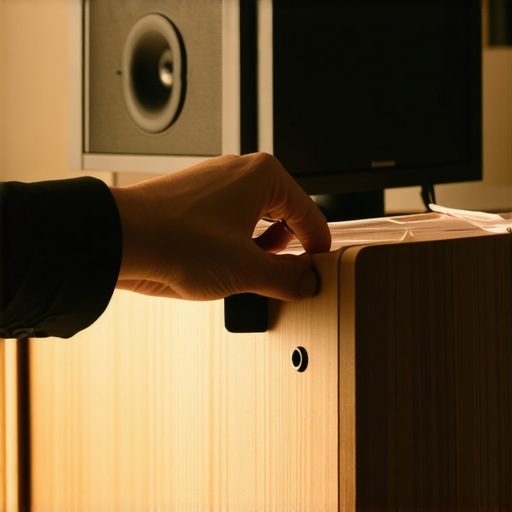 Also, if you’re dealing with older gear, don’t confuse the need for ‘running in’ with actual component failure. You really need to know how to tell if your speakers capacitor is starting to fail because no amount of break-in time will restore a dried-out electrolytic capacitor. Have you ever fallen into this trap of waiting for gear to ‘get better’ only to realize it was broken from the start? Let me know in the comments. We also have to be careful not to ignore the signs when we try to tell if your speaker is actually blown or just rattling. Sometimes, a loose internal brace or a stray wire touching the back of the cone mimics the sound of a ‘stiff’ driver, leading you to waste dozens of hours playing break-in loops when all you really needed was a screwdriver and five minutes of your time.I’ve learned the hard way that audio gear isn’t a ‘set it and forget it’ investment. If you want those speakers to sound as good in year five as they did on day ten, you have to treat maintenance like a ritual. I keep a can of DeoxIT D5 in my drawer at all times because oxidation is the silent killer of great sound. According to technical bulletins from Caig Laboratories, even a microscopic layer of oxidation on your connectors can increase resistance and degrade signal-to-noise ratios. If you start hearing a static pop when you adjust the gain, you need to know how to fix a scratchy volume knob on an old amp before the internal contact wears down completely.
Keep Your Knobs From Crackling
Maintenance isn’t just about cleaning; it’s about prevention. I’ve seen beautiful vintage setups ruined because someone let dust settle into the pots for a decade. Using a specialized spray is the only way how to fix a scratchy volume dial with electrical contact cleaner without leaving a residue that attracts even more grime. I personally make it a habit to rotate every dial on my receiver at least once a month, even the ones I don’t use, just to keep the contacts wiped clean. It’s a simple trick that keeps you from wondering why your vintage amp gets hot even when you arent playing music due to internal resistance issues.
How do I keep my audio gear running for decades?
The secret is heat management and capacitor health. Electrolytic capacitors have a shelf life, and heat is their primary enemy. I always ensure my amplifiers have at least three inches of breathing room on all sides. If you’re pushing high-end gear in a tight cabinet, you’re basically slow-cooking the motherboard. Over time, you’ll need to learn how to tell if your speakers capacitor is starting to fail, which usually manifests as a loss of detail in the high frequencies or a ‘muffled’ sound that no EQ can fix. Prevention is as simple as keeping the dust out and the airflow high.
Stop Guessing and Start Measuring Your Room
Once your gear is broken in and maintained, the next step in scaling your sound is tackling the room itself. I spent years moving my speakers back and forth by an inch at a time, driving myself crazy, before I finally embraced software. You should how to use your phone to measure your rooms frequency response to see exactly where your standing waves are. Most of us have a massive ‘bass suck-out’ at 60Hz that we try to fix by buying a bigger subwoofer, when all we really needed to do was move the couch three feet. 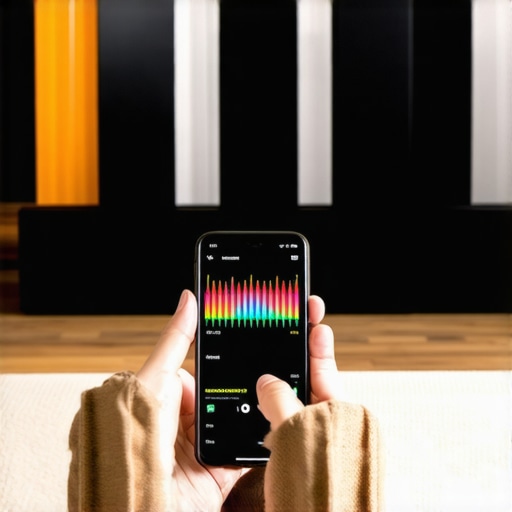 I predict that the future of home audio lies in AI-driven, real-time room correction that lives inside the speaker itself, but for now, the ‘phone and mic’ method is your best friend. If you really want to level up, stop looking at new cables and start looking at your room’s corners. Go download a frequency response app tonight and see where your bass is actually disappearing—it’s the most eye-opening experience you can have in this hobby.
The Secret Lessons I Learned After 500 Hours of Testing Gear
Over the years, I have realized that the first hour of listening is almost always a lie. Whether it is the equipment or your own ears adjusting, first impressions are rarely permanent. One of the biggest shifts in my setup happened when I finally learned how to find the sweet spot for your speakers in a rectangular room instead of just plunking them where they looked best. I also stopped ignoring the little things; for instance, I discovered the reason your speaker stands need to be filled with sand is actually to eliminate the ‘ringing’ that can blur your stereo image. My biggest takeaway? Patience is the most underrated tool in your audio rack. If you don’t give your gear time to breathe, you’ll never hear what the designers actually intended.
The Essential Toolkit for Every Audio Obsessive
I don’t leave my audio performance to chance anymore, and neither should you. My go-to resource for room acoustics is always the Room EQ Wizard (REW) software paired with a calibrated microphone—it’s the only way to see what your room is actually doing to the sound. I also keep a steady supply of contact cleaner on hand because knowing how to fix a scratchy volume fader on a professional mixer or amplifier can save an aging piece of gear from the landfill. For those on a budget, I highly recommend exploring the trick to making cheap iems sound like high-end monitors using specialized ear tips and PEQ settings. These small additions to your toolkit will yield much larger results than buying a more expensive cable ever could.
Your Sound Journey Is Only Just Beginning
The quest for the perfect listening experience is rarely a straight line. It is a series of adjustments, experiments, and, yes, the occasional speaker break-in period that tests your resolve. As you move forward, trust your ears over the marketing brochures. Whether you are fine-tuning a home theater or wondering why your car speakers pop when you turn the key, remember that every issue is just an opportunity to learn more about the physics of sound. Keep listening, keep tweaking, and most importantly, keep enjoying the music that brought you here in the first place.
Have you ever noticed a massive change in bass response after a few days of heavy listening? Let me know your experience with new gear in the comments below!